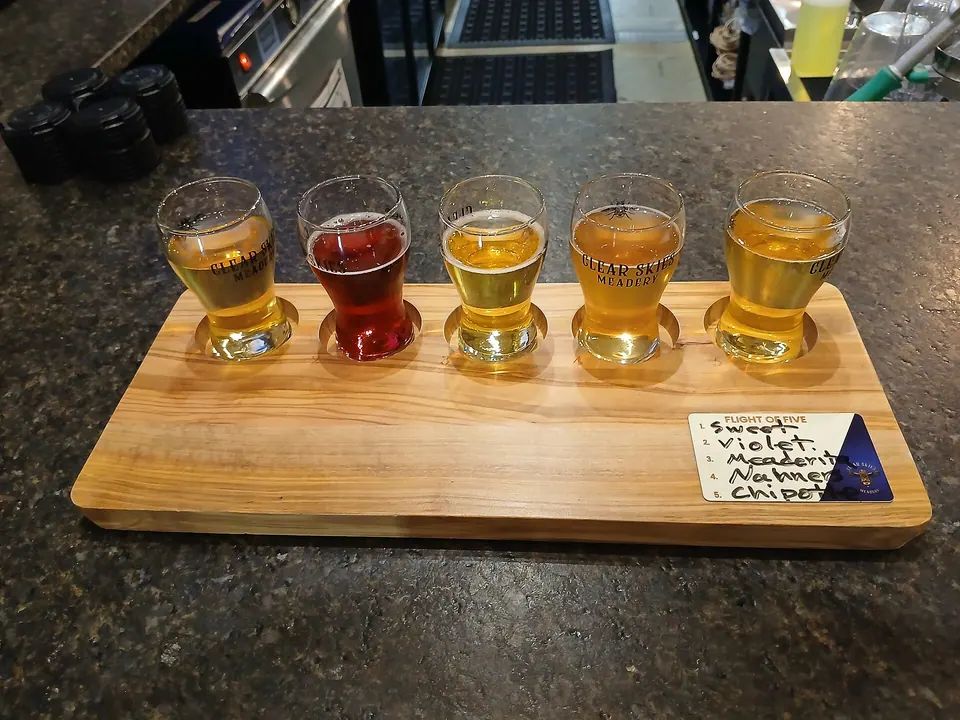
- How to make mead: dissolve honey in water without boiling, pitch a wine or mead yeast, feed it nutrients in stages and wait.
- BYO’s pros use 1.5–5 lb of honey per gallon; about 3–3.5 lb per gallon makes roughly a 14% mead.
- AHA’s tutorial: cool the must to 65–75°F (18–24°C), ferment at 60–70°F (15.5–21°C), primary 2–3 weeks.
- Honey is low in yeast nutrients, so staggered nutrient additions are standard (AHA). EC-1118 is dosed with Go-Ferm at rehydration per Lallemand.
- Mead takes months to come round. Stabilize before backsweetening a sweet mead.
How to make mead is simpler than its reputation: honey, water and yeast, with no grain and no boil. What makes mead tricky is nutrition and time. Honey is mostly sugar with very little of the nitrogen yeast needs, so unfed meads ferment slowly and can smell of sulfur. Fed properly, a mead finishes in weeks and then ages for months.
This guide follows the AHA’s “How to Make Mead” tutorial, BYO’s “Making mead: tips from the pros”, Lallemand’s EC-1118 data sheet and the BJCP 2026 Mead Style Guidelines. We summarize these sources and maker labels; we did not make these batches.
How much honey per gallon of mead?
Honey sets both strength and sweetness. More honey means a higher starting gravity, potentially more alcohol and, if the yeast reaches its limit, more leftover sweetness. The BYO pros give a wide range:
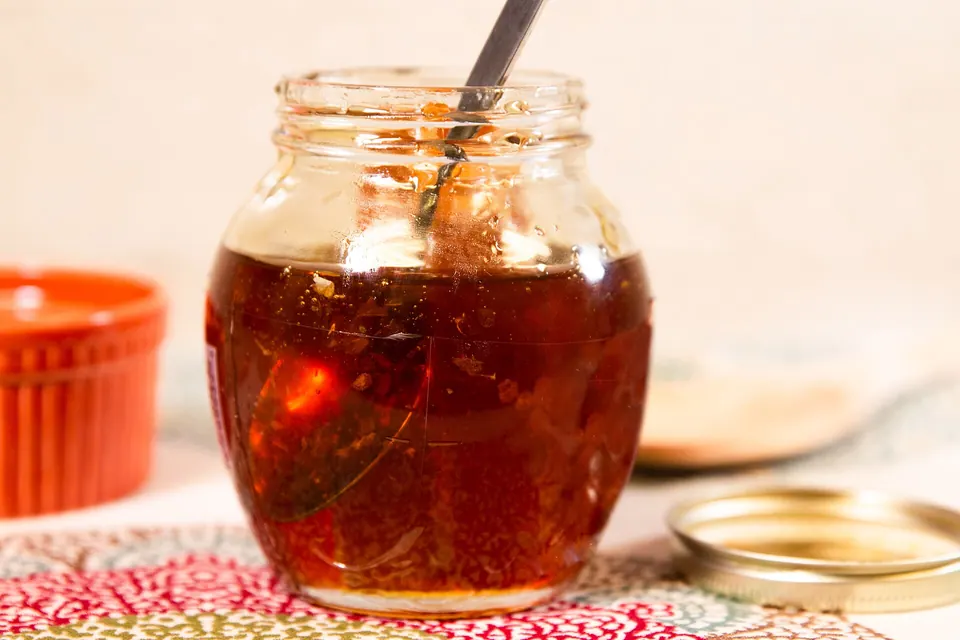
Honey per gallon in BYO’s mead article
Pounds of honey per US gallon of must
Honey varies in moisture and sugar, so measure the must with a hydrometer instead of trusting the weight. The BJCP mead guidelines classify meads by sweetness (dry, semi-sweet, sweet), carbonation (still to sparkling) and strength, and every competition entry must declare all three.
BJCP 2026 mead categories
| Category | Styles | What it means |
|---|---|---|
| M1 Traditional | Dry, semi-sweet, sweet | Honey, water and yeast only |
| M2 Melomel (fruit) | Cyser (apple/pear), pyment (grape), berry, stone fruit, other fruit | Fruit adds flavor, acid and sugar |
| M3 Spiced | Metheglin, vegetable mead, fruit and spice | Spices, herbs or vegetables |
| M4 Specialty | Braggot (with malt) and others | Malt, unusual honey or experimental |
Source: BJCP 2026 Mead Style Guidelines
Yeast and nutrients
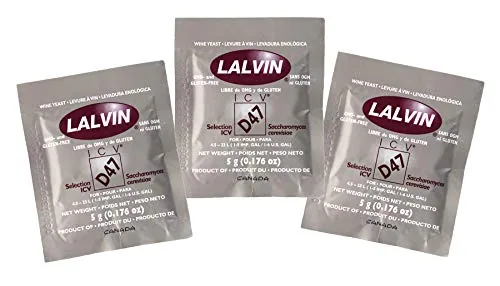
Wine and mead yeasts tolerate the high alcohol a strong mead reaches. Lallemand lists EC-1118 at 18% v/v tolerance (subject to conditions), 10–30°C (50–86°F), dosed at 25 g/hL (about 1 g per gallon) with Go-Ferm Protect Evolution at 30 g/hL in the rehydration water, which should be 35–40°C (95–104°F) for 20 minutes. Lalvin 71B and D-47 and Mangrove Jack’s M05 are other common mead choices; check each sachet.
Dry yeast by the maker’s numbers
| Yeast | Use | Fermentation temp | Dose | Attenuation / tolerance | Rehydration |
|---|---|---|---|---|---|
| SafAle US-05 Fermentis | Ale (American) | 18–26°C (64.4–78.8°F) | 50–80 g/hL | 78–82%; not listed on the product page | Optional: ≥10× its weight of sterile water or boiled, hopped wort at 25–29°C (77–84°F), 15–30 min; or direct pitch at or above fermentation temperature |
| SafAle S-04 Fermentis | Ale (English) | 18–26°C (64.4–78.8°F) | 50–80 g/hL | 74–82%; 9–11% ABV | Optional: ≥10× its weight of sterile water or boiled, hopped wort at 25–29°C (77–84°F), 15–30 min; or direct pitch at or above fermentation temperature |
| SafLager W-34/70 Fermentis | Lager | 12–18°C (53.6–64.4°F) | 80–120 g/hL | 80–84%; 9–11% ABV | Optional: ≥10× its weight of sterile water or boiled, hopped wort at 15–25°C (59–77°F), 15–30 min; or direct pitch at or above fermentation temperature |
| LalBrew Nottingham Lallemand | Ale (English) | 10–25°C (50–77°F) | 50–100 g/hL | 78–84%; 14% ABV | Dry pitching is the maker's preferred method (no significant difference vs rehydration, per Lallemand) |
| LalBrew Voss (kveik) Lallemand | Ale (kveik) | 25–40°C (77–104°F) Optimum 35–40°C (95–104°F) per Lallemand | 50–100 g/hL | 76–82%; 12% ABV | Per the sachet |
| Lalvin EC-1118 Lallemand | Wine, cider, mead | 10–30°C (50–86°F) | 25 g/hL | Ferments dry; 18% v/v (subject to conditions) | 35–40°C (95–104°F) water for 20 min with Go-Ferm Protect Evolution (30 g/hL), then temper to within 5–10°C of the must |
Sources: Fermentis: SafAle US-05 product page; Fermentis: SafAle S-04 product page; Fermentis: SafLager W-34/70 product page; Lallemand: LalBrew Nottingham technical data sheet; Lallemand Brewing: LalBrew Voss Kveik Ale Yeast product page; Lallemand: Lalvin EC-1118 technical data sheet. 1 hL = 26.4 US gal, so 50 g/hL ≈ 1.9 g per gallon. Follow the sachet you buy; makers update their sheets.
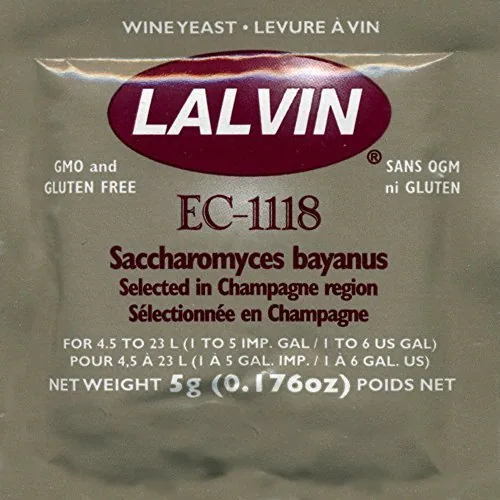
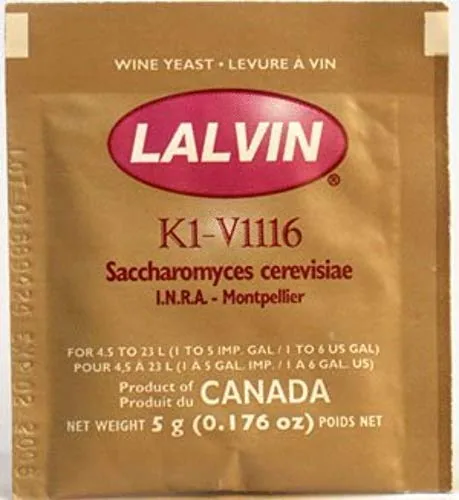
Lalvin EC-1118 Wine Yeast, 5 g
- Type
- Dry wine yeast (S. cerevisiae var. bayanus)
- Dose
- 25 g/hL (about 1 g/gal)
- Temp
- 50–86°F (10–30°C)
Best for Dry wines, ciders and meads
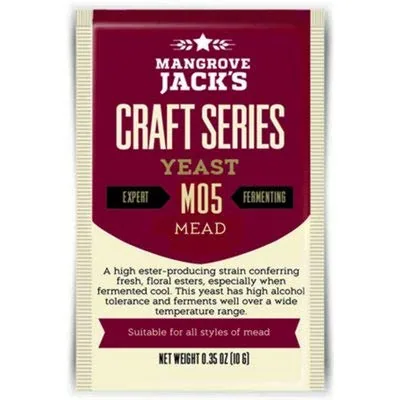
Mangrove Jack's M05 Mead Yeast
- Type
- Dry mead yeast
- Temp
- 59–86°F
- Attenuation
- High (apparent)
Best for Dry and semi-sweet meads
The AHA tutorial recommends a staggered nutrient schedule: smaller nutrient additions spread over the first days of fermentation instead of one big dose. Organic nitrogen nutrients such as Fermaid O are commonly used for this. Use the dose on the label for your volume and gravity, and split it as the maker or your recipe describes. BYO’s pros mention Fermaid K and diammonium phosphate (DAP) as well; DAP should not go into the yeast rehydration water.
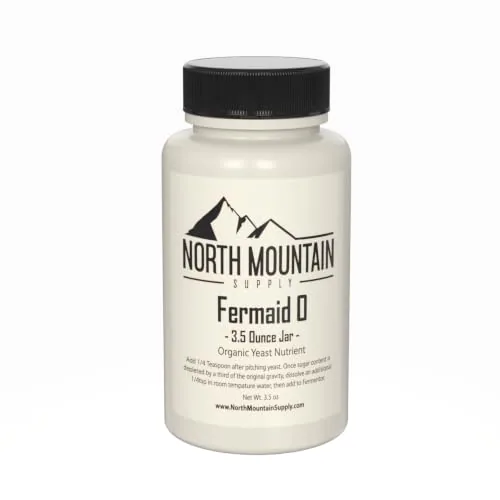
Lallemand Fermaid O Yeast Nutrient, 3.5 oz
- Type
- Organic nitrogen nutrient (no DAP)
- Size
- 3.5 oz
Best for Staggered nutrient additions for mead
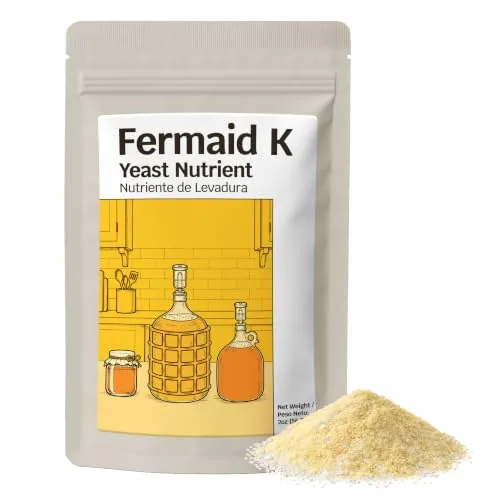
Lallemand Fermaid K Yeast Nutrient, 2 oz
- Type
- Blended nutrient (DAP + organic nitrogen + micronutrients)
- Dose
- 12.5 g/hL at end of lag + 12.5 g/hL at 1/3 sugar depletion
- Size
- 2 oz (56.7 g)
Best for Wine and cider fermentations
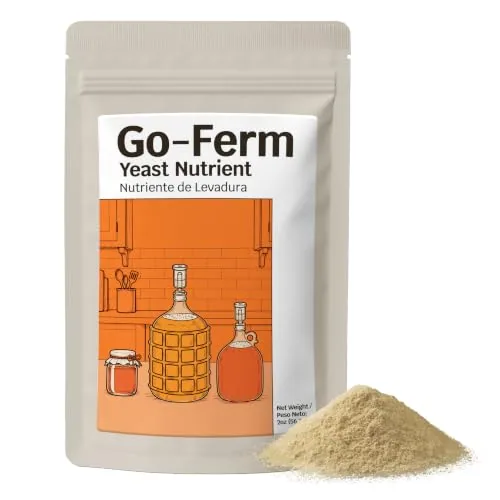
Lallemand Go-Ferm Rehydration Nutrient, 2 oz
- Type
- Yeast rehydration nutrient
- Size
- 2 oz (56.7 g)
Best for Rehydrating wine and mead yeast
Lallemand Go-Ferm Protect Evolution, 100 g
- Type
- Yeast rehydration nutrient
- Dose
- 30 g/hL with Lalvin yeast (per Lallemand)
- Size
- 100 g
Best for High-gravity meads and wines
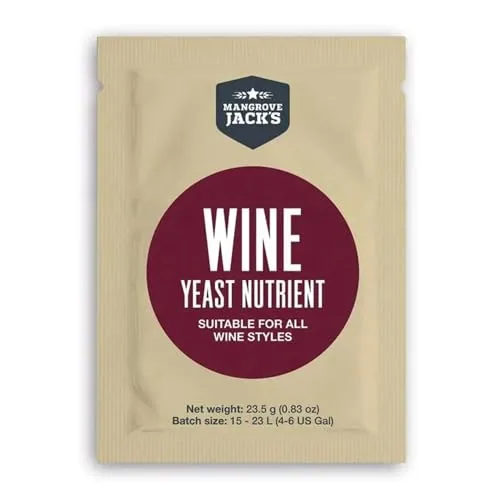
Mangrove Jack's Wine Yeast Nutrient
- Type
- Wine yeast nutrient
- Dose
- One sachet per 15–23 L (4–6 gal)
Best for Fruit wines from juice
How to make mead step by step
- Clean and sanitize
Everything that touches the must. See cleaning vs sanitizing.
- Warm the honey, not the must
AHA’s method is no-heat: warm the honey container in hot water so it pours, then dissolve it in water in the fermenter. This keeps delicate honey aroma.
- Mix and top up
For 5 gal, AHA fills the fermenter with 2–3 gal of water, dissolves the honey, then tops up to 5 gal. For 1 gal, use a gallon jug and a funnel.
- Take a gravity reading
Optional per AHA, but you need it for strength. Do not pour the sample back.
- Rehydrate and pitch at 65–75°F
Cool the must to 65–75°F (18–24°C). Rehydrate dry yeast per the maker (with Go-Ferm for EC-1118) and pitch.
- Feed in stages
Add nutrient after pitching and again over the next days per your schedule. Gently stir or swirl to release CO2 before each addition so it does not foam over.
- Ferment at 60–70°F
AHA: 60–70°F (15.5–21°C), cooler end preferred. Expect activity within 24 hours and 2–3 weeks of primary.
- Rack and age
Transfer to a secondary and age for a few weeks to a few months, longer for strong meads. BYO’s Hamilton describes 3–6 months of bulk aging.
- Confirm it is finished
AHA: done when readings stay the same over 1–2 weeks.
- Stabilize, sweeten if desired, and package
For a sweet mead from a dry finish, stabilize first: see stabilize and backsweeten.
Equipment for a first gallon
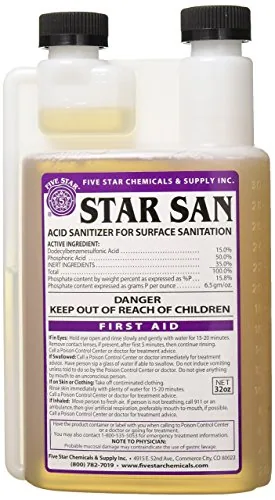
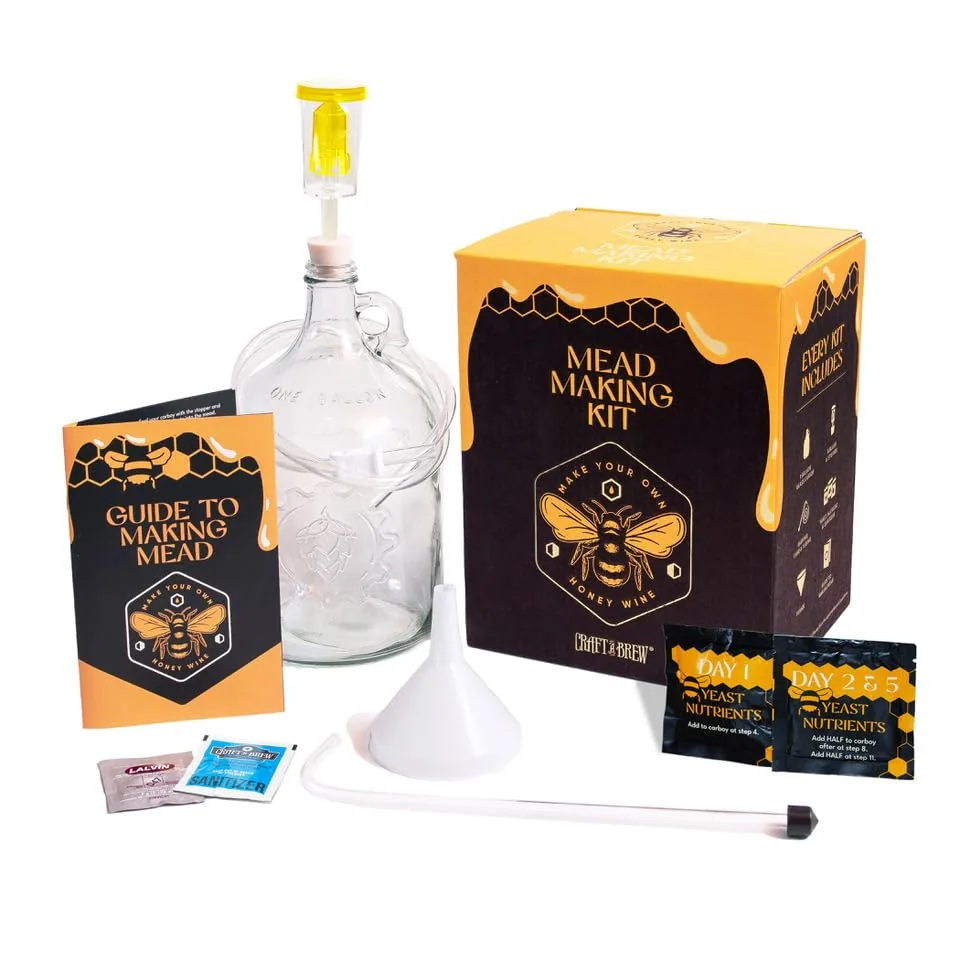
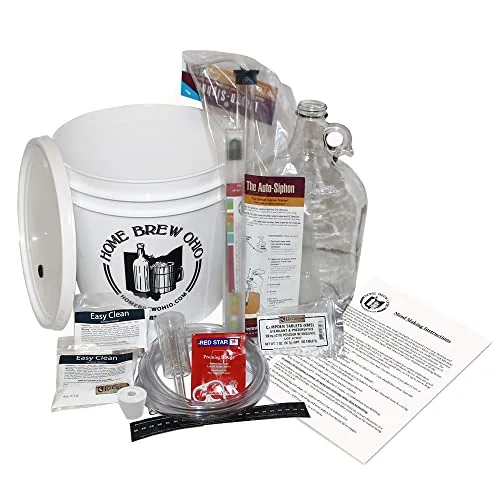
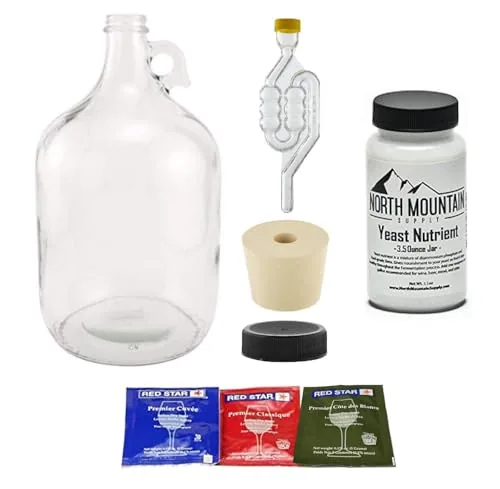
A gallon of mead needs very little: a 1 gal glass jug or PET carboy with a stopper and airlock, a funnel, a long spoon, a hydrometer and test jar, a small siphon, a no-rinse sanitizer and five 750 mL bottles or a dozen swing-tops. A 2 gal bucket makes mixing and the first days of foaming easier. A 1 gal mead kit bundles most of this; the Craft A Brew kit lists honey as the thing you still need.
Craft A Brew Mead Making Kit, 1 gal
- Batch size
- 1 gal
- Type
- Equipment + ingredient kit
- Still need
- Honey
Best for A first mead
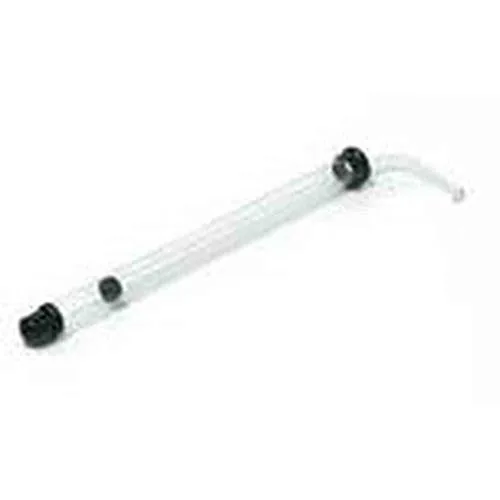
Fermtech Mini Auto-Siphon, 15 in.
- Type
- Mini auto-siphon
- Size
- 15 in., 3/8 in.
Best for 1-gallon batches
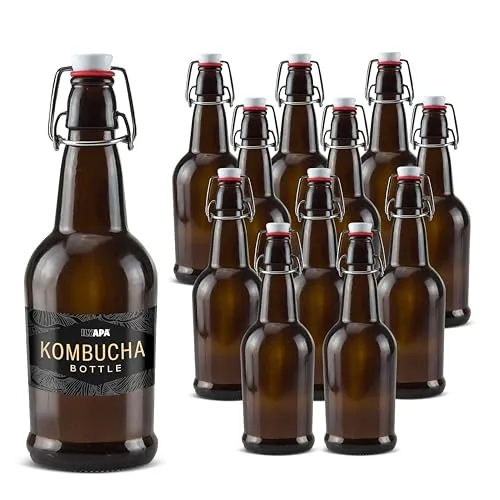
Ilyapa 16 oz Amber Swing-Top Bottles, 12-Pack
- Type
- Swing-top amber glass
- Count
- 12
- Size
- 16 oz
Best for Capper-free bottling
Fruit, spice and braggot variations
Once a traditional mead works, the BJCP categories are a menu. A cyser replaces some or all of the water with apple juice and ferments much like a strong cider. A pyment uses grape juice. Berry and stone-fruit melomels usually add fruit in secondary, in a mesh bag, so the color and aroma stay bright; pectic enzyme helps the fruit break down. A metheglin adds spices or herbs, and a little goes a long way: add them late, taste every few days and pull them out early. A braggot blends honey with malt and sits between beer and mead.
Fruit brings its own sugar and acid. Measure the gravity after adding fruit, expect a short burst of fermentation, and confirm stable readings again before packaging. Acid from fruit can also make a mead taste brighter, which balances sweetness.
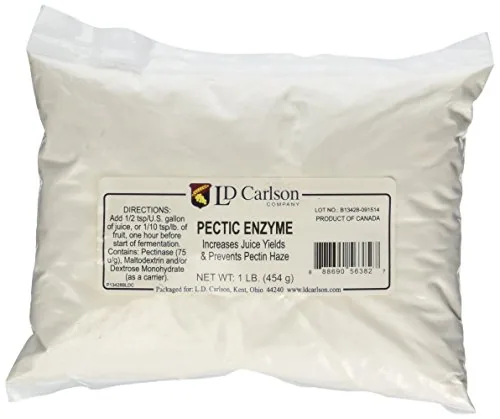
Home Brew Ohio Pectic Enzyme Powder, 1 lb
- Use
- Breaks down fruit pectin
- Type
- Pectic enzyme powder
- Size
- 1 lb
Best for Fruit wine and cider
LD Carlson Acid Blend, 8 oz
- Use
- Wine acid adjustment
- Type
- Acid blend
- Size
- 8 oz
Best for Fruit wines and meads
How strong is homemade mead?
A strong mead around 14% ABV is roughly three times the alcohol of a 5% beer per ounce. One US standard drink is 14 g of alcohol (NIAAA): 5 oz of 12% wine. A 5 oz pour of 14% mead is a little more than one standard drink. Work out your batch with the ABV calculator, which also counts standard drinks per serving.
Slow or stuck mead: what to check
- Temperature. Below the yeast’s range, fermentation crawls. Move it somewhere within the sachet’s range, ideally the AHA’s 60–70°F (15.5–21°C).
- Nutrients. If you skipped the staggered additions, a label-dose addition early in fermentation often helps; late additions after most of the sugar is gone are less useful.
- Gravity. Very high starting gravity stresses yeast. If the gravity has stopped well above your target, the yeast may have hit its limit; EC-1118 lists 18% tolerance, others less.
- pH. Honey must has little buffering, and pH can fall during fermentation. A pH meter tells you whether acidity is part of the problem.
- Patience. Mead often slows near the end. Wait a week and take another reading before changing anything.
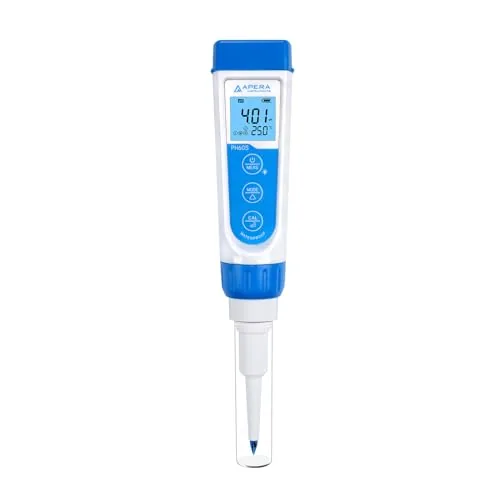
Apera PH60S Food pH Meter Kit (Spear Electrode)
- Range
- −2.00 to 16.00 pH
- Accuracy
- ±0.01 pH
- ATC
- Yes
Best for Kombucha and wine pH checks
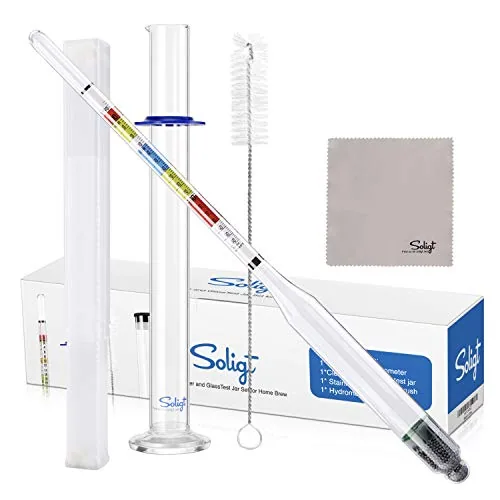
SOLIGT Triple Scale Hydrometer & Glass Test Jar Kit
- Range
- SG 0.990–1.170, Brix 0–35, potential ABV 0–20%
- Scale
- Triple (SG, Brix, potential alcohol)
Best for A complete first hydrometer kit
Log each reading and addition in the brew-day log so you can see the trend rather than guessing from airlock bubbles, and compare notes with the yeast and pitch rate guide.
Common mead mistakes
- No nutrients. Honey alone starves yeast; expect a slow, sulfury ferment.
- Boiling the honey. It drives off aroma; the no-heat method is standard now.
- Pitching hot. Cool to the yeast range first.
- Bottling too soon. Mead can keep fermenting slowly; wait for stable readings over 1–2 weeks.
- Backsweetening without stabilizing. Honey restarts fermentation in the bottle.
- Judging it young. Many meads taste hot and harsh at two months and smooth at six.
Which mead should you make first?
A 1 gal traditional semi-sweet mead with a wine yeast is the classic first batch: cheap, small and quick to learn from. If you like cider, try a cyser with apple juice. If you have a fruit harvest, make a melomel. Honey and gear are in the wine, cider, mead and kombucha category, nutrients in yeast and nutrients. The AHA’s Home Fermentation Day in August is a good excuse to start one; see the seasonal calendar.
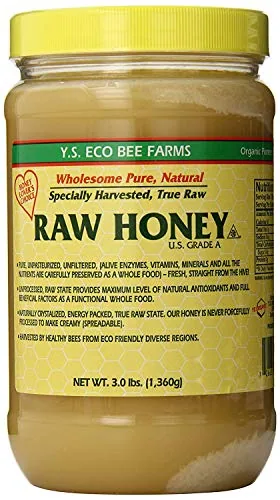
YS Eco Bee Farms Raw Honey, 3 lb
- Type
- Raw, unfiltered honey
- Size
- 3 lb (48 oz)
Best for A 1-gallon mead
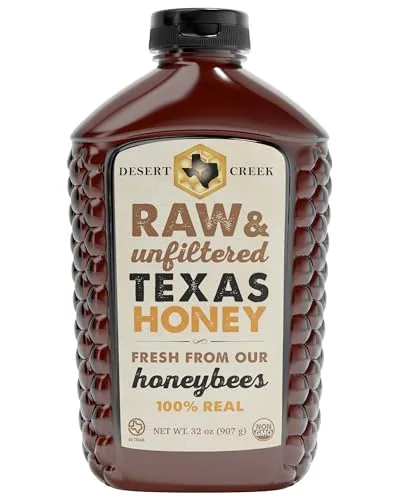
Desert Creek Raw Texas Wildflower Honey, 2 lb
- Type
- Raw, unfiltered wildflower honey
- Size
- 2 lb (32 oz)
Best for Small wildflower meads
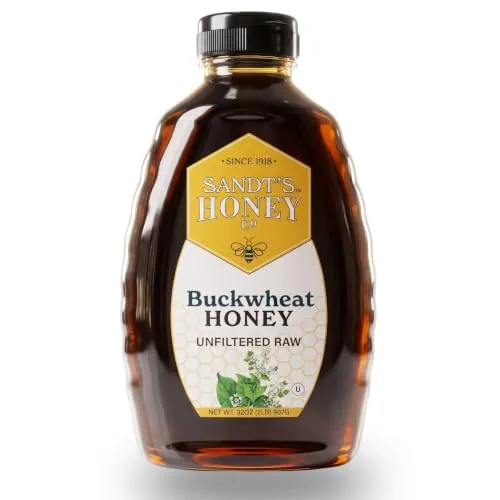
Sandt's Raw Buckwheat Honey, 32 oz
- Type
- Raw, unfiltered buckwheat honey
- Size
- 32 oz
Best for Dark or blended meads
Wine, cider and mead made at home fall under 27 CFR 24.75: up to 100 gal a year for a one-adult household or 200 gal with two or more adults, for personal or family use, and never for sale. Details in is homebrewing legal.
Gear picks for this guide: best mead making kits and best yeast nutrients for mead, wine and beer.
ABV calculatorWork out ABV from OG and FG with the standard and high-gravity formulas, hydrometer temperature correction,…Yeast pitch rate calculatorYeast pitch rate calculator: cells needed for ales and lagers by volume and gravity, dry yeast grams from…Printable brew-day log and recipe sheetFree brew-day log: record recipe, water and salts, mash, gravities, yeast, fermentation temperatures,…