
- Is homebrewing legal? Yes: federal law has allowed beer and wine for personal or family use since February 1, 1979, and every state allows it since Alabama and Mississippi acted in 2013 (AHA).
- Limits are per household per calendar year: 100 gal with one adult, 200 gal with two or more (26 U.S.C. 5053(e); 27 CFR 25.205 for beer; 27 CFR 24.75 for wine, cider and mead).
- You may never sell homebrew. You may take it to organized affairs, exhibitions and competitions (TTB), subject to state law.
- Distilling spirits at home is illegal without a federal permit, even for personal use (TTB).
- State and local rules on transport, sharing and dry areas vary; check your state alcohol agency. This page is not legal advice.
Is homebrewing legal in the US? For adults of legal drinking age, yes. Federal law exempts beer and wine made at home for personal or family use from excise tax, within annual limits, and all 50 states now allow homebrewing. The details sit in a handful of short federal texts plus your state’s own alcohol laws.
This page quotes the federal rules directly (the U.S. Code, the Code of Federal Regulations and TTB’s own FAQ), summarizes the AHA’s state statute research, and explains what is clearly not allowed. It is general information, not legal advice: state and local law can be stricter, and only your state’s alcohol agency or an attorney can answer a specific situation.
Federal homebrew limits
Federal homebrew rules at a glance
Quoted from the U.S. Code, the CFR and TTB. Not legal advice: state and local law can be stricter.
- Beer for personal or family use
- 200 gal per calendar year with 2+ adults in the household; 100 gal with one adult 26 U.S.C. 5053(e) (Cornell LII)
- Wine (incl. cider and mead)
- Same 200 / 100 gal per household; may not under any circumstances be sold or offered for sale 27 CFR 24.75 (Cornell LII)
- Who counts as an adult
- 18+ under the rule, but where local law sets a higher purchase age that age applies: in practice 21 everywhere in the US 27 CFR 25.205 (Cornell LII)
- Selling homebrew
- Not allowed: "Adults may not produce beer for sale or offer their beer for sale" TTB: Beer FAQs
- Competitions and club events
- Removal is allowed for personal or family use, including organized affairs, exhibitions or competitions (check your state) TTB: Beer FAQs
- Distilling spirits at home
- Illegal without a federal permit, even for personal use; unregistered stills can be seized TTB: Penalties for illegal distilling
- State law
- Homebrewing is legal in all 50 states (Alabama and Mississippi were last, in 2013), but limits on transport and sharing vary AHA: Homebrewing statutes by state
Tax-free homebrew per household per calendar year
Beer and wine each, under 26 U.S.C. 5053(e) and 27 CFR 24.75
Three points trip people up. First, the limit is per household, not per person: a house with three adults still has 200 gal. Second, 27 CFR 25.205 defines an adult as 18 or older, but where state or local law sets a higher purchase age, that age applies, which in practice means 21 everywhere in the US. Third, the rules require production to comply with state and local law; the federal exemption does not override a stricter state rule.
What the federal rules say, in their own words
Key federal texts for home brewers and winemakers
| Rule | What it covers | Key wording (summary or quote) |
|---|---|---|
| 26 U.S.C. 5053(e) | Beer for personal or family use | Tax-free up to 200 gal per calendar year with 2+ adults in the household, 100 gal with one adult |
| 27 CFR 25.205 | Beer production rules | Adult = 18+, unless local law sets a higher purchase age; personal or family use; not for sale; must comply with state and local law |
| 27 CFR 24.75 | Wine (TTB treats cider and mead as wine) | Same 200/100 gal limits; wine “may not under any circumstances be sold or offered for sale”; may be removed for home winemaker contests, tastings or judgings |
| TTB Beer FAQs | Sales and events | “Adults may not produce beer for sale or offer their beer for sale”; removal allowed for personal or family use, “including use in organized affairs, exhibitions, or competitions” |
| TTB home distilling | Spirits | Federal law prohibits producing distilled spirits at home without a permit; violations can be felonies and unregistered stills can be seized |
Source: Cornell LII; TTB
27 CFR 24.75 also says the exemption does not authorize production that violates state or local law and is not available to partnerships or corporations. In other words, it covers a household making wine for itself, not a business.
Is homebrewing legal in every state?
Yes. The AHA’s statute research records that President Carter signed H.R. 1337 on October 14, 1978, and the federal exemption took effect on February 1, 1979. States then legalized one by one; Alabama’s law took effect on May 9, 2013 and Mississippi’s on July 1, 2013, making them the last two.
Legal everywhere does not mean identical everywhere. The AHA notes that state rules vary widely: some states limit consumption to the residence where the beer was brewed, while others allow transport to events such as competitions and club meetings. Some counties and towns are dry or restrict possession and transport of alcohol, and those local rules can apply to homebrew too.
How to check your state, step by step
- Start with the AHA statute page
Find your state on the AHA’s homebrewing statutes list, which links the state law text.
- Read the state statute itself
Look for limits on amount, where it may be consumed, and whether you may transport it to events.
- Check your state alcohol agency (ABC)
State alcoholic beverage control agencies publish rules on special events, transport and dry or moist areas.
- Check local ordinances
Counties and cities in some states restrict possession or transport. Your county clerk or ABC office can point you to them.
- Ask before an event
Clubs and competition organizers usually know the local rules for pouring and transport; ask them.
- Keep records
Logging batch volumes in the brew-day log makes it easy to see you are within your household limit.
Can I sell my homebrew? Can I enter competitions?
Selling: no. TTB states adults “may not produce beer for sale or offer their beer for sale”, and 27 CFR 24.75 says home wine may not “under any circumstances” be sold. That includes indirect sales such as charging for a “free” beer at a party, raffles or bundling homebrew with a paid ticket. Selling requires federal and state licenses as a commercial brewery or winery.
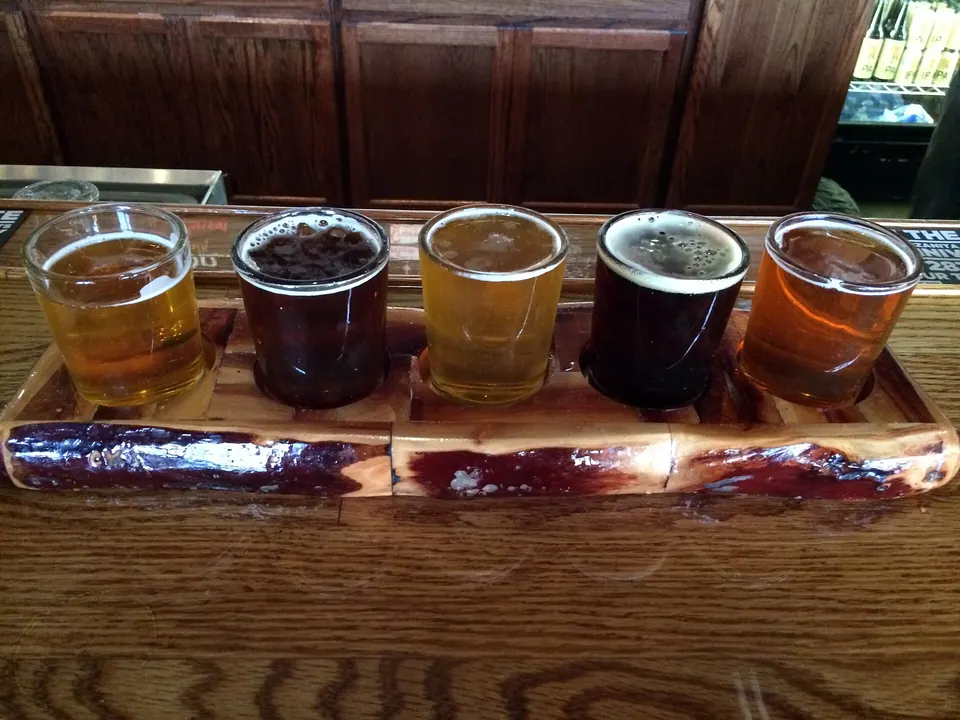
Competitions and club events: yes, at the federal level. TTB allows removal of homebrew for personal or family use, including organized affairs, exhibitions and competitions, and 24.75 allows home wine to go to contests, tastings and judgings. State rules on transport still apply. More in homebrew clubs and competitions.
Gifts: giving homebrew to adult friends and family generally fits “personal or family use”, but check your state, and never give it to anyone under 21.
Sharing, events and shipping
Most of the practical legal questions come up when homebrew leaves the house. A few patterns help you ask the right question of your state agency:
- Club meetings and homebrew festivals. Federally these fit “organized affairs” and exhibitions. Some states set conditions, such as no admission charge tied to the beer, a permit for the venue, or limits on where it is poured. Organizers usually handle this, so ask them.
- Competitions. Entering is a federally allowed removal. Entries are often delivered by hand to drop-off points at homebrew shops; if you ship, follow the competition’s shipping instructions and the carrier’s alcohol policy, which may be stricter than the law.
- Gifts and parties at home. Sharing with adult guests is the core of “personal or family use”. Charging for drinks, even “donations”, turns it into a sale.
- Workplaces, parks and public spaces. Open-container and venue rules apply to homebrew exactly as they do to store-bought beer.
Gift buyers can find kits and gear for brewers 21 and over in the gifts hub, and first-time brewers start at your first brew day.
Distilling is different
The federal exemption covers beer and wine. There is no equivalent for spirits. TTB states that federal law strictly prohibits individuals from producing distilled spirits at home, that offenses such as operating an unregistered still or distilling without a permit can be felonies, and that unregistered stills can be seized. That is why this site never covers stills, spirit kits or any method of concentrating alcohol.
Kombucha, cider, mead and seltzer
- Cider and mead are treated as wine, so 27 CFR 24.75 applies. See hard cider and mead.
- Kombucha can contain alcohol. Virginia Tech Extension notes kombucha over 0.5% ABV is regulated as an alcoholic beverage. Homemade kombucha is untested; see kombucha safety.
- Hard seltzer made at home should be treated like any other homebrew: personal use, household limits, no sales.
Common misunderstandings
- “The limit is 100 gallons per person.” It is per household: 100 with one adult, 200 with two or more.
- “I can sell a little to cover costs.” No sales of any kind.
- “Federal law says it is legal, so my town can’t restrict it.” The federal rules require compliance with state and local law.
- “18-year-olds can brew.” Where state law sets 21 as the purchase age, 21 applies; in practice, that is everywhere in the US.
- “A small still for personal use is fine.” It is not; TTB prohibits home distilling without a permit.
Gear picks for this guide: best beer making kits for beginners and best gifts for home brewers (21+).
ABV calculatorWork out ABV from OG and FG with the standard and high-gravity formulas, hydrometer temperature correction,…Printable brew-day log and recipe sheetFree brew-day log: record recipe, water and salts, mash, gravities, yeast, fermentation temperatures,…Questions
Is homebrewing legal in all 50 states?
How much beer can I legally brew at home?
Can I sell my homebrew?
Can I take homebrew to a competition?
Is home distilling legal?
Do I need a permit to homebrew?
Is this legal advice?
Sources
- 26 U.S.C. 5053 (Cornell LII)
- 27 CFR 25.205: Production of beer for personal or family use (Cornell LII)
- 27 CFR 24.75: Wine for personal or family use (Cornell LII)
- TTB: Beer FAQs
- TTB: Penalties for illegal distilling
- AHA: Homebrewing statutes by state
- Virginia Tech Extension FST-297: Kombucha brewing under the FDA Food Code
- NIAAA: What is a standard drink?