Kegconnection
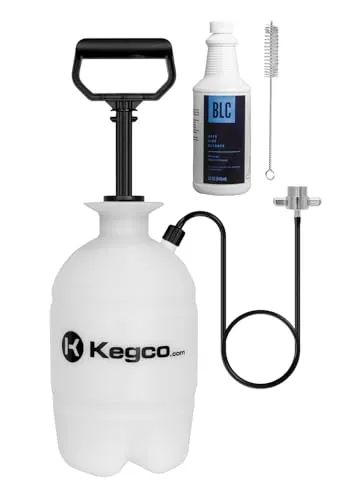
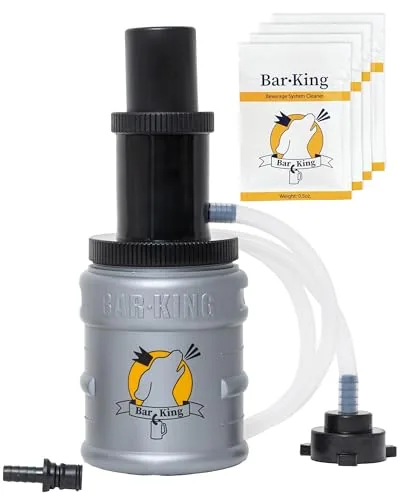
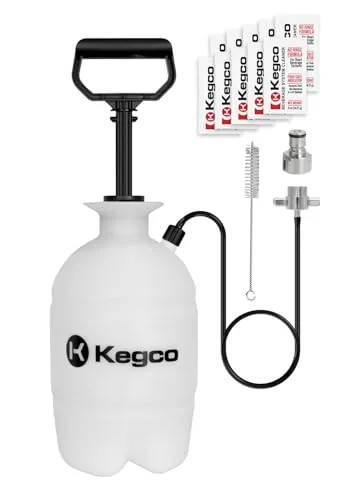
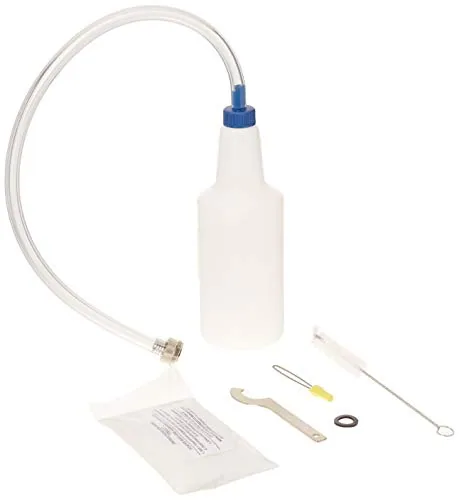
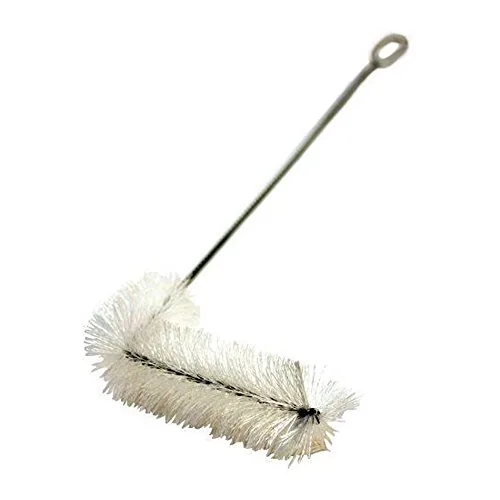
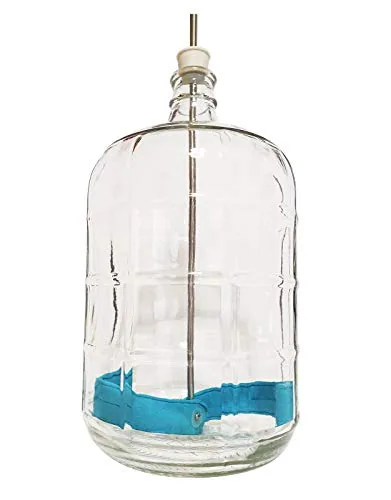
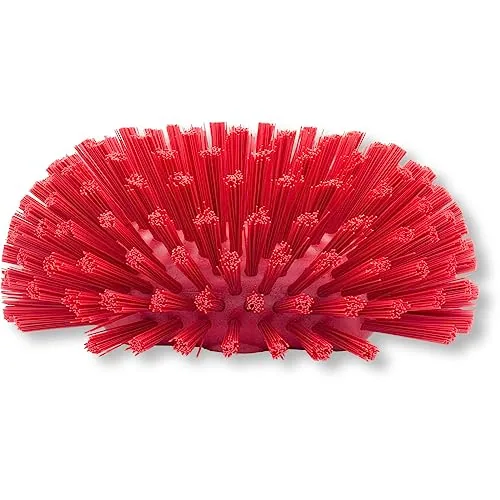
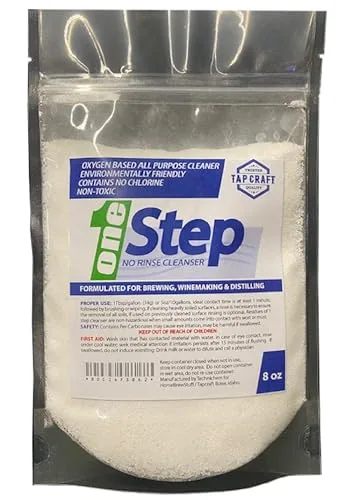
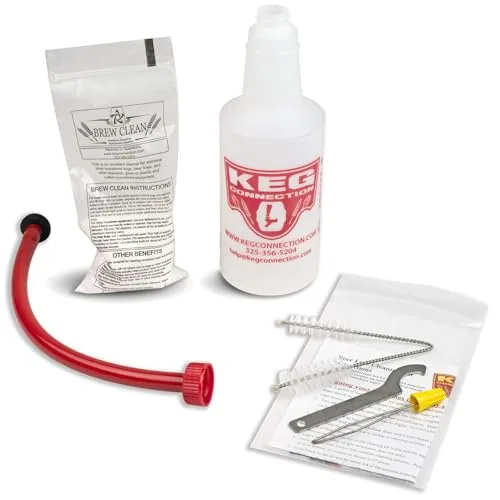
Kegconnection Kegerator Beer Line Cleaning Kit with BrewClean
- Type
- Bottle kit + powder cleaner
- Use
- Cleaning beer lines and faucets
- Size
- 8 oz BrewClean powder
Best for Routine kegerator line cleaning
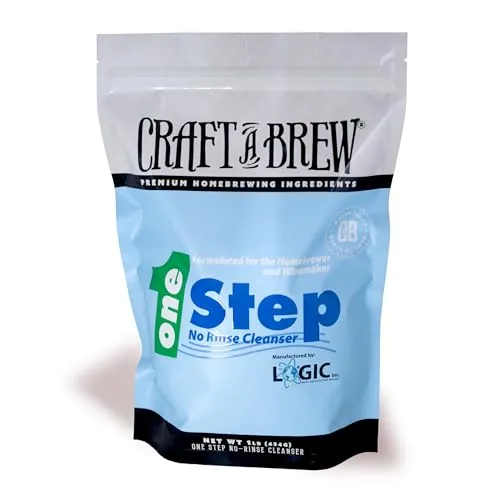
Star San, iodophor, PBW, OneStep, brushes, keg washers and line-cleaning kits: cleaners remove soil, sanitizers kill what is left, each used per its label.
Best for Routine kegerator line cleaning
Best for Sanitizing everything that touches cooled wort
Best for Frequent brewers and kegging setups
Best for A first small batch
Best for Brewers who want a low-foam sanitizer
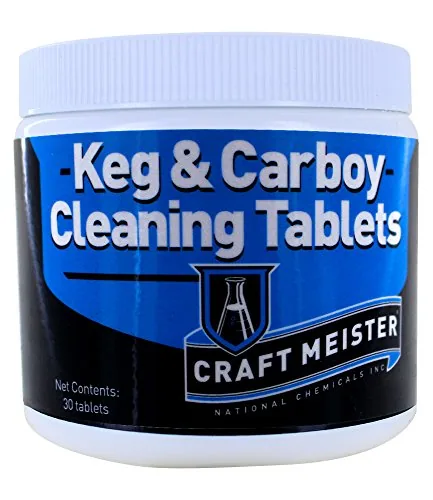
Best for Cleaning kegs and carboys
Best for Line cleaning
Best for Soaking dirty fermenters and kettles
Best for Refilling a starter kit
Best for Craft A Brew kit owners
Best for Scrubbing krausen rings and labels
Best for An alternative to PBW
Best for Kegerator line cleaning
Best for Seeing when lines are full of cleaner
Best for Commercial-coupler kegerators
Best for Rinsing a case of bottles fast
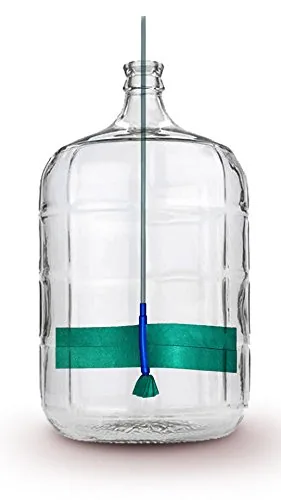
Best for Glass carboy cleaning
Best for Cleaning carboys without hand scrubbing
Best for Homebrew kegerators with ball lock lines
Best for Keg-washer and pump-recirculation cleaning
Best for Soaking kegs and carboys
Best for Cleaning growlers and bottles without measuring
Best for Kegerators with Sanke couplers
Best for Line cleaning
Best for Basic line cleaning
Best for Topping up line cleaner
Best for Regular line cleaning
Best for Multi-tap D-system setups
Best for Recirculating systems where foam is a problem
Best for One or two small batches
Best for Glass carboys and bottles
Best for Regular brewers buying in bulk
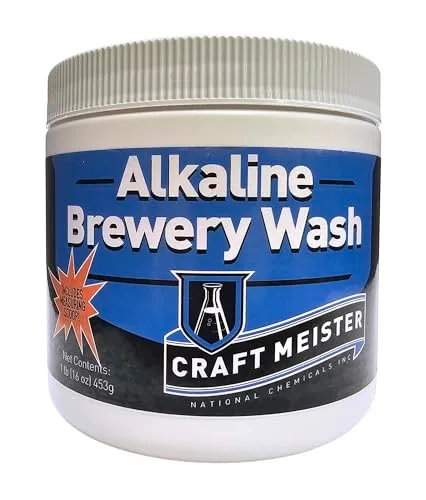
Best for General brewery cleaning
Best for Occasional line cleaning
Best for Different carboy sizes
Best for 5-gallon carboys
Best for Glass carboy owners
Best for Standard carboys
Best for Scratch-free carboy cleaning
Best for Scrubbing large kettles
Best for Stocking up on cleaner
Best for Kegerator line maintenance
Best for Bulk equipment and bottle cleaning
Best for A trial-size line cleaner
No product matches every filter. Clear one to see more.
Cleaning and sanitizing are two jobs. A cleaner such as PBW or OneStep removes soil, krausen rings and beer stone; a sanitizer such as Star San or iodophor reduces the microbes left on an already clean surface. Sanitizer cannot work through dirt, so clean first, rinse, then sanitize whatever touches cooled wort or beer.
What the label says each product is
| Product | Label use | Rinse? |
|---|---|---|
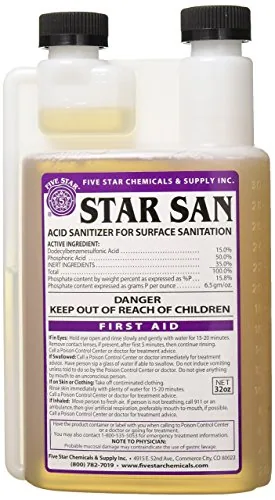
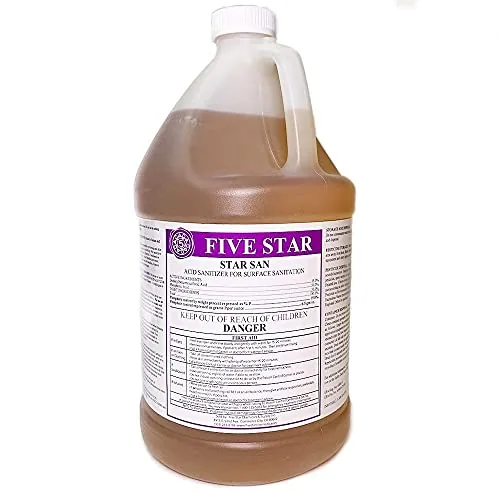
| Five Star Star San | Sanitizer, EPA Reg. No. 65001-1 | ✓ No-rinse at label dilution |
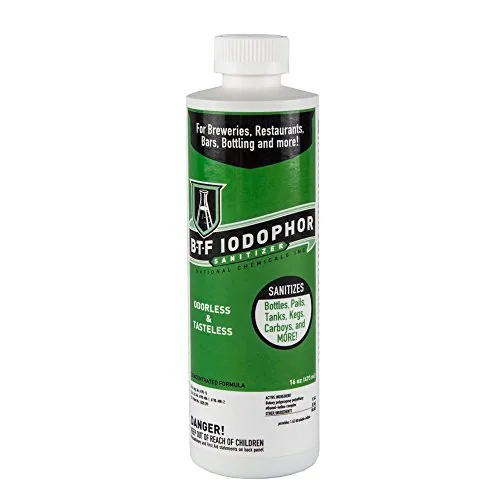
| National Chemicals BTF Iodophor | Sanitizer | ✓ No-rinse, low-foam per label |
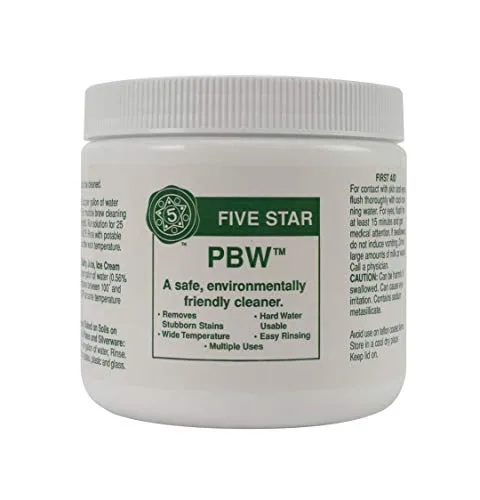
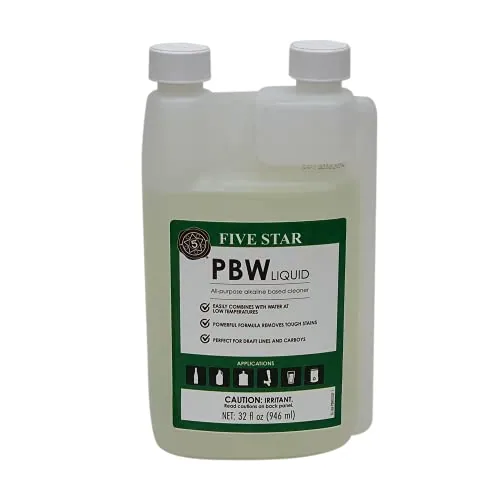
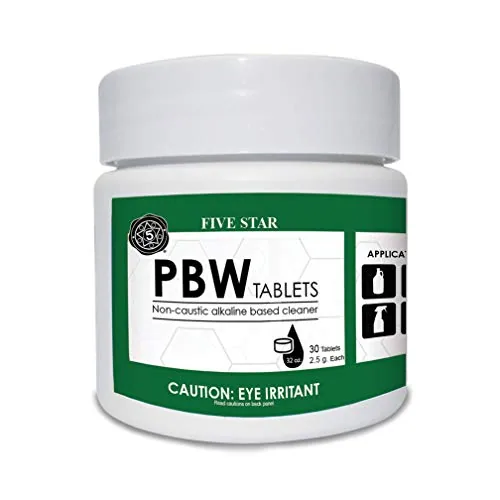
| Five Star PBW | Cleaner (not a sanitizer) | ✗ Rinse |
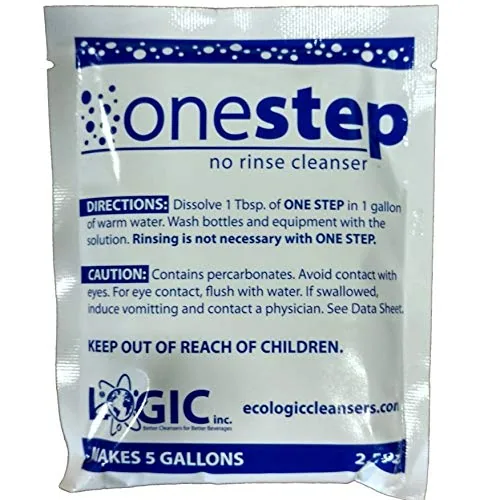
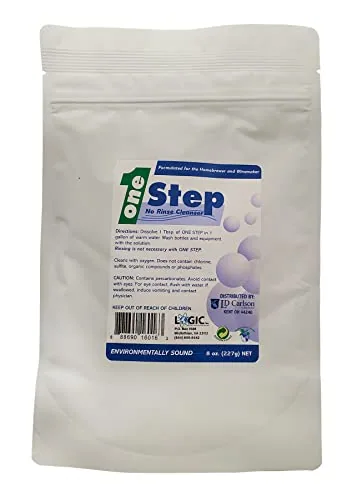
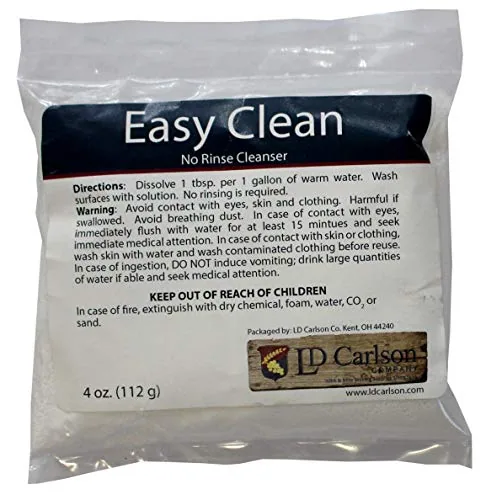
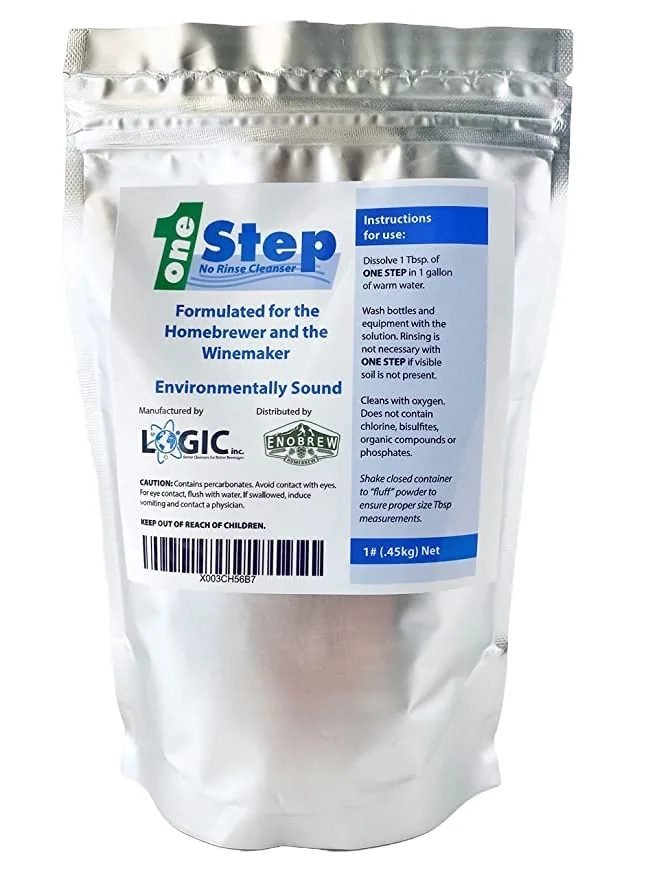
| Logic OneStep | No-rinse cleanser | ~ Cleaner; sanitize separately |
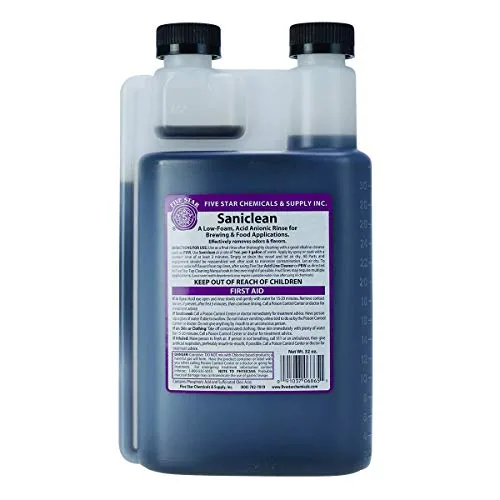
| Five Star Saniclean | Acid final rinse | ~ Per label |
Source: Product labels and EPA PPLS
Best for Sanitizing everything that touches cooled wort
Best for Brewers who want a low-foam sanitizer
Best for Soaking dirty fermenters and kettles
Best for A first small batch
Best for General brewery cleaning
Best for Scrubbing krausen rings and labels
Hot water on the fermenter, kettle or keg as soon as it is empty saves most of the scrubbing.
Soak in a cleaner mixed per its label, then use a soft brush or cloth. Avoid scratching plastic.
Rinse cleaner residue with clean water.
Mix the sanitizer at its label dilution and respect its contact time. Star San foam left behind at label dilution does not need rinsing.
Best for Cleaning kegs and carboys
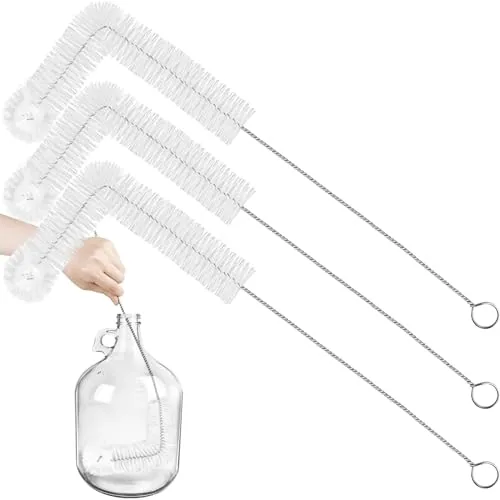
Best for Glass carboy cleaning
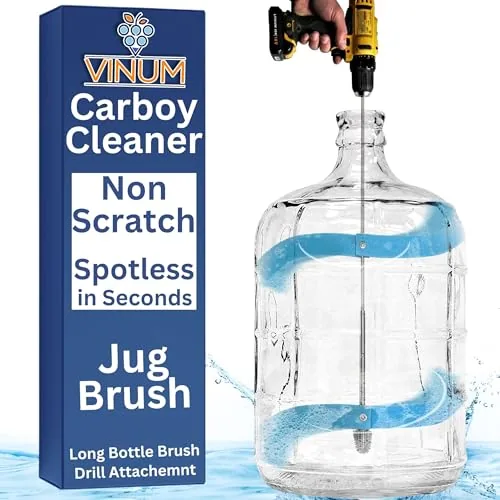
Best for Cleaning carboys without hand scrubbing
Best for Rinsing a case of bottles fast
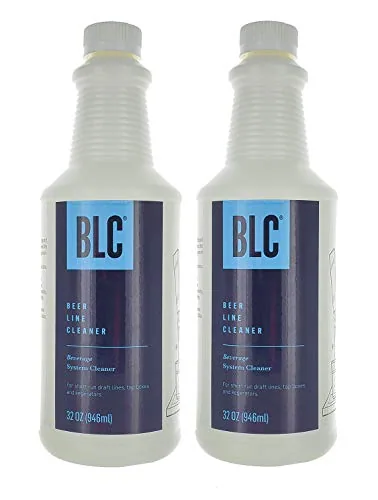
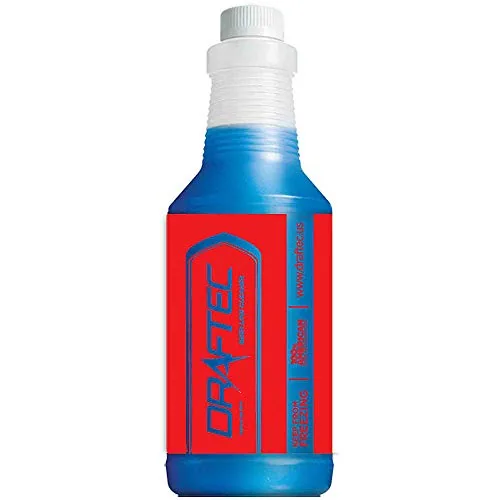
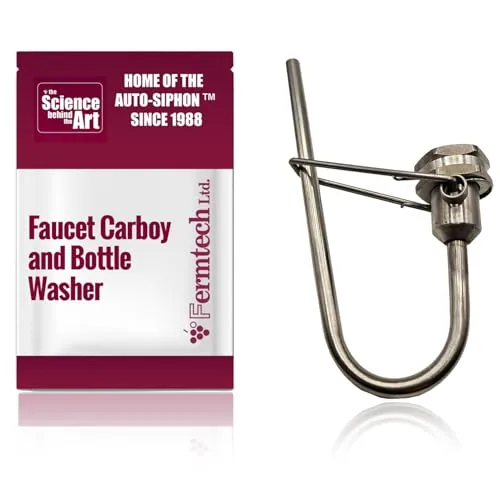
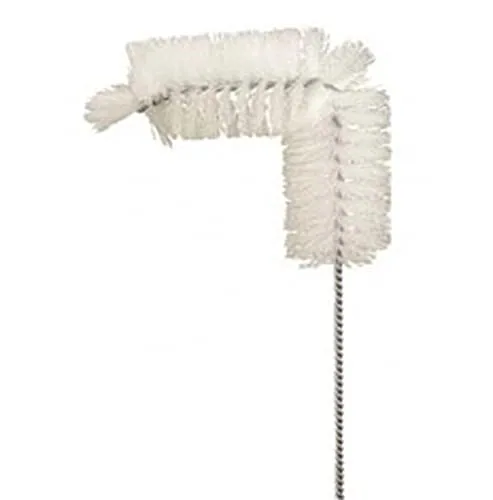
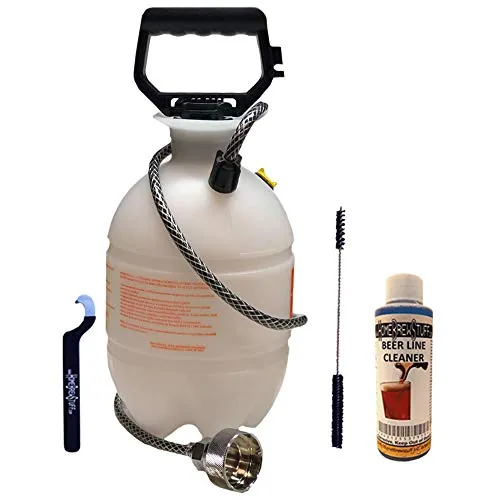
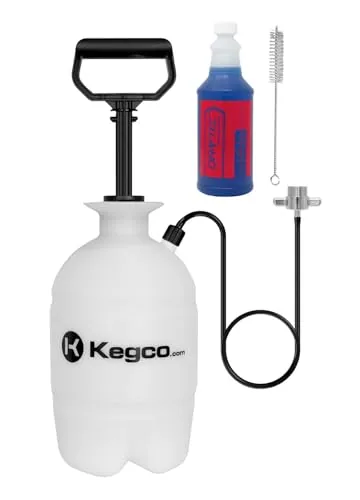
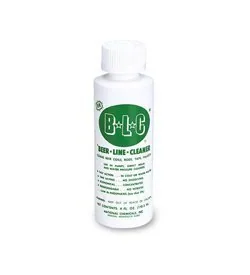
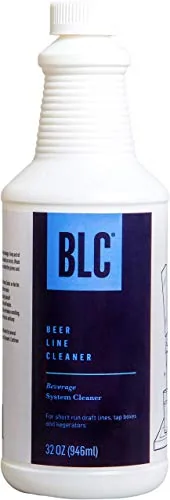
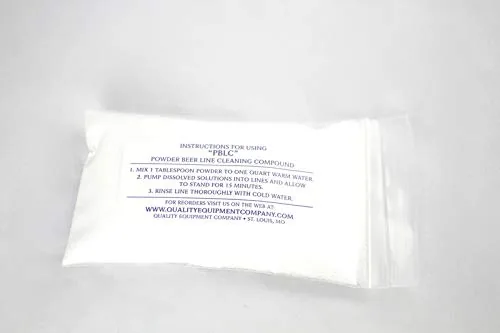
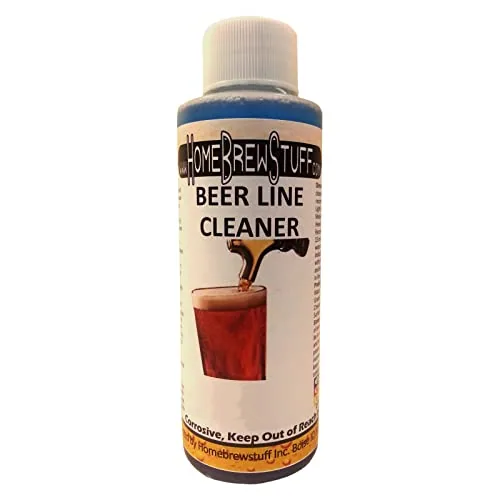
Beer lines build up film that hurts flavor. Run a dedicated line cleaner through the lines and faucet on a regular schedule with a hand-pump or recirculating kit, then flush with water. Wear eye protection with alkaline line cleaners and keep all chemicals away from children and food prep.
Best for Routine kegerator line cleaning
Best for Line cleaning
Best for Line cleaning
Best for Kegerator line cleaning
Moving to kegs? The kegging switch hub covers the rest of the routine.
 Best of
The best beer faucet for a kegerator or keezer: Perlick, Intertap, Nukatap and more compared by forward sealing, flow…
Best ofThe best brewing sanitizer and cleaner picks: Star San, iodophor, PBW, OneStep and more, compared by label dose, rinse…
 Guide
Cleaning vs sanitizing brewing gear: why you need both, which products do which job (PBW, OneStep, Star San,…
 Guide
How to keg homebrew: clean and purge a corny keg, transfer without oxygen, force carbonate by the PSI chart,…
 Guide
Beer off-flavors explained: diacetyl, DMS, acetaldehyde, oxidation, phenols, fusels, astringency and sourness, with…
 Guide
Draft line cleaning for home kegerators: the two-week caustic and quarterly acid schedule, a hand-pump method, rinse…