Craft A Brew
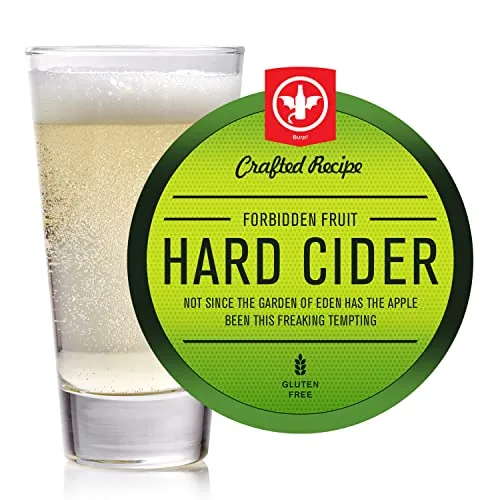
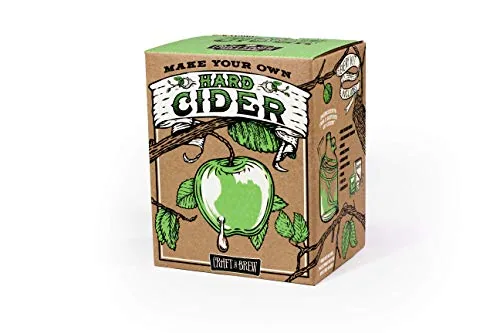
Craft A Brew Hard Cider Kit, 1 gal
- Batch size
- 1 gal
- Type
- Equipment + ingredient kit
- Includes
- Equipment and supplies
Best for A first hard cider
1-gallon kits, juice-to-cider, honey wine and kombucha. Most of it needs no beer gear, just a fermenter, an airlock and patience. For adults 21+.
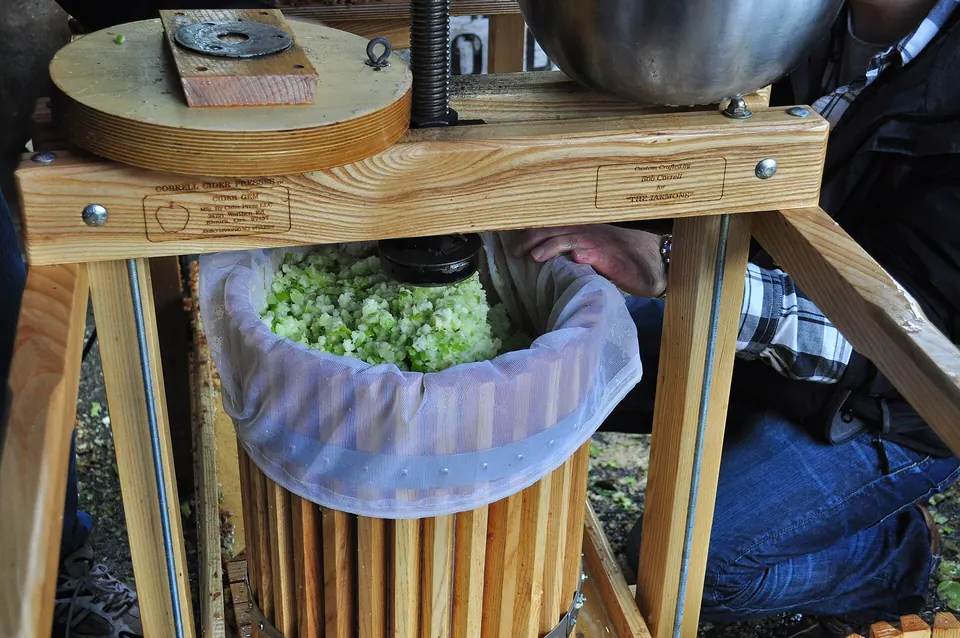
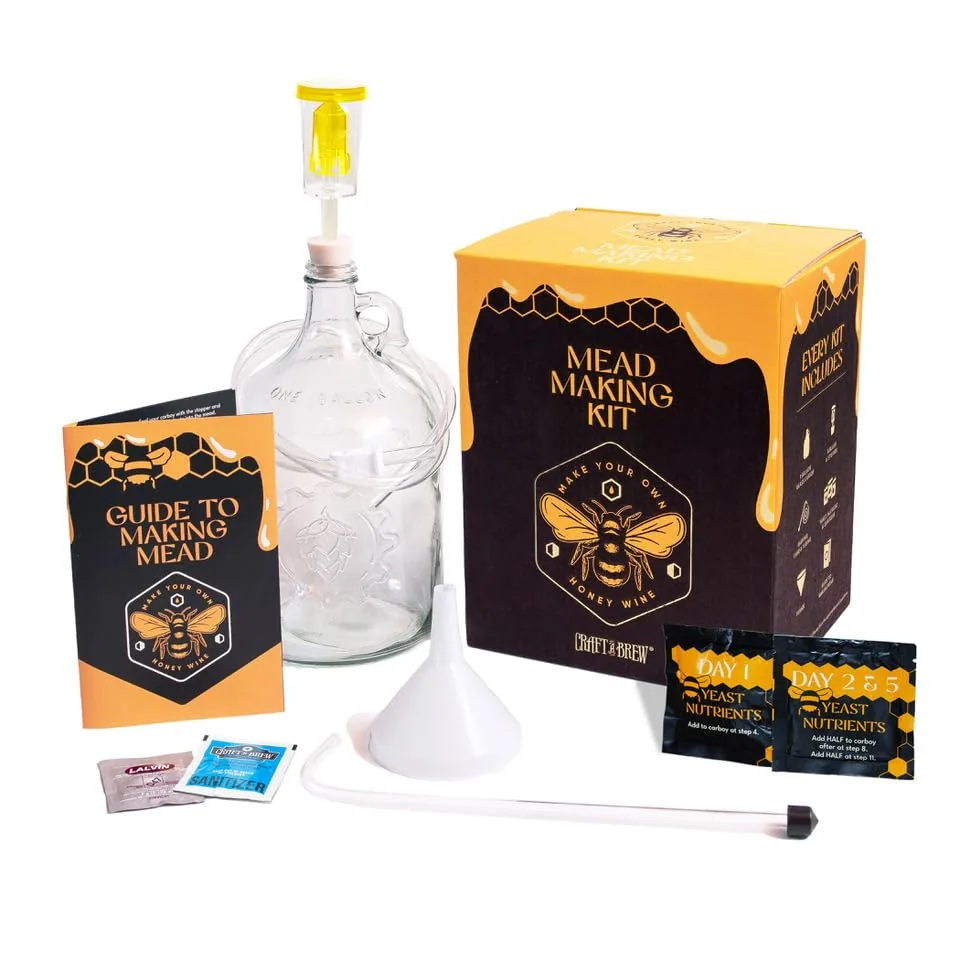
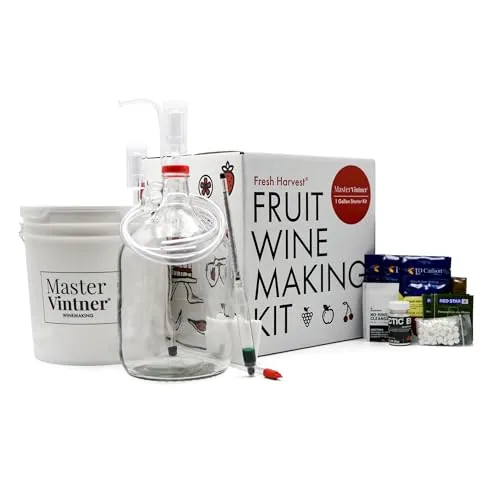
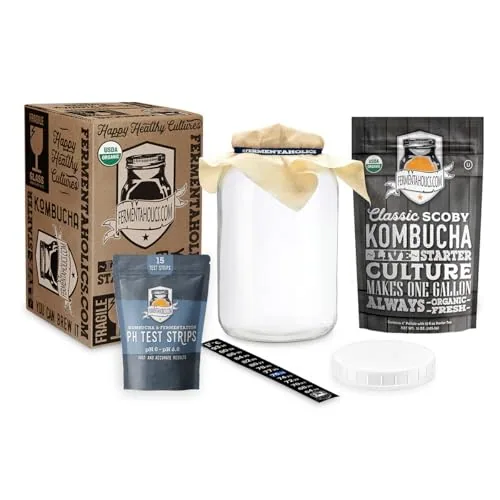
If beer brewing feels like a lot of gear, start with hard cider: preservative-free apple juice, a packet of cider or wine yeast and a 1-gallon jug with an airlock. Mead is honey, water, yeast and nutrient with a longer wait. Wine kits give you a juice base and every additive in order. Kombucha is the outlier: it ferments tea and sugar with a SCOBY and needs pH checks.
| Drink | Base | Typical first batch | Watch for |
|---|---|---|---|
| Hard cider | Apple juice | 1 gal kit or juice jug | ~ Juice must be preservative-free |
| Mead | Honey + water | 1 gal kit (add honey) | ~ Needs nutrient and time |
| Wine | Juice or concentrate kit | 1 gal or 6 gal kit | ~ Sulfites in most kits |
| Kombucha | Tea + sugar + SCOBY | 1 gal glass jar | ✗ No ceramic; pH 4.2 or lower |
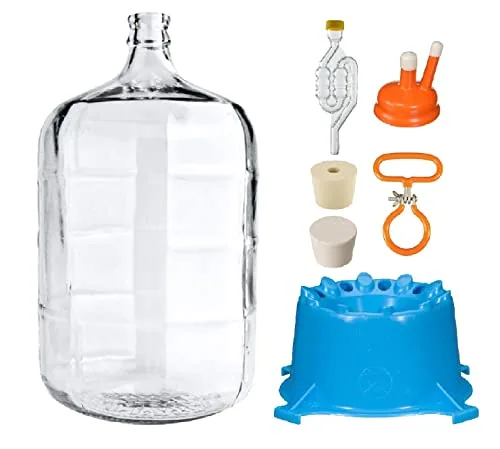
Best for A first hard cider
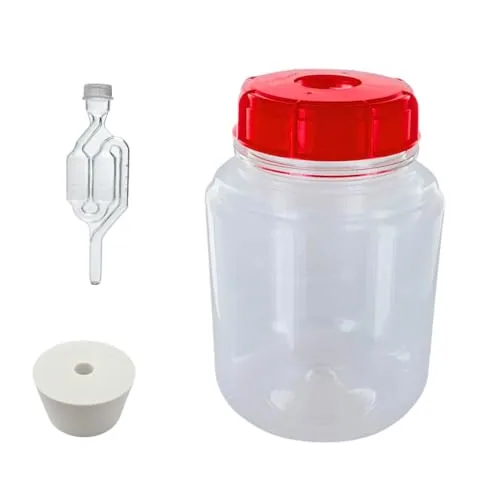
Best for A first mead
Best for Fruit wine from the garden
Best for 1-gallon cider, mead or wine
Best for BrewDemon fermenter owners
Best for Kombucha on a budget
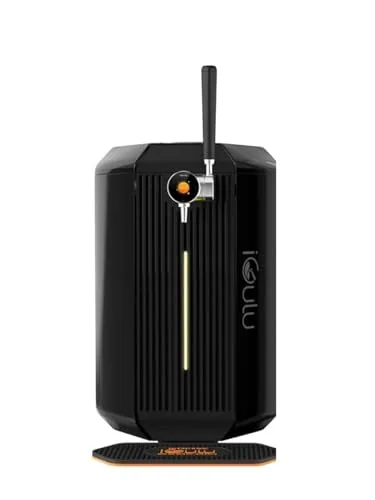
Best for Hands-off brewing in an apartment
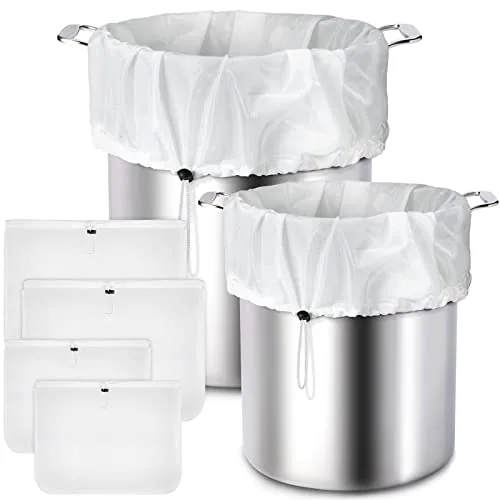
Best for Straining fruit or grain
Best for Wine kits and big beers
Best for Small-batch fermenting
Best for Fruit beers, cider and wine
Best for Durable glass alternative
Best for Secondary or wine aging
Best for Wine and mead aging
Best for 1-gallon wine, mead or beer
Best for Small-batch beer, wine or cider
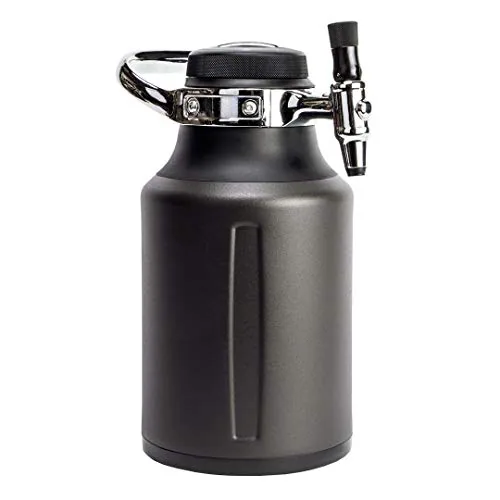
Best for Portable gift for brewers 21+
Best for Carbonating single bottles
Best for Capper-free bottling
Best for Gift-ready homebrew bottles
Best for Kombucha second ferment
Best for 1-gallon batches
Best for Bottling without a capper
Best for Racking plus bottling in one kit
Best for Sharing a half gallon
Best for Budget swing-tops
Best for Quick wort gravity checks on brew day
Best for Kombucha and wine pH checks
Best for Wine and cider pH checks
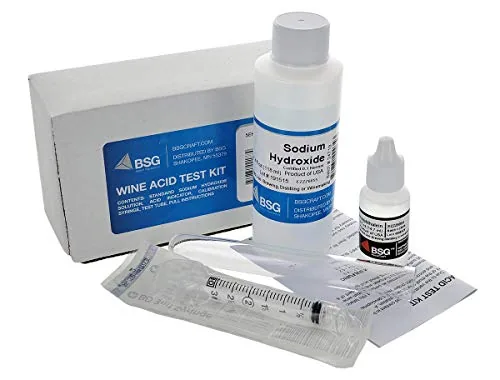
Best for Checking must acidity
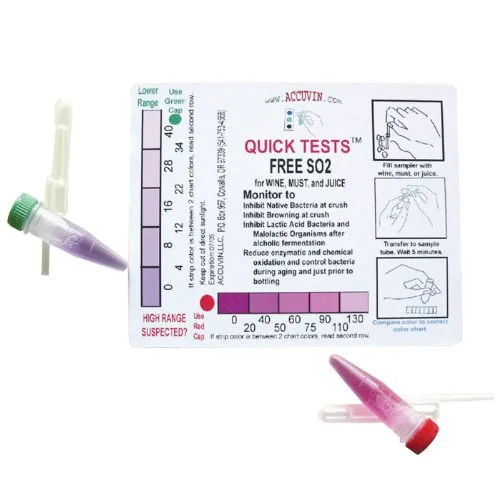
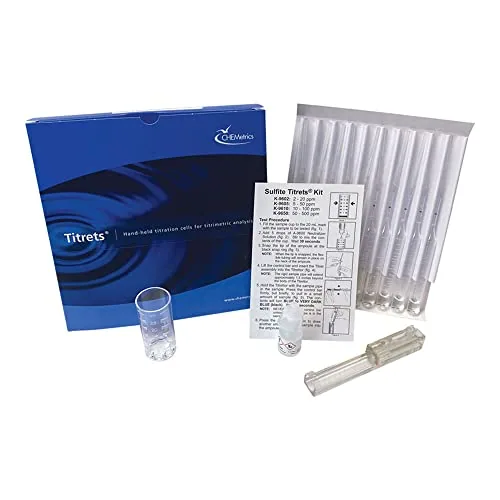
Best for Tracking sulfite levels
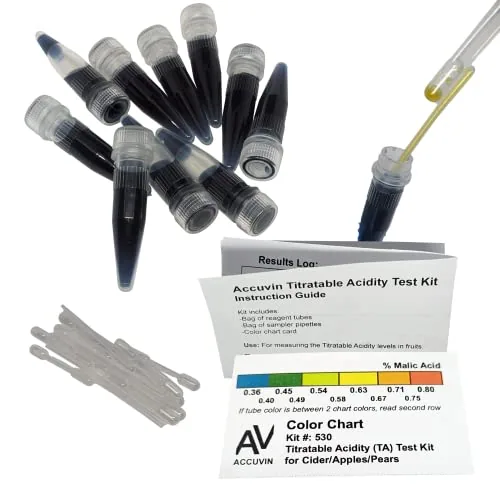
Best for Balancing cider acidity
Best for Vinmetrica owners
Best for Free SO2 checks
Best for Dry wines, ciders and meads
Best for Staggered nutrient additions for mead
Best for Fruit wines from juice
Best for 1-gallon meads and seltzers
Best for Clean hard seltzer
Best for Wine and cider fermentations
Best for Stuck wine or mead fermentations
Best for Fruit wines and meads
Best for Clearing wine and cider fast
Best for 1-gallon fruit batches
Best for Brightening ciders and meads
Best for Fruit wine and cider
Best for Adjusting grape wine acidity
Best for Fruit wine acidity
Best for Low-acid ciders
Best for 1-gallon wine and cider batches
Best for Hard cider batches
Best for Hard cider from juice
Best for Dry and semi-sweet meads
Best for Cider House Select kits
Best for Crisp white wines
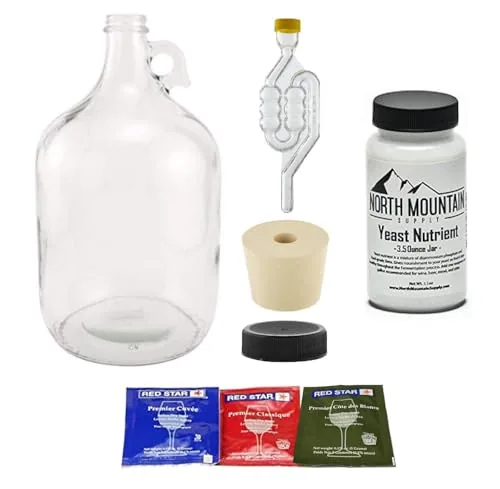
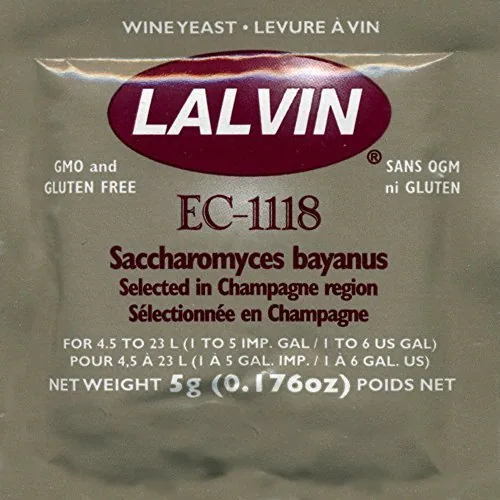
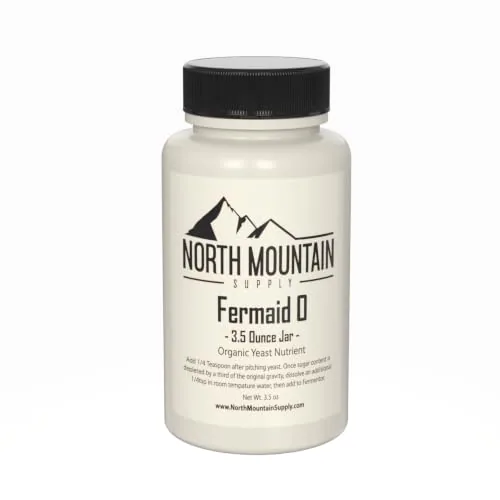
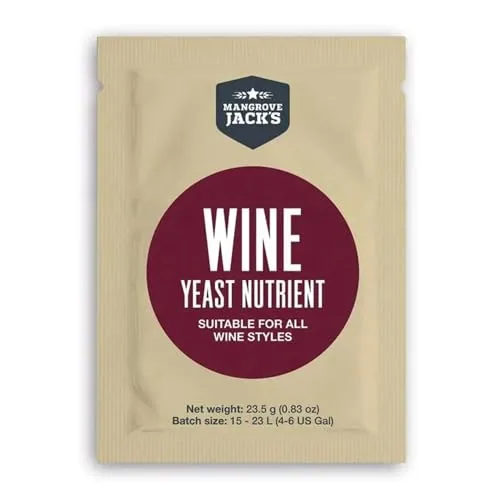
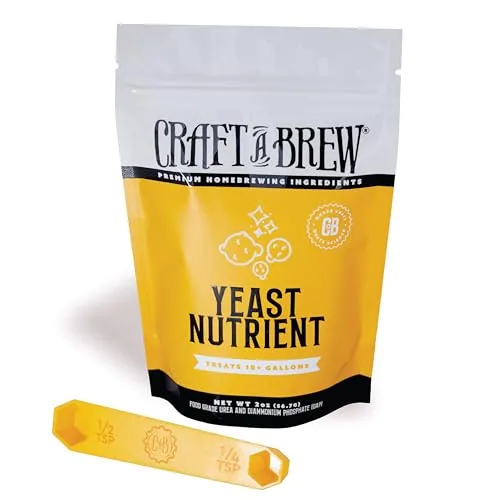
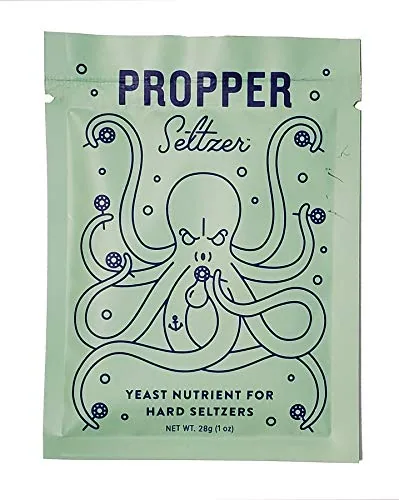
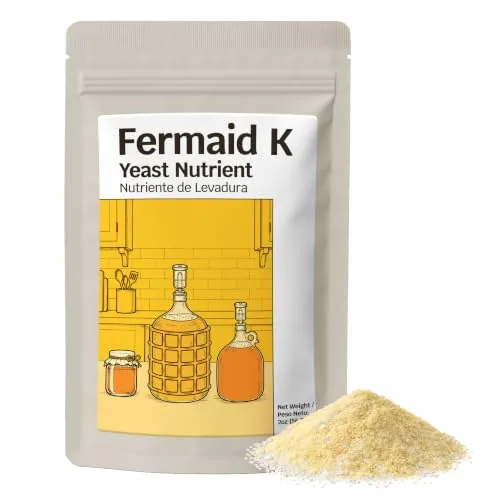
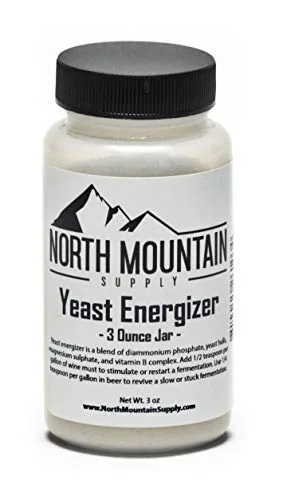
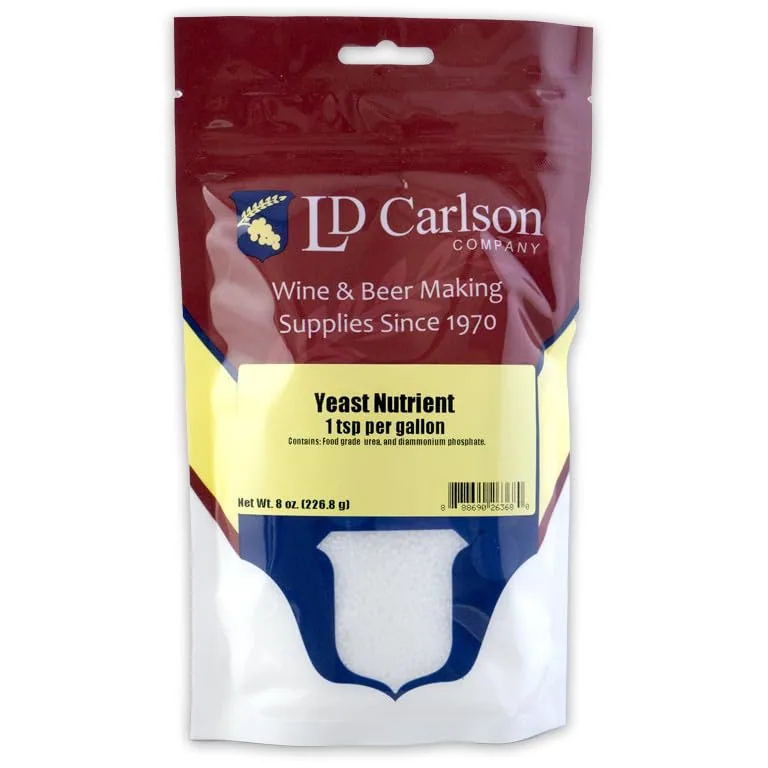
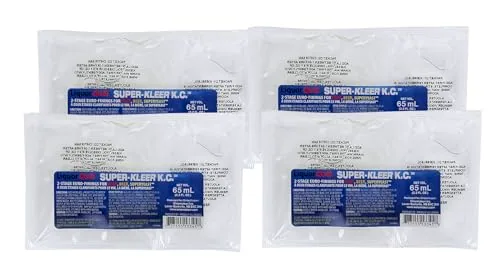
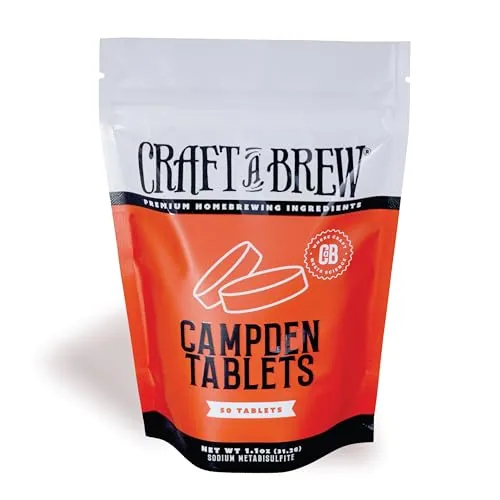
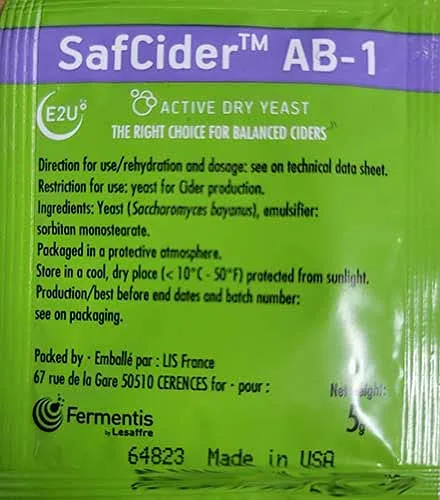
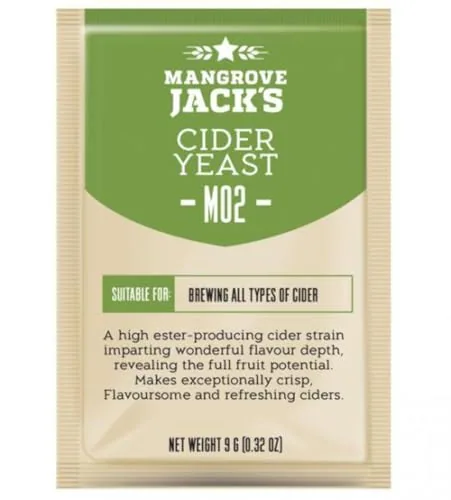
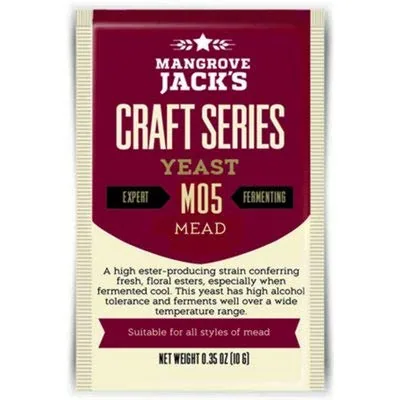
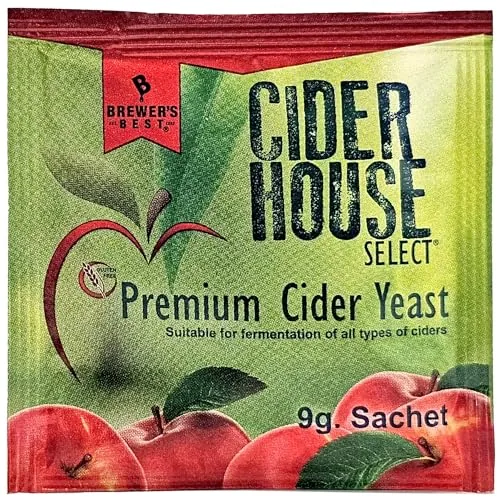
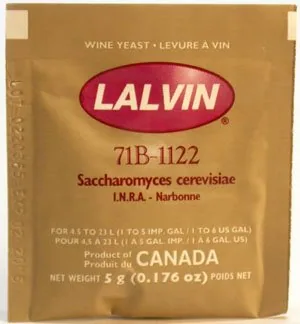
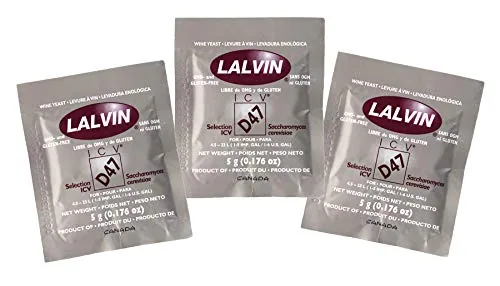
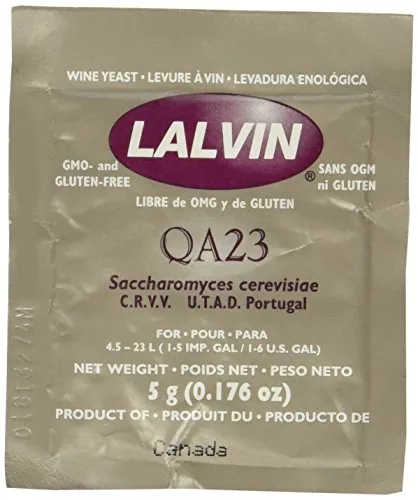
Champagne-type EC-1118 ferments almost anything dry; cider strains like SafCider AB-1 and Mangrove Jack's M02 keep more apple character. Honey and juice are short on nitrogen, so add nutrient per its label. To sweeten a finished cider or wine, stabilize with sulfite and sorbate first.
Best for Dry wines, ciders and meads
Best for Hard cider batches
Best for Hard cider from juice
Best for Dry and semi-sweet meads
Best for Staggered nutrient additions for mead
Best for Sweet wines and ciders
Federal rules treat cider and mead as wine. The household limits and the no-sales rule are the same as for beer. Making spirits is a different matter: it is a federal crime without a permit, and we never cover it.
Quoted from the U.S. Code, the CFR and TTB. Not legal advice: state and local law can be stricter.
Wine, mead and cider are often stronger than beer. Check yours with the ABV calculator, which converts a pour into NIAAA standard drinks.
Related reading: best wine making kits, best hard cider kits, best mead making kits, best kombucha starter kits and best wine yeast.
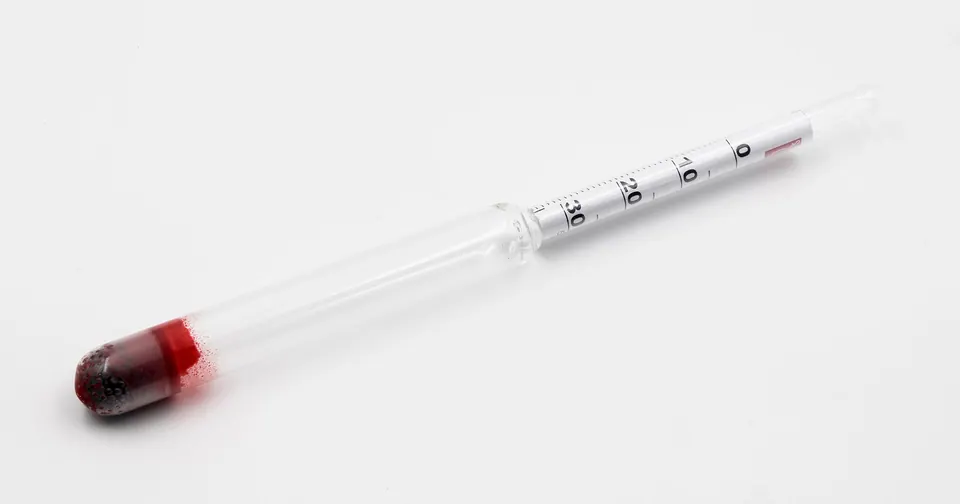 Best of
The best hydrometer for homebrewing: triple-scale glass and polycarbonate hydrometers and test jar kits compared by SG…
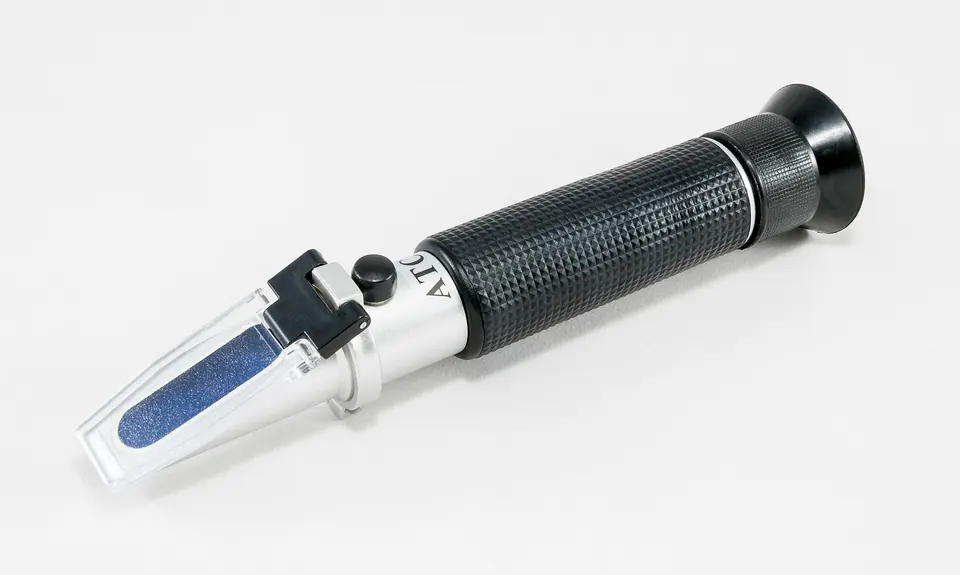 Best of
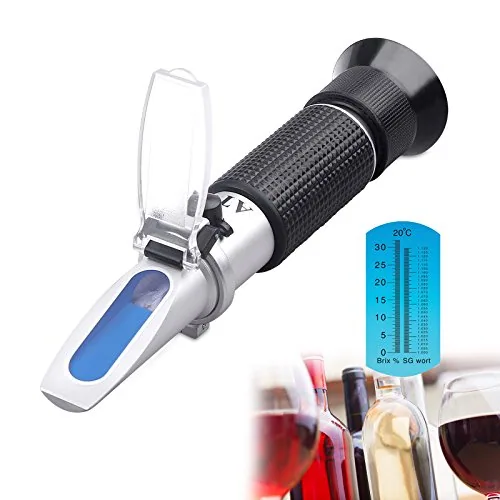
The best refractometer for brewing compared by Brix range, stated accuracy, ATC and alcohol correction, from budget…
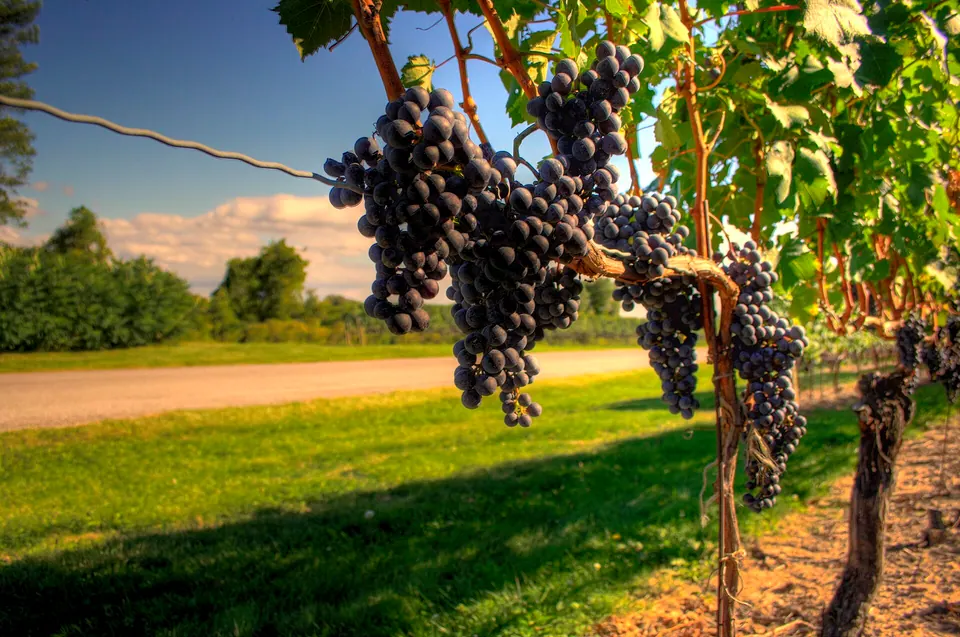 Best of
The best wine yeast compared by maker data: EC-1118, 71B, D-47, RC212, Red Star Premier strains, Uvaferm CEG and mead…
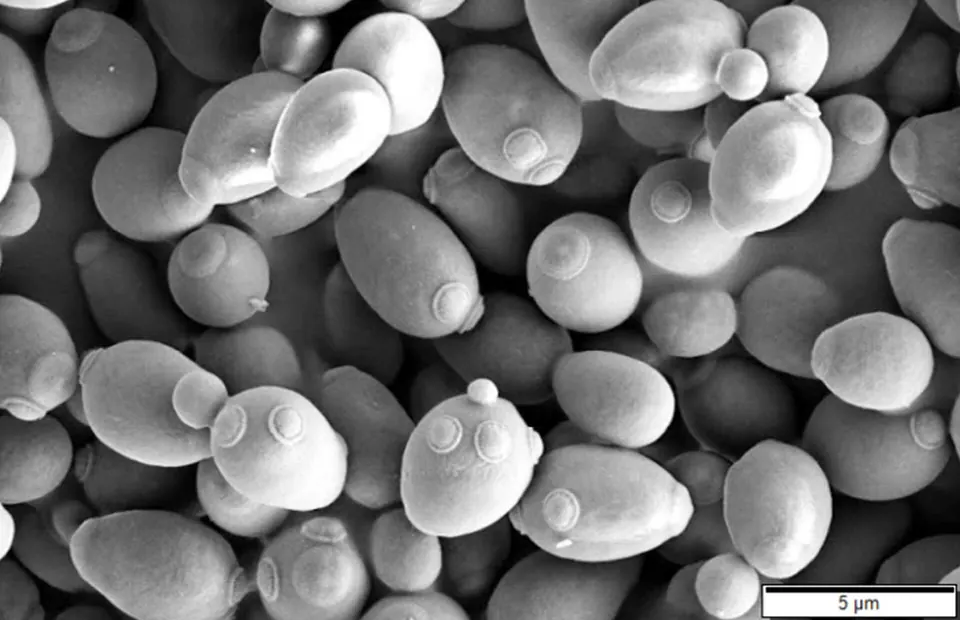 Best of
The best yeast nutrient for mead, wine and beer: Fermaid O, Fermaid K, Go-Ferm, DAP blends, energizers and beer…
 Best of
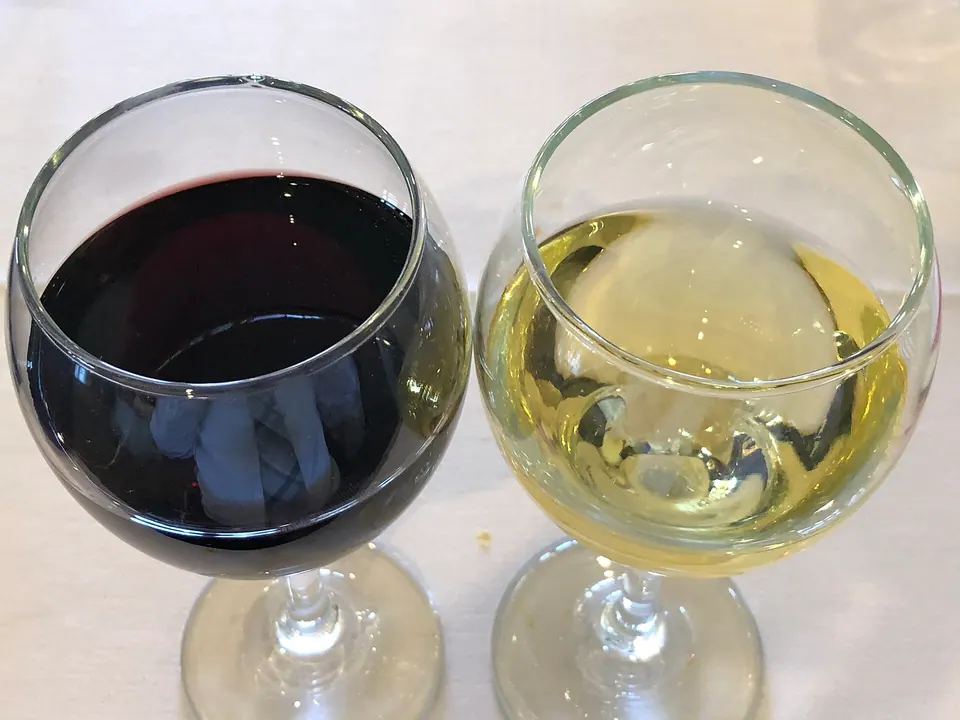
The best wine making kit for home: 6-gallon ingredient kits, equipment sets and 1-gallon kits compared by batch size,…
 Best of
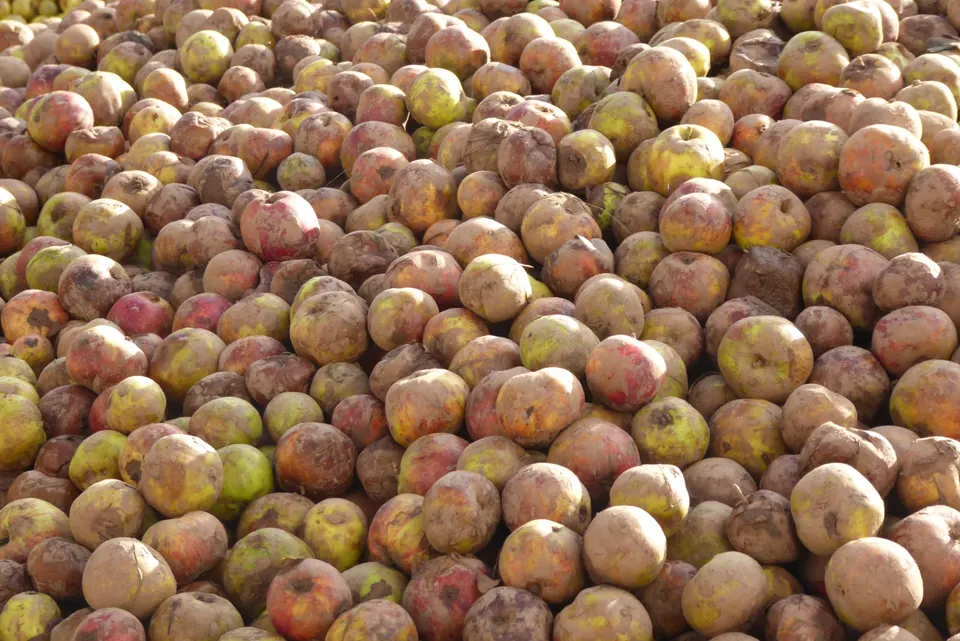
The best hard cider kit for home: 1-gallon juice kits, 2-gallon mixes and 6-gallon concentrate kits compared by size,…