Mr. Beer
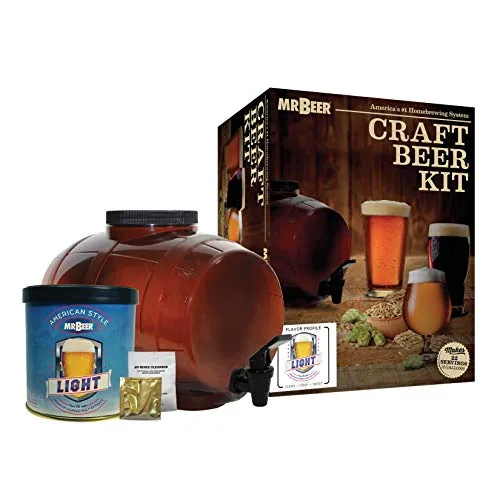
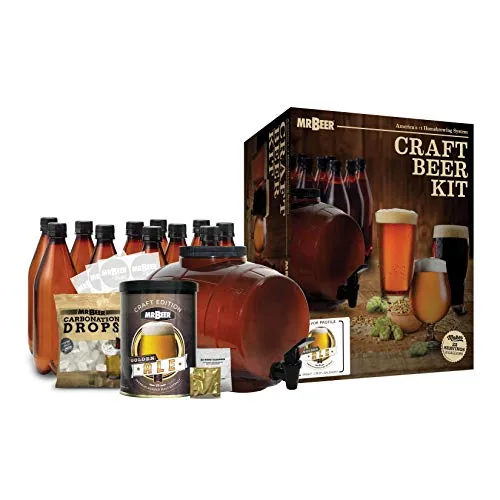
Mr. Beer 2 Gal Complete Beer Making Kit, Golden Ale
- Batch size
- 2 gal
- Type
- Hopped malt extract
- Fermenter
- 2 gal keg fermenter
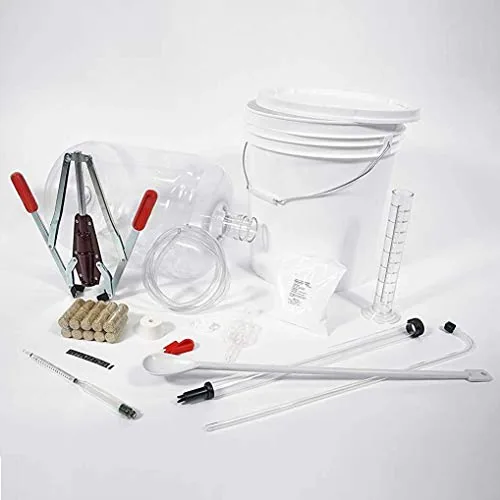
Best for A first batch with almost no extra gear
Extract kits for 1–5 gallons, a step-by-step brew-day timeline and the short list of extras a first batch really needs. For adults 21+.
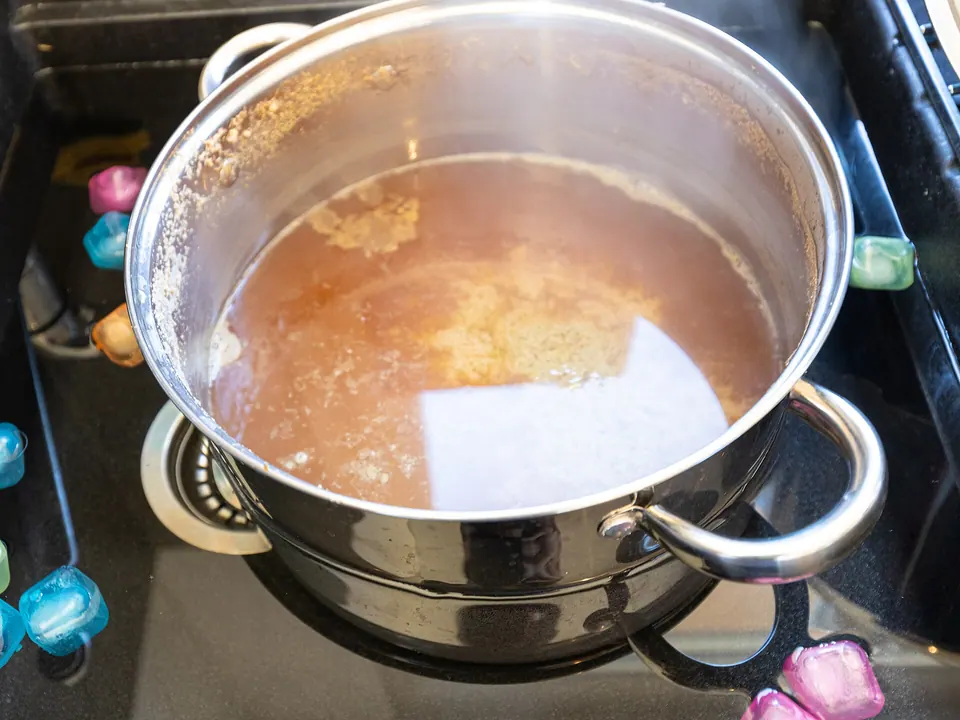
Your first brew day is mostly cleaning, boiling and waiting. With an extract kit, the active part takes about two to three hours (Mr. Beer lists about 30 minutes for its no-boil kit), then the yeast does the work for two weeks or so, and bottles condition for about two more. Pick a kit sized for your kitchen, read its "you still need" line, and set aside an afternoon.
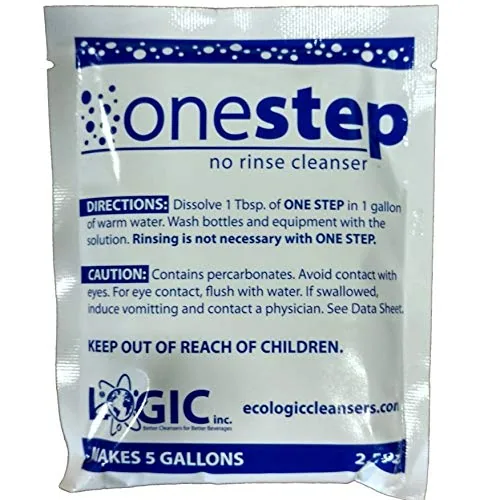
Clean everything, then sanitize what touches cooled wort, per the sanitizer's label.
Follow the kit's timings. Stay at the stove: boil-overs happen fast when the extract goes in.
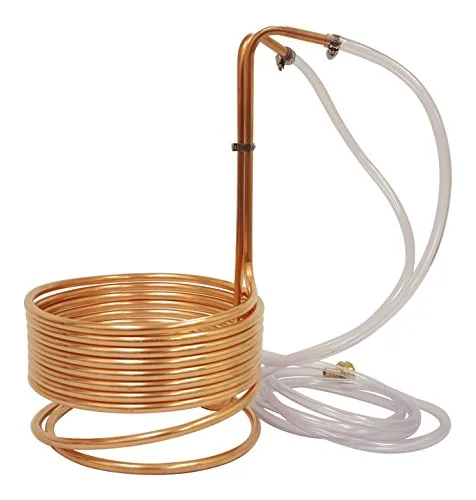
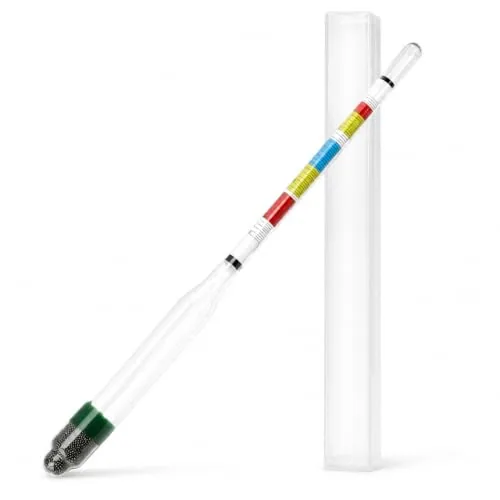
Cool the wort quickly in an ice bath or with an immersion chiller, then top up to volume and take an original gravity reading.
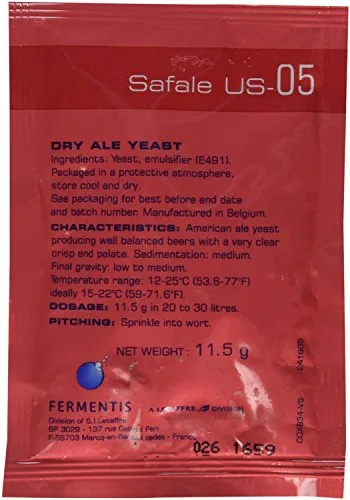
Pitch at the temperature on the yeast packet and keep the fermenter in a steady, cool spot for about two weeks.
When the gravity reads the same 2–3 days in a row, prime and bottle. Let bottles condition at room temperature for about two weeks.
Best for A first batch with almost no extra gear
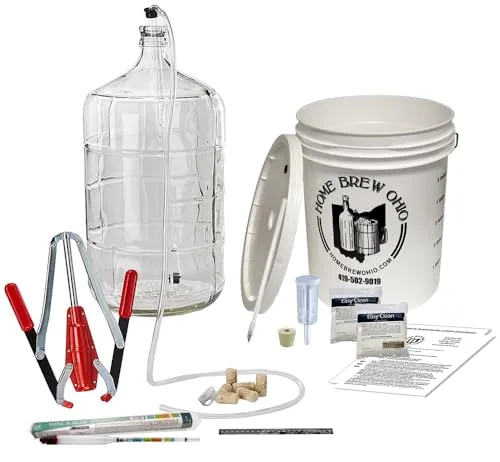
Best for A first 5-gallon extract batch
Best for Apartment-size first batch
Best for Small-batch first brew or gift
Best for Trying homebrew in a small kitchen
Best for First batch without buying a kettle
Best for Small-batch first brew or gift
Best for Small conical starter
Best for Stovetop extract boils
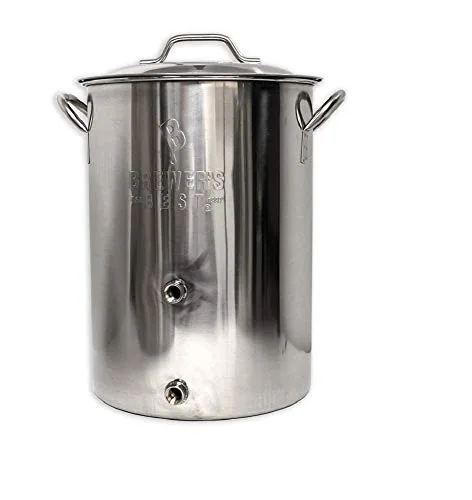
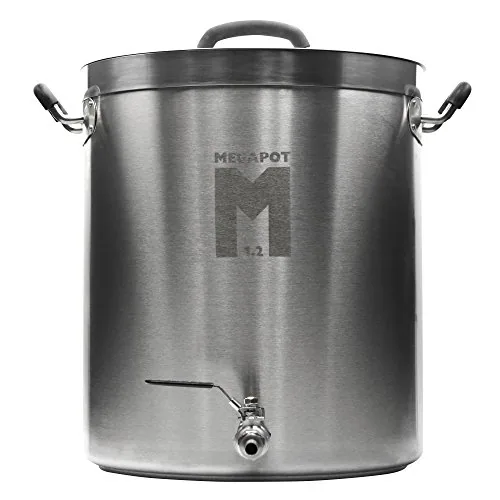
Best for 5-gallon boils
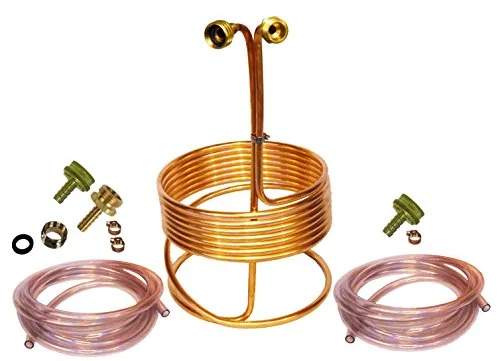
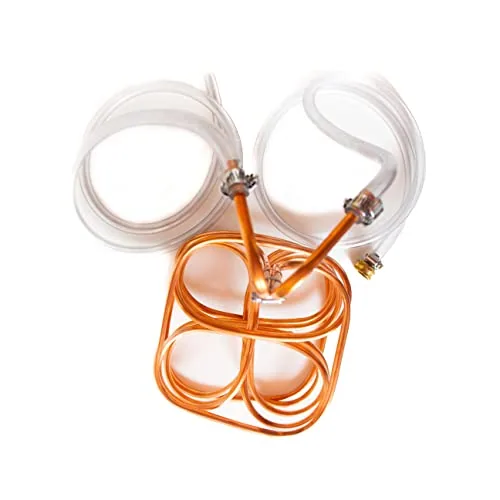
Best for First chiller for 5-gallon batches
Best for Chilling at a kitchen sink
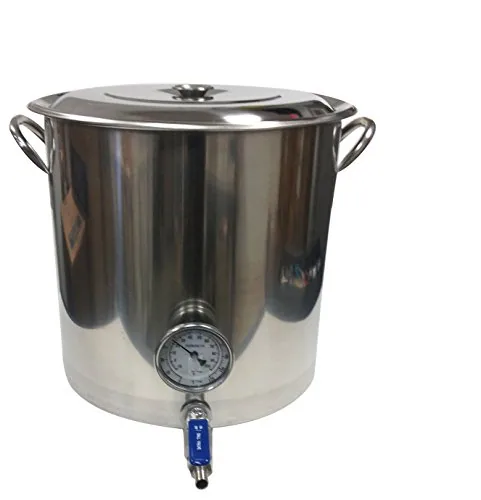
Best for Budget 5-gallon kettle
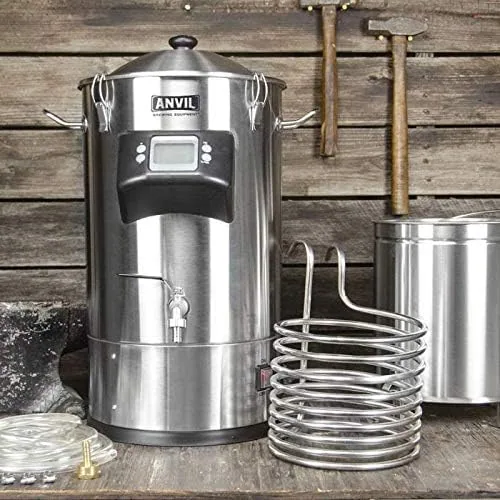
Best for 2.5–3 gallon all-grain batches
Best for Small-batch and stovetop chilling
Best for Full 5-gallon boils
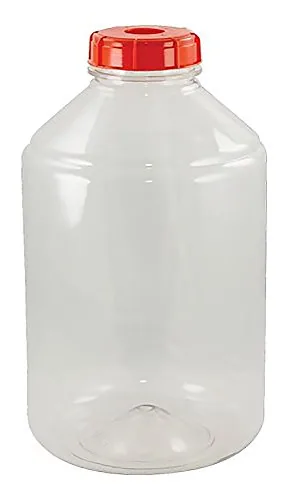
Best for Unbreakable carboy alternative
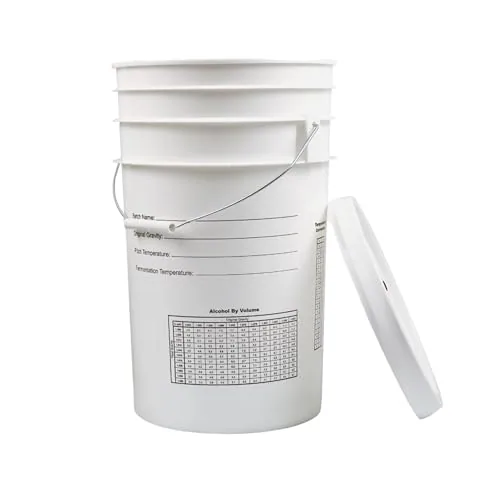
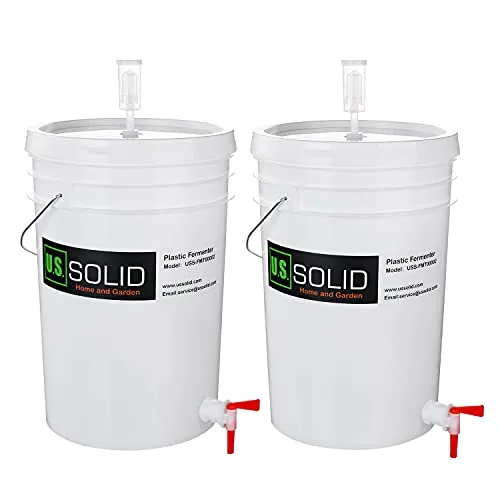
Best for Basic 5-gallon primary
Best for Running two batches
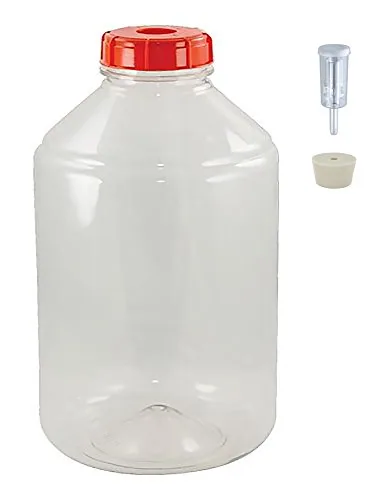
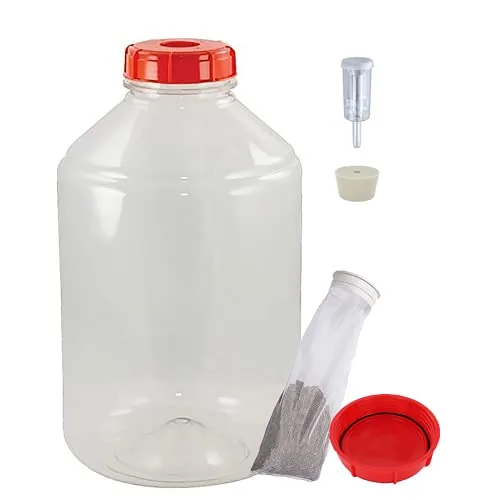
Best for Ready-to-use PET fermenter
Best for Durable glass alternative
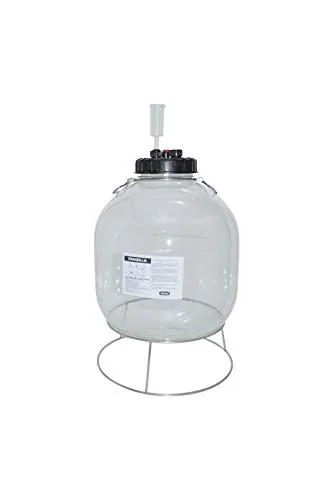
Best for Affordable pressure fermenting
Best for Fruit beers, cider and wine
Best for 5-gallon primary fermentation
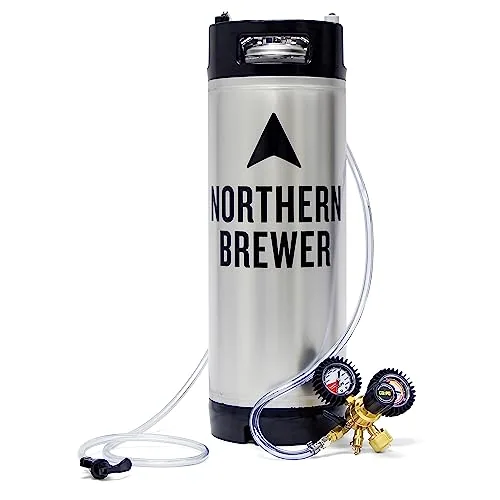
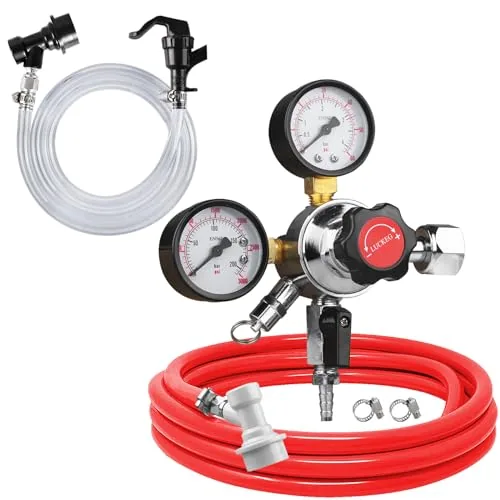
Best for First step into kegging
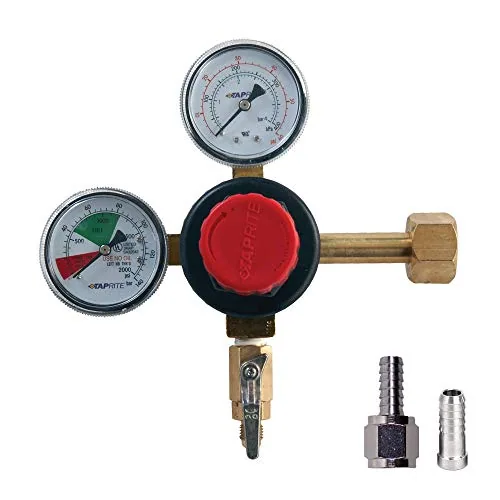
Best for First kegging regulator
Best for Budget start in kegging
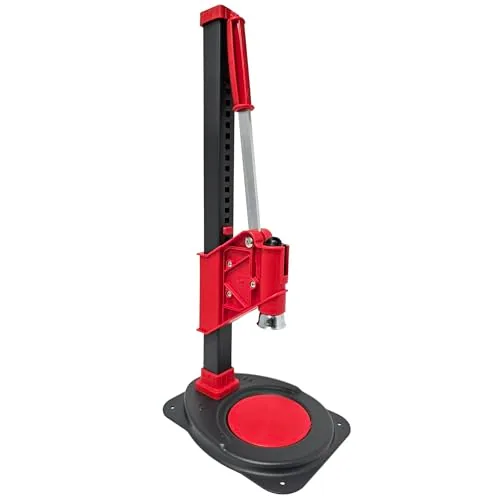
Best for Bottling 5-gallon batches
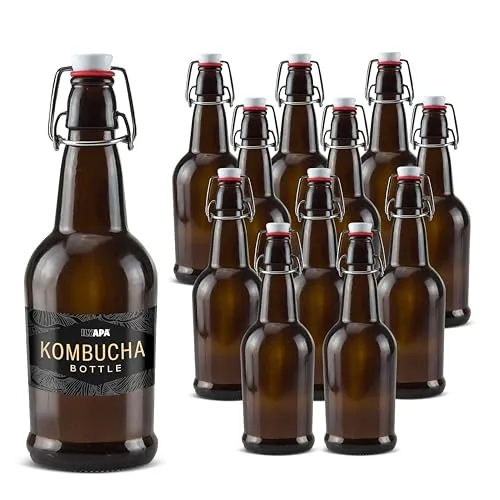
Best for A first bottling day
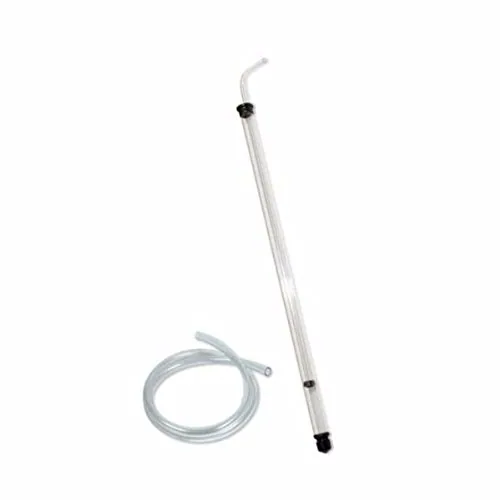
Best for Racking and bottling 5-gallon batches
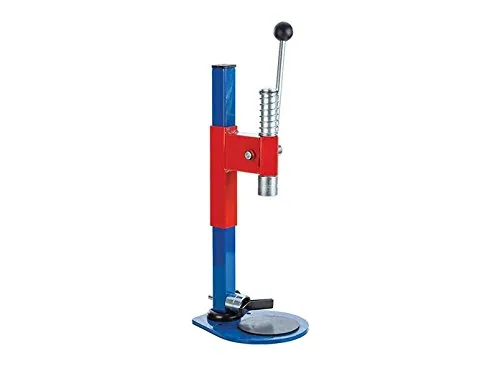
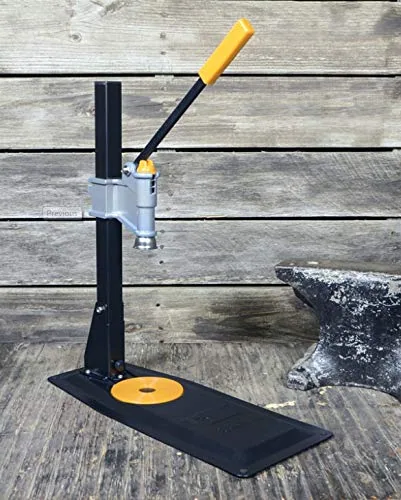
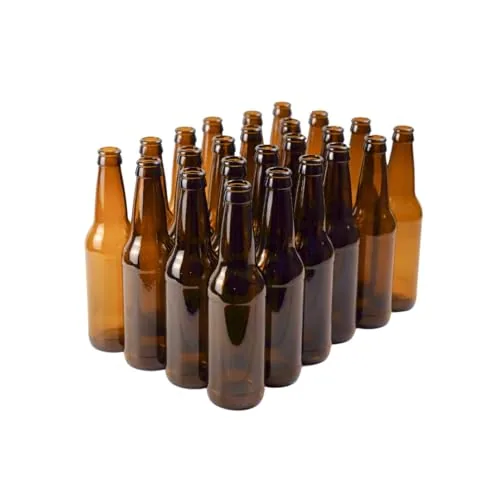
Best for Beer and champagne bottles
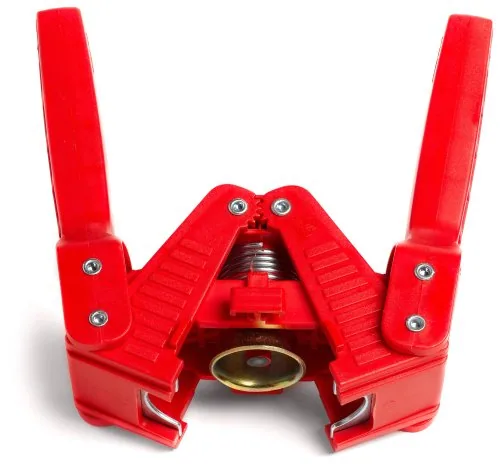
Best for Fast one-hand capping
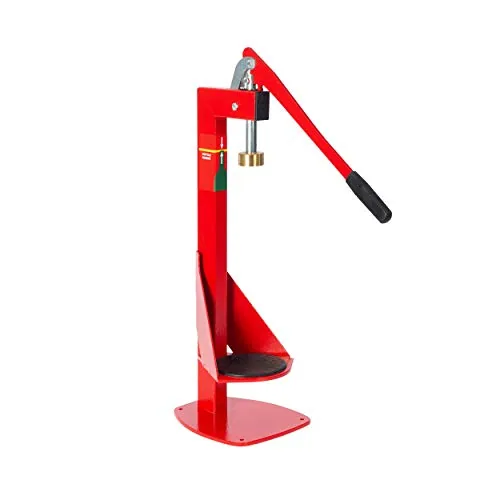
Best for Beer and larger crown caps
Best for One 5-gallon bottling day
Best for Capper-free bottling
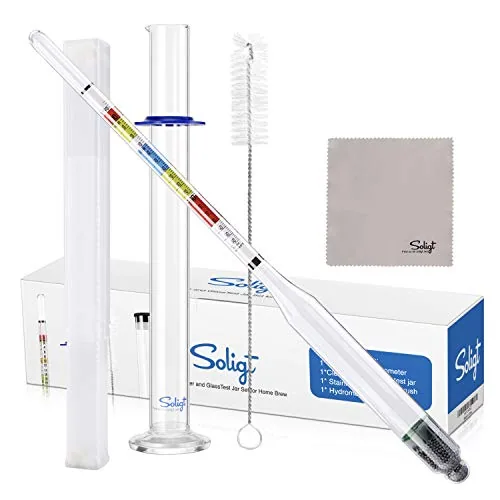
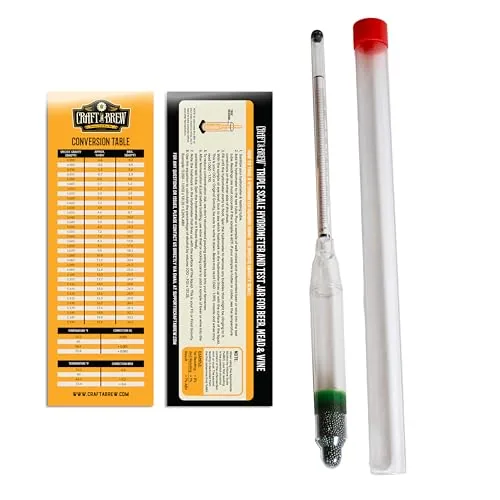
Best for A complete first hydrometer kit
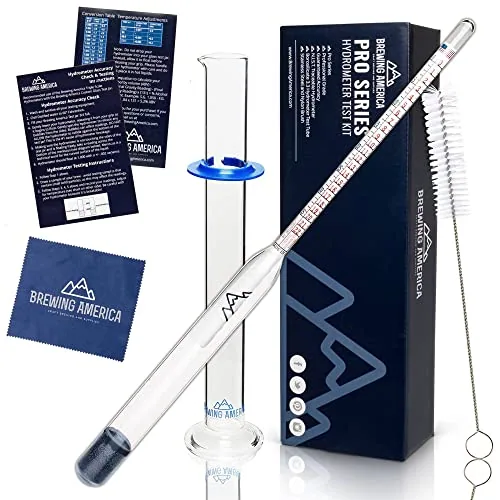
Best for Brewers who want a US-made glass hydrometer
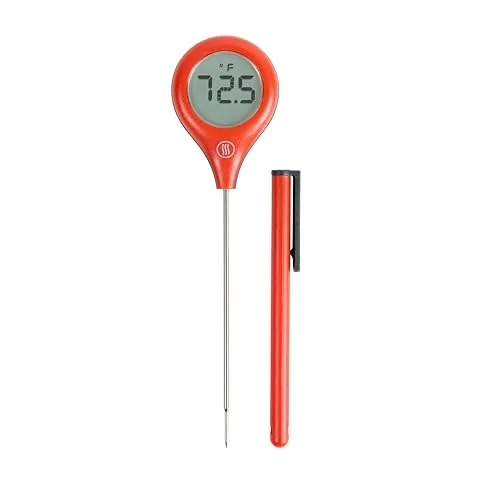
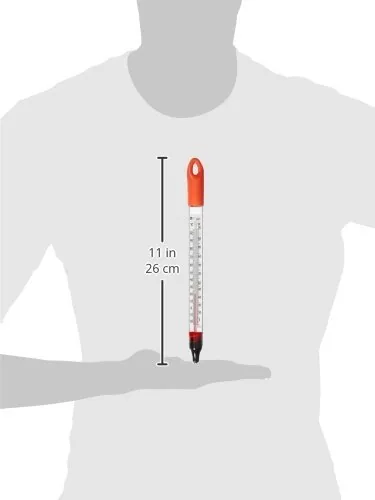
Best for An affordable first brewing thermometer
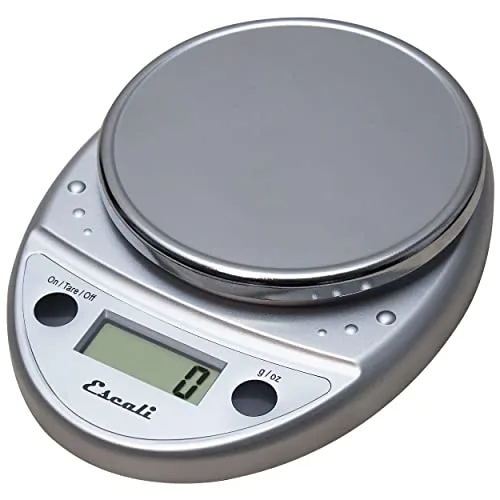
Best for Weighing hops and specialty grain
Best for Replacing a broken hydrometer
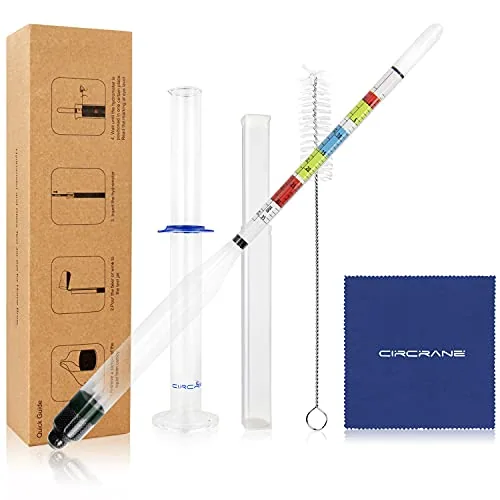
Best for Brewers who keep breaking glass hydrometers
Best for Monitoring steeping or cooling wort
Best for Taking gravity readings with small samples
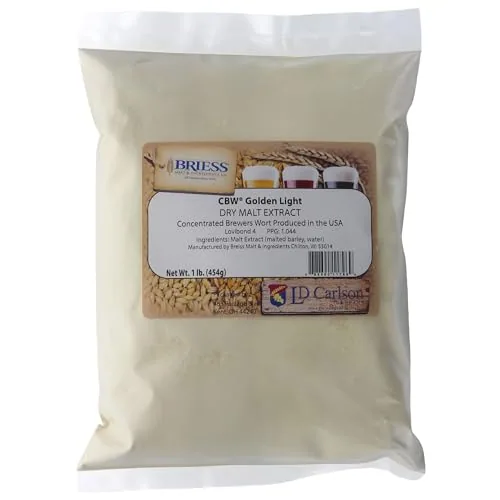
Best for Extract batches and yeast starters
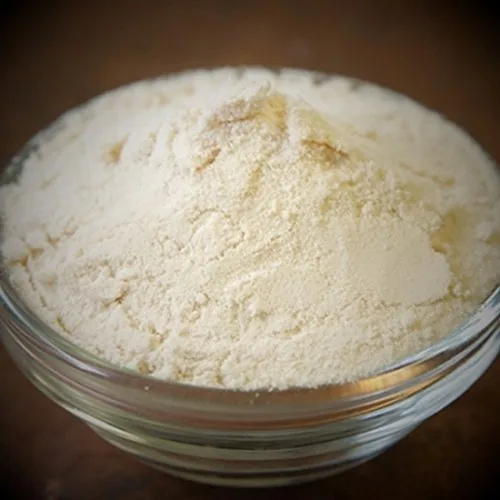
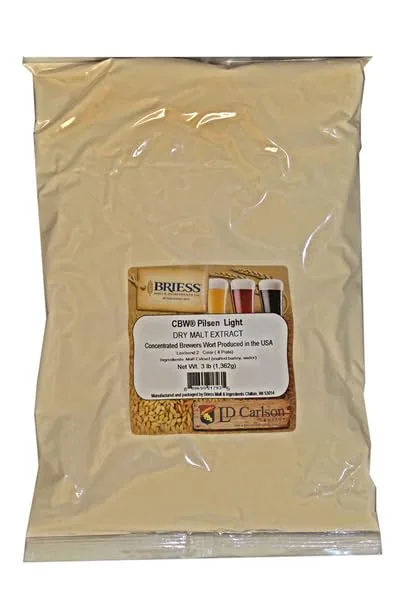
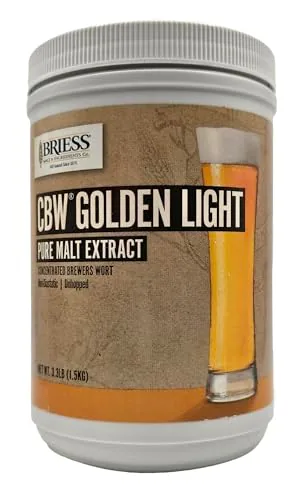
Best for Very pale extract beers
Best for Pale extract beers
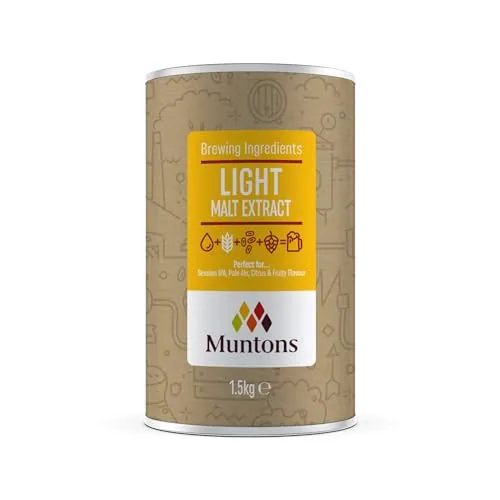
Best for Pale ales from extract
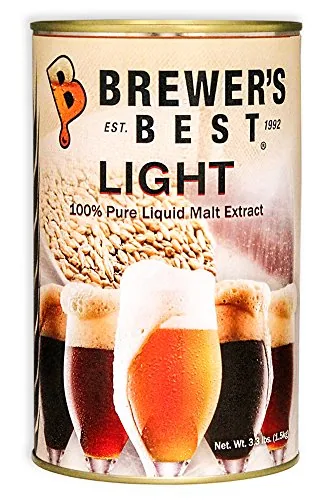
Best for Brewer's Best kit refills
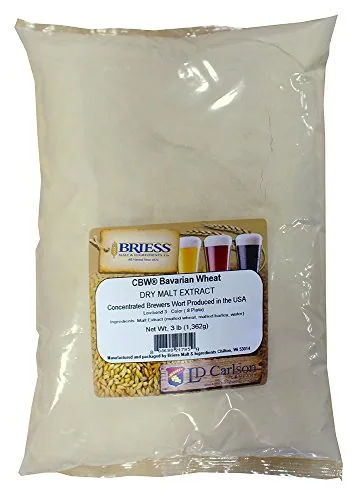
Best for Extract wheat beers
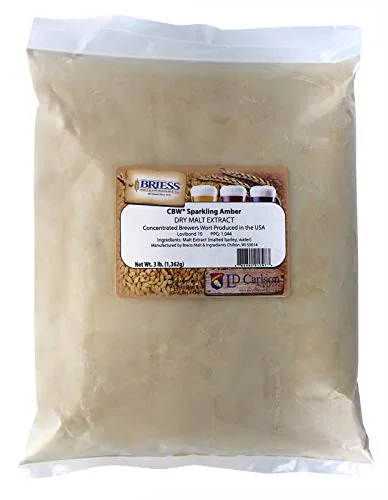
Best for Malty amber beers
Best for Classic extract recipes calling for LME
Best for American pale ales and IPAs
Best for English ales and stouts
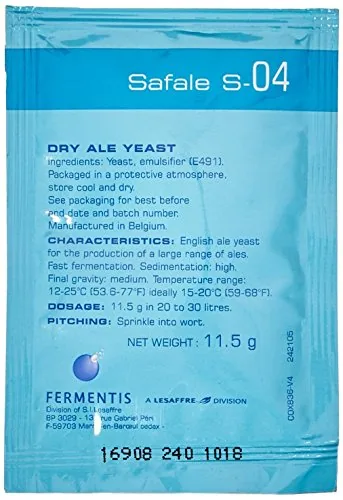
Best for Clean ales and a reliable backup yeast
Best for Trying kettle finings
Best for Regular brewers
Best for Clearer extract and all-grain beer
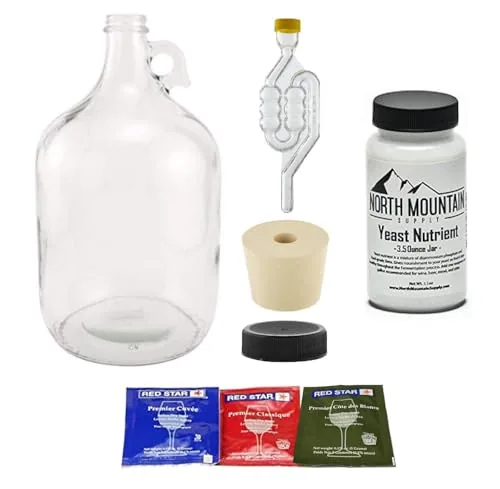
Best for 1-gallon wine and cider batches
Best for Extract kit brewers
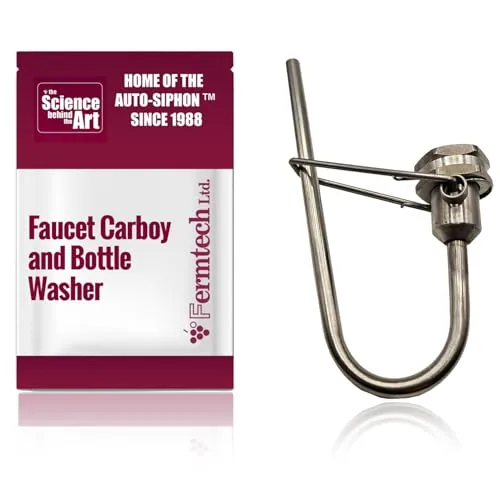
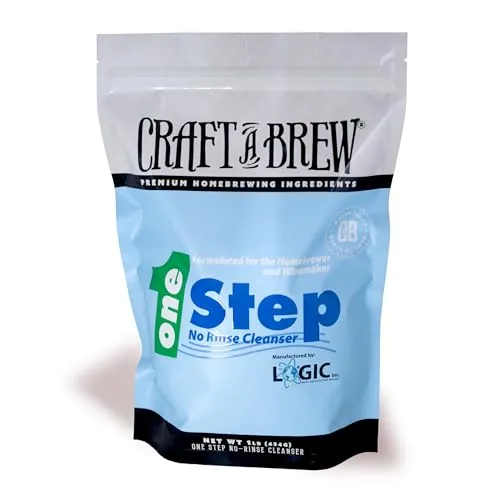
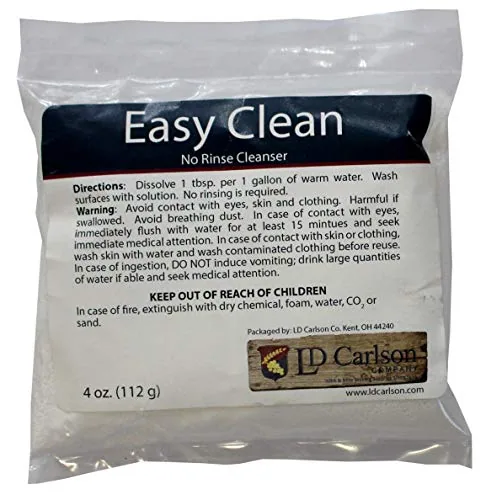
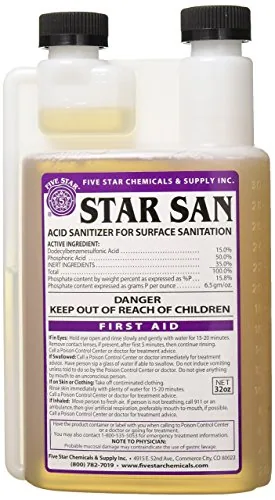
Best for Sanitizing everything that touches cooled wort
Best for A first small batch
Best for Soaking dirty fermenters and kettles
Best for Refilling a starter kit
Best for Rinsing a case of bottles fast
Best for Craft A Brew kit owners
Best for One or two small batches
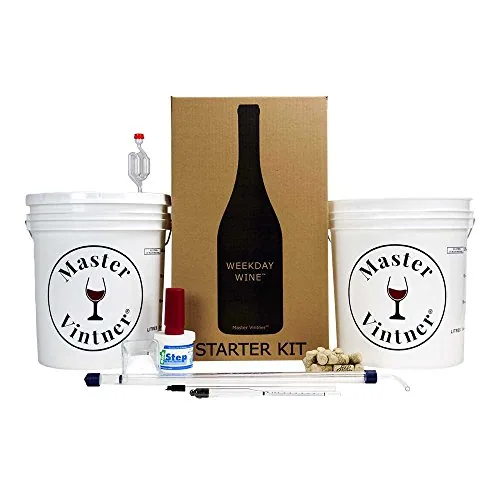
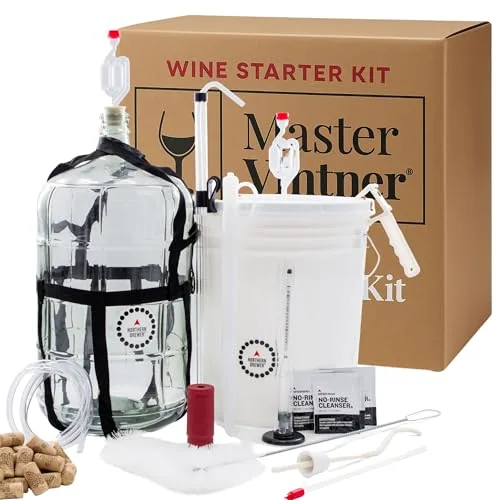
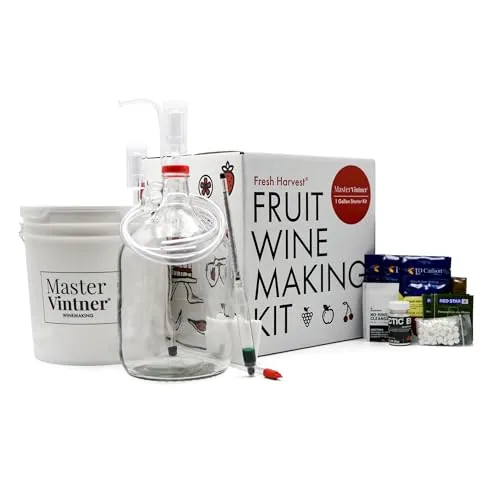
Best for A first wine kit with equipment
Best for Starting with Wild Grapes kits
Best for Everything but the wine kit
Best for Gift for a beginner 21+
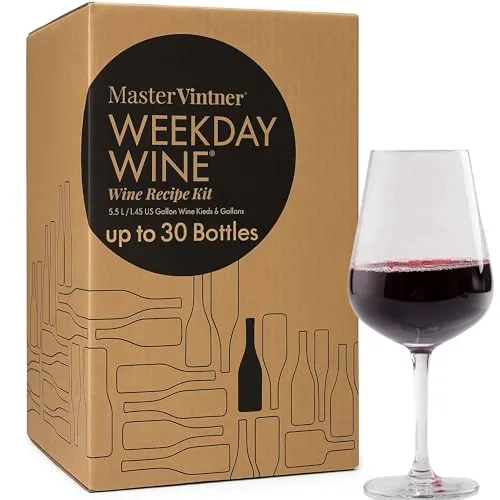
Best for First 6-gallon wine kit
Best for Fruit wine from the garden
Best for 1-gallon cider, mead or wine
Best for A first red wine
| Kit | Batch | Good if you | You still need |
|---|---|---|---|
| Mr. Beer 2 gal complete | 2 gal | Want the fewest extra parts | ~ Refills for batch two |
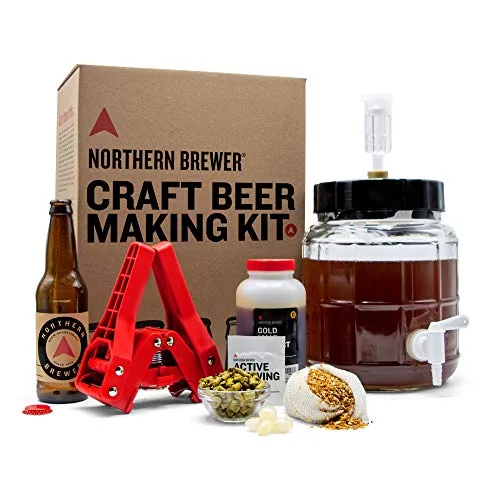
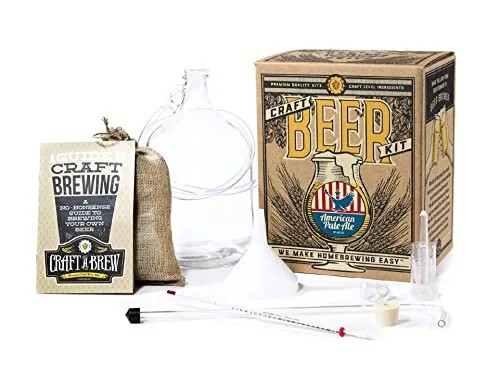
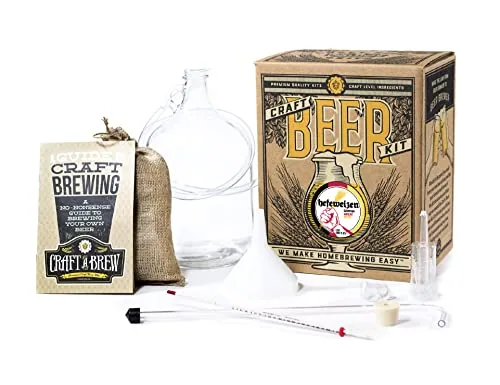
| Craft A Brew or Northern Brewer 1 gal | 1 gal | Brew on a small stove | Bottles and caps |
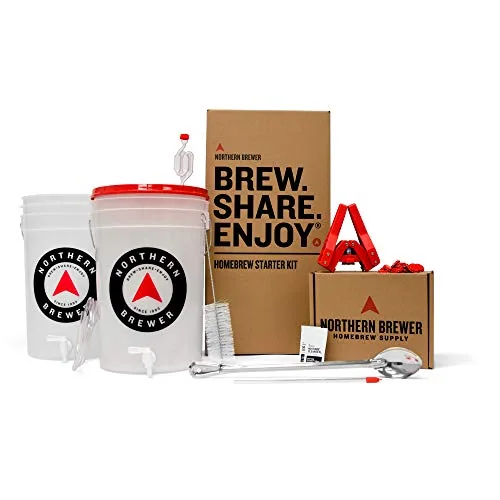
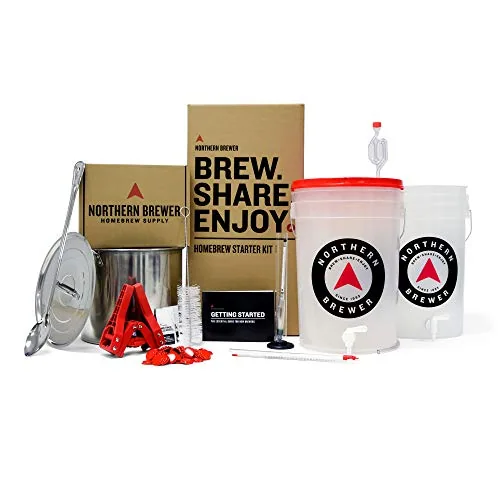
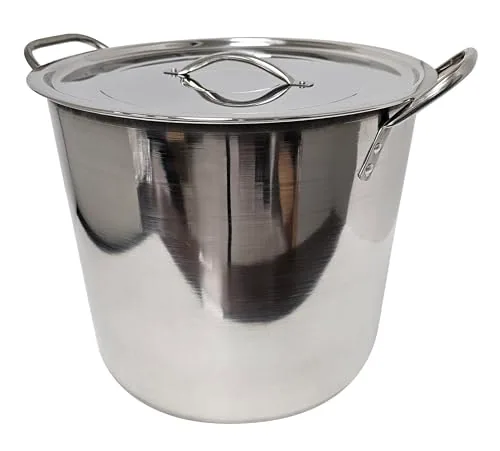
| Northern Brewer 5 gal starter | 5 gal | Have a 5 gal+ kettle | About 50 bottles, a kettle |
Source: Product listings
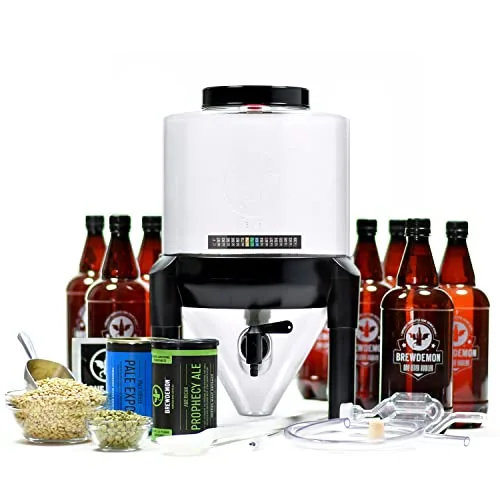
Every product below shows its batch size and what it leaves out. Compare a few, then add up the extras with the budget builder, which lets you type your own prices.
Once the first bottles are open, most brewers change one thing at a time: better temperature control, a bigger kettle, or a recipe kit with steeping grains. Record each batch in the brew-day log so you know what changed. When bottling starts to feel like a chore, see the kegging switch hub; when you want full control of the recipe, see going all-grain.
Related reading: Northern Brewer starter kit review, Mr. Beer 2 gallon kit review and best hydrometers for homebrewing.
 Best of
The best beer making kit for beginners, compared by batch size, what's in the box and what you still need to buy, from…
 Best of
The best homebrew kit for your space and plans: 5-gallon bundles with kettles, glass and stainless setups, 1–2 gallon…
 Best of
The best 1 gallon beer kit for a stove and a small kitchen: Craft A Brew, Northern Brewer and BrewDemon kits, refills…
 Best of
The best brew kettle for your batch size: 5 to 16 gallon stainless kettles compared by steel grade, bottom, ports,…
 Best of
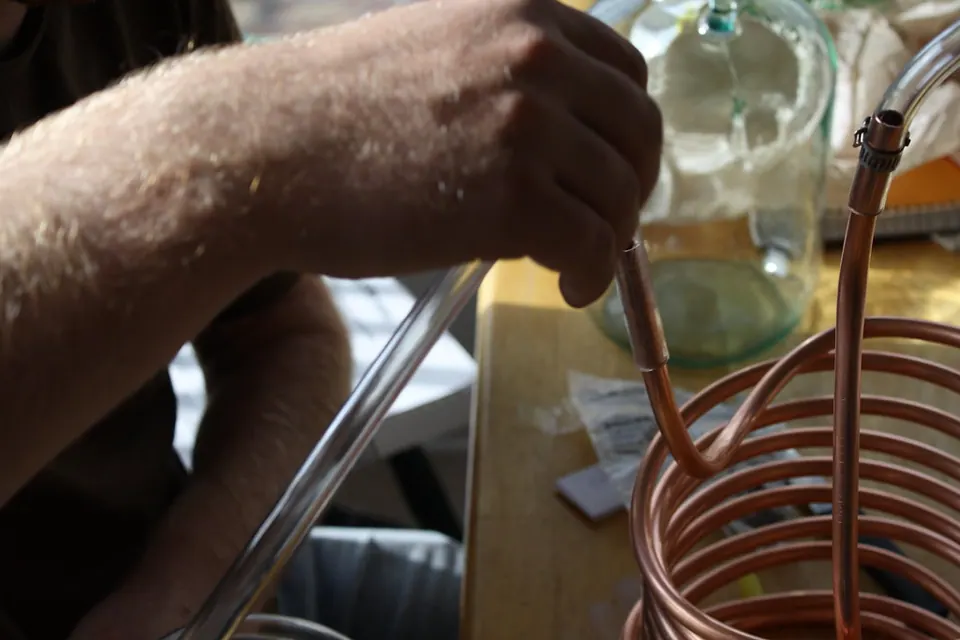
The best immersion chiller for your kettle: copper and stainless coils from JaDeD, NY Brew Supply, Northern Brewer and…
 Best of
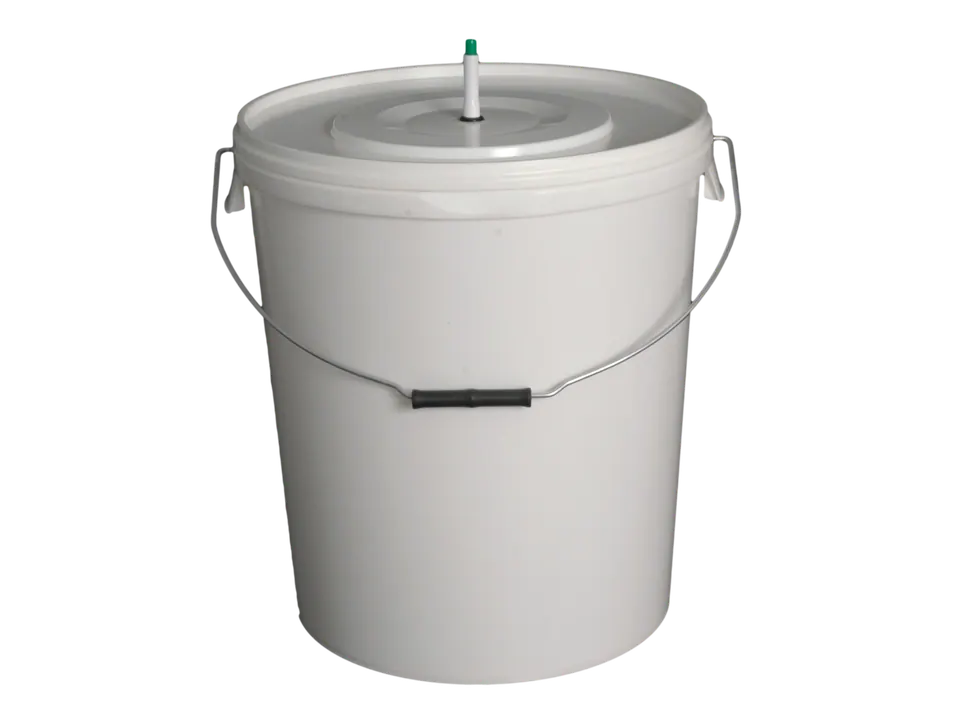
The best fermenter for homebrew by material: buckets, PET carboys, glass, a FermZilla pressure kit and stainless…