Briess
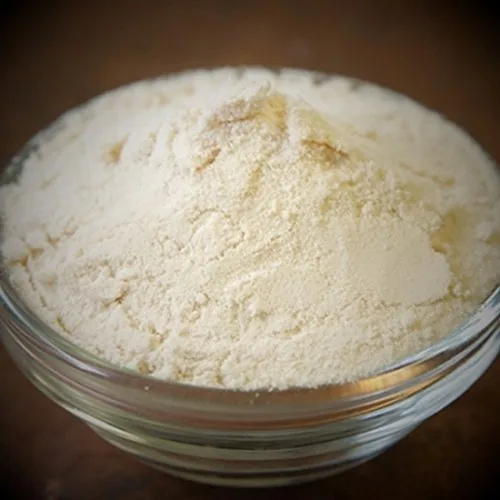
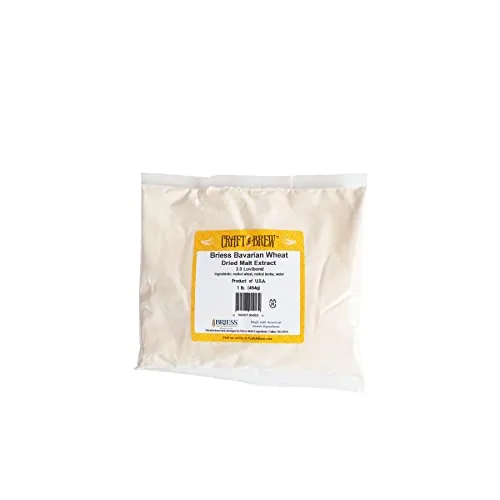
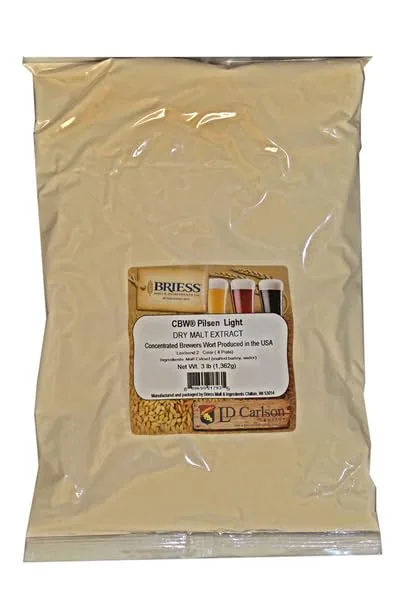
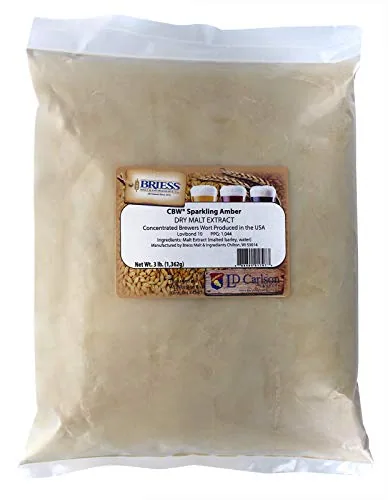
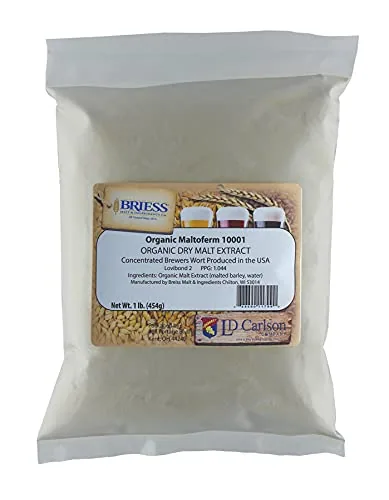
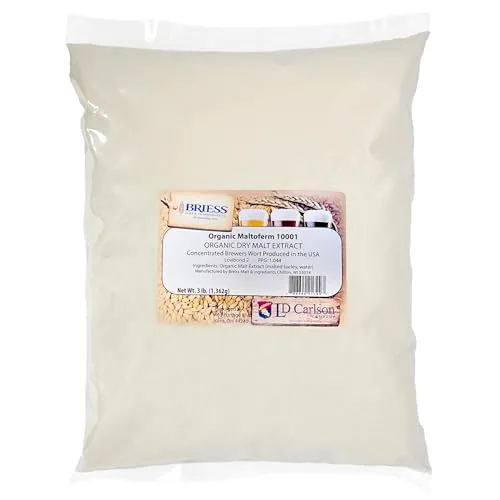
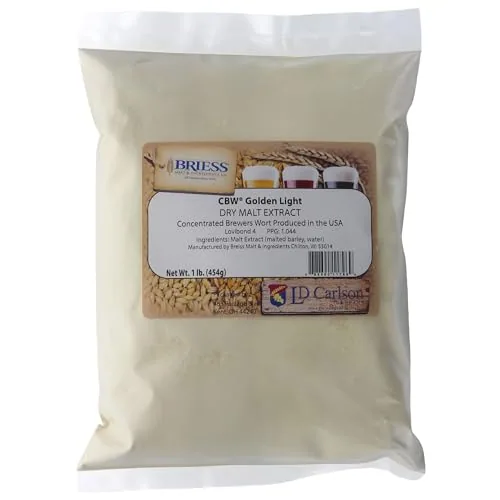
Briess Golden Light Dry Malt Extract, 1 lb
- Type
- Dry malt extract (DME)
- Size
- 1 lb
Best for Extract batches and yeast starters
Dry and liquid malt extract, base and specialty grain, hop pellets and 2- or 3-roller grain mills for extract and all-grain brewers.
Best for Extract batches and yeast starters
Best for Very pale extract beers
Best for Brewer's Best kit refills
Best for 1-gallon wheat beers
Best for Oatmeal stouts and hazy IPAs
Best for Cream ales and American lagers
Best for Irish dry stout
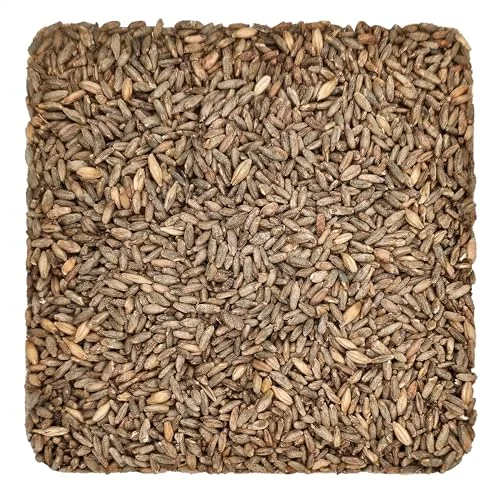
Best for Rye beers
Best for Brewing cream ales often
Best for English ales
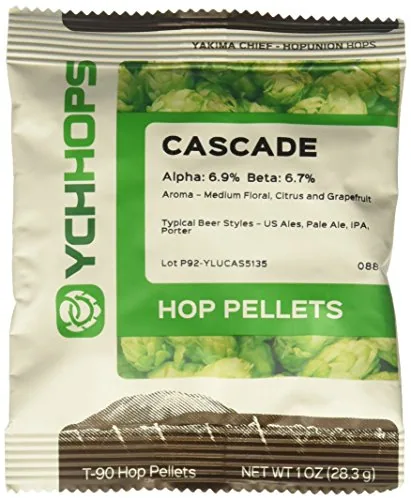
Best for Brewers who use a lot of Cascade
Best for Czech-style pilsners
Best for Heavily dry-hopped IPAs
Best for Märzen and Belgian ales
Best for Belgian ales and brown ales
Best for English strong ales and porters
Best for 1-gallon BIAB batches
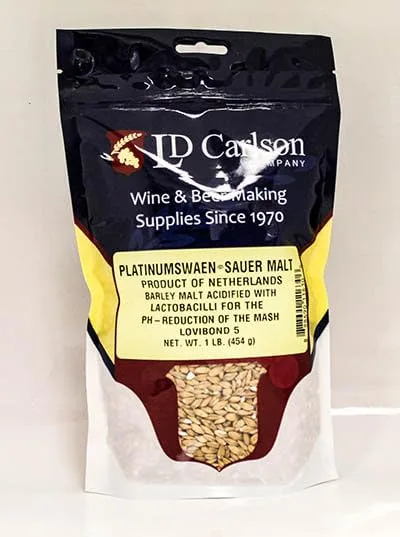
Best for Mash pH adjustment without liquid acid
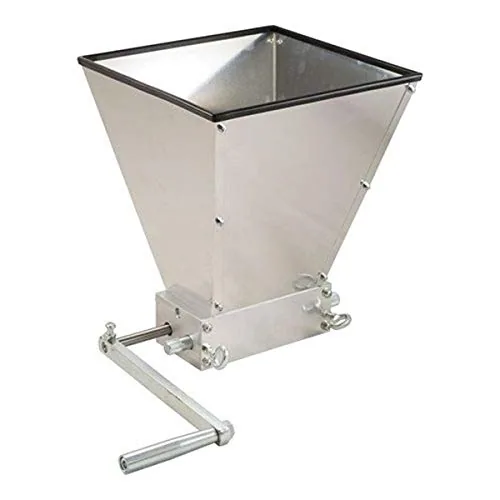
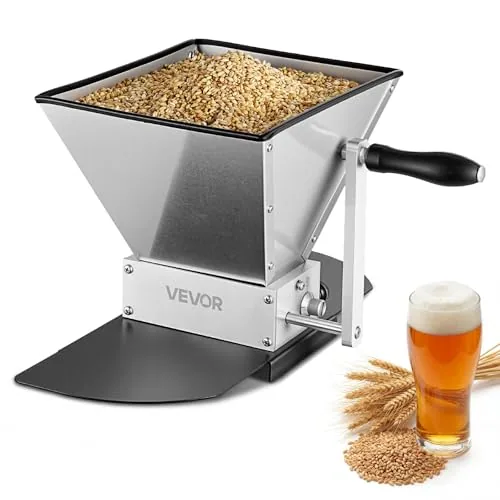
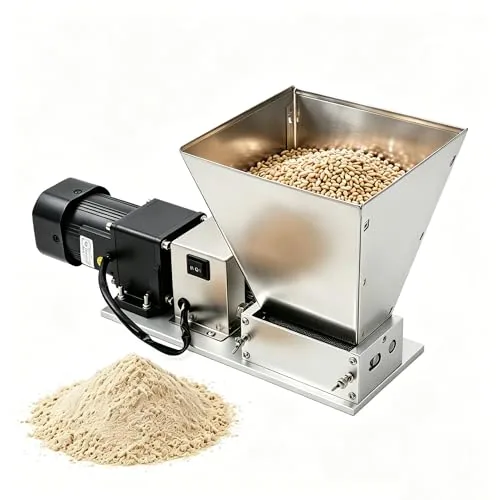
Best for Milling your own grain for all-grain
Best for Budget all-grain milling
Best for An established homebrew mill design
Best for Pale extract beers
Best for Pale ales from extract
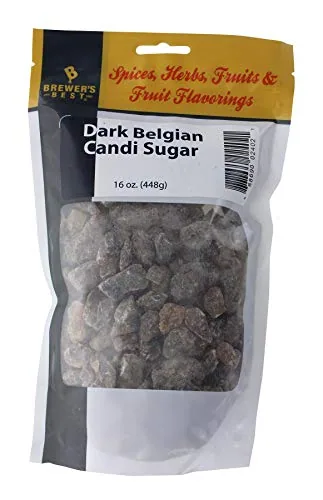
Best for Dubbels and quads
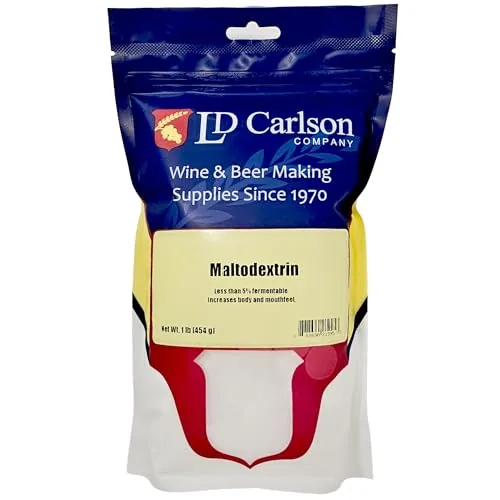
Best for Fuller body in extract beers
Best for Witbier and hazy beers
Best for Frequent all-grain brewers
Best for Brewers without a mill
Best for Dry-hopping pale ales
Best for Bittering American IPAs
Best for Dark lagers and black IPAs
Best for Extract wheat beers
Best for English bitters and pale ales
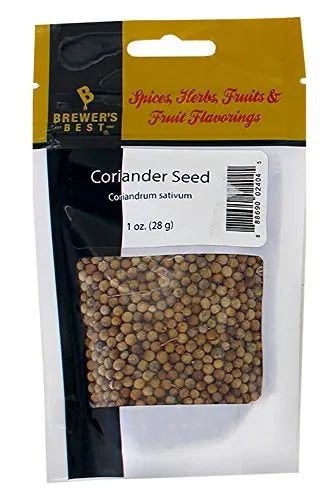
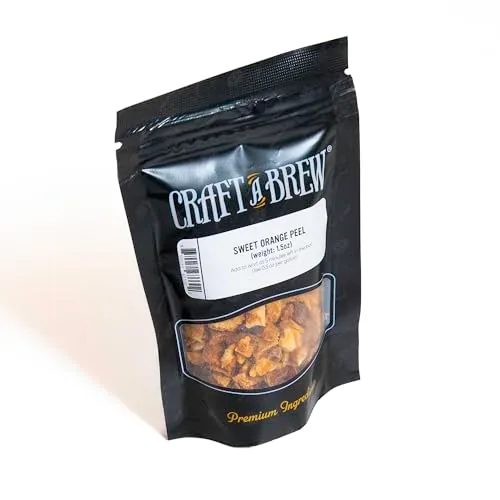
Best for Belgian witbier
Best for Sweet stouts and milkshake IPAs
Best for Brewing milk stouts regularly
Best for One IPA batch
Best for American pale ales
Best for Malty amber beers
Best for Belgian witbier
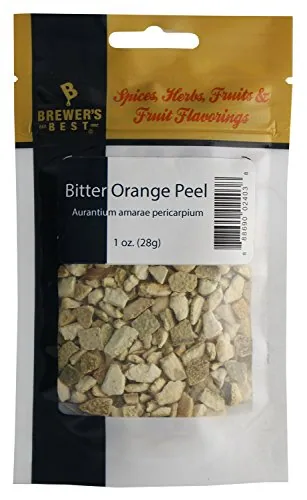
Best for Citrus wheat beers
Best for Clean bittering additions
Best for Dry-hopping IPAs
Best for Classic extract recipes calling for LME
Best for Regular IPA brewers
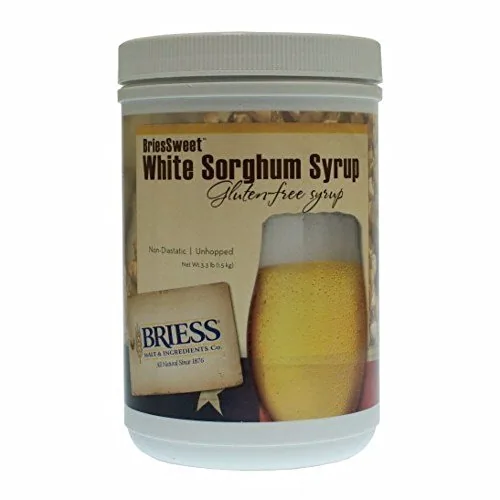
Best for Brewing beer from non-gluten grain
Best for The base of most all-grain recipes
Best for Pilsners and light lagers
Best for Pale ales and ambers
Best for Brown ales and ESBs
Best for Porters and stouts
Best for Dry stouts
Best for Amber and red ales from extract
Best for Organic extract brewing
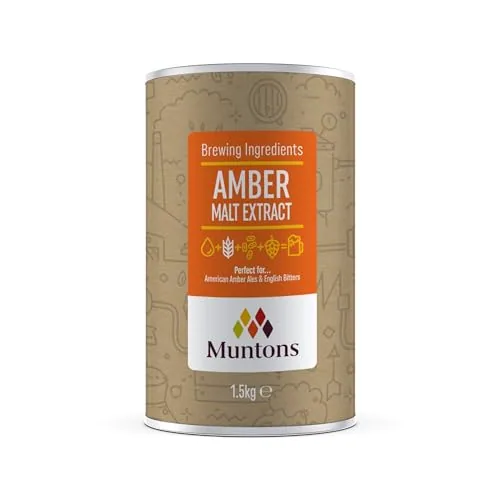
Best for English bitters and amber ales
Best for Amber extract beers
Best for Thin extract beers
Best for Dubbels and Belgian pale ales
Best for Witbier
Best for Fruit-forward IPAs
Best for Classic American lagers and cream ales
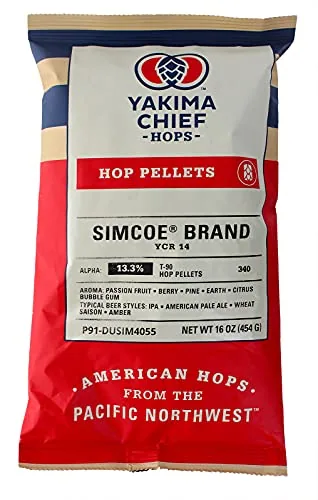
Best for Bulk Simcoe
Best for A pale ale batch
Best for Northwest-style IPAs
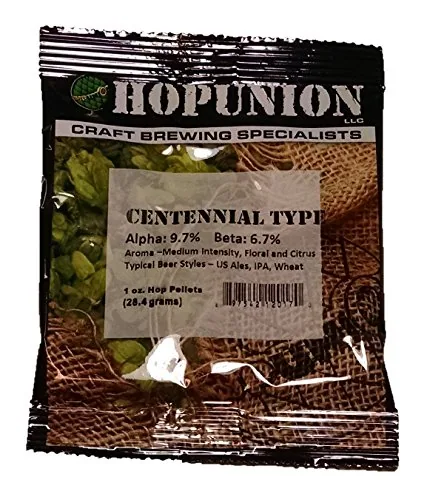
Best for Small Centennial additions
Best for 1-gallon oaked beers
Best for All-grain base malt
Best for Hand-milling small grain bills
Best for Milling without a drill
Best for Organic extract brewing
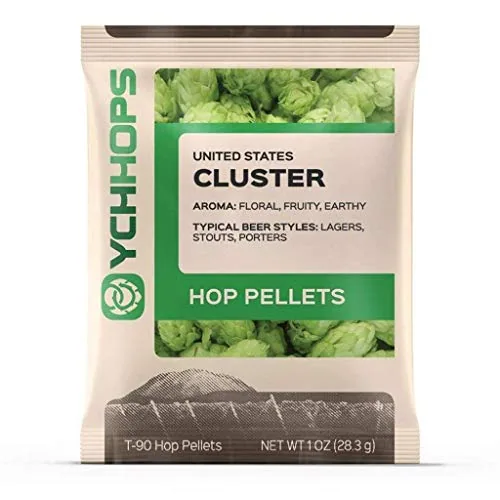
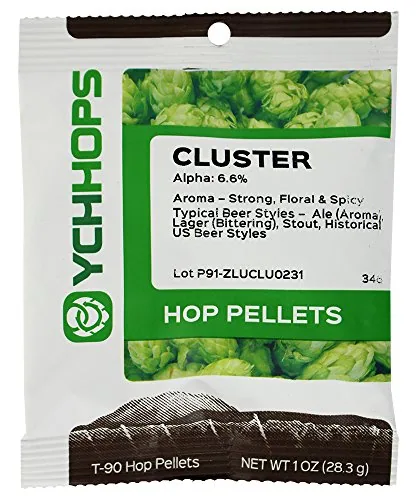
Best for Small Cluster additions
Best for Belgian blondes
Best for American lagers and pilsners
Best for Dubbels and quads
Best for Brewers with their own mill
Best for Brewers who use honey malt often
No product matches every filter. Clear one to see more.
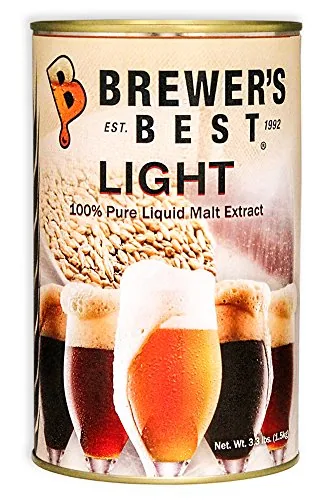
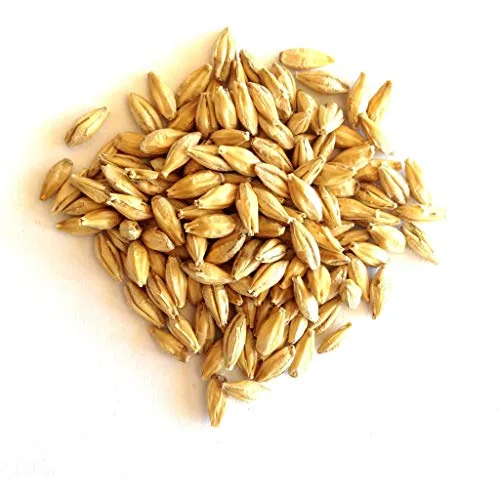
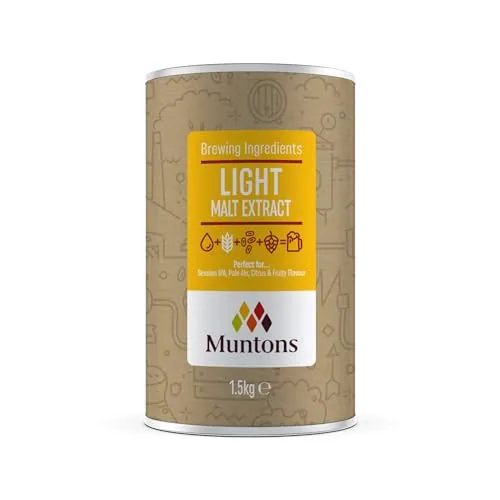
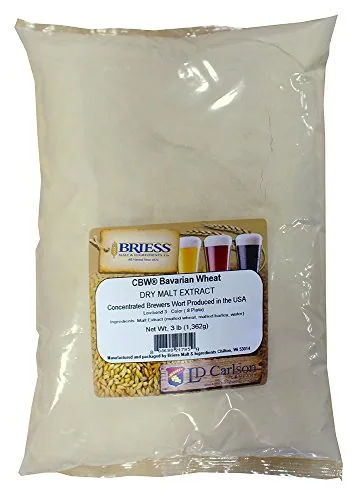
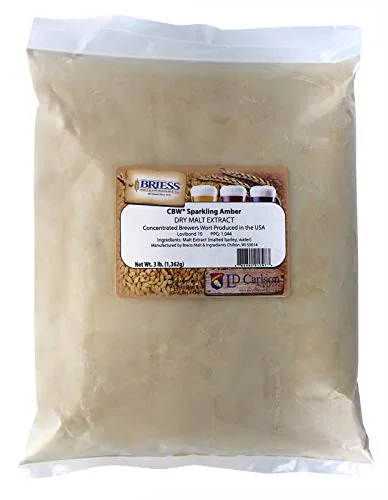
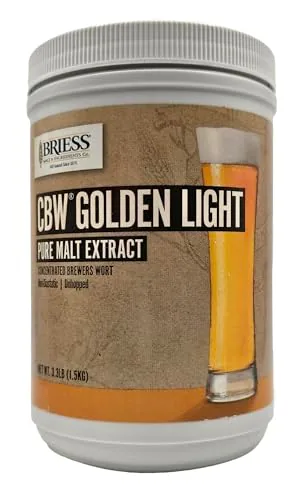
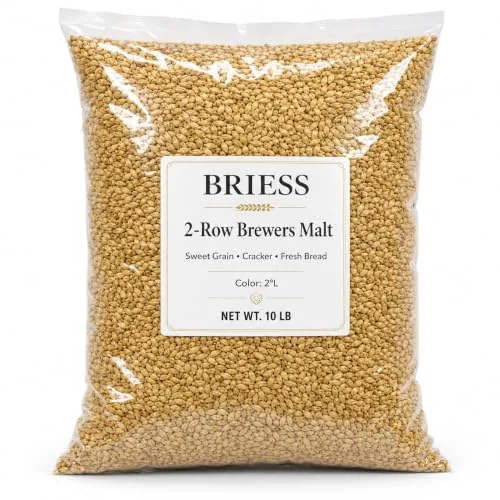
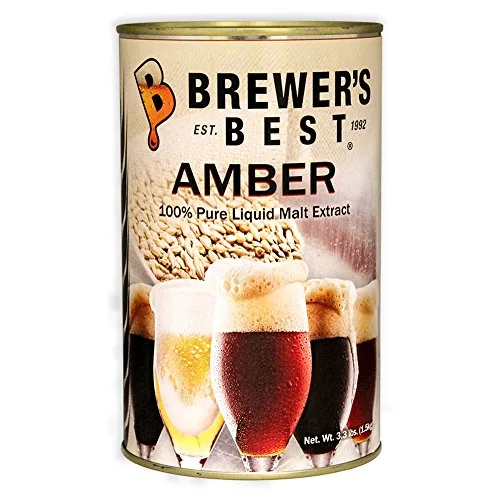
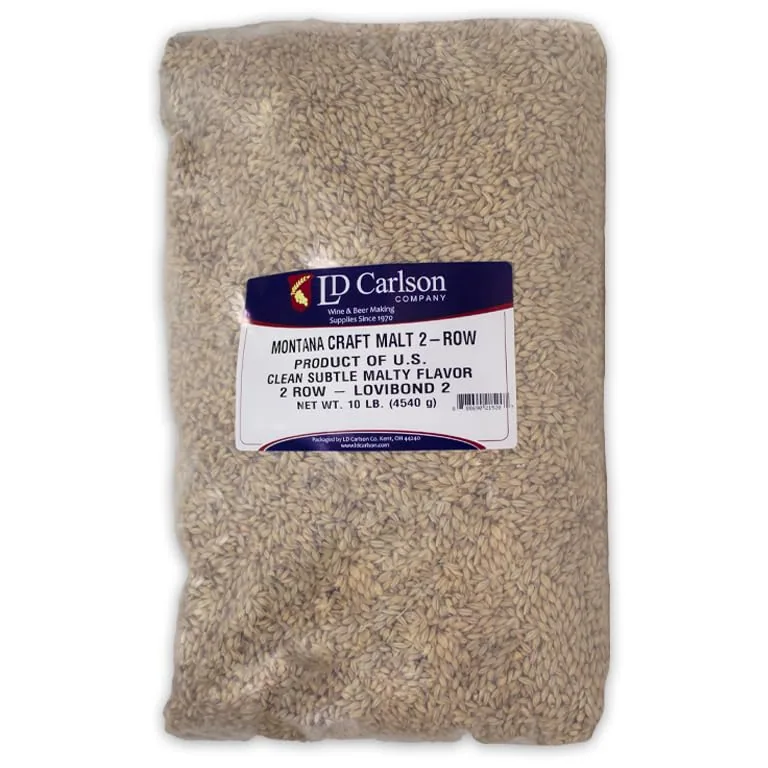
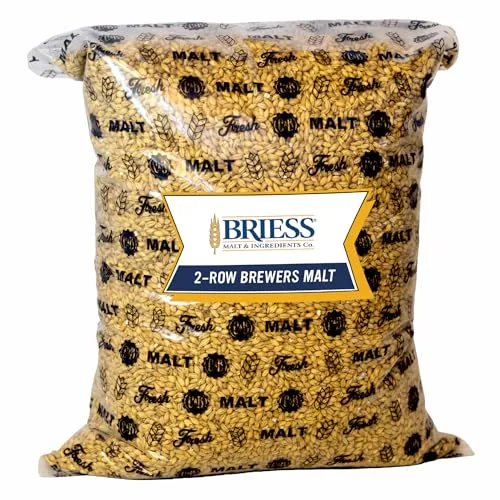
Every beer starts from malt sugar. Extract brewers buy it concentrated: dry malt extract (DME) stores well in a sealed bag and is easy to weigh, while liquid malt extract (LME) comes in 3.3 lb (1.5 kg) jars or pouches and darkens with age, so buy it fresh. All-grain brewers start from base malt such as Briess 2-Row or Muntons Maris Otter and add specialty malts for color and flavor.
Best for Extract batches and yeast starters
Best for Very pale extract beers
Best for Brewer's Best kit refills
Best for Pale ales from extract
Best for 1-gallon wheat beers
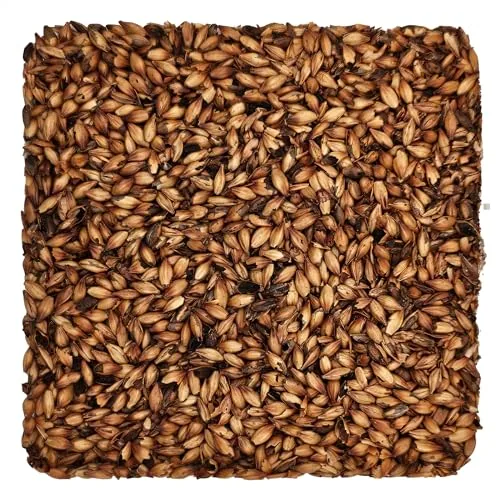
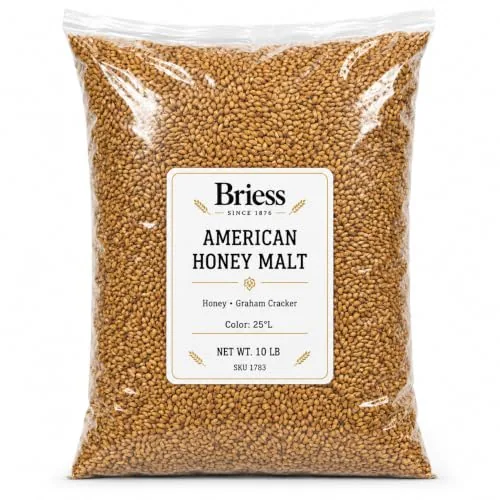
Malt color is listed in degrees Lovibond (°L). A few ounces of a dark malt change a beer far more than pounds of a pale one, which is why the beer color calculator is worth a minute before brew day.
Midpoint of the listed range where a range is given
Best for The base of most all-grain recipes
Best for English bitters and pale ales
Best for Pale ales and ambers
Best for Märzen and Belgian ales
Best for Dry stouts
Best for Belgian ales and brown ales
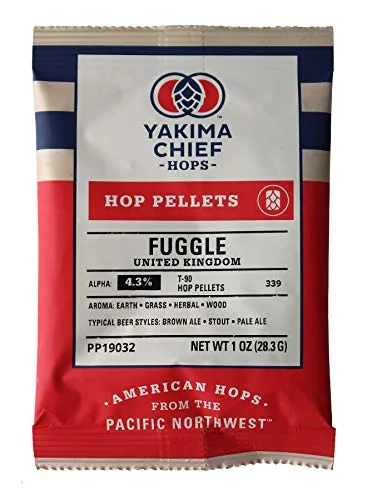
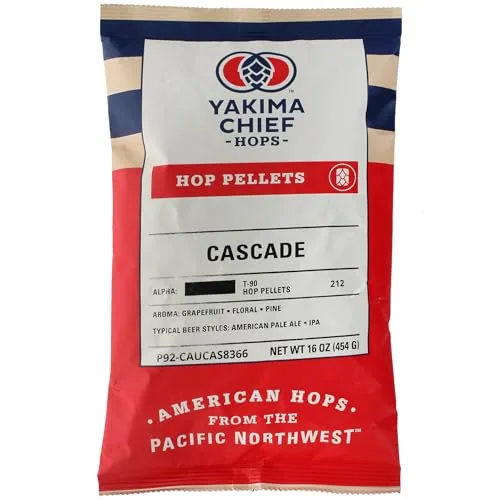
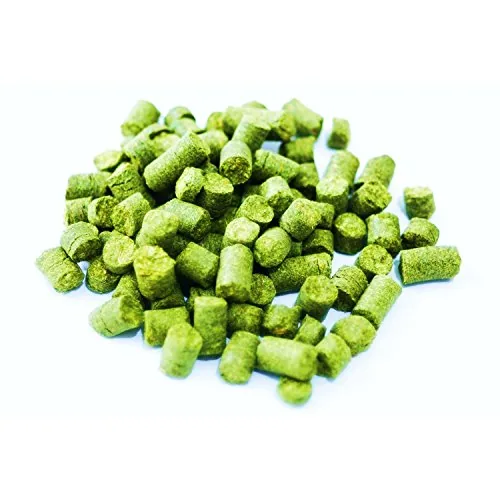
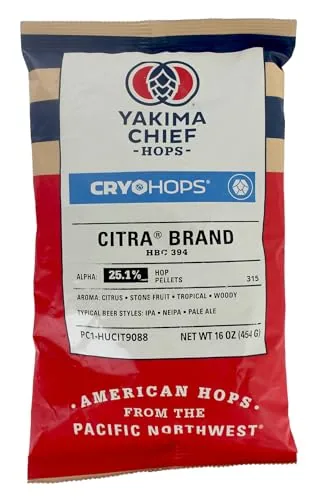
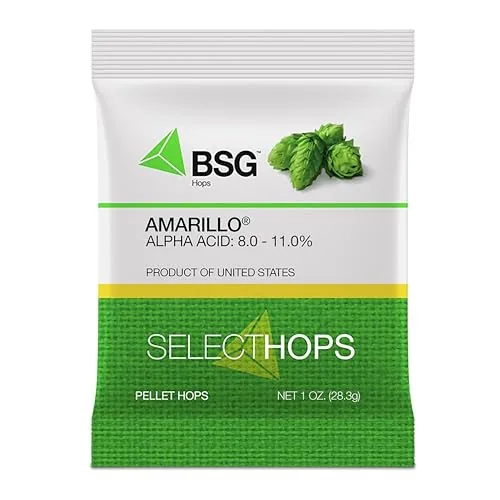
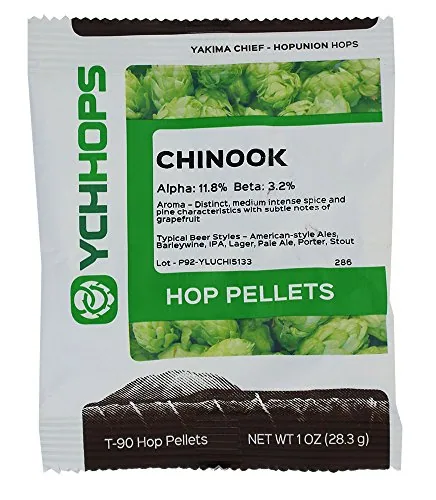
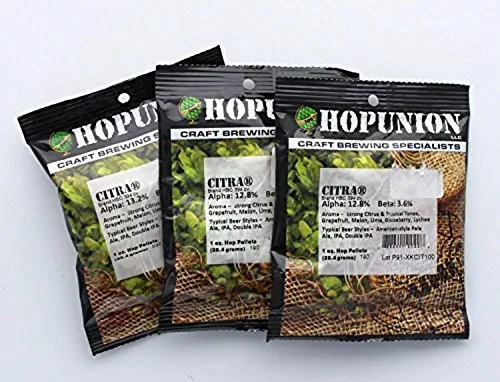
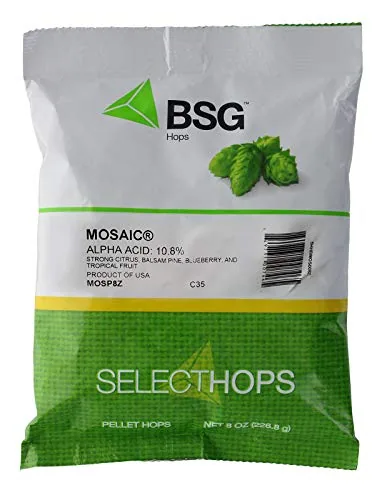
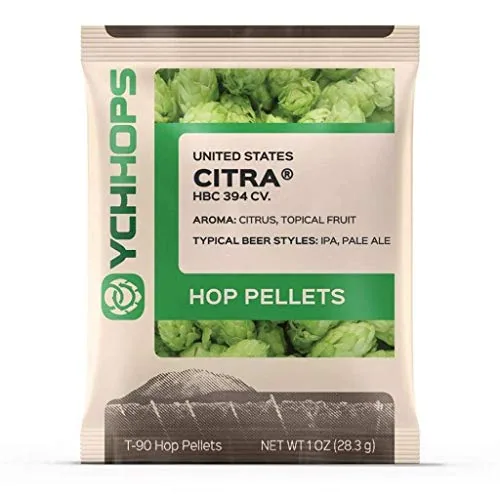
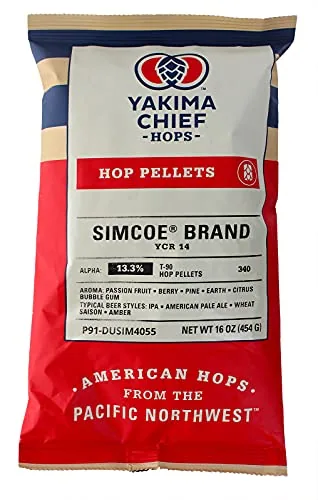
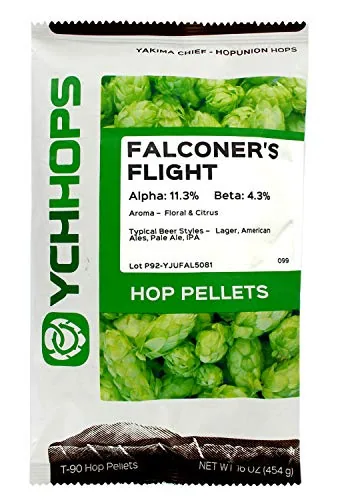
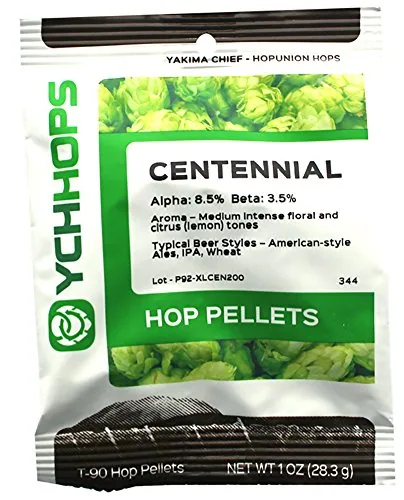
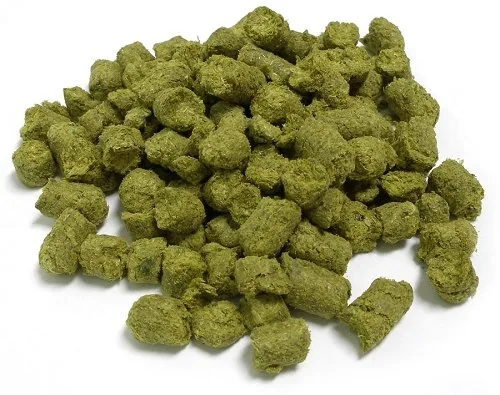
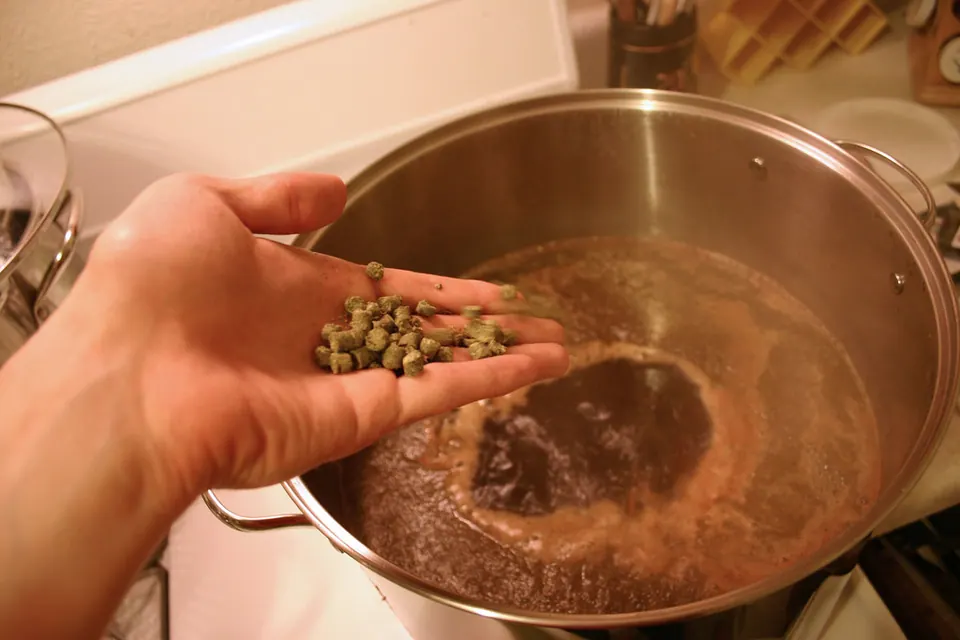
Pellets are the standard for homebrew: compact, consistent and easy to dose. Cryo (lupulin) pellets pack more aroma per ounce, so use less. Alpha acid varies by crop year; enter the number printed on your package into the IBU calculator rather than a typical range. Store opened hops cold and airtight.
Best for Dry-hopping IPAs
Best for Clean bittering additions
Best for Brewers who use a lot of Cascade
Best for Heavily dry-hopped IPAs
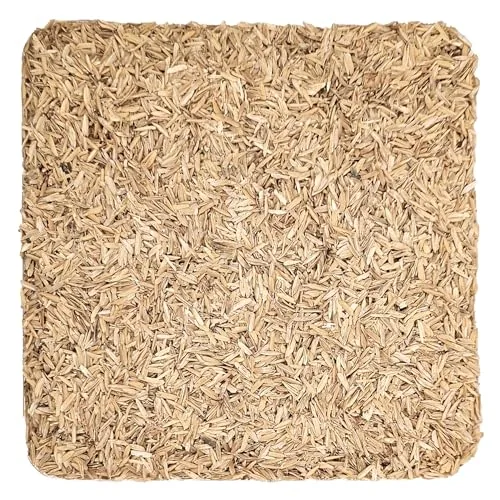
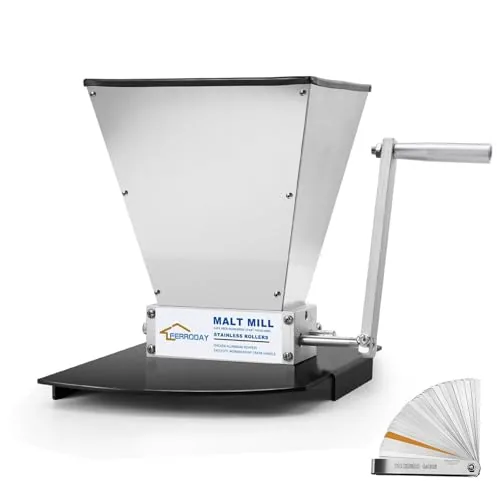
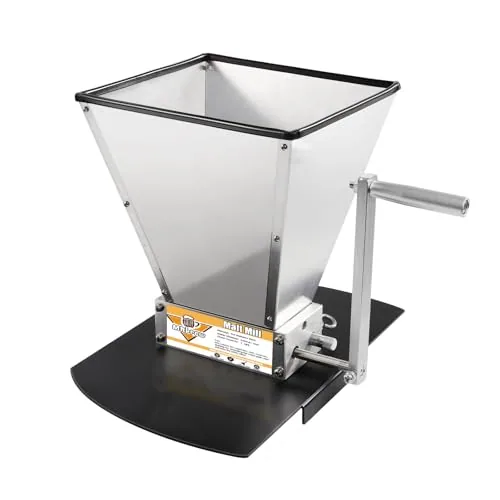
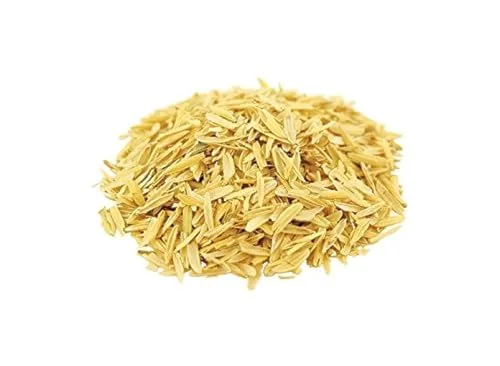
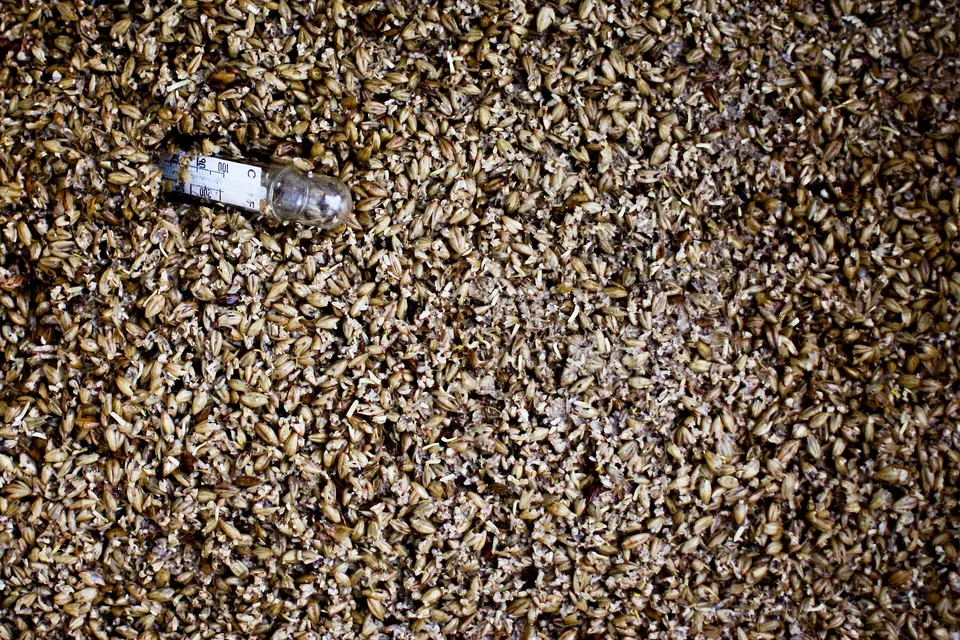
Milling at home lets you buy uncrushed grain in bulk and set your own gap. A 2-roller mill suits most BIAB and cooler mash tun brewers; drive it by hand or with a low-speed drill (MaltMuncher lists 200 rpm). If your mill crushes finely for BIAB, rice hulls help a cooler mash tun drain.
Best for An established homebrew mill design
Best for Budget all-grain milling
Best for Milling your own grain for all-grain
Store grain cool, dry and sealed against pests, and hops in the freezer.
Related reading: best BIAB bags and hop spiders.
 Best of
The best grain mill for homebrewing compared by rollers, gap range, hopper size and drive: hand crank, drill or a…
 Best of
The best dry yeast for IPA and pale ale compared by maker temperature range, dose and attenuation: US-05, BRY-97,…
 Versus
Extract vs all-grain brewing: how much malt each needs for 5 gallons, the extra gear and time all-grain adds, and who…
 Versus
Whirlfloc vs Irish moss: what each kettle fining does, label doses and timing, plus gelatin, Biofine and…
 Guide
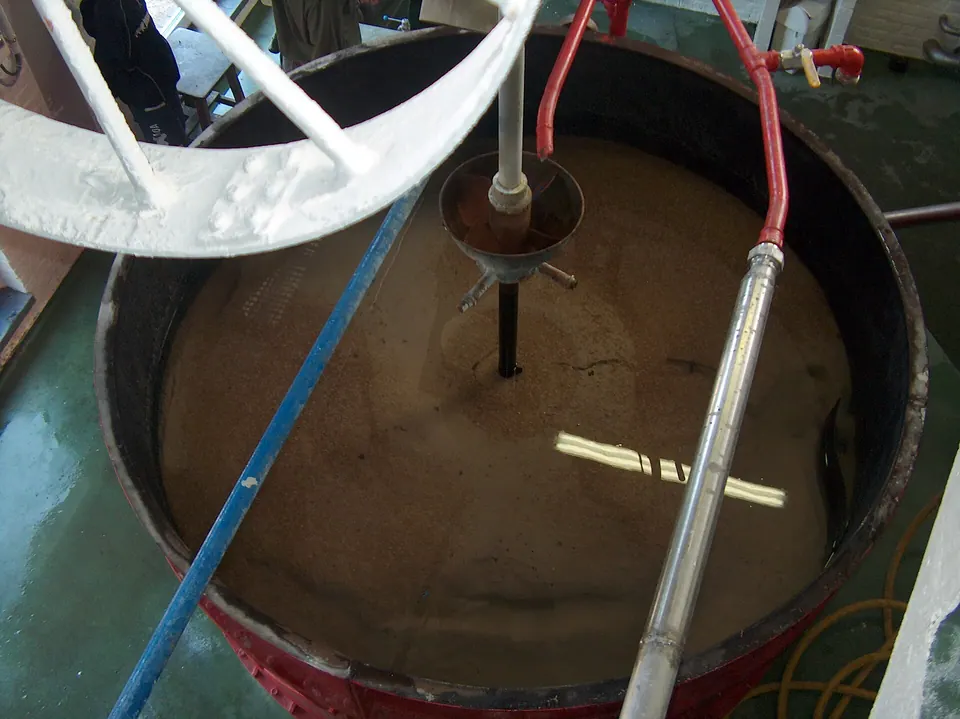
How to brew all-grain beer with brew-in-a-bag or an electric all-in-one: milling, strike water, mash temperature,…
 Guide
Beginner beer styles that forgive first-batch mistakes, with BJCP 2021 numbers, carbonation targets, yeast picks and…