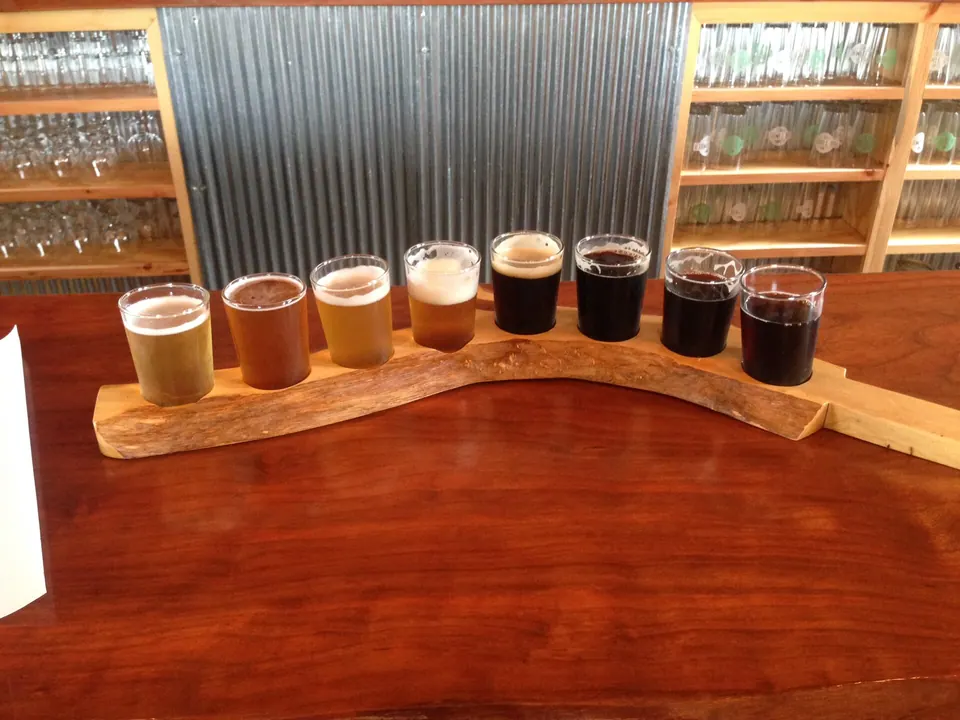
- The best beginner beer styles are ales that ferment at room-ish temperatures and hide small flaws: blonde ale, American pale ale, American amber, Irish stout and porter.
- Save lagers, hazy IPAs and very strong beers for later; they need cold fermentation, oxygen control or extra yeast.
- BJCP 2021 style numbers (OG, FG, IBU, color, ABV) give you targets for your hydrometer and calculators.
- Clean dry ale yeasts such as US-05, S-04 and Nottingham cover almost every beginner style.
- Start from a kit or a simple extract outline, then change one thing at a time.
Picking from beginner beer styles is a smart first decision, because some styles hide small mistakes and others put them on display. A malty amber with moderate hops tolerates a few degrees of extra fermentation heat; a delicate pilsner shows every flaw. This guide lists the friendliest styles, their official numbers and a simple extract outline for each.
Style numbers come from the BJCP 2021 Beer Style Guidelines, the reference judges use at homebrew competitions. Carbonation ranges come from BYO, and yeast data from the makers’ sheets. Use the IBU calculator and beer color calculator to check any recipe against them.
What makes a beer style beginner-friendly?
Beginner-friendly vs better-later styles
| Factor | Friendly | Harder |
|---|---|---|
| Fermentation temperature | ✓ Ales at about 62–68°F (17–20°C) | ✗ Lagers at about 48–55°F for weeks |
| Flavor that masks small flaws | ✓ Malt, caramel, roast | ✗ Very pale, very clean beers |
| Strength | ✓ OG under about 1.060 | ✗ OG over 1.070 needs more yeast and oxygen |
| Oxygen sensitivity | ✓ Amber, brown, stout | ✗ Hazy IPA browns and fades fast if oxidized |
| Special yeast handling | ✓ One dry sachet | ✗ Starters, blends, bacteria |
| Time to drink | ✓ 4–6 weeks | ✗ Lagering or aging for months |
Source: Palmer, How to Brew; BJCP 2021 style descriptions
Best beginner beer styles by the numbers
These are the BJCP 2021 vital statistics for the styles in this guide, with a color swatch. Use the OG range to sanity-check your reading on brew day and the FG range to judge whether fermentation finished.
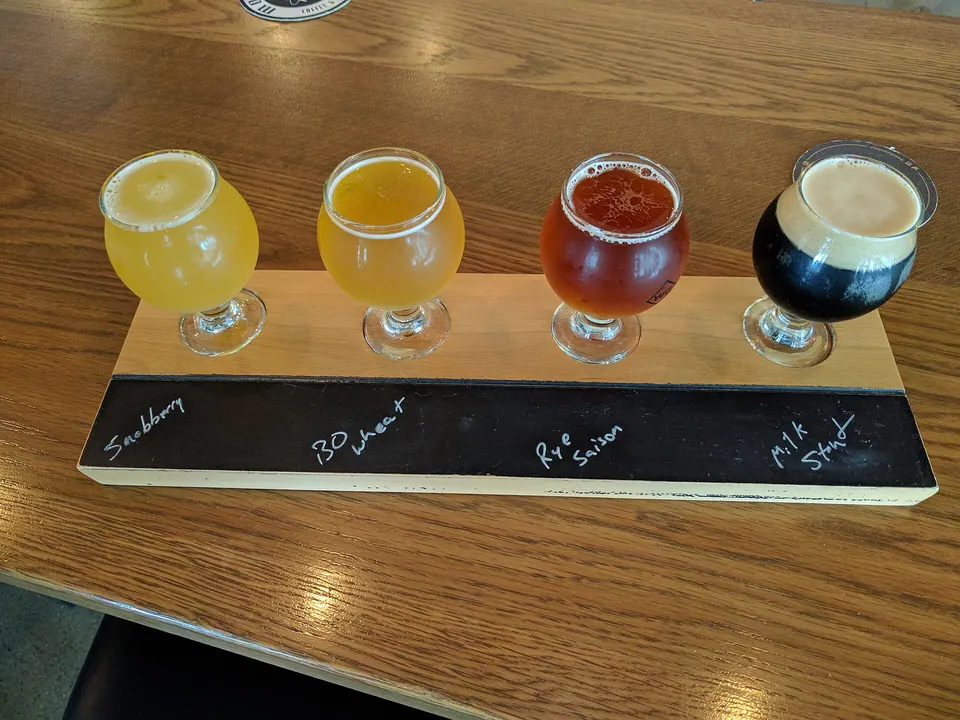
Beer styles by the numbers (BJCP 2021 vital statistics)
| Style | OG | FG | IBU | Color (SRM) | ABV |
|---|---|---|---|---|---|
| 10A Weissbier | 1.044–1.053 | 1.008–1.014 | 8–15 | 2–6 | 4.3–5.6% |
| 18A Blonde Ale | 1.038–1.054 | 1.008–1.013 | 15–28 | 3–6 | 3.8–5.5% |
| 18B American Pale Ale | 1.045–1.060 | 1.010–1.015 | 30–50 | 5–10 | 4.5–6.2% |
| 19A American Amber Ale | 1.045–1.060 | 1.010–1.015 | 25–40 | 10–17 | 4.5–6.2% |
| 20A American Porter | 1.050–1.070 | 1.012–1.018 | 25–50 | 22–40 | 4.8–6.5% |
| 15B Irish Stout | 1.036–1.044 | 1.007–1.011 | 25–45 | 25–40 | 3.8–5.0% |
| 21A American IPA | 1.056–1.070 | 1.008–1.014 | 40–70 | 6–14 | 5.5–7.5% |
Source: BJCP 2021 Beer Style Guidelines. Ranges are for judging; your recipe can sit anywhere inside them. Color swatches are an on-screen approximation.
The table shows how forgiving the first five are: moderate gravity, moderate bitterness and flavors carried by malt and yeast rather than by a single hop or a perfectly clean fermentation.
Each BJCP style entry also has text sections worth reading before you brew: overall impression, aroma, appearance, flavor, mouthfeel, history and comparison with related styles. The flavor and comparison sections are the most useful for a beginner, because they tell you what the beer should not taste like. If your amber tastes like butter or green apple, the guidelines confirm that is a fault rather than a style trait, and our off-flavors guide tells you where it came from.
Five styles to brew first
1. American amber ale
Caramel malt, moderate hops, medium body. Amber is the classic first kit for a reason: crystal malt flavor covers a lot, and the style accepts a wide hop range. Many starter kits ship an amber recipe.
2. American pale ale
A cleaner, hoppier step that teaches hop timing. Keep fermentation cool (about 64–66°F) to let the hops lead, and package promptly; hop aroma fades with time and oxygen.
3. Blonde ale
Light, crisp and approachable for friends who “don’t like craft beer.” It is pale and lightly hopped, so it shows fermentation flaws more than amber; brew it once you can hold temperature.
4. Irish stout
Dry, roasty and low in alcohol, with an OG of only 1.036–1.044. Roast barley flavor hides minor flaws, and it is drinkable young. Serve at lower carbonation (British ale range).
5. American porter
Chocolate and roast malt with more body and strength than Irish stout. Very forgiving, good in cold months.
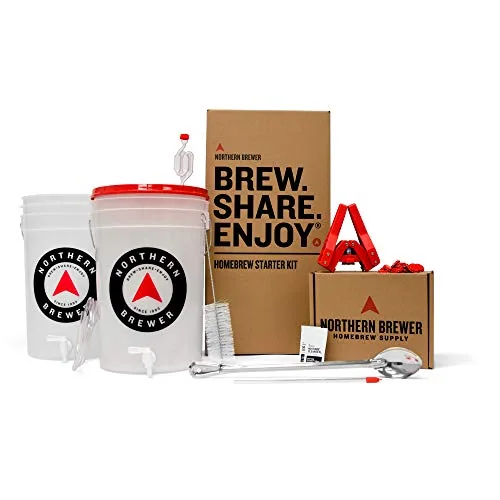
Northern Brewer Brew. Share. Enjoy. Starter Kit, Block Party Amber
- Batch size
- 5 gal
- Type
- Extract recipe kit + equipment
- Fermenter
- Siphonless fermenter
Best for A first 5-gallon extract batch
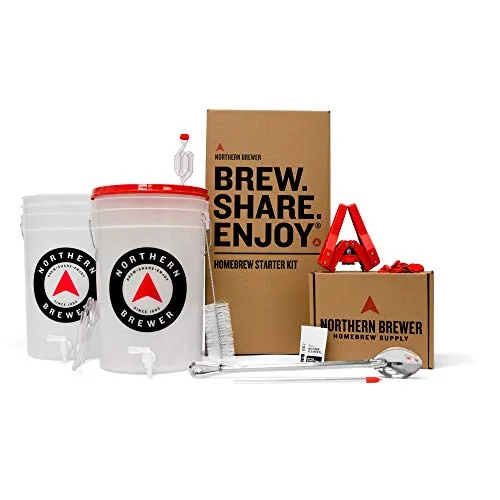
Northern Brewer Starter Kit with Kettle, Block Party Amber, 5 Gal
- Batch size
- 5 gal
- Type
- Extract recipe kit + equipment
Best for A complete 5-gallon start
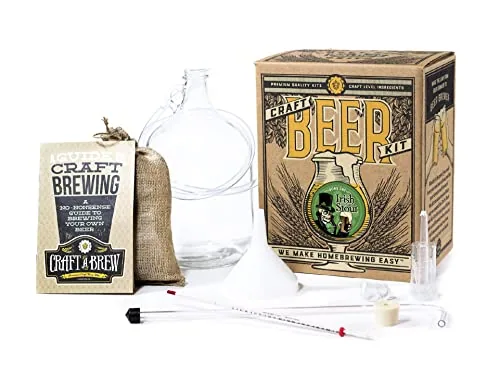
Craft A Brew 1 Gal Beer Making Kit, Irish Stout
- Batch size
- 1 gal
- Type
- Extract recipe kit + equipment
- Still need
- Bottles and caps
Best for Small-batch first brew or gift
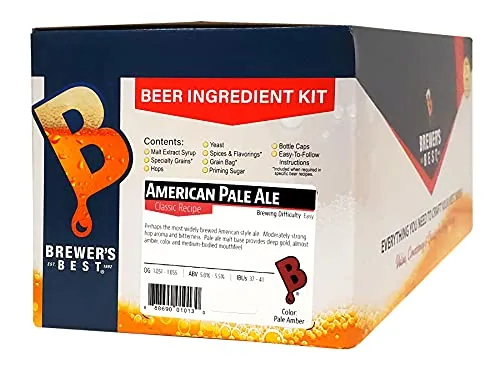
Brewer’s Best American Pale Ale Ingredient Kit
- Type
- Ingredient kit
- Still need
- Brewing and bottling equipment
Best for Classic pale ale refill
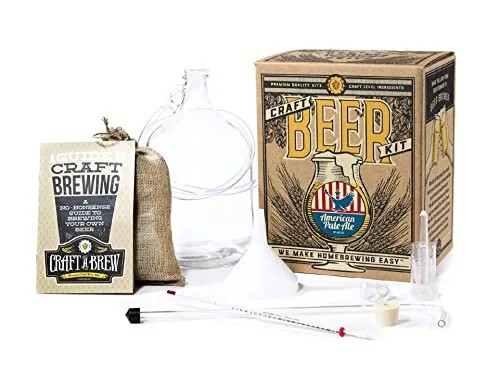
Craft A Brew 1 Gal Beer Making Kit, American Pale Ale
- Batch size
- 1 gal
- Type
- Extract recipe kit + equipment
- Still need
- Bottles and caps
Best for Small-batch first brew or gift
Honorable mention: German weissbier
Hefeweizen yeast makes banana and clove esters on purpose, so warm-ish fermentation is part of the style rather than a flaw. It is quick from brew day to glass. Carbonation is high (BYO lists 2.8–5.1 volumes for German weizen), so stay at or below about 3.0 volumes in standard bottles.
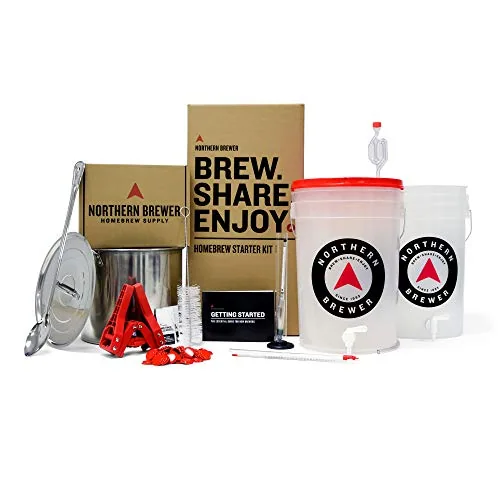
Northern Brewer Brew. Share. Enjoy. Starter Kit, Hank’s Hefeweizen
- Batch size
- 5 gal
- Type
- Extract recipe kit + equipment
Best for First batch without buying a kettle
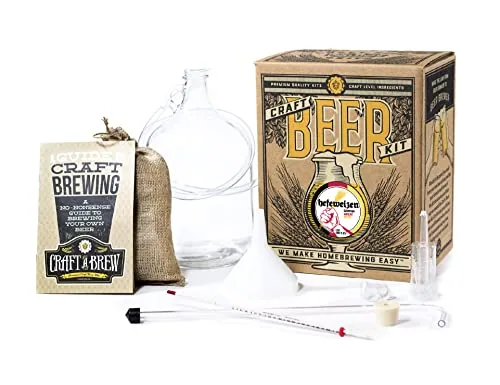
Craft A Brew 1 Gal Beer Making Kit, Hefeweizen
- Batch size
- 1 gal
- Type
- Extract recipe kit + equipment
- Still need
- Bottles and caps
Best for Small-batch first brew or gift
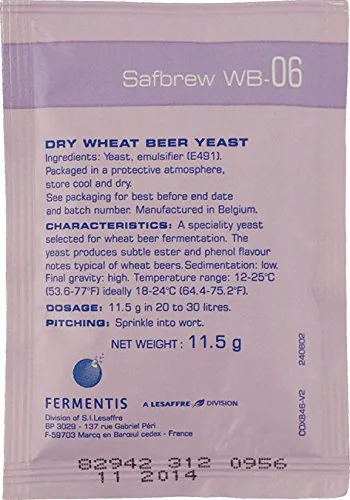
Fermentis SafAle WB-06 Dry Wheat Yeast, 11.5 g
- Type
- Dry wheat beer yeast
- Dose
- One sachet for 5–6 gal (listing)
Best for Hefeweizen and witbier
Simple extract recipe outlines (5 gal)
These outlines are starting points, not award recipes. Quantities are typical for 5 gal (19 L) at average efficiency; your exact OG and IBU depend on the extract brand, hop alpha acids and boil volume, so run them through the calculators and adjust. A kit with printed instructions is the easier route for batch one.
Extract outlines for first recipes
| Style | Extract | Steeping grain | Hops (60 / late) | Yeast |
|---|---|---|---|---|
| American pale ale | 6 lb light DME | 1 lb crystal 40°L | 1 oz bittering hop (≈7% AA) / 1–2 oz Cascade at 10–0 min | US-05 |
| American amber | 6 lb light or amber DME | 1 lb crystal 60°L, 4 oz Victory | 1 oz bittering / 1 oz Centennial late | US-05 or Nottingham |
| Blonde ale | 5 lb Pilsen or light DME | 8 oz white wheat or crystal 10–20°L | 0.75 oz bittering / 0.5 oz late | US-05 |
| Irish stout | 4.5 lb light DME | 1 lb roasted barley, 8 oz flaked barley* | 1.5 oz bittering, no late hops | S-04 or Nottingham |
| American porter | 6 lb light DME | 1 lb crystal 60°L, 8 oz chocolate, 4 oz black or roast | 1 oz bittering / 0.5 oz late | US-05 or S-04 |
Source: Outlines built to BJCP 2021 ranges; check with the IBU and SRM calculators
*Flaked barley needs a mash to convert its starch; in a pure extract batch it mainly adds body and some haze. Leave it out if you want a clearer stout.
As a check, Tinseth’s formula puts 1 oz of 7% alpha hops boiled 60 minutes in 5 gal at 1.050 at about 24 IBU, which fits pale and amber ales; late additions add aroma and a little more bitterness.
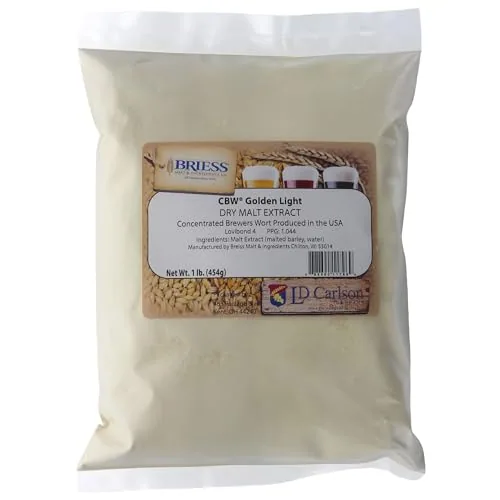
Briess Golden Light Dry Malt Extract, 1 lb
- Type
- Dry malt extract (DME)
- Size
- 1 lb
Best for Extract batches and yeast starters
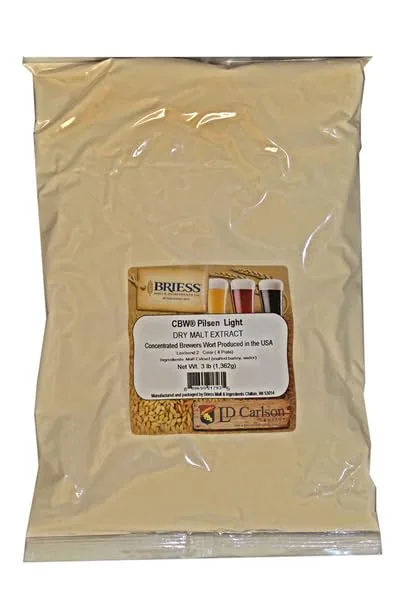
Briess Pilsen Light Dry Malt Extract, 3 lb
- Type
- Dry malt extract (DME)
- Size
- 3 lb
Best for Pale extract beers
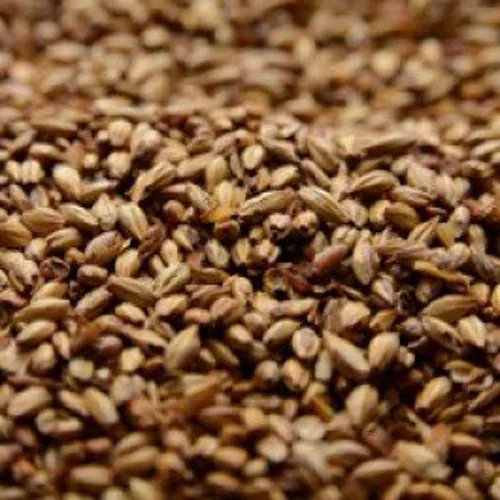
Briess Caramel 40L Malt, 1 lb
- Type
- Crystal/caramel malt
- Color
- 35–45 °L
- Size
- 1 lb
Best for Pale ales and ambers
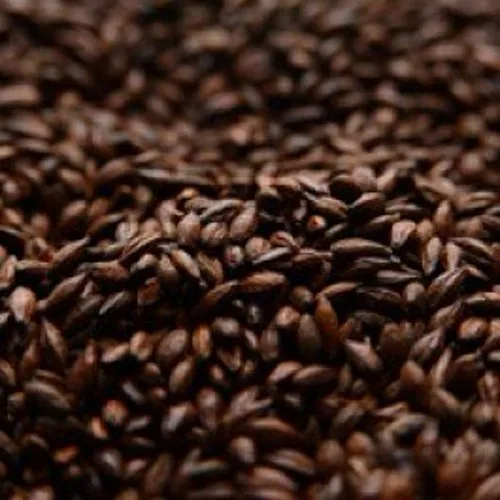
Briess Roasted Barley, 1 lb
- Type
- Roasted barley (unmalted)
- Color
- 300–400 °L
- Size
- 1 lb
Best for Dry stouts
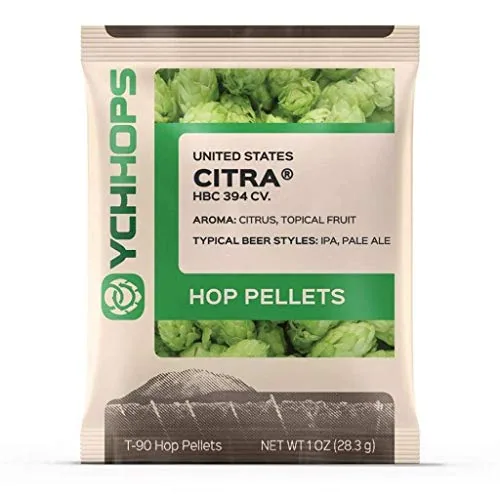
YCH Hops Citra Hop Pellets, 1 oz
- Type
- Hop pellets
- Variety
- Citra
- Size
- 1 oz
Best for Dry-hopping IPAs
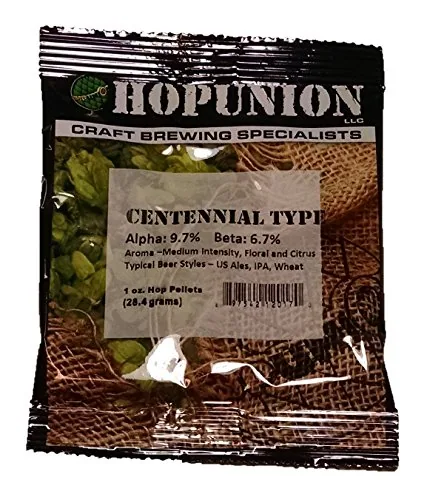
YCH (HopUnion) US Centennial Hop Pellets, 1 oz
- Type
- Hop pellets
- Variety
- Centennial
- Size
- 1 oz
Best for American pale ales
Yeast for beginner styles
One sachet of a clean dry ale yeast is enough for 5 gal of any beer in this guide. Dry yeast stores well, needs no starter at normal gravity, and the makers allow direct pitching.
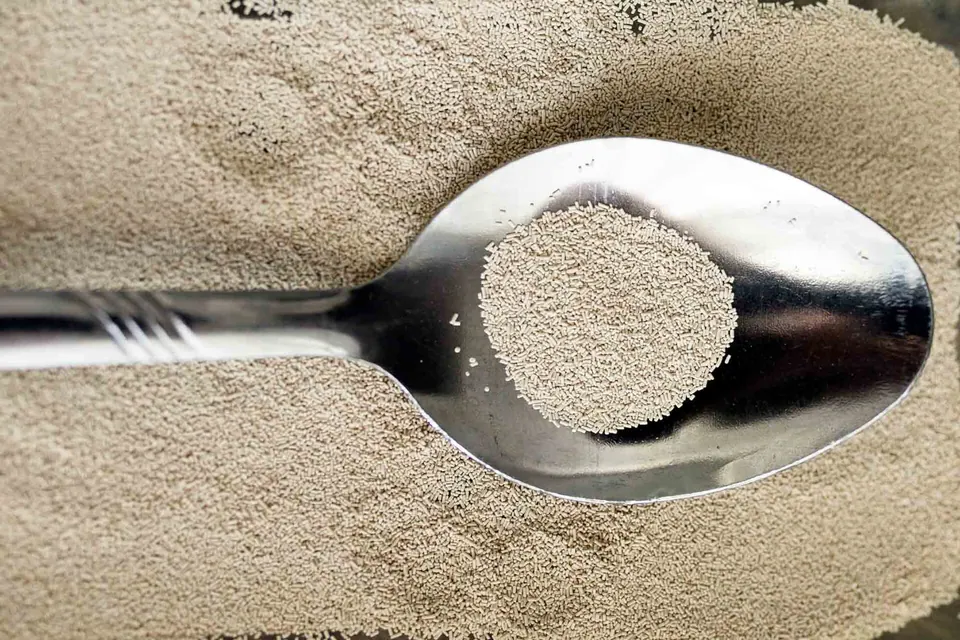
Dry yeast by the maker’s numbers
| Yeast | Use | Fermentation temp | Dose | Attenuation / tolerance | Rehydration |
|---|---|---|---|---|---|
| SafAle US-05 Fermentis | Ale (American) | 18–26°C (64.4–78.8°F) | 50–80 g/hL | 78–82%; not listed on the product page | Optional: ≥10× its weight of sterile water or boiled, hopped wort at 25–29°C (77–84°F), 15–30 min; or direct pitch at or above fermentation temperature |
| SafAle S-04 Fermentis | Ale (English) | 18–26°C (64.4–78.8°F) | 50–80 g/hL | 74–82%; 9–11% ABV | Optional: ≥10× its weight of sterile water or boiled, hopped wort at 25–29°C (77–84°F), 15–30 min; or direct pitch at or above fermentation temperature |
| SafLager W-34/70 Fermentis | Lager | 12–18°C (53.6–64.4°F) | 80–120 g/hL | 80–84%; 9–11% ABV | Optional: ≥10× its weight of sterile water or boiled, hopped wort at 15–25°C (59–77°F), 15–30 min; or direct pitch at or above fermentation temperature |
| LalBrew Nottingham Lallemand | Ale (English) | 10–25°C (50–77°F) | 50–100 g/hL | 78–84%; 14% ABV | Dry pitching is the maker's preferred method (no significant difference vs rehydration, per Lallemand) |
| LalBrew Voss (kveik) Lallemand | Ale (kveik) | 25–40°C (77–104°F) Optimum 35–40°C (95–104°F) per Lallemand | 50–100 g/hL | 76–82%; 12% ABV | Per the sachet |
| Lalvin EC-1118 Lallemand | Wine, cider, mead | 10–30°C (50–86°F) | 25 g/hL | Ferments dry; 18% v/v (subject to conditions) | 35–40°C (95–104°F) water for 20 min with Go-Ferm Protect Evolution (30 g/hL), then temper to within 5–10°C of the must |
Sources: Fermentis: SafAle US-05 product page; Fermentis: SafAle S-04 product page; Fermentis: SafLager W-34/70 product page; Lallemand: LalBrew Nottingham technical data sheet; Lallemand Brewing: LalBrew Voss Kveik Ale Yeast product page; Lallemand: Lalvin EC-1118 technical data sheet. 1 hL = 26.4 US gal, so 50 g/hL ≈ 1.9 g per gallon. Follow the sachet you buy; makers update their sheets.
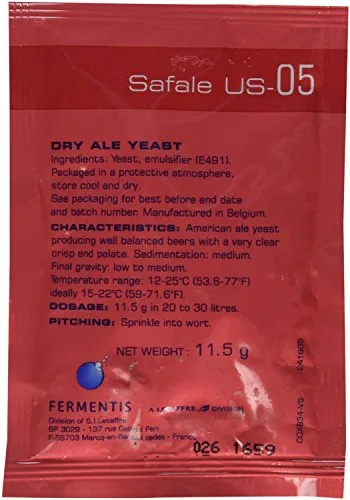
Fermentis SafAle US-05 Dry Ale Yeast, 11.5 g
- Type
- Dry ale yeast, American
- Dose
- 50–80 g/hL (11.5 g ≈ 3.8–6 gal)
- Temp
- 59–75°F (15–24°C)
Best for American pale ales and IPAs
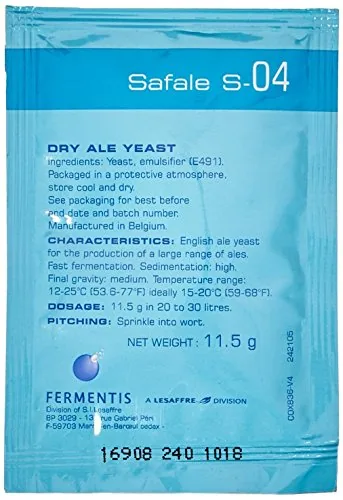
Fermentis SafAle S-04 Dry Ale Yeast, 11.5 g
- Type
- Dry ale yeast, English
Best for English ales and stouts
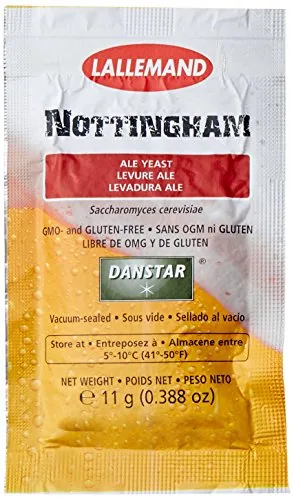
Lallemand LalBrew Nottingham Ale Yeast, 11 g
- Type
- Dry ale yeast, English
- Dose
- 50–100 g/hL
- Temp
- 59–68°F (listing); 10–25°C on TDS
Best for Clean ales and a reliable backup yeast
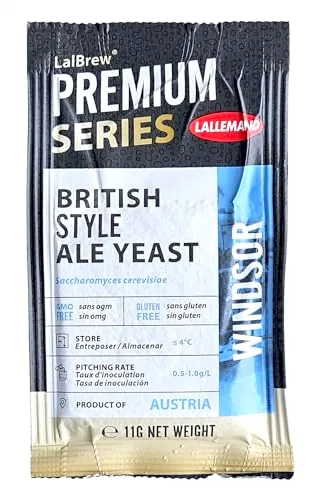
Lallemand LalBrew Windsor British Ale Yeast, 11 g
- Type
- Dry ale yeast, English
Best for Full-bodied English ales
US-05 is the neutral American choice; S-04 and Windsor add a little English fruit and drop clear; Nottingham ferments clean even somewhat cool. Details in rehydrate dry yeast or direct pitch and the fermentation temperature guide.
Carbonation by style family
Matching carbonation to style finishes the beer properly: a stout at weizen carbonation tastes harsh, and a pale ale at cask levels tastes flat.
CO2 volumes by style family (bottle or keg)
| Style family | Volumes of CO2 | Bottle-safe? |
|---|---|---|
| British ales | 1.5–2.2 | ✓ standard bottles |
| American ales | 2.2–3 | ✓ standard bottles |
| European lagers | 2.4–2.6 | ✓ standard bottles |
| American lagers | 2.5–2.8 | ✓ standard bottles |
| Belgian ales | 2–4.5 | ~ standard bottles only to about 3 vol |
| German weizen | 2.8–5.1 | ~ standard bottles only to about 3 vol |
Style ranges: BYO: Carbonation priming chart. Standard 12 oz pry-off bottles are not meant for more than about 3.0 volumes. Bottle only after the gravity reads the same 2–3 days in a row.
Plug the target into the priming sugar calculator or the keg chart.
Styles to save for later
- Lagers and pilsners: need 48–55°F fermentation, a diacetyl rest and weeks of cold conditioning. Brew them once you have a fridge and controller.
- Hazy IPA: heavy dry hopping and strong sensitivity to oxygen; it shines with kegging and closed transfers.
- Big beers (imperial stout, barleywine, double IPA): need more yeast, more oxygen and long aging.
- Sours and wild beers: bacteria and Brettanomyces need dedicated soft plastic gear to avoid cross-contamination.
- Very pale, very clean beers (cream ale, light lager): no malt or hop character to hide flaws.
Mistakes to avoid with first recipes
- Changing five things at once. Brew a recipe, then change one variable.
- Adding fruit, spice or coffee to batch one. Learn the base beer first.
- Chasing high ABV. Strong beers are harder to ferment cleanly and are easy to over-pour. Count standard drinks.
- Using old hops or extract. Stale ingredients taste stale; buy fresh, store hops cold and sealed.
- Ignoring the style’s carbonation. Use the family target.
- Skipping the hydrometer. Style ranges are only useful if you measure.
Which style should you brew first?
- Want the safest first batch: American amber or Irish stout.
- Love hops: American pale ale, brewed cool and packaged fast.
- Brewing for friends who drink light beer: blonde ale, once your temperature control is steady.
- Winter brewing in a cool basement: porter or stout.
- Want something fast and fun: a weissbier kit.
New to the process itself? Start with how to brew beer at home. When you are ready to compose recipes from grain, see how to brew all-grain. Everything here is for adults 21+; homebrew is often stronger than store beer, so check the ABV and never drink and drive.
Gear picks for this guide: best beer making kits for beginners and best dry yeast for IPA and pale ale.