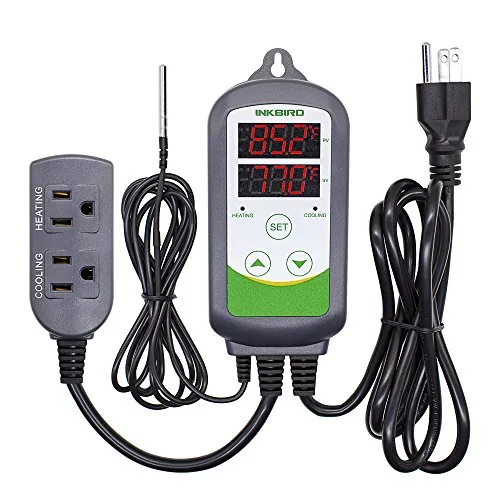
Inkbird
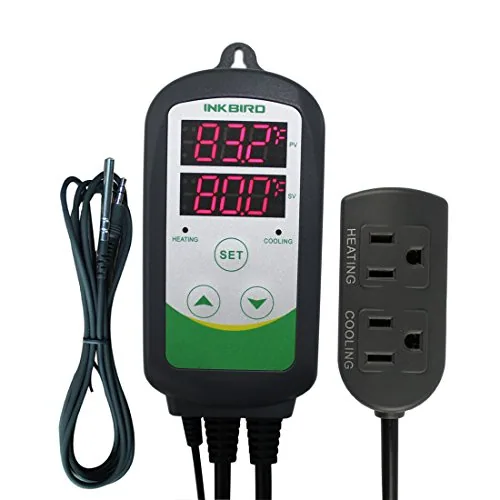
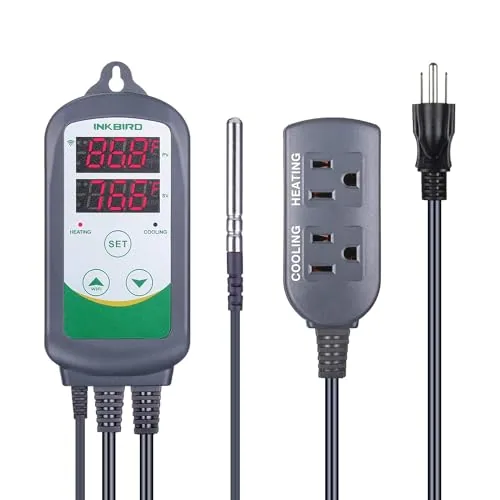
Inkbird ITC-308 Dual-Stage Temperature Controller, 110V
- Outputs
- 2 outlets: heating and cooling
- Range
- °C/°F display, high/low alarms
- Power
- 110V, 10A, 1100 W max (listing)
Best for Fridge or heat-wrap fermentation control
Controllers, chambers, heat wraps, glycol, insulated bags and kveik yeast for garages that run hot in summer and cold in winter.
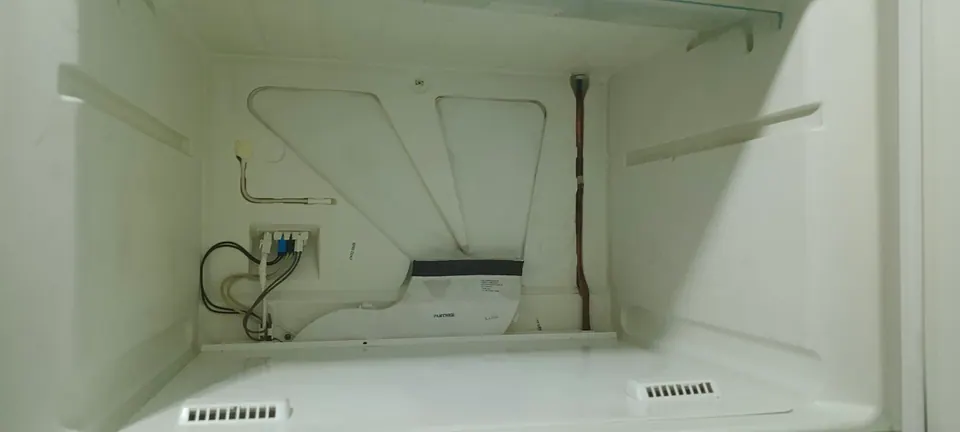
Fermentation temperature control matters most when the garage runs hot. Yeast makes its own heat during active fermentation, so a fermenter can sit several degrees above the room, past the range on the packet. You have three ways out: cool the beer (a chamber, glycol or an ice bath), insulate it, or choose a yeast that likes heat.
| Fix | What you need | Best for |
|---|---|---|
| Fridge or freezer chamber | Dual-stage controller + heat wrap | ✓ Any style, all year |
| Glycol chiller | Chiller, coil or jacketed fermenter | ~ Conicals and multiple fermenters |
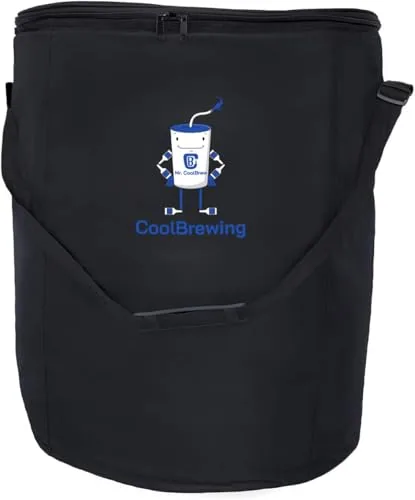
| Insulated bag or swamp cooler | Bag or tub, frozen bottles | ~ Ales in a mild garage |
| Kveik or saison yeast | A heat-loving strain | ✓ Hot garages without power |
Best for Fridge or heat-wrap fermentation control
Best for Thermowell temperature control
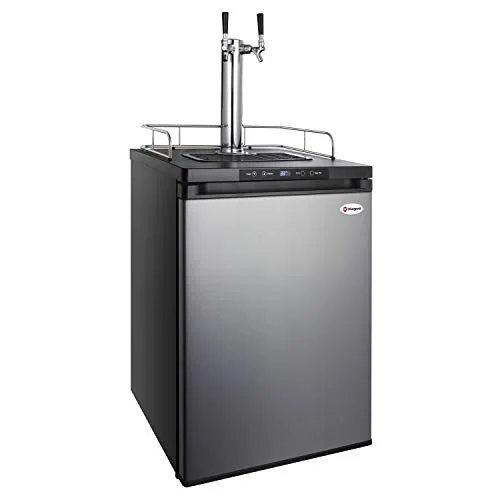
Best for A dedicated homebrew kegerator
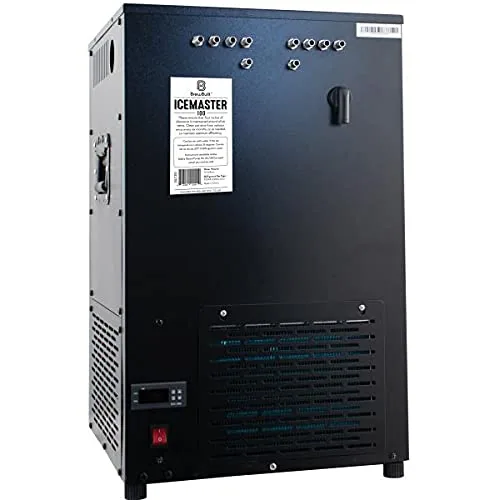
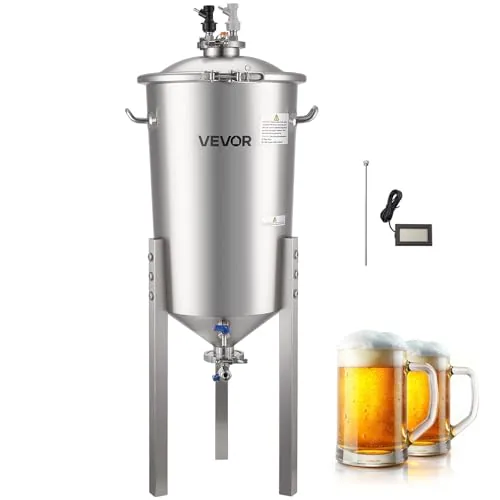
Best for Cooling stainless conicals
Best for Hot garages and apartments
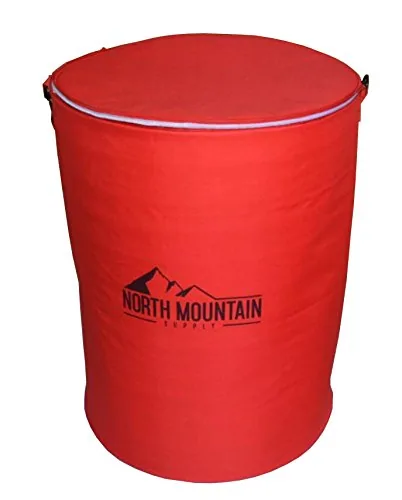
Best for Summer ales without a fridge
Best for Fridge or heat-wrap fermentation control
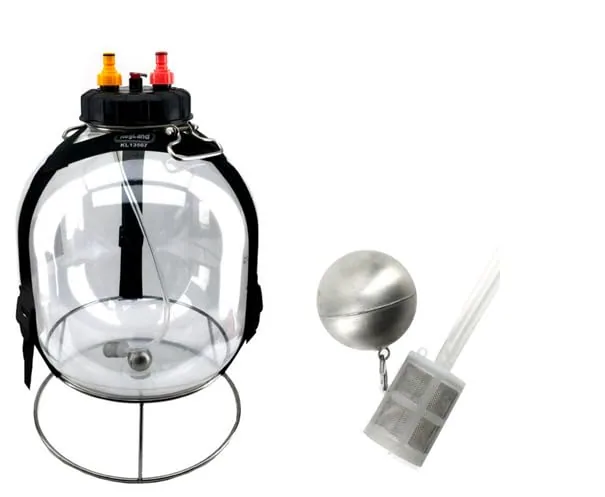
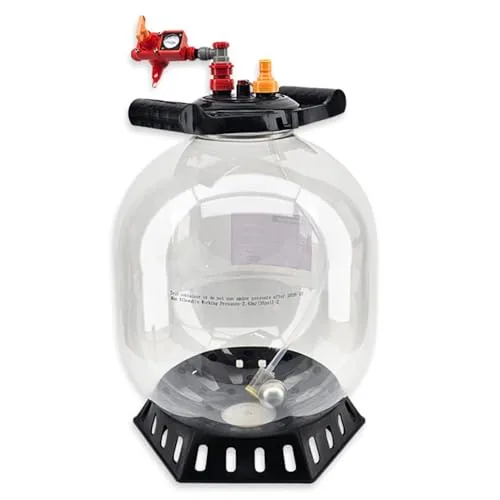
Best for Pressure fermenting and closed transfers
Best for Budget stainless pressure fermenting
Best for First pressure fermenter
Best for Hot garages and apartments
Best for Remote fermentation monitoring
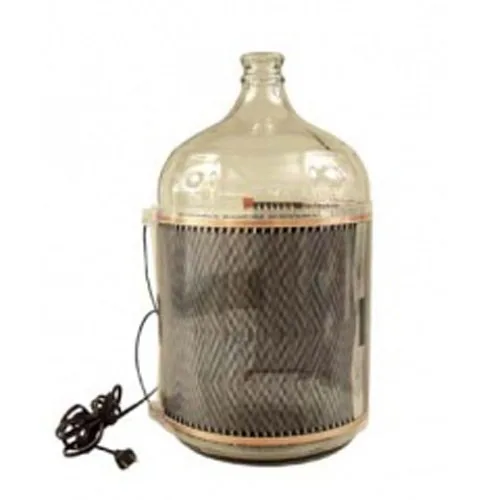
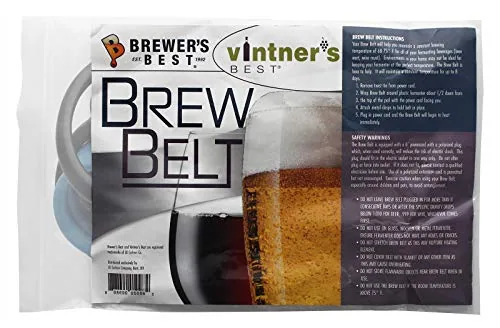
Best for Gentle heat for any fermenter
Best for Cooling stainless conicals
Best for Logging fermentation without pulling samples
Best for A second fermenter alongside a black Tilt
Best for A Tilt alternative in a KegLand setup
Best for Dry saisons in warm weather
Best for Summer brewing without temp control
Best for Brewers who make saison often
Best for Saisons without diastaticus worries
Best for Saisons in a hot garage
Best for Warm fermentation
Best for Pseudo-lagers in summer
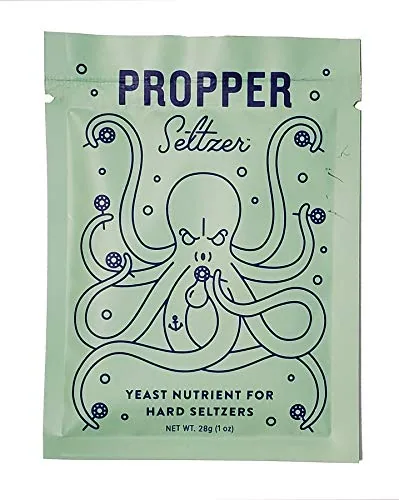
Best for Clean hard seltzer
Best for Summer seltzer batches
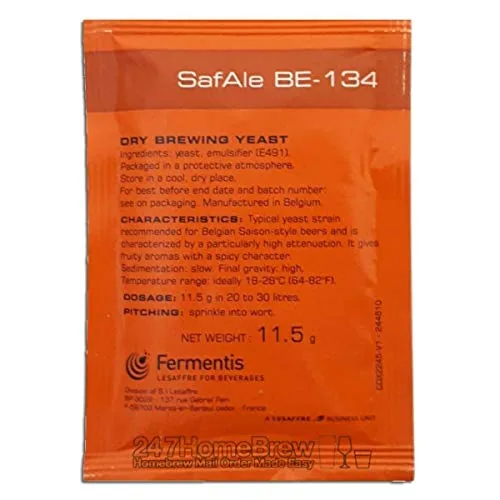
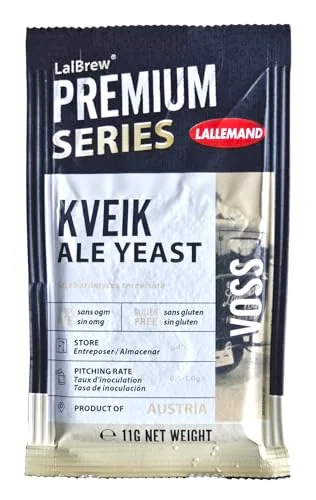
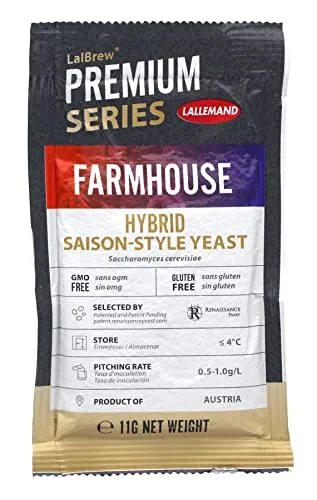
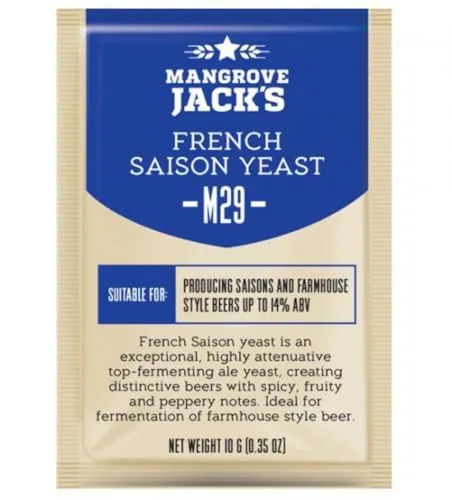
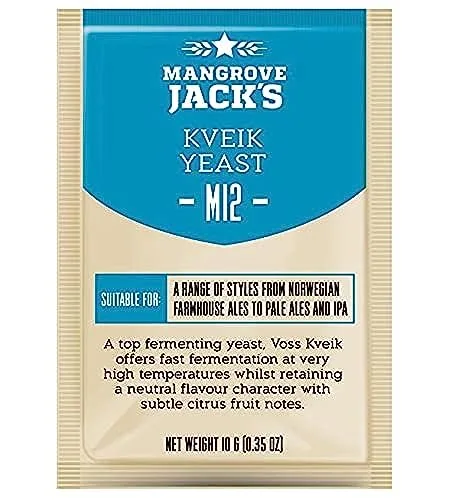
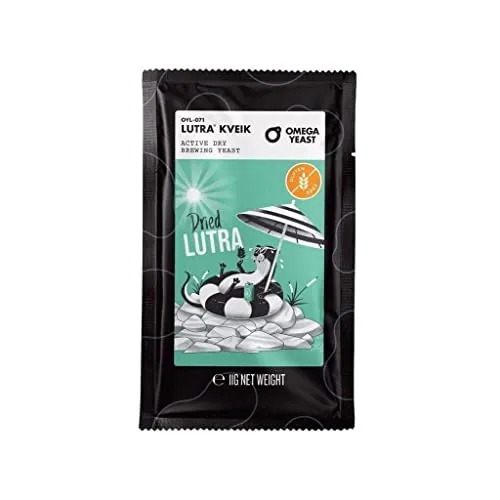
Kveik strains ferment clean at temperatures that would make a normal ale taste hot. LalBrew Voss lists 95–104°F (35–40°C) as optimal; Omega Lutra lists 68–95°F (20–35°C). Saison strains like Fermentis BE-134 (64–82°F) also suit summer.
Dry yeast by the maker’s numbers
| Yeast | Use | Fermentation temp | Dose | Attenuation / tolerance | Rehydration |
|---|---|---|---|---|---|
| SafAle US-05 Fermentis | Ale (American) | 18–26°C (64.4–78.8°F) | 50–80 g/hL | 78–82%; not listed on the product page | Optional: ≥10× its weight of sterile water or boiled, hopped wort at 25–29°C (77–84°F), 15–30 min; or direct pitch at or above fermentation temperature |
| SafAle S-04 Fermentis | Ale (English) | 18–26°C (64.4–78.8°F) | 50–80 g/hL | 74–82%; 9–11% ABV | Optional: ≥10× its weight of sterile water or boiled, hopped wort at 25–29°C (77–84°F), 15–30 min; or direct pitch at or above fermentation temperature |
| SafLager W-34/70 Fermentis | Lager | 12–18°C (53.6–64.4°F) | 80–120 g/hL | 80–84%; 9–11% ABV | Optional: ≥10× its weight of sterile water or boiled, hopped wort at 15–25°C (59–77°F), 15–30 min; or direct pitch at or above fermentation temperature |
| LalBrew Nottingham Lallemand | Ale (English) | 10–25°C (50–77°F) | 50–100 g/hL | 78–84%; 14% ABV | Dry pitching is the maker's preferred method (no significant difference vs rehydration, per Lallemand) |
| LalBrew Voss (kveik) Lallemand | Ale (kveik) | 25–40°C (77–104°F) Optimum 35–40°C (95–104°F) per Lallemand | 50–100 g/hL | 76–82%; 12% ABV | Per the sachet |
| Lalvin EC-1118 Lallemand | Wine, cider, mead | 10–30°C (50–86°F) | 25 g/hL | Ferments dry; 18% v/v (subject to conditions) | 35–40°C (95–104°F) water for 20 min with Go-Ferm Protect Evolution (30 g/hL), then temper to within 5–10°C of the must |
Sources: Fermentis: SafAle US-05 product page; Fermentis: SafAle S-04 product page; Fermentis: SafLager W-34/70 product page; Lallemand: LalBrew Nottingham technical data sheet; Lallemand Brewing: LalBrew Voss Kveik Ale Yeast product page; Lallemand: Lalvin EC-1118 technical data sheet. 1 hL = 26.4 US gal, so 50 g/hL ≈ 1.9 g per gallon. Follow the sachet you buy; makers update their sheets.
Best for Summer brewing without temp control
Best for Warm fermentation
Best for Pseudo-lagers in summer
Best for Dry saisons in warm weather
Best for Saisons in a hot garage
Plug the fridge into the controller's cooling outlet and a heat wrap into its heating outlet, then tape the probe to the fermenter under insulation. Use the compressor delay to protect the fridge. The same setup warms a cold winter garage for ales, or holds 48–55°F (9–13°C) for lagers.
Best for Warming ales in a cold garage
Best for Keeping a bucket warm in winter
Best for Gentle heat for any fermenter
Water tubs, wet towels and power cords share the floor in a swamp-cooler setup, so plug everything into a GFCI-protected outlet.
Check the seasonal calendar for what suits each month in a hot-summer or cold-winter garage.
Related reading: best dry yeast for IPA and pale ale.
 Best of
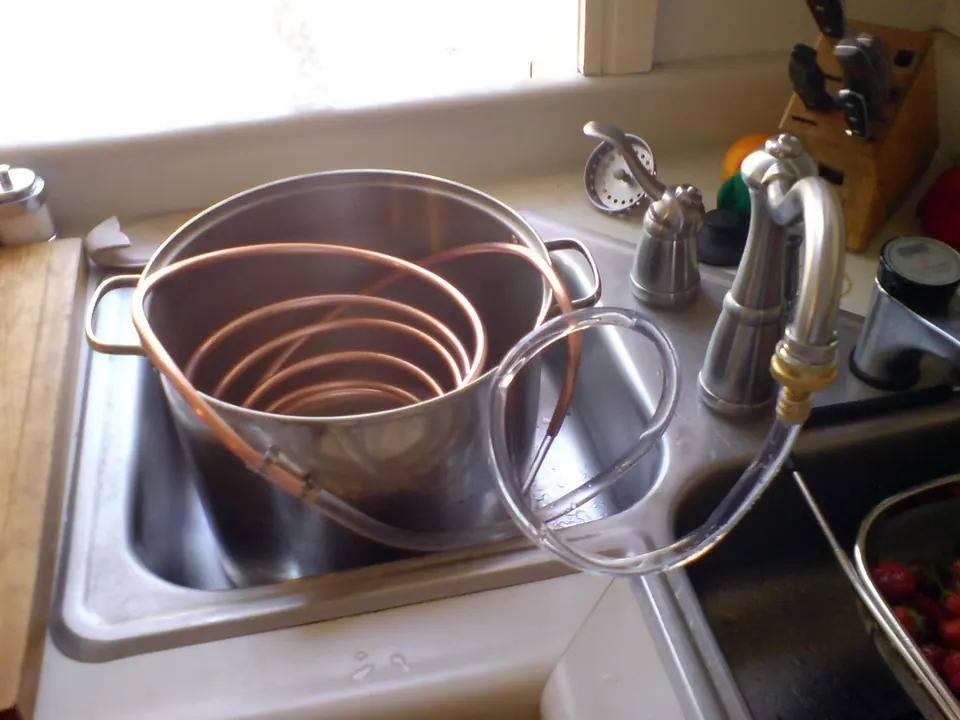
The best wort chiller for your setup: immersion, counterflow and plate chillers from JaDeD, Anvil, Grainfather and…
 Best of
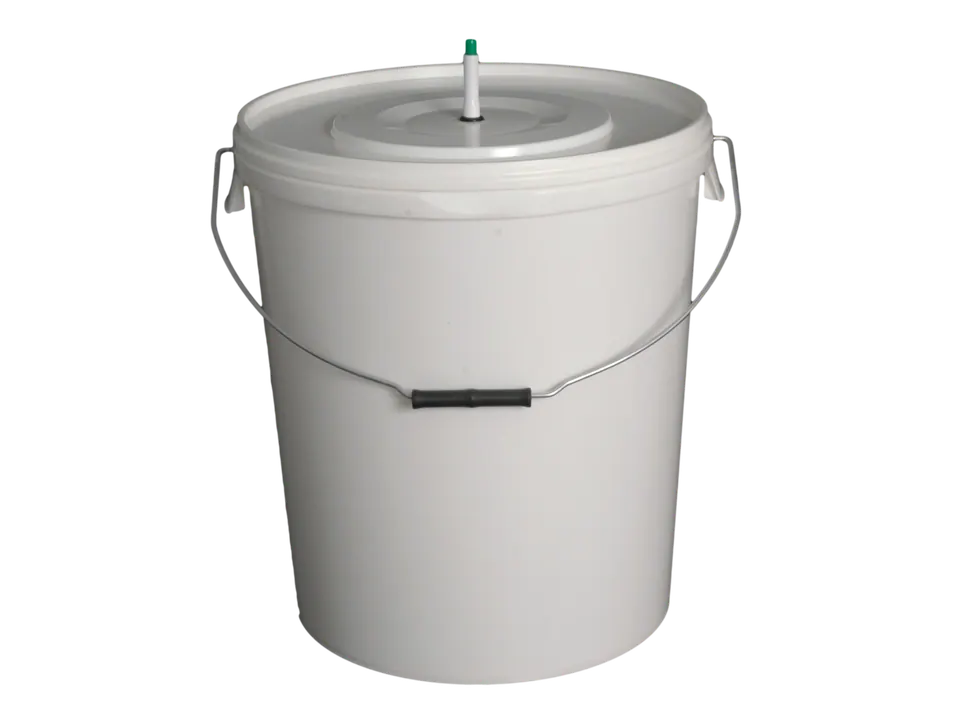
The best fermenter for homebrew by material: buckets, PET carboys, glass, a FermZilla pressure kit and stainless…
 Best of
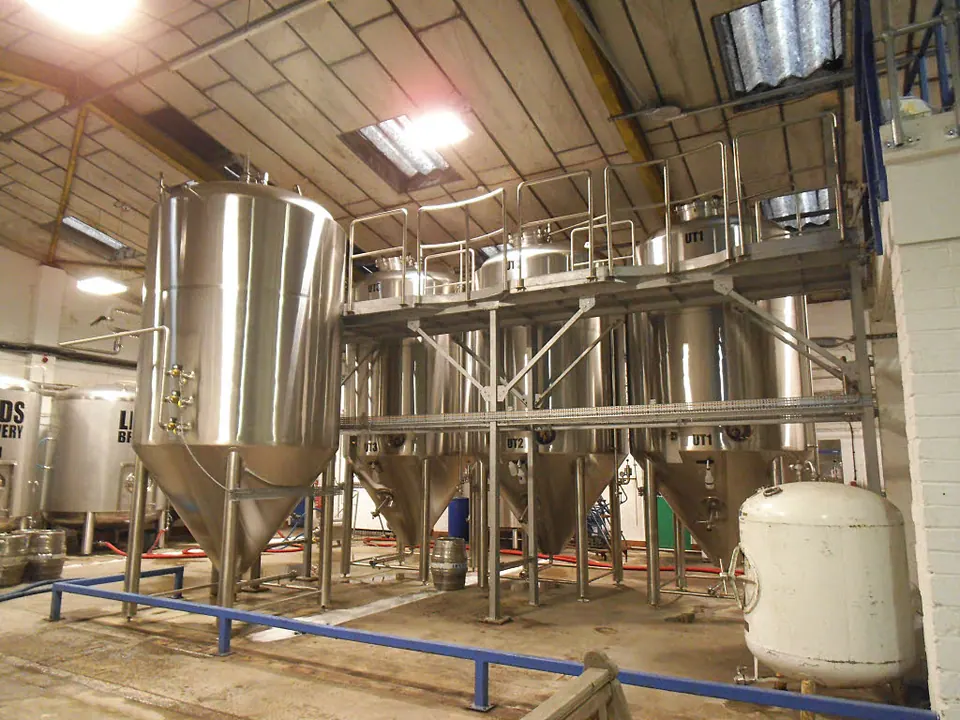
The best conical fermenter for your batch size: stainless and PET conicals compared by volume, material, valves,…
 Best of
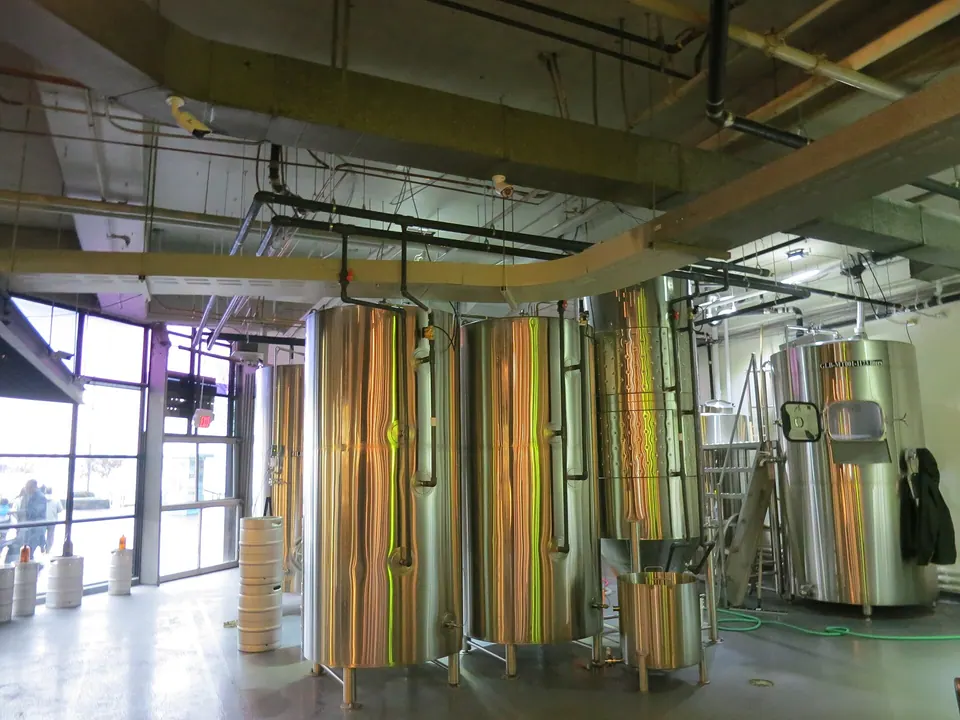
The best pressure fermenter for homebrew: FermZilla, Kegmenter, VEVOR and corny kegs compared by listed pressure…
 Best of
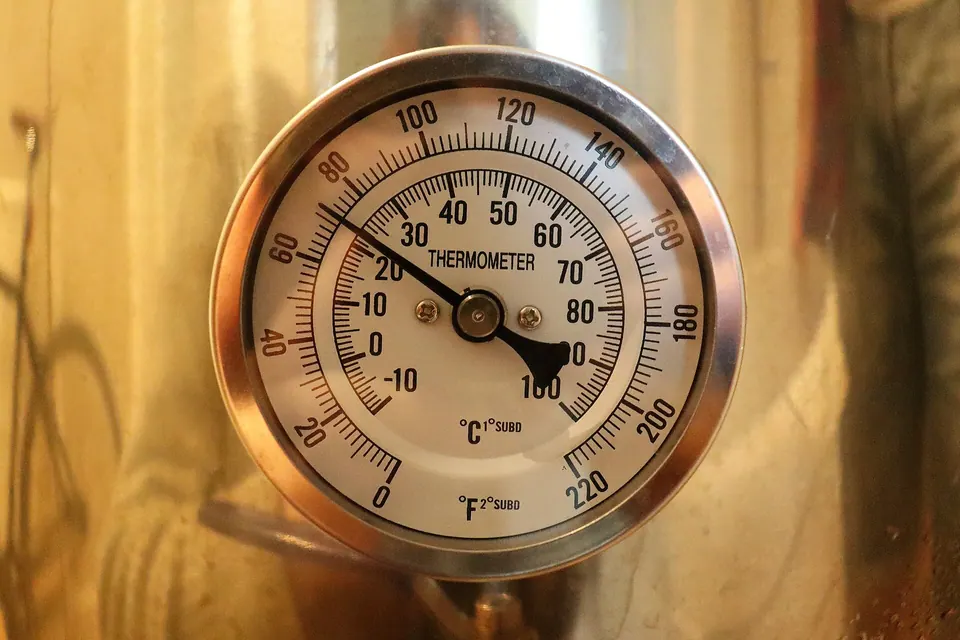
The best fermentation temperature controller for a fridge, freezer or glycol loop: Inkbird ITC-308 models compared by…
 Best of
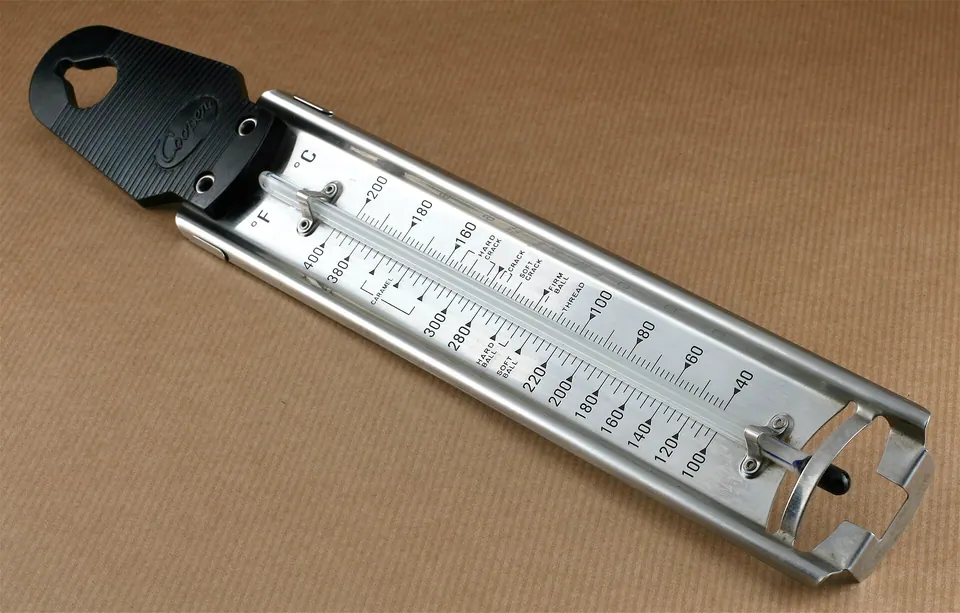
The best fermentation chamber setup for your space: fridge plus controller, kegerator, cooler bag or glycol coil, with…