Atago
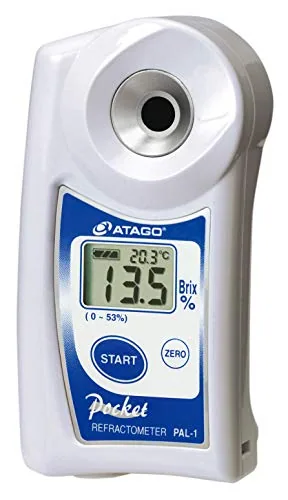
Atago PAL-1 Digital Pocket Refractometer
- Range
- 0.0–53.0% Brix
- Scale
- Brix
- ATC
- Not listed
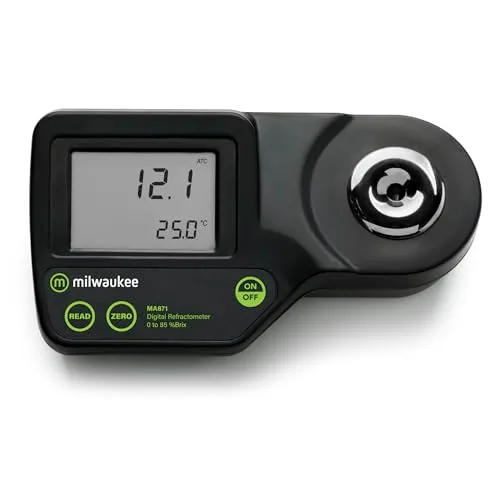
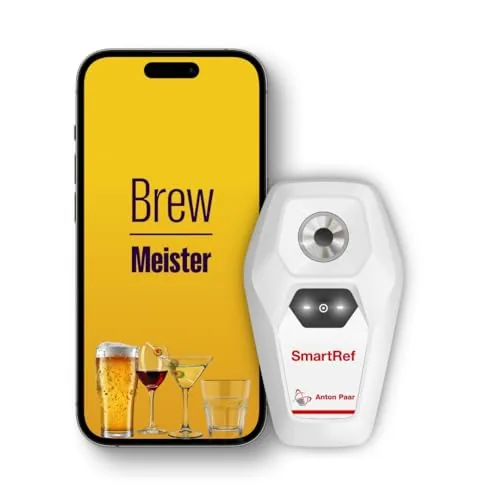
Best for Winemakers and brewers who want a digital Brix reading
Triple-scale hydrometers and test jars, refractometers, wireless digital hydrometers, pH meters, thermometers and scales, by listed range and accuracy.
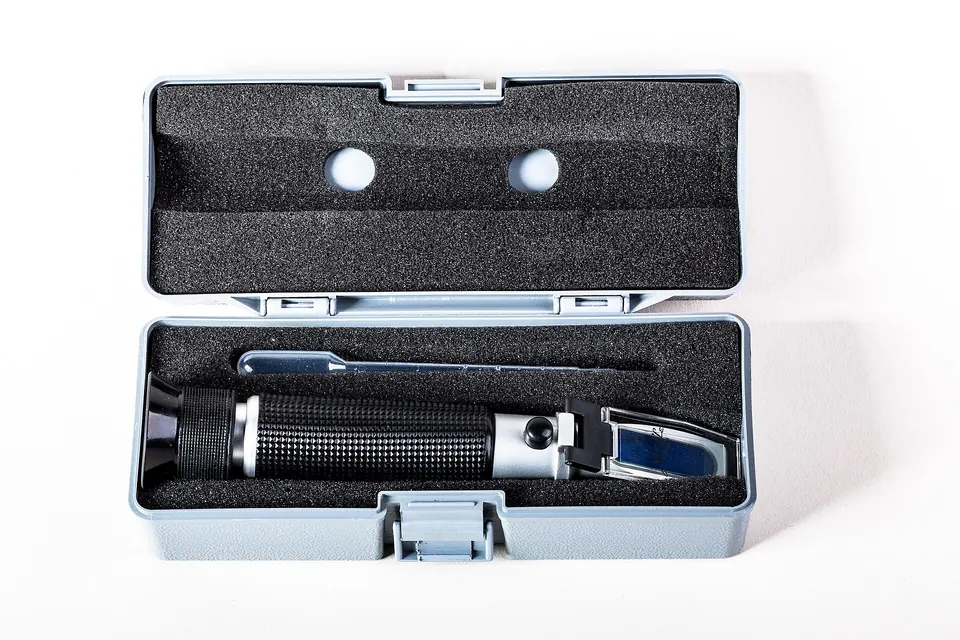
Best for Winemakers and brewers who want a digital Brix reading
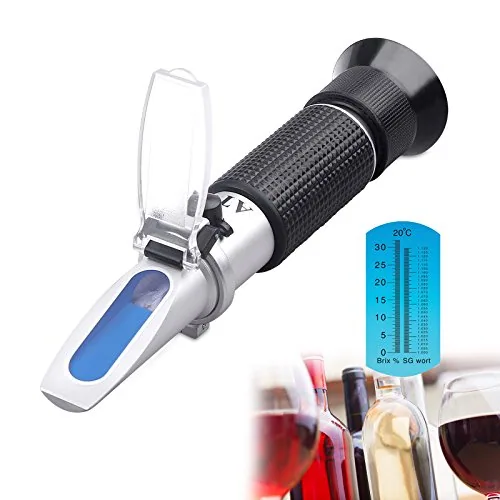
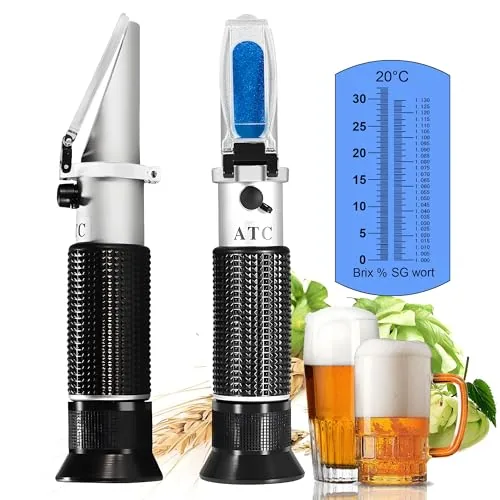
Best for Must and wort sugar readings
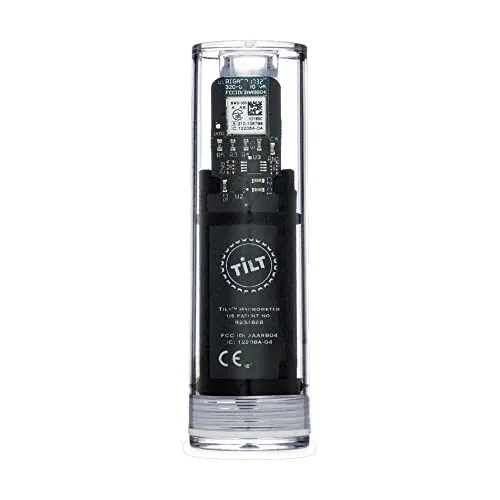
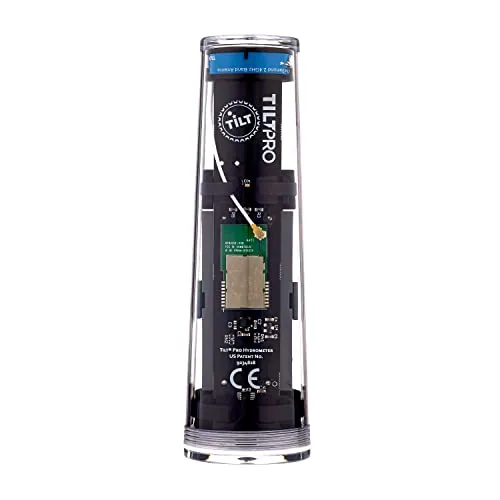
Best for Data-minded brewers and winemakers
Best for Logging fermentation without pulling samples
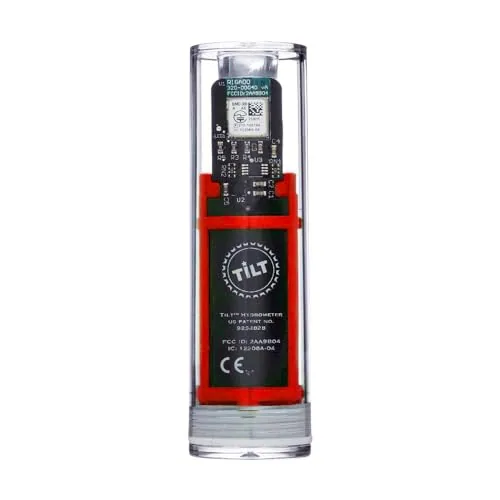
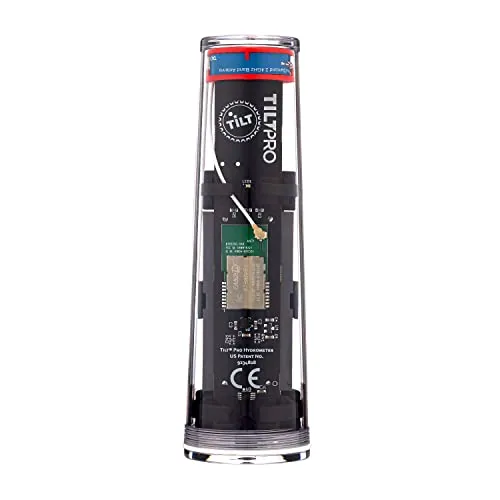
Best for A second fermenter alongside a black Tilt
Best for Advanced brewers with large fermenters
Best for A second large fermenter
Best for Fermenting in kegs or stainless
Best for Brewers who dislike fragile glass electrodes
Best for A Tilt alternative in a KegLand setup
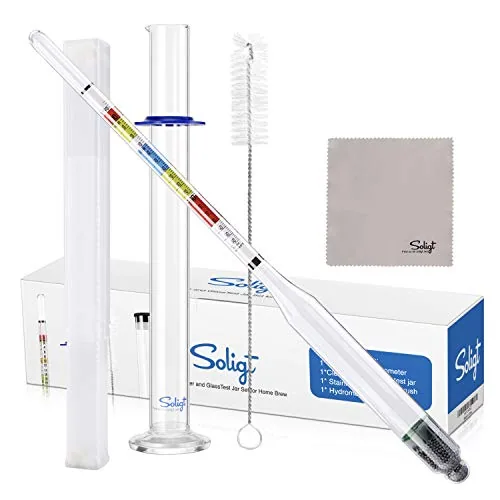
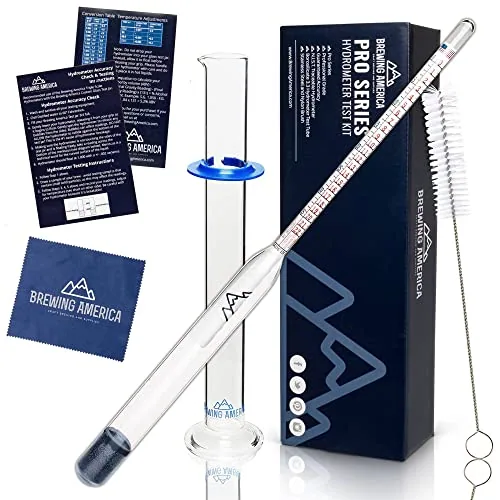
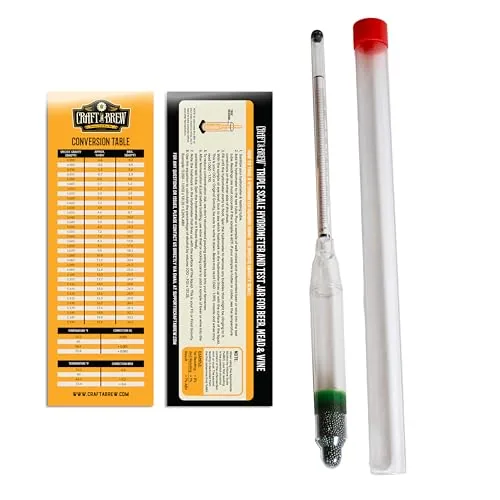
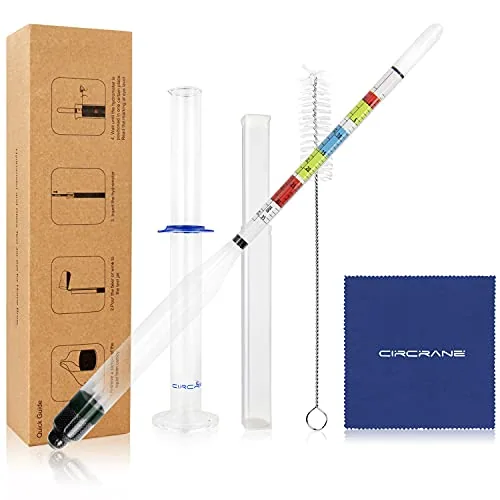
Best for A complete first hydrometer kit
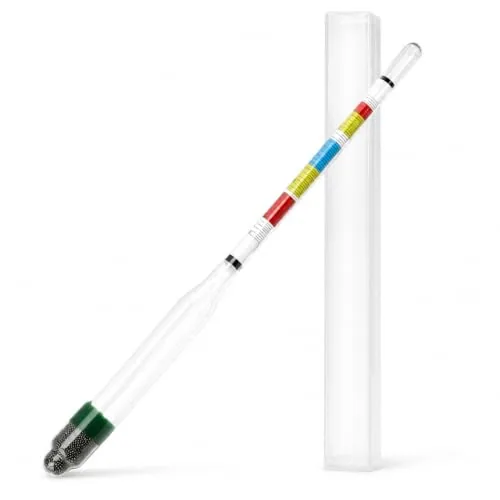
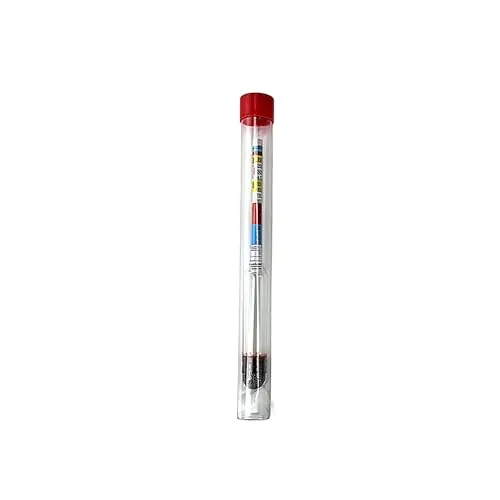
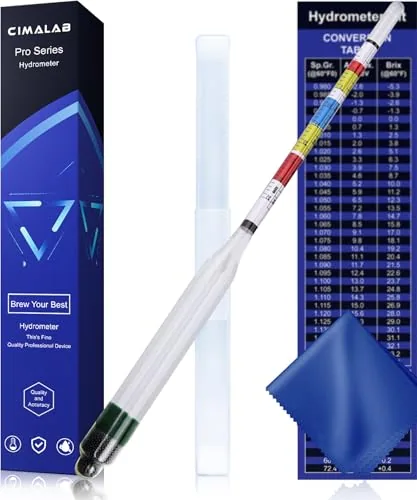
Best for Replacing a broken hydrometer
Best for Brewers who want a US-made glass hydrometer
Best for Brewers who keep breaking glass hydrometers
Best for Small test jars and short samples
Best for Quick wort gravity checks on brew day
Best for Pre-boil and post-boil gravity checks
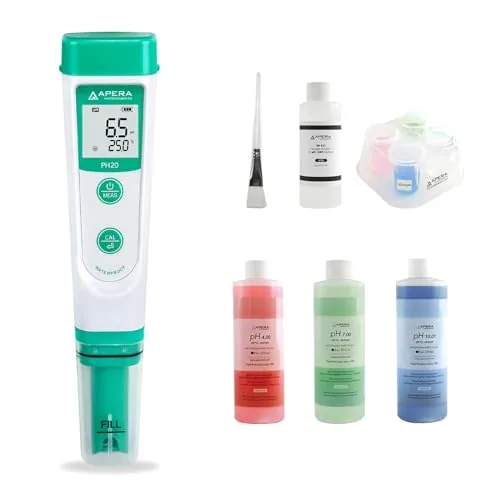
Best for Checking mash and wine pH
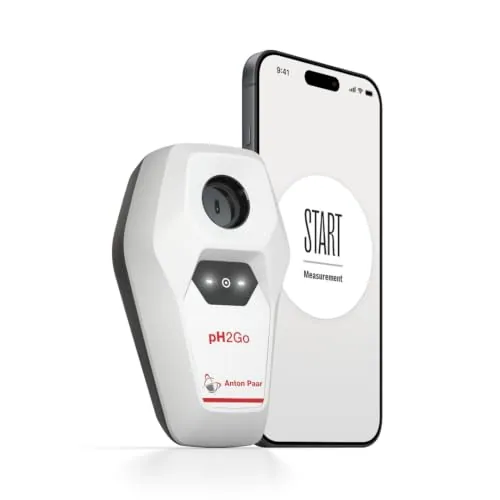
Best for Kombucha and wine pH checks
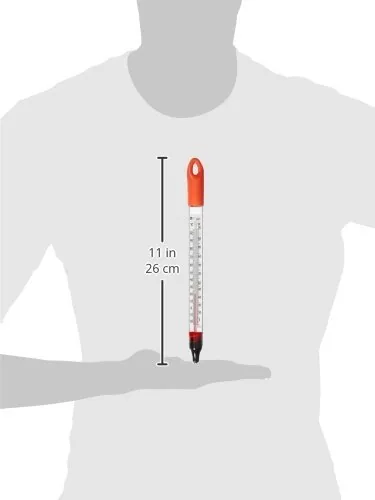
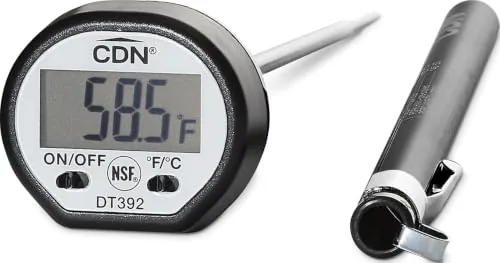
Best for Checking mash and strike temperatures
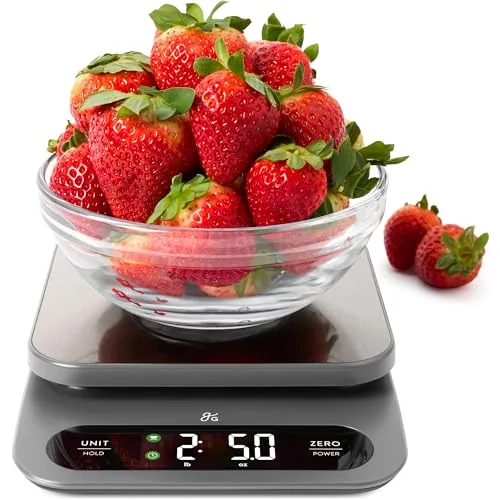
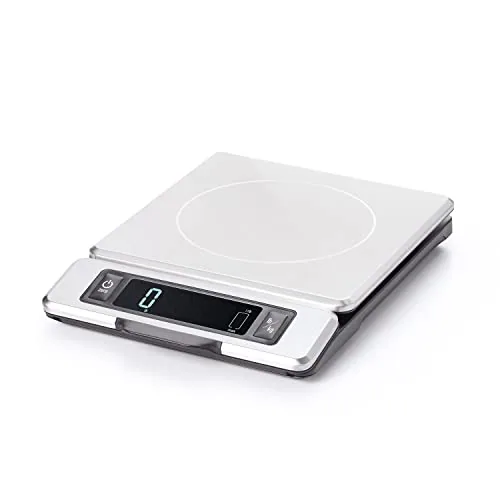
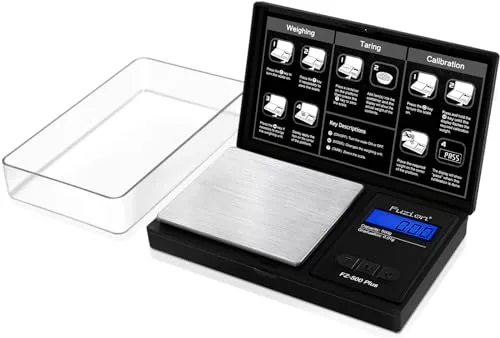
Best for Weighing hops and specialty grain
Best for Weighing larger grain bills
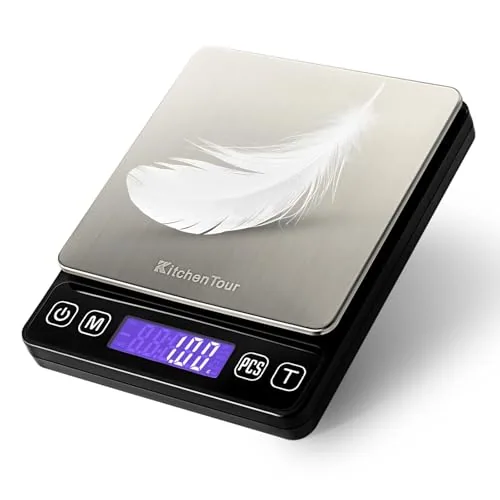
Best for Weighing small doses of water salts
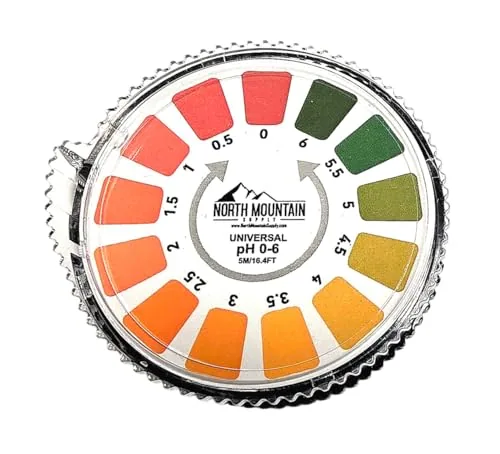
Best for Rough mash pH checks
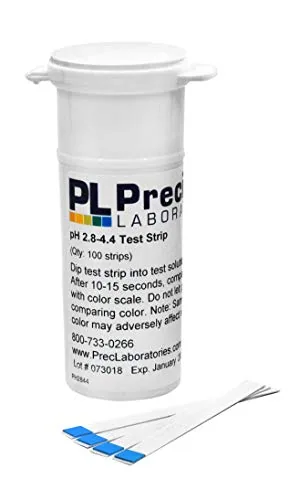
Best for Wine and cider pH checks
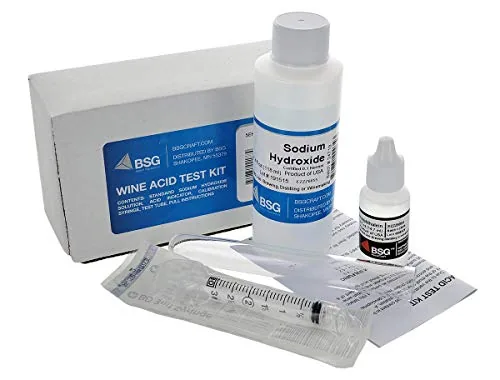
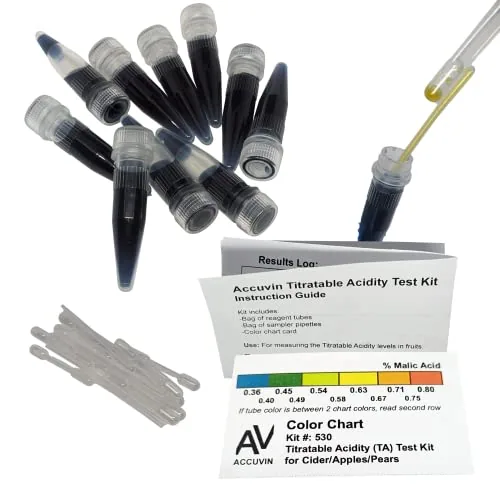
Best for Checking must acidity
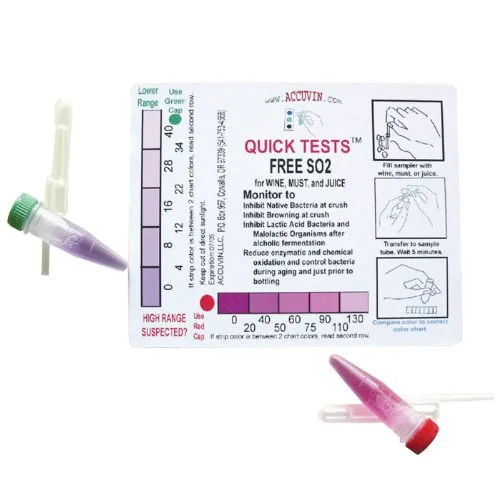
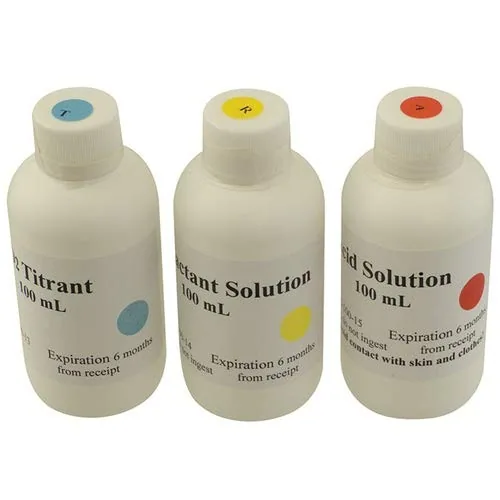
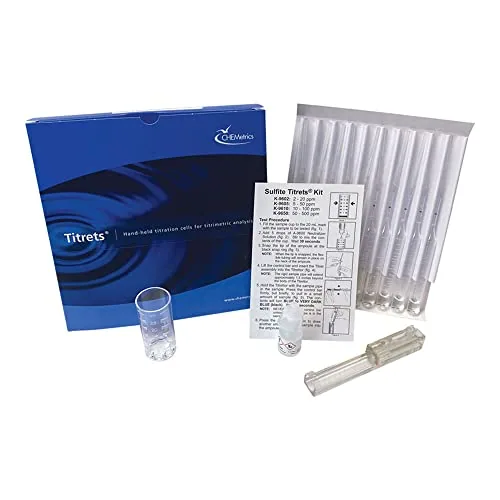
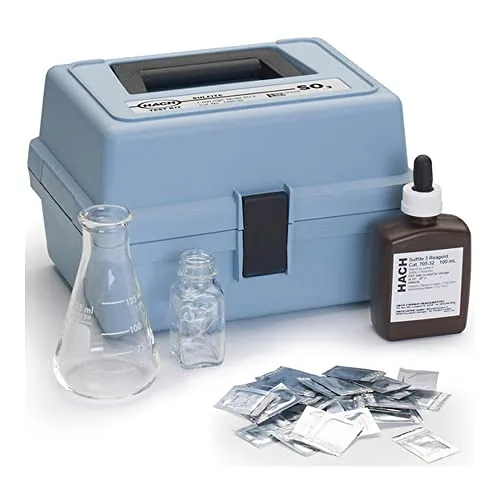
Best for Tracking sulfite levels
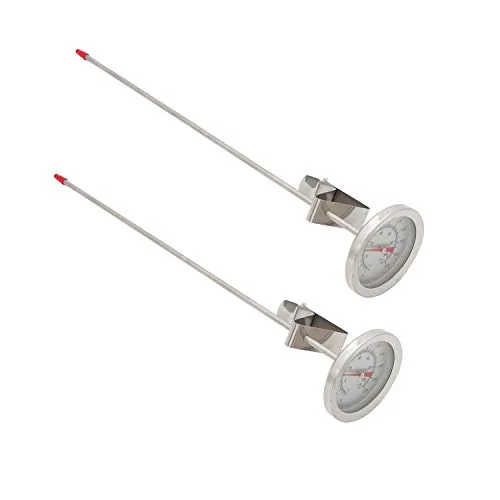
Best for Monitoring steeping or cooling wort
Best for An entry pH tester with calibration gear
Best for Mash temperature checks
Best for An affordable first brewing thermometer
Best for Taking gravity readings with small samples
Best for A spare hydrometer
Best for A low-cost spare hydrometer
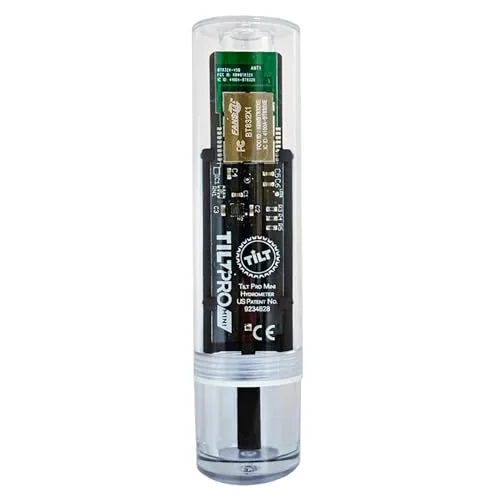
Best for Remote logging for Tilt owners
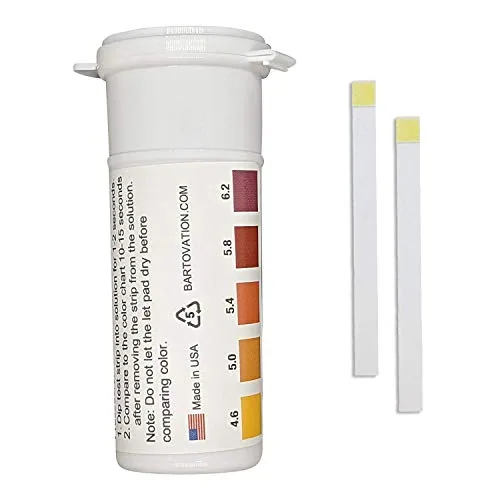
Best for Rough pH checks
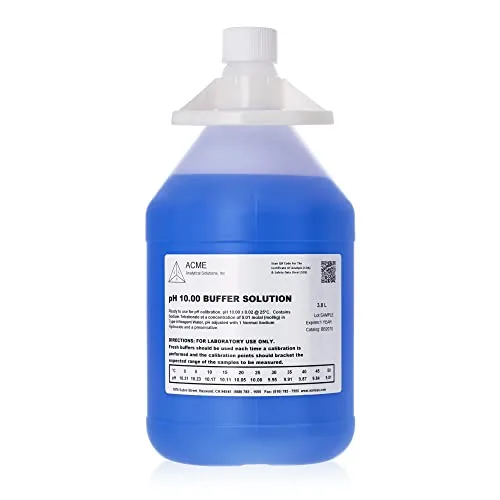
Best for Meters that call for a pH 10 point
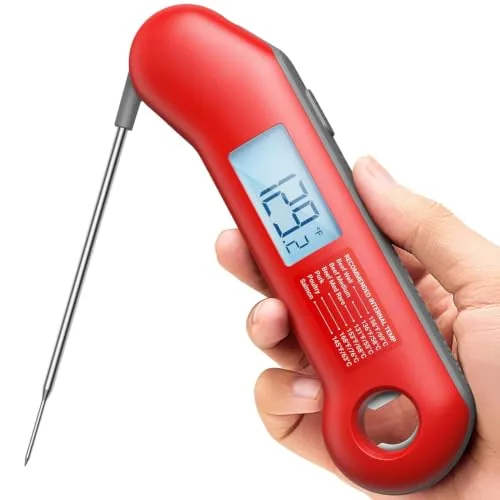
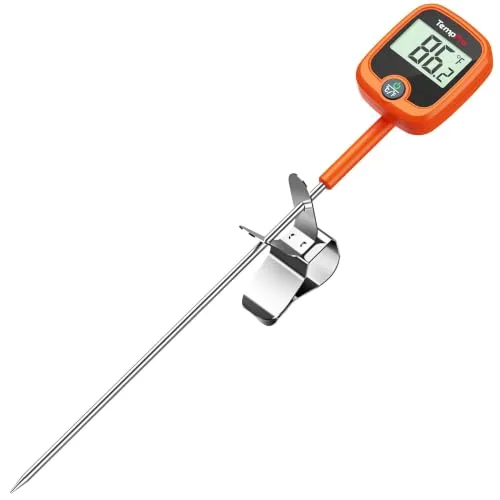
Best for Brew-day temperature spot checks
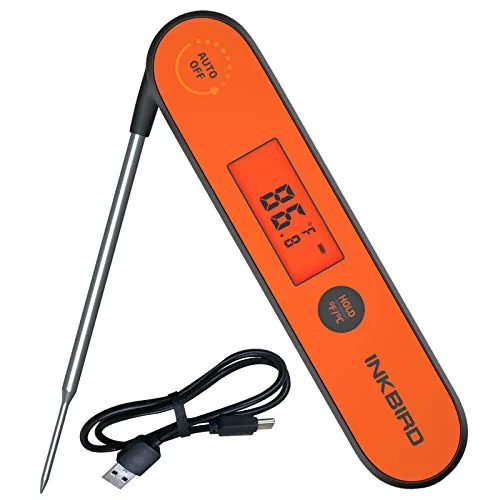
Best for Brewers who prefer rechargeable gear
Best for Mash and wort temperature checks
Best for A low-cost backup thermometer
Best for Hands-free kettle temperature
Best for Watching strike water heat up
Best for Weighing grain in a bowl or bucket
Best for Small additive weights
Best for Very rough pH checks
Best for Balancing cider acidity
Best for Vinmetrica owners
Best for Free SO2 checks
Best for General sulfite testing
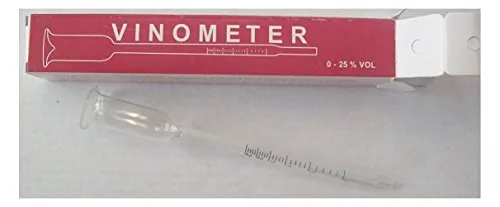
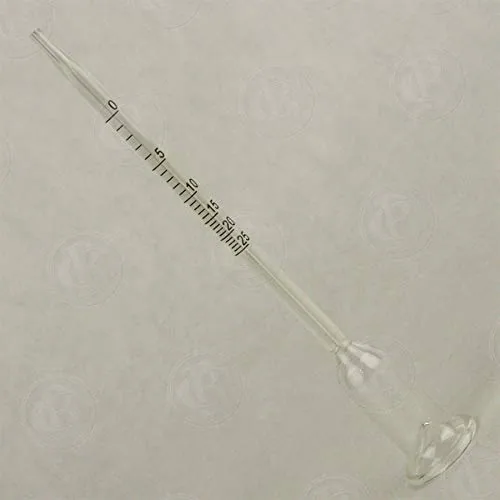
Best for Rough ABV in dry wine
Best for Rough ABV in dry wine
No product matches every filter. Clear one to see more.
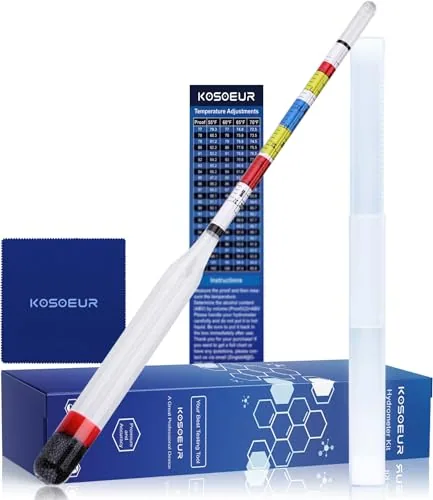
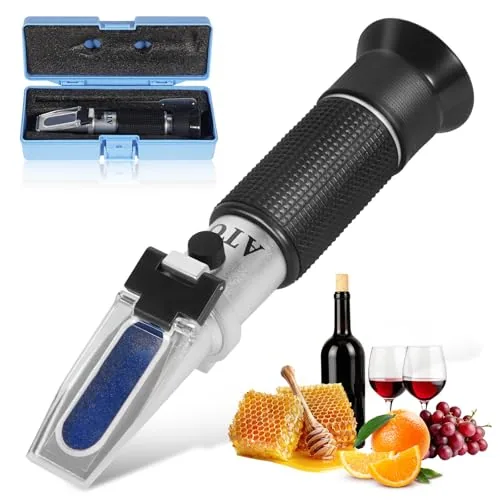
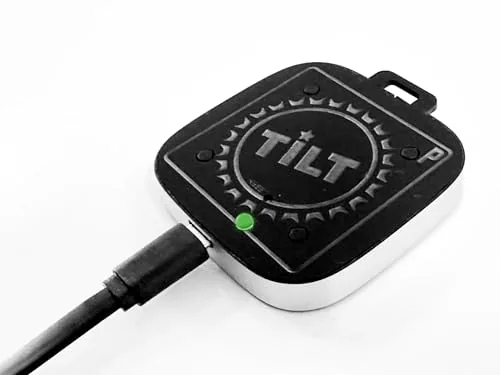
Every brewer needs a hydrometer: it tells you when fermentation is done and, with an original and final reading, how strong the beer is. A triple-scale glass hydrometer and a test jar cover beer, wine, cider and mead. A refractometer reads a few drops of wort on brew day; after fermentation it needs an alcohol correction. Wireless digital hydrometers float in the fermenter and log gravity and temperature to your phone.
Listed range and accuracy
| Tool | Example | Range | Accuracy |
|---|---|---|---|
| Triple-scale hydrometer | FastRack | SG 0.990–1.170 | Not listed |
| Optical refractometer | Tiaoyeer ATC | Brix 0–32%, SG 1.000–1.130 | ±0.2% Brix |
| Wireless hydrometer | Tilt (original) | SG 0.990–1.120 | ±0.002 SG per Tilt |
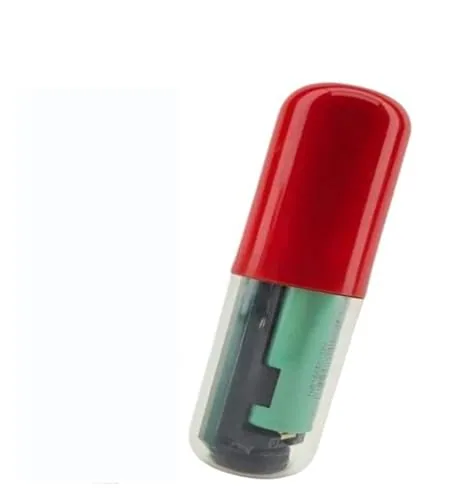
| Wireless hydrometer | RAPT Pill | Not listed on this listing | Not listed |
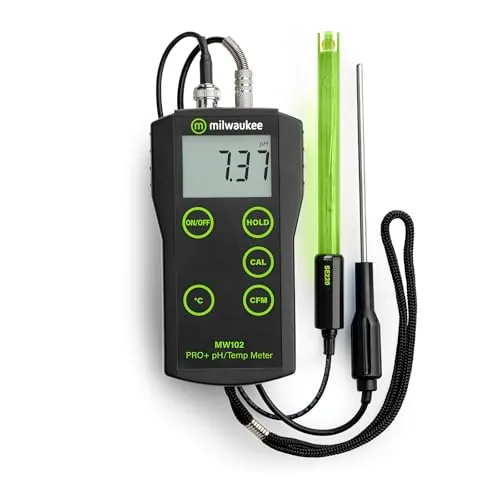
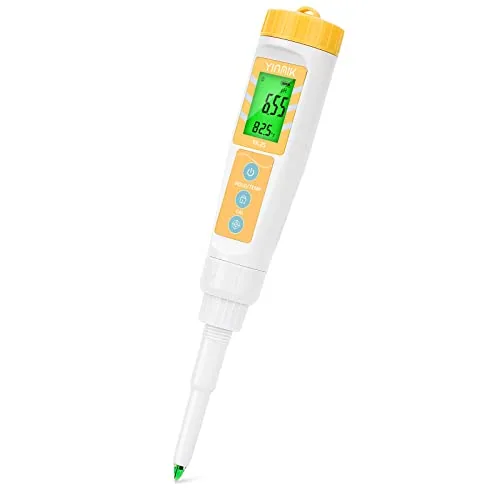
| pH meter | Milwaukee MW102 | −2.00 to 16.00 pH | ±0.02 pH |
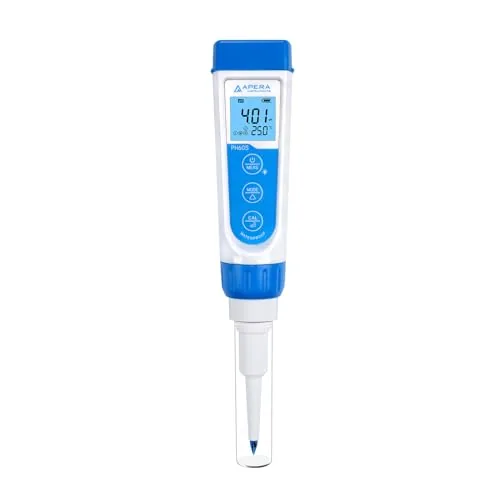
| pH meter | Apera PH60S | −2.00 to 16.00 pH | ±0.01 pH |
Source: Product listings and maker specs
Best for Replacing a broken hydrometer
Best for A complete first hydrometer kit
Best for Quick wort gravity checks on brew day
Best for Logging fermentation without pulling samples
Best for A Tilt alternative in a KegLand setup
Best for Checking mash and wine pH
Best for Kombucha and wine pH checks
Best for Mash temperature checks
Pull a sample with a sanitized thief into the test jar; don't return it to the fermenter.
Read the bottom of the meniscus and note the sample temperature.
Most hydrometers are calibrated at 60°F (15.6°C), some at 68°F (20°C). The ABV calculator corrects your reading.
The same reading 2–3 days in a row means fermentation is finished and it is safe to bottle.
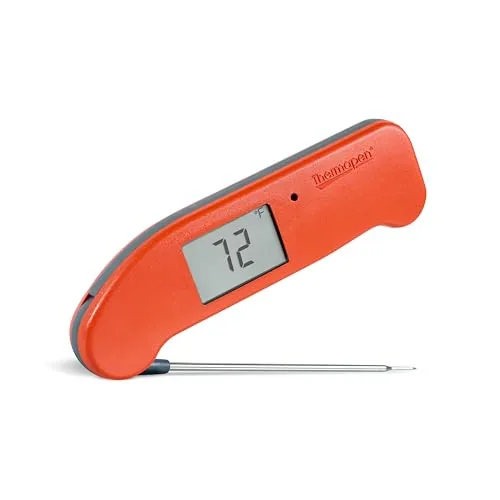
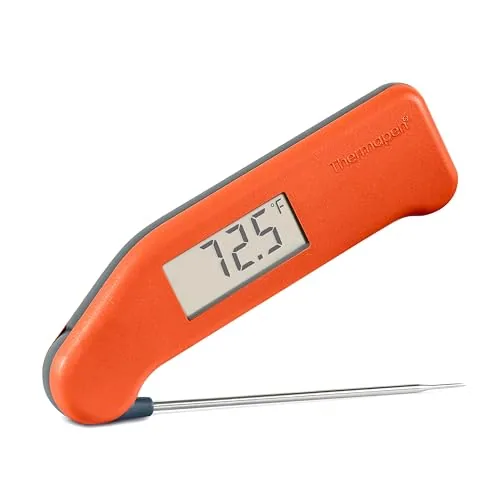
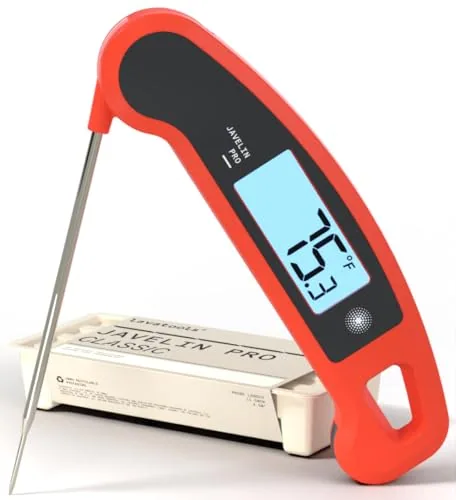
Mash pH and kombucha acidity both call for a calibrated pH meter, not just strips. Calibrate with fresh buffer before each session. For kombucha, Virginia Tech advises confirming pH 4.2 or lower with a calibrated meter. An instant-read thermometer such as the ThermoWorks Classic Thermapen (listed ±0.7°F) speeds up strike-water checks.
Related reading: Tilt wireless hydrometer review, best digital hydrometers and best refractometers for brewing.
 Best of
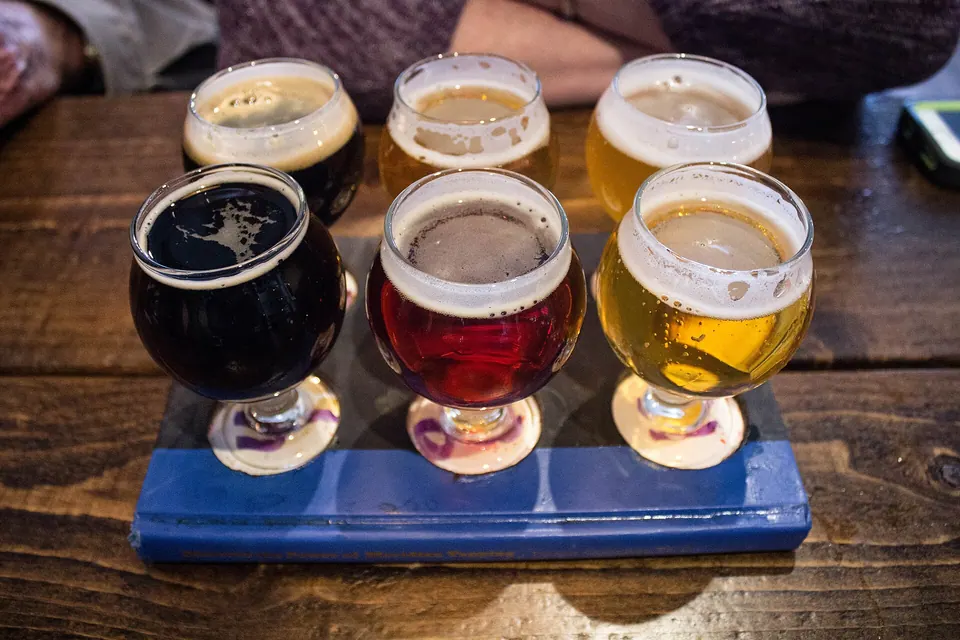
The best gifts for home brewers 21 and over: first kits, the Palmer book, a Tilt hydrometer, an Inkbird controller, a…
 Best of
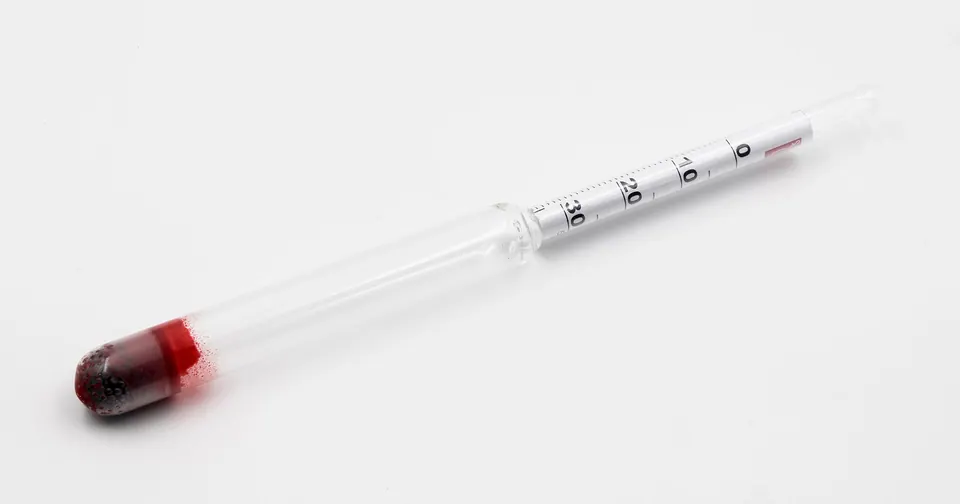
The best hydrometer for homebrewing: triple-scale glass and polycarbonate hydrometers and test jar kits compared by SG…
 Best of
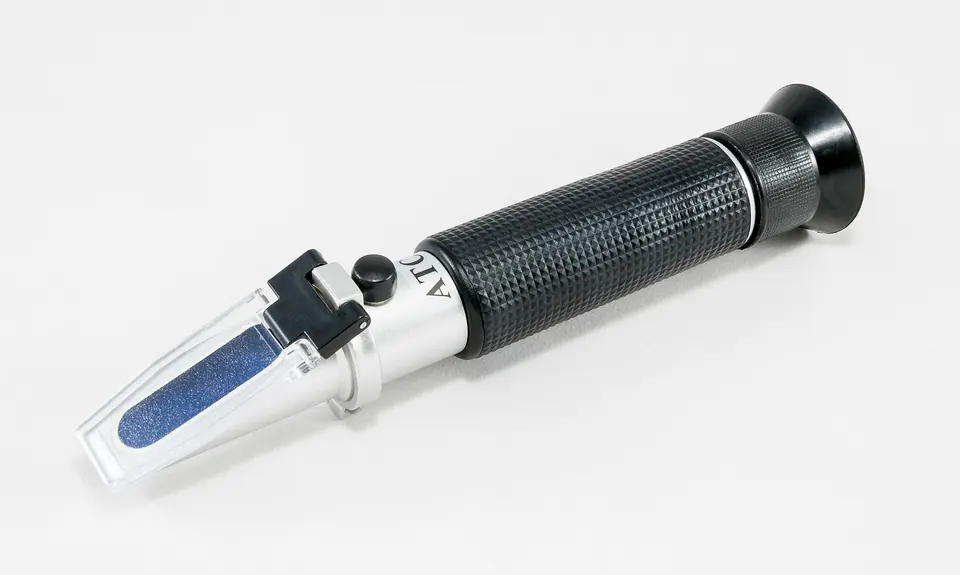
The best refractometer for brewing compared by Brix range, stated accuracy, ATC and alcohol correction, from budget…
 Best of
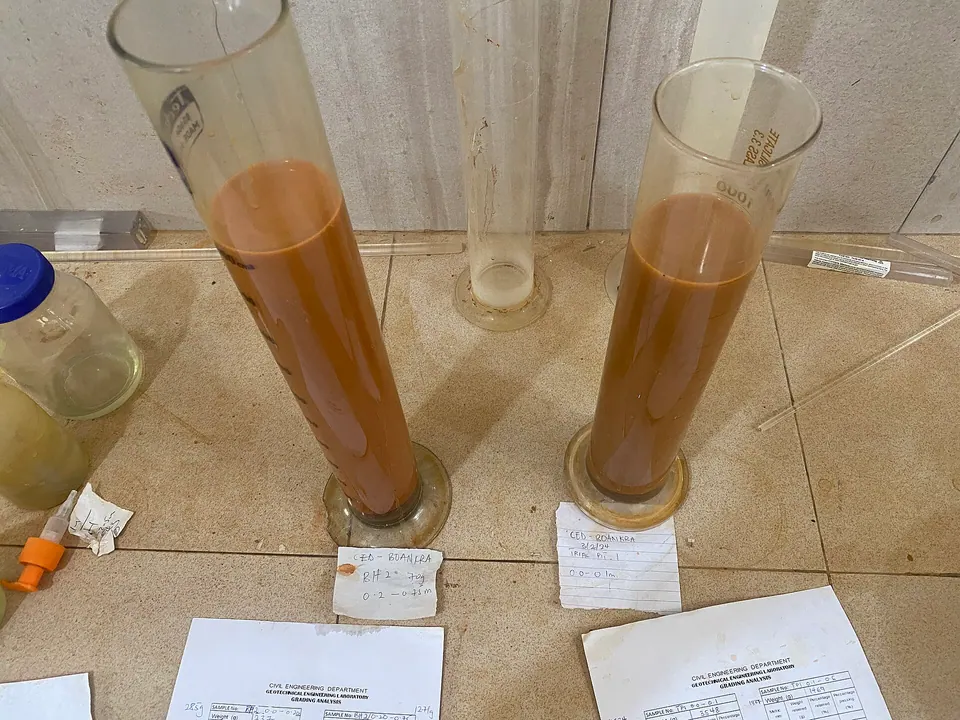
The best digital hydrometer for homebrew: Tilt, Tilt Pro Mini and the KegLand RAPT Pill compared by range, stated…
 Best of
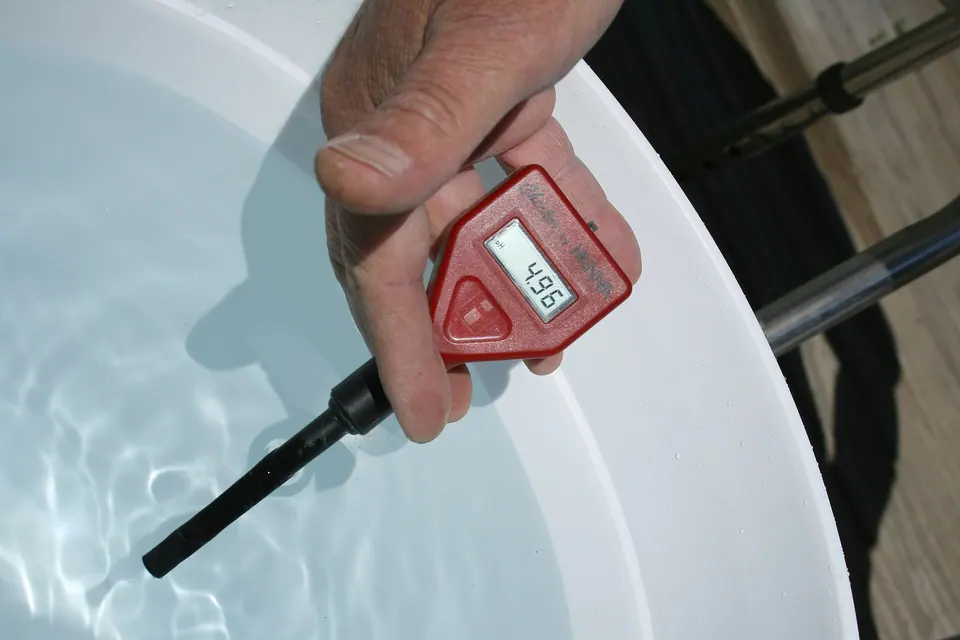
The best pH meter for brewing compared by stated accuracy, ATC, calibration and probe type, plus when cheaper test…
 Best of
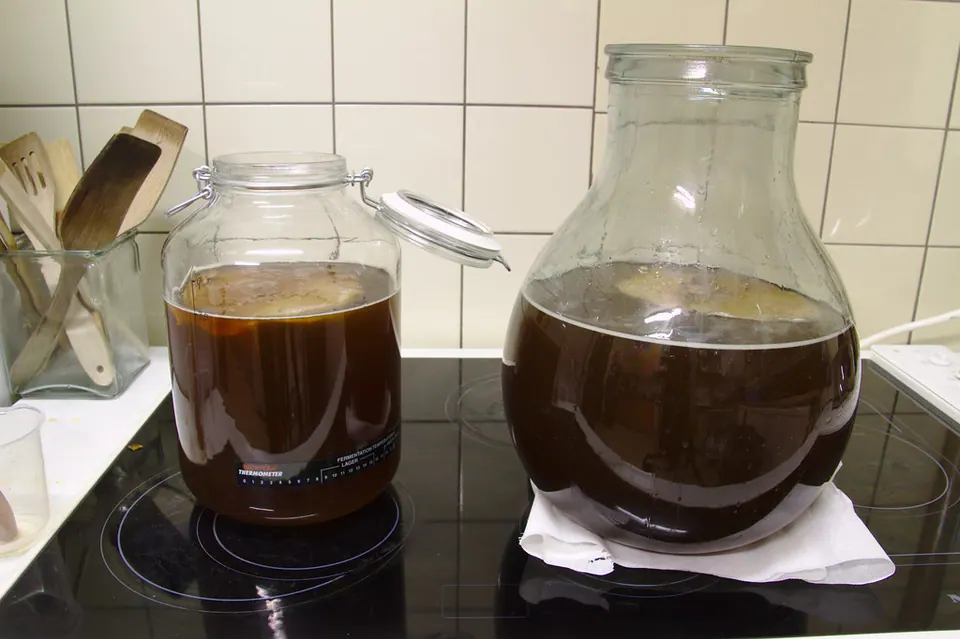
The best kombucha starter kit for a 1-gallon batch, compared by contents and what you still need, with…