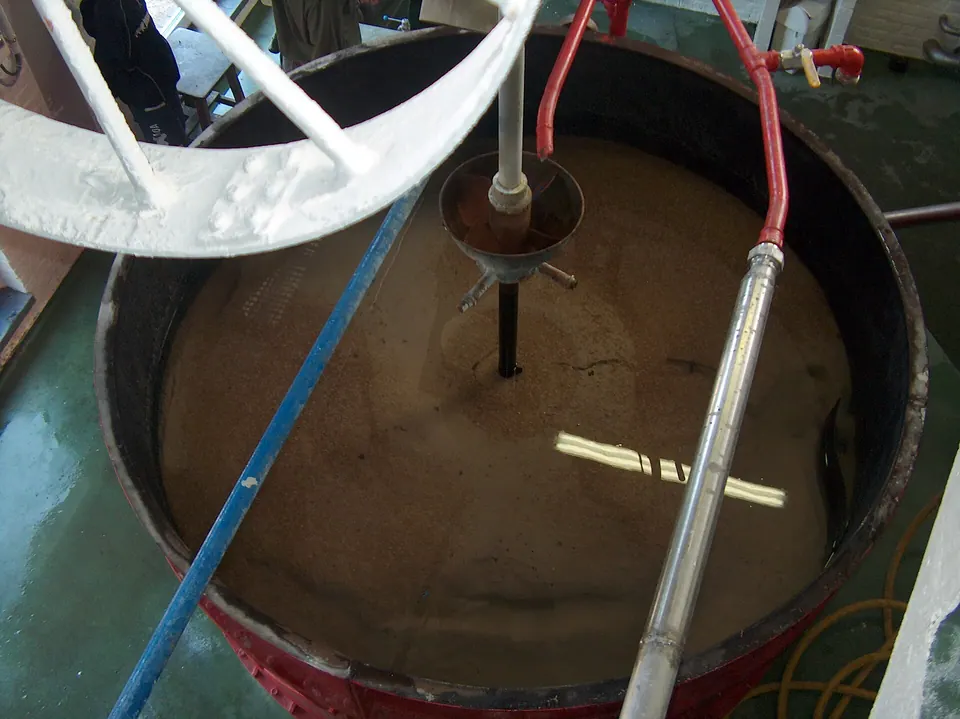
- All-grain means you make the wort yourself: crushed malt soaks in hot water (the mash), enzymes turn starch into sugar, and you drain that sugar water into the kettle.
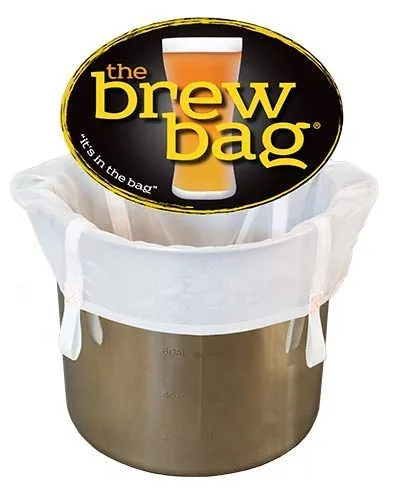
- Brew-in-a-bag (BIAB) and electric all-in-ones do it in one vessel. Three-vessel systems use a separate hot-liquor tank and mash tun.
- Mash temperature steers body: about 148–150°F (64–66°C) for a drier beer, 154–156°F (68–69°C) for a fuller one, per Palmer.
- Use the strike water calculator, take a pre-boil gravity reading and keep notes; your second all-grain batch will be far more predictable than your first.
- Electric systems need a GFCI-protected circuit; propane burners belong outdoors only.
Learning how to brew all-grain is the step where homebrew recipes stop depending on someone else’s extract. You buy base and specialty malt, crush it, mash it and collect your own wort. The reward is control over fermentability, color and malt character, plus a lower ingredient cost per batch for most recipes.
This guide covers the two simplest single-vessel methods, brew-in-a-bag on a kettle and electric all-in-one systems such as the Anvil Foundry, Grainfather G30 and KegLand BrewZilla. The process is the same in both; the all-in-one simply adds a heating element, a controller and a lifting basket. Numbers come from Palmer’s How to Brew, maker manuals and the formula boxes on our tool pages.
BIAB, all-in-one or three-vessel?
All three make the same beer. They differ in how many pots you clean, how much you lift and what power or gas you need.
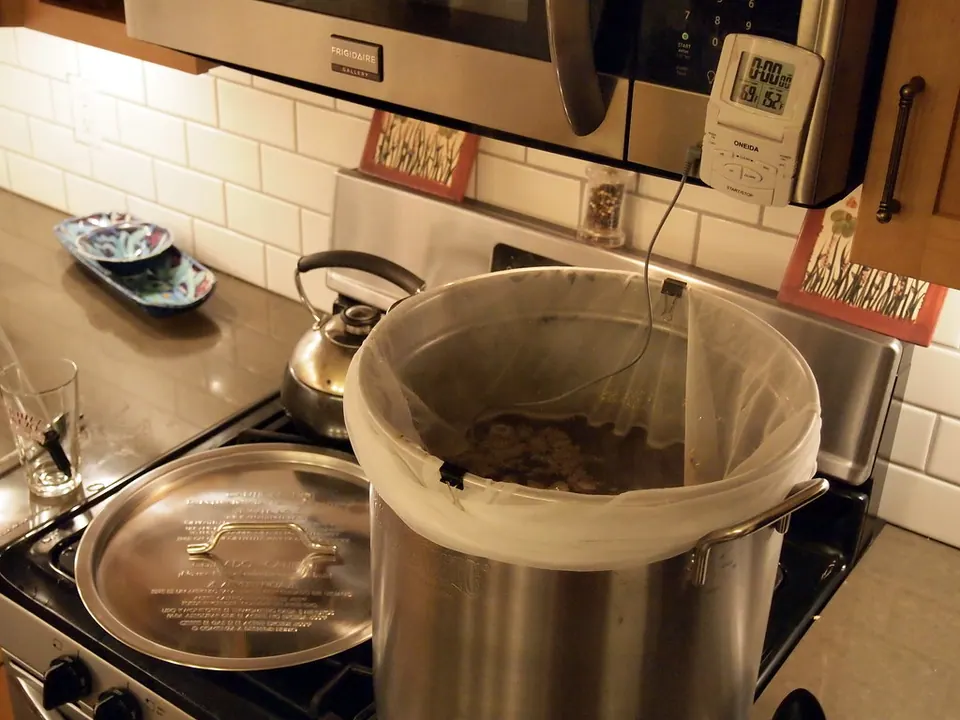
All-grain methods compared
| BIAB on a kettle | Electric all-in-one | Three-vessel | |
|---|---|---|---|
| Vessels | 1 kettle + bag | 1 unit with basket | Hot-liquor tank, mash tun, kettle |
| Heat source | Stove (small batches) or outdoor propane | Built-in element, 120V or 240V | Propane outdoors or electric panels |
| Temperature control | ~ Manual; insulate or re-heat | ✓ Controller holds mash temp | ~ Depends on build |
| Grain lift | ~ Heavy wet bag; use a pulley or rack | ✓ Basket lifts and drains on its stand | ✓ No lift; you drain by valve |
| Indoor use | ~ Electric or small stovetop only | ✓ With a suitable GFCI circuit | ~ Electric builds only |
| Space | ✓ Smallest | ✓ Small | ✗ Largest |
| Learning curve | ✓ Easiest | ✓ Easy | ~ Most steps |
Source: Palmer, How to Brew; Anvil, Grainfather and KegLand manuals
For a first all-grain batch, BIAB in an 8–10 gal (30–38 L) kettle you already own is the least expensive way in. If you brew in a garage or apartment and want to stay off propane, a 120V all-in-one is the usual upgrade.
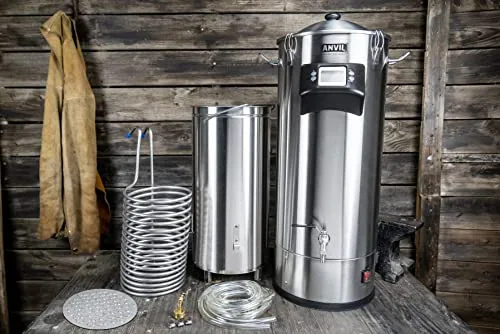
Anvil Foundry 10.5 Gal All-in-One with Pump
- Volume
- 10.5 gal
- Power
- 120V 1600 W (13 A) or 240V 2800 W (12 A), switchable
- Material
- Stainless, double-wall insulated
Best for Dual-voltage all-grain
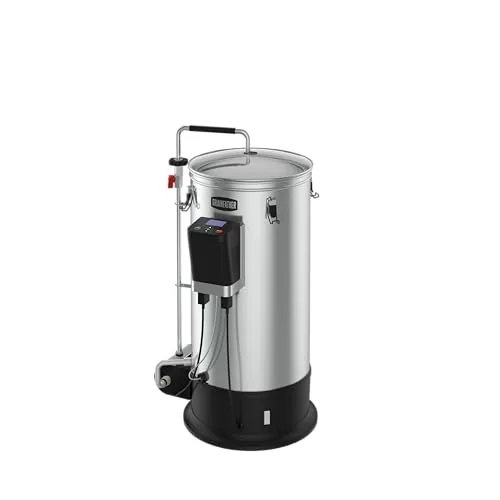
Grainfather G30³ 110V All-in-One Brewing System
- Volume
- 8 US gal
- Power
- 110V (US model)
- Material
- 304 stainless steel
Best for Compact 120V all-grain
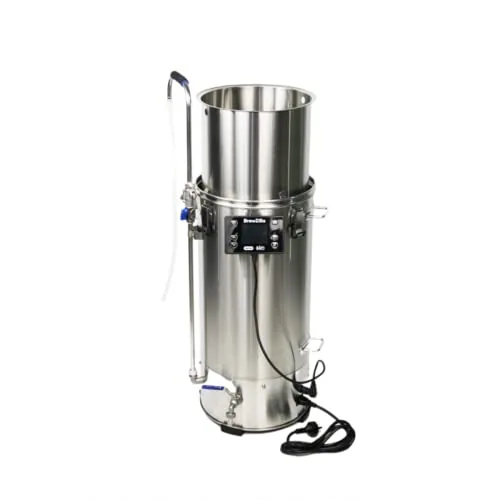
KegLand BrewZilla Gen 4 35L 110V, Wi-Fi/RAPT, with Pump
- Volume
- 35 L (9.24 gal)
- Power
- 110V
- Material
- Stainless steel
Best for 120V all-grain with app control
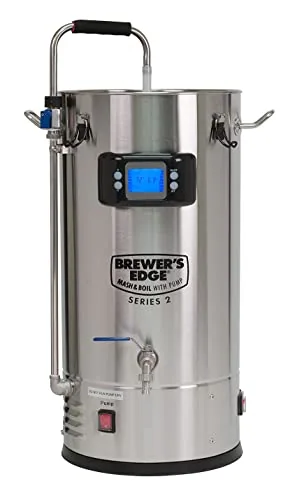
Brewer’s Edge Mash and Boil Series 2 with Pump, 110V
- Volume
- 30 qt
- Power
- 110V
- Material
- Stainless steel
Best for Simple 120V all-grain
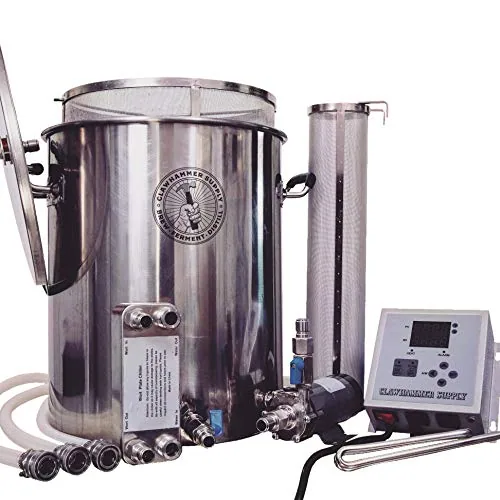
Clawhammer Supply 10.5 Gal Electric BIAB System, 120V
- Volume
- 10.5 gal
- Power
- 120V
- Material
- 304 stainless steel
Best for Electric BIAB on 120V
Ingredients and milling
A 5 gal (19 L) pale ale typically uses 9–11 lb (4–5 kg) of grain: mostly a base malt such as American 2-row or Maris Otter, plus a pound or two of crystal or specialty malt. Recipe kits list the exact bill.
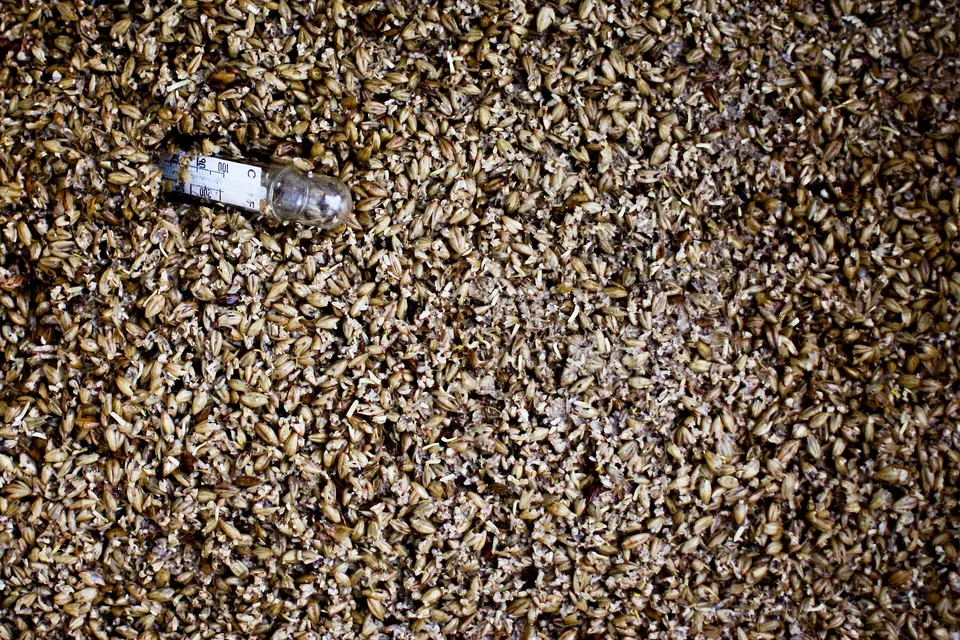
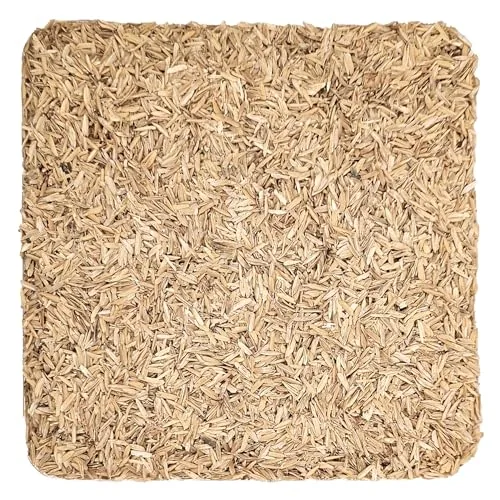
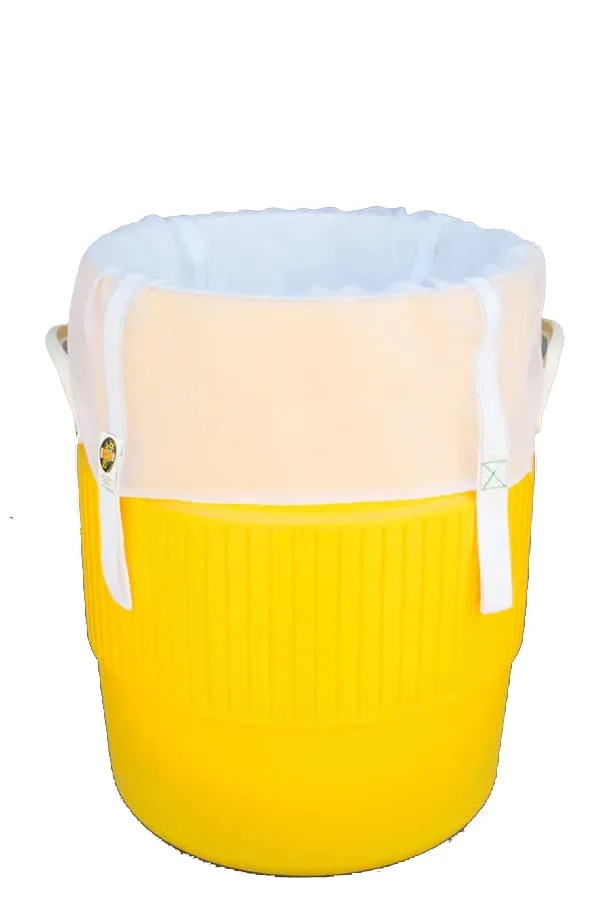
Crush matters. BIAB can use a finer crush than a traditional mash tun because the bag does the filtering, and many BIAB brewers ask the shop to “double crush.” If you mill at home, a two-roller mill with an adjustable gap lets you tune it. Add a handful of rice hulls with high-wheat or oat grists to keep the bag or basket draining.
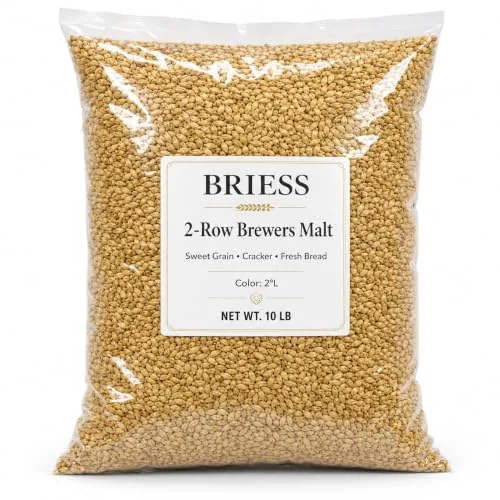
Briess 2-Row Brewers Malt, 10 lb
- Type
- Base malt
- Color
- 1.8 °L
- Size
- 10 lb
Best for The base of most all-grain recipes
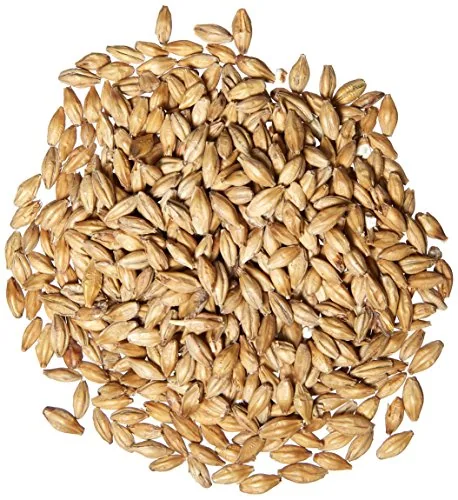
Muntons Maris Otter Malt, 10 lb
- Type
- Base malt (English)
- Size
- 10 lb
Best for English bitters and pale ales
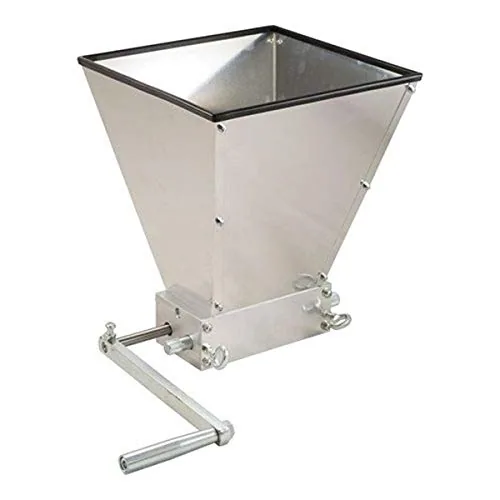
MaltMuncher MILL700 2-Roller Grain Mill
- Type
- 2-roller grain mill
- Hopper
- 6 lb
- Drive
- Crank or drill (200 rpm recommended)
Best for An established homebrew mill design
How do you brew all-grain, step by step?
- Plan volumes
Work backward from the batch size: fermenter volume + kettle loss + boil-off + grain absorption. The boil-off calculator gives pre-boil volume. All-in-ones often boil off about 0.5–1 gal (2–4 L) per hour; measure yours.
- Treat the water
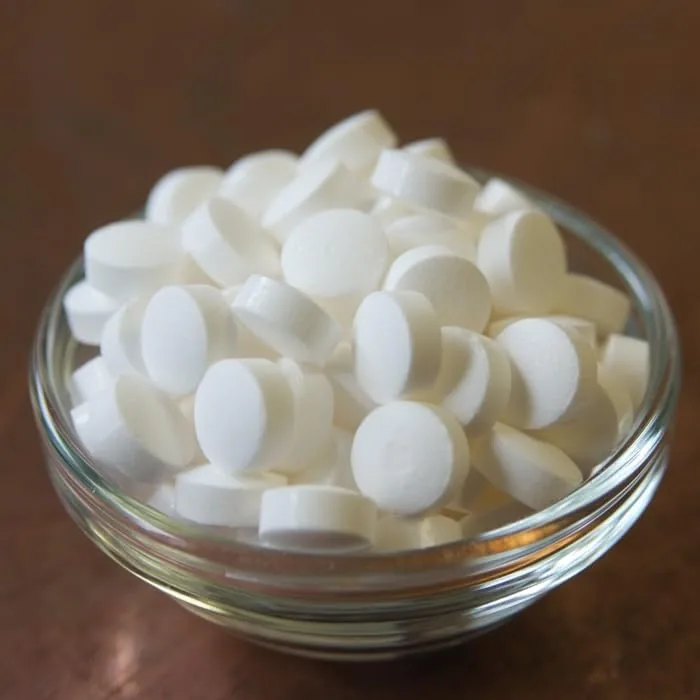
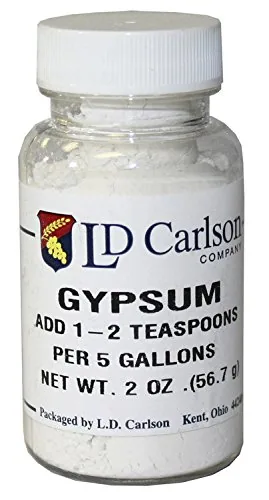
Remove chlorine or chloramine (one Campden tablet treats about 20 gal) and add salts if the recipe calls for them. See brewing water chemistry.
- Heat strike water
With a kettle or cooler mash, heat water above mash temperature so it lands on target after the cooler grain goes in. Palmer’s strike equation does the math. Most all-in-ones heat the full volume to mash temperature first, so you can skip the offset.
- Mash in
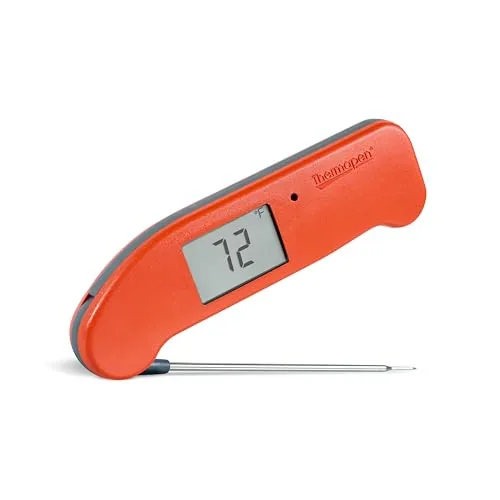
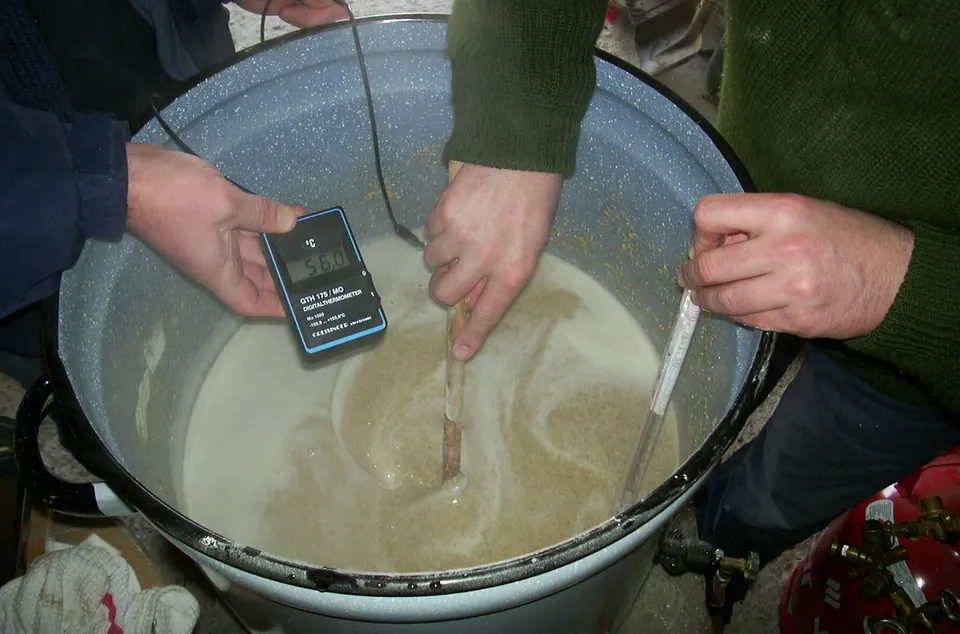
Stir the grain in slowly and break up every dough ball. Check temperature in several spots after a few minutes and adjust with hot or cool water.
- Hold the mash for about 60 minutes
Keep the mash near your target. Insulate a BIAB kettle with a blanket or sleeping bag; an all-in-one controller holds the set point. Recirculating with a pump evens out temperature in systems that have one.
- Mash out (optional)
Raising the mash to about 168°F (76°C) for 10 minutes stops enzyme activity and thins the wort for draining. Do not go above about 168°F, which risks extracting tannins.
- Lift and drain the grain
Lift the bag or basket and let it drain. A gentle squeeze of a BIAB bag is fine. Optional: rinse the grain with a little 168°F water (a sparge) to raise efficiency.
- Measure pre-boil gravity
Take a sample, cool it and read it. If it is low, boil longer or add a little dry malt extract; if high, top up with water. The dilution calculator handles both.
- Boil 60–90 minutes
Boil uncovered so DMS precursors can escape. Pilsner-heavy grists are often boiled 90 minutes. Add hops and kettle finings on schedule.
- Chill, transfer and pitch
Chill to pitching temperature, transfer to a sanitized fermenter, record the OG, aerate and pitch the yeast. From here it is the same as an extract batch.
Strike water temperature by mash thickness
Thicker mashes (less water per pound) need hotter strike water, because the cool grain pulls down a smaller volume. BIAB brewers who mash with the whole water volume use thin mashes and only a small offset. The chart applies Palmer’s initial infusion equation to grain at 65°F (18°C) and a 152°F (67°C) target in a preheated vessel.
Strike water for a 152°F mash, grain at 65°F
Palmer initial infusion equation: Tw = (0.2 / r) × (T2 − T1) + T2
Your vessel will lose some heat that the equation doesn’t model. Write down the strike temperature and the mash temperature you actually hit, and adjust next time. The brew-day log has fields for both.
Mash temperature, pH and efficiency
Two enzymes do most of the work. Beta amylase makes fermentable maltose and works best toward the low end; alpha amylase works faster at higher temperatures but makes more unfermentable sugars. That is why a 149°F (65°C) mash gives a drier beer and a 156°F (69°C) mash gives more body.
Mash pH should sit around 5.2–5.6 measured at room temperature, with most brewers aiming for 5.2–5.4, according to BYO. Pale grists with alkaline water often run high; dark grists run low. Our mash pH guide explains how to check and adjust it.
Efficiency is how much of the grain’s potential sugar ends up in the kettle. BIAB without a sparge often lands lower than a three-vessel system with a full sparge; a finer crush, a squeeze and a short sparge all help. Consistency matters more than the number itself, because recipes scale to your own efficiency.
Safety for all-grain brew days
All-grain adds weight and heat. A wet grain bag for a 5 gal batch can weigh over 20 lb (9 kg) and holds near-boiling liquid. Use a pulley, a rack or the system’s basket stand, wear heat-resistant gloves and keep children and pets out of the brew area.
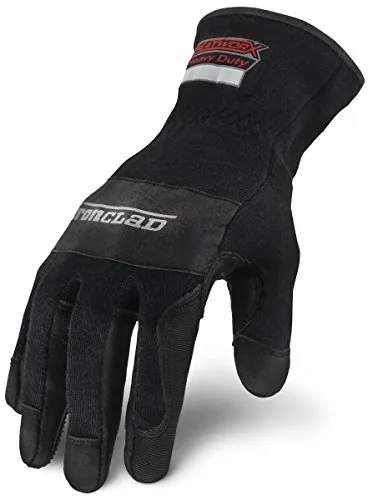
Ironclad Heatworx Heavy Duty Heat Resistant Gloves
- Volume
- Rated to 600°F (315°C)
- Material
- Silicone palm, Kevlar liner
- Type
- Heat-resistant gloves
Best for Lifting hot grain baskets
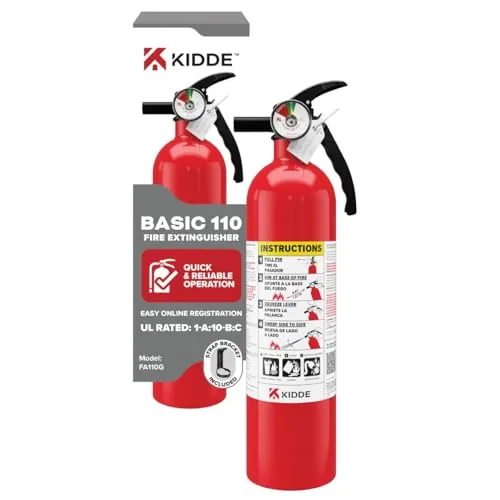
Kidde Basic 110 Fire Extinguisher, 1-A:10-B:C
- Volume
- Rated 1-A:10-B:C
- Material
- 2.5 lb dry chemical, UL listed
- Type
- Fire extinguisher
Best for Brew-day fire safety
Mistakes to avoid on your first all-grain batch
- Skipping the volume plan. Grain absorbs water and the boil evaporates more than you think. Calculate pre-boil volume first.
- Dough balls. Dry clumps of grain don’t convert. Stir thoroughly when mashing in.
- Reading temperature in one spot. Mash temperature varies; check several places, or recirculate.
- Sparge water above 168°F (76°C) or very high sparge pH. Both extract astringent tannins.
- Covering the boil. A lid traps DMS and invites boil-overs.
- Running a 120V system on an extension cord or shared circuit. Follow the manual and use a GFCI-protected outlet.
- Not writing anything down. Without notes, you can’t learn your system’s efficiency or boil-off.
Who should choose which setup
- Smallest outlay, already own a big kettle: BIAB with a quality bag, outdoors on propane or on a strong stove for small batches.
- Garage or apartment, 5 gal batches, 120V: an all-in-one such as the Anvil Foundry 10.5, Grainfather G30 or BrewZilla 35L, on a dedicated GFCI-protected circuit.
- Faster heating and bigger beers: a 240V system or the 240V setting on a switchable unit, with the circuit installed by a licensed electrician. See electric brewing safety.
- Ten-gallon batches and repeat brewing: a three-vessel system is still the most flexible, at the cost of space.
Coming from extract? Brew one or two batches of a recipe you already know, so any difference you taste comes from the process. Our extract guide covers everything that happens after the boil.
Gear picks for this guide: best all-in-one electric brewing systems and best BIAB bags and hop spiders.
Questions
Is all-grain brewing worth it?
How long does an all-grain brew day take?
What temperature should I mash at?
Do I need to sparge with BIAB?
Can I brew all-grain indoors?
What size kettle do I need for 5 gallon all-grain BIAB?
Should I mill my own grain?
Sources
- John Palmer, How to Brew: mashing and the initial infusion equation
- BYO Mr. Wizard: Mash pH importance
- BYO: Water treatments (Campden and salts)
- BYO: Charged up! (electric brewing basics)
- Brewer’s Friend docs: Strike water
- American Homebrewers Association: How to brew
- CPSC: Holiday cooking safety (keep fryers and burners out of the garage)