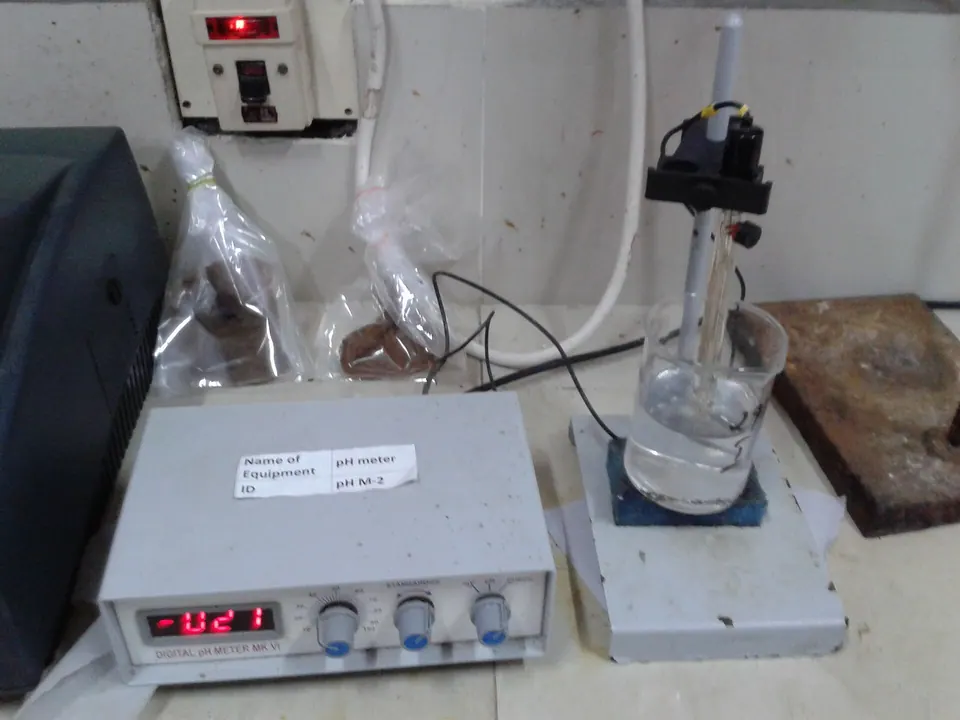
- Mash pH is the acidity of the mash. BYO puts the ideal range at about 5.2–5.6 measured at room temperature, with most brewers aiming for 5.2–5.4.
- Pale grists in alkaline water tend to run high; dark, roasty grists run low.
- Measure with a calibrated, temperature-compensated pH meter on a cooled sample about 15 minutes into the mash. Strips are only a rough guide.
- Lower pH with lactic or phosphoric acid, acidulated malt or calcium salts; raise it with baking soda. Add a little, stir, re-measure.
- Handle concentrated acids with eye protection and gloves, and always add acid to water.
Mash pH is one of the few numbers all-grain brewers can measure on brew day that changes how the beer tastes. In the right range, mash enzymes work well, the wort extracts cleanly, hop bitterness reads smooth and the finished beer tastes bright rather than dull or harsh. Out of range, efficiency drops and husk tannins come out more easily.
This guide uses BYO’s Mr. Wizard answer on mash pH, BYO’s water and pH articles and Palmer and Kaminski’s Water. Our water chemistry calculator shows residual alkalinity, which hints at the direction pH will go, but it does not predict mash pH; for that you measure, or use a full model such as Bru’n Water.
What mash pH should you aim for?
BYO’s Mr. Wizard notes that alpha amylase works best around 5.6–5.8 and beta amylase around 5.4–5.6, and that going much above 5.6 reduces beta amylase activity and risks tannins near 5.8. The common 5.2–5.4 target is a compromise that also helps flavor, clarity and yeast health downstream.
One important detail: pH reads lower in hot mash than in the same wort cooled. Published targets assume a sample cooled to room temperature, so cool yours before measuring. Also, as Mr. Wizard points out, many mashes land in range with no adjustment at all; measure before you change anything.
What pushes mash pH up or down
Mash pH drivers
| Factor | Effect on pH | Why |
|---|---|---|
| Alkaline water (high bicarbonate) | ↑ Raises | Bicarbonate neutralizes malt acids |
| Calcium and magnesium | ↓ Lowers slightly | React with malt phosphates to release acid |
| Pale base malt only | ↑ Tends to run high | Little acidity to offset alkaline water |
| Crystal and roasted malts | ↓ Lowers | Darker kilned malts are more acidic |
| Acidulated malt | ↓ Lowers | Contains lactic acid |
| Lactic or phosphoric acid | ↓ Lowers | Direct acid addition |
| Baking soda (sodium bicarbonate) | ↑ Raises | Adds alkalinity |
Source: BYO Mr. Wizard: Mash pH importance; Palmer & Kaminski, Water
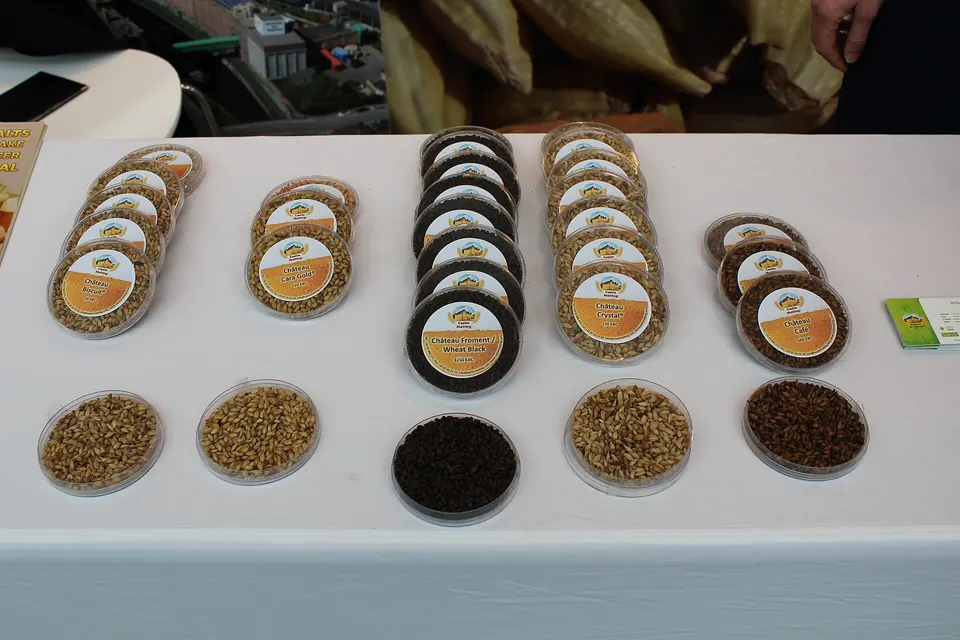
This is why the same water can be perfect for a stout and wrong for a pilsner. If your tap water is alkaline, diluting it with RO or distilled water often fixes pale beers before any acid is needed. See brewing water chemistry.
How to measure mash pH
BYO’s Mr. Wizard is direct: you need a temperature-compensated pH meter, because litmus paper isn’t accurate enough. Narrow-range strips can show a rough number in a pinch, but they read inconsistently in dark worts.
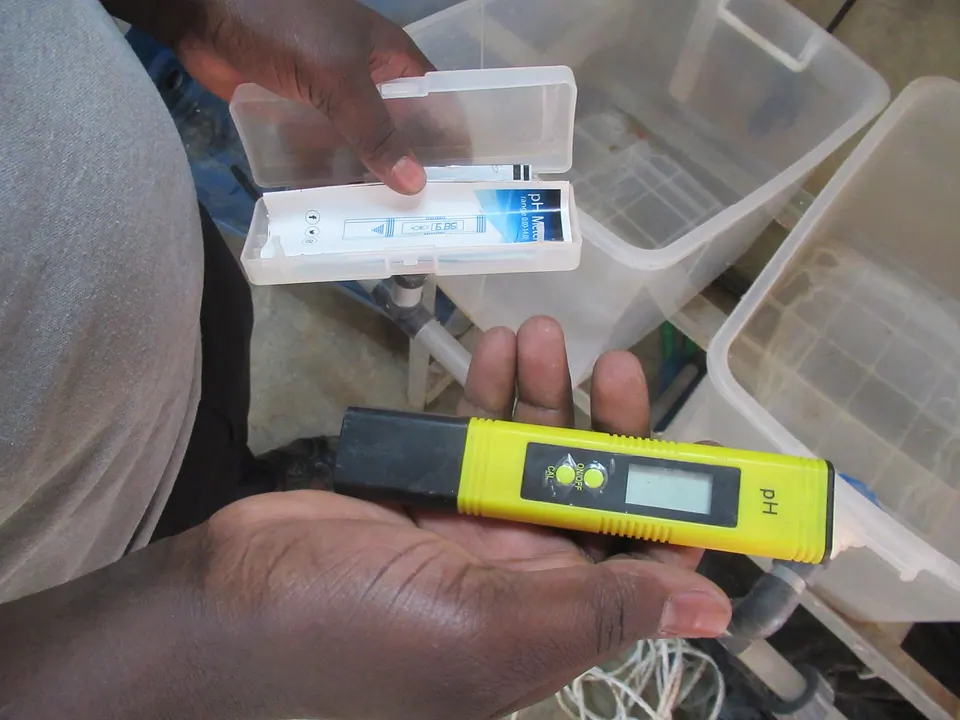
- Calibrate before brewing
Use fresh pH 4.0 and 7.0 buffer solutions at room temperature, following the meter’s manual. Calibrate on brew day or at least weekly when in use.
- Pull a sample 10–15 minutes into the mash
Give the mash time to settle chemically. Take a few ounces of liquid from the middle of the mash.
- Cool the sample
Set the cup in cold water until it reaches room temperature, around 68–77°F (20–25°C). Hot samples read low and shorten electrode life.
- Measure and rinse
Immerse the electrode, stir gently and wait for a stable reading. Rinse with distilled water afterward.
- Adjust if needed, then re-measure
Make a small addition, stir the mash well, wait 5–10 minutes and test again.
- Store the probe properly
Keep the electrode wet in storage solution, never in distilled water, and replace it when calibration gets slow or drifts.
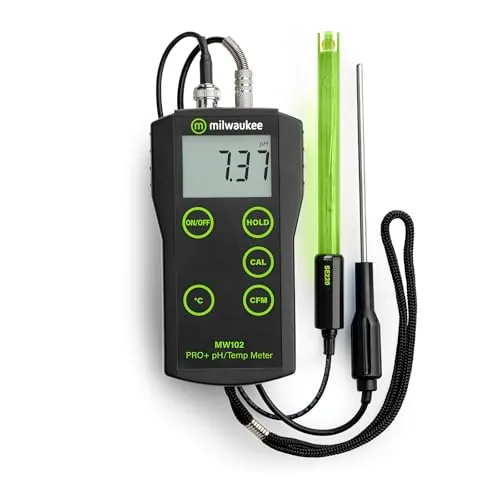
Milwaukee MW102 Portable pH/Temperature Meter
- Range
- −2.00 to 16.00 pH
- Accuracy
- ±0.02 pH
- ATC
- Yes, stainless temperature probe
Best for Checking mash and wine pH
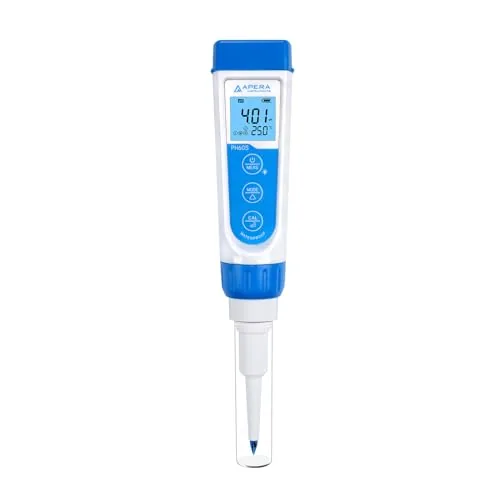
Apera PH60S Food pH Meter Kit (Spear Electrode)
- Range
- −2.00 to 16.00 pH
- Accuracy
- ±0.01 pH
- ATC
- Yes
Best for Kombucha and wine pH checks
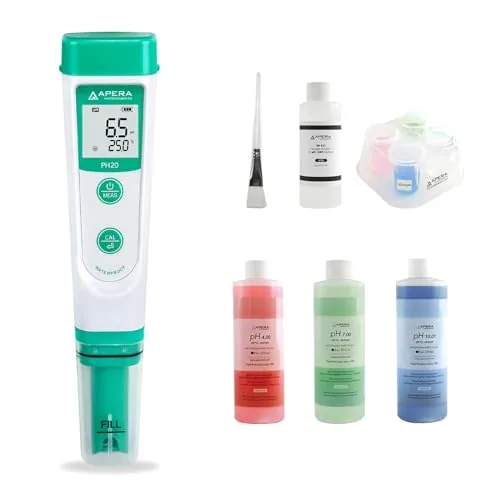
Apera PH20 pH Tester Combo Kit
- Accuracy
- Not listed
- ATC
- Yes, 32–122°F
Best for An entry pH tester with calibration gear

Anton Paar pH2Go Digital pH Meter
- Accuracy
- ±0.02 pH
- ATC
- Yes
- Connectivity
- Meister mobile apps
Best for Brewers who dislike fragile glass electrodes
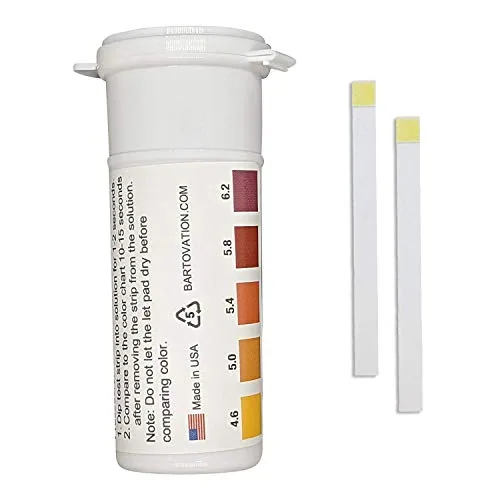
Bartovation pH Test Strips 4.6–6.2, 100 ct
- Range
- pH 4.6–6.2
- Scale
- Color-match strips
Best for Rough mash pH checks
Record the reading and every addition in the brew-day log. After two or three batches on the same water you will know roughly what each recipe needs.
How to lower mash pH
- Lactic acid (88%): the most common choice. Strong, so measure in drops or fractions of a milliliter with a syringe, add a little at a time and re-measure. Large amounts can taste tangy, as BYO cautions.
- Phosphoric acid (10%): much weaker per milliliter, so less sensitive to small measuring errors, and flavor-neutral.
- Acidulated malt: malt sprayed with lactic acid; replace a small share of the base malt. Popular for German-style beers.
- Calcium salts: gypsum and calcium chloride lower pH a little while adding calcium; useful when the beer needs those ions anyway.
- Dilution: cutting alkaline tap water with RO or distilled water removes the cause.
LD Carlson Lactic Acid 88%, 5 oz
- Use
- Lowers mash pH
- Type
- Lactic acid, 88%
- Size
- 5 oz
Best for Mash pH adjustment
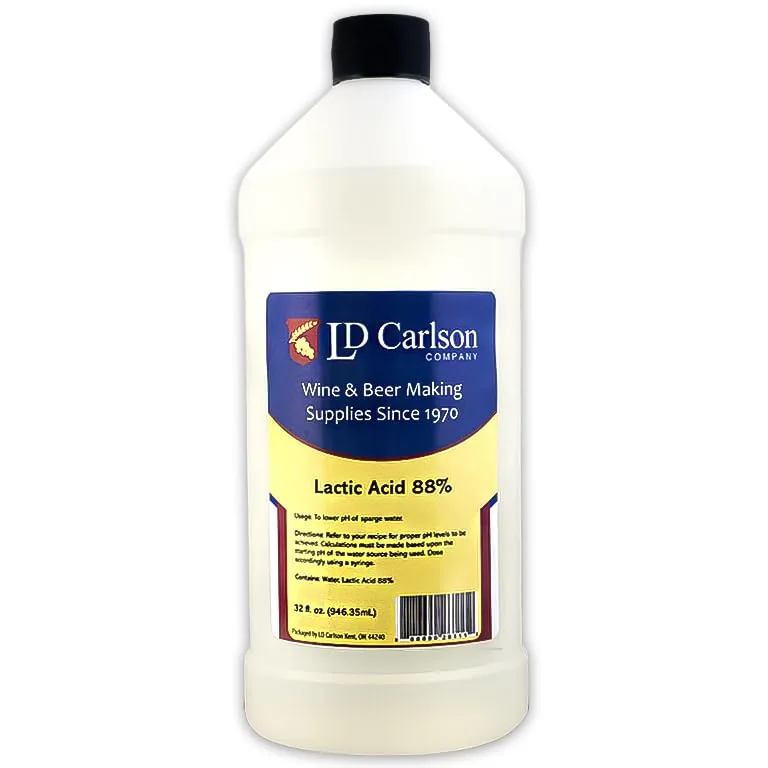
My Brew Supply Lactic Acid 88%, 32 oz
- Use
- Lowers sparge water pH
- Type
- Lactic acid, 88%
- Size
- 32 oz
Best for High-volume all-grain brewers
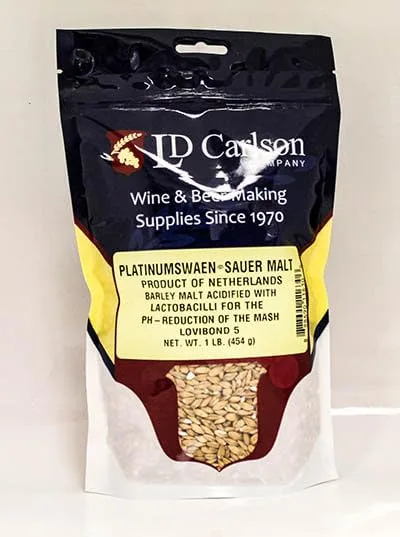
Platinumswaen Sauer Malt (Acidulated), 1 lb Uncrushed
- Type
- Acidulated malt
- Size
- 1 lb, uncrushed
Best for Mash pH adjustment without liquid acid
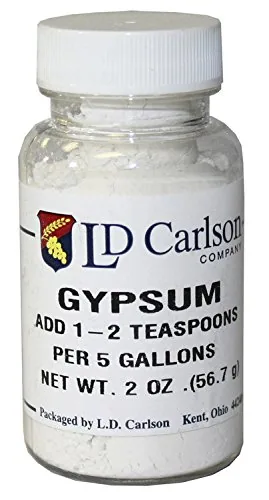
LD Carlson Gypsum (Calcium Sulfate), 2 oz
- Use
- Brewing water adjustment
- Type
- Calcium sulfate
- Size
- 2 oz
Best for Hoppy pale ales and IPAs
How to raise mash pH
Dark beers brewed with very soft or RO water can fall below 5.2. BYO’s Mr. Wizard lists baking soda as the tool to raise it. Add it in small weighed amounts, dissolved in a little water, stir and re-measure. Chalk is a poor choice because it dissolves badly in the mash. Some brewers hold the darkest grains back and add them at the end of the mash (or as a cold steep) so they color the wort without dropping pH as much.
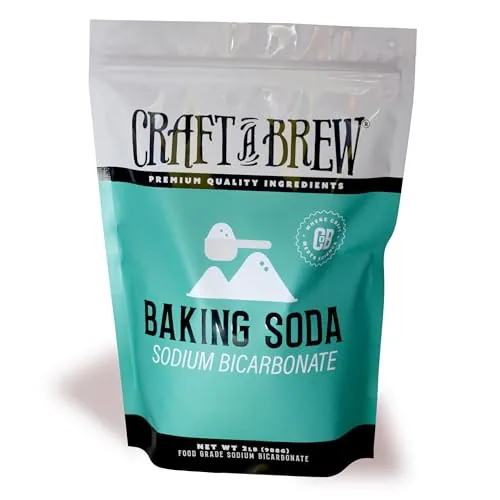
Craft A Brew Baking Soda (Sodium Bicarbonate), 2 lb
- Use
- Reduces acidity in musts
- Type
- Sodium bicarbonate
- Size
- 2 lb
Best for Dark beers with soft water
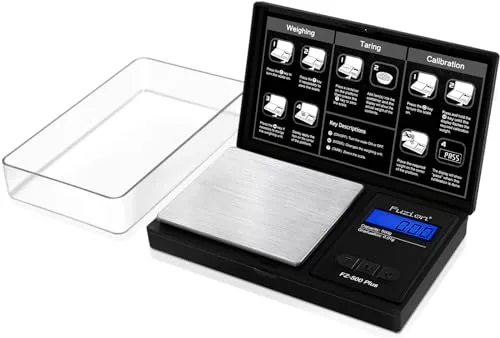
Fuzion Pocket Gram Scale 500 g x 0.01 g
- Range
- 500 g (min 0.05 g)
- Accuracy
- ±0.03 g
- Battery
- 2 x AAA (included)
Best for Small additive weights
What about pH buffers like 5.2 Stabilizer?
Phosphate buffer products such as Five Star 5.2 pH Stabilizer are sold to hold the mash near 5.2 per their label. Results depend on water and grist, and many brewers prefer to measure and adjust with acid or salts so they know the actual number. If you try a buffer, measure the mash anyway the first few times.
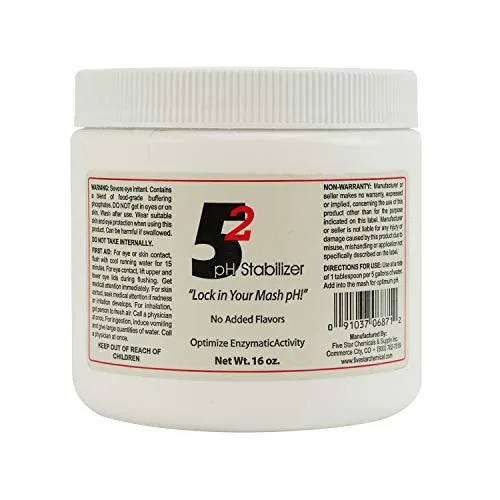
Five Star 5.2 pH Stabilizer, 1 lb
- Use
- Mash and kettle water pH buffer
- Type
- Phosphate blend
- Size
- 1 lb
Best for Brewers not yet doing water calculations
Sparge and kettle pH
Sparge water that is alkaline can raise the pH of the grain bed as the sugars rinse out, and BYO links a sparge pH above about 6.0 with astringency. Acidifying sparge water slightly, or using RO water for the sparge, prevents it. BIAB brewers who mash with the full volume and skip the sparge mostly avoid the issue.
Kettle pH matters less for beginners, but a wort that starts in range usually produces a cleaner hop bitterness and better hot break.
A brew-day example
Here is what the routine looks like for a pale ale on moderately alkaline tap water, so you can see the order of operations. The numbers are illustrative; your water, grain and meter will differ.
- Calibrate the meter with 4.0 and 7.0 buffers while the strike water heats.
- Mash in, stir out dough balls, check mash temperature.
- At 15 minutes, pull a sample, cool it to about 70°F and read it: say 5.6.
- Draw 1 mL of 88% lactic acid with a syringe, add it to the mash, stir thoroughly and wait 10 minutes.
- Read again. If it is still above your target, repeat with a smaller dose; if it is in range, stop.
- Write down the total acid and the before-and-after readings. Next time, add most of that amount to the strike water up front and confirm with one reading.
After a few batches you will know how many milliliters a given grist needs on your water, and the meter becomes a quick confirmation rather than a guessing game.
Mistakes to avoid
- Measuring hot samples. Cool to room temperature first.
- Skipping calibration. An uncalibrated meter gives confident wrong numbers.
- Adding a big acid dose at once. Small steps, stir, wait, re-measure.
- Measuring too early. Wait 10–15 minutes after mash-in.
- Letting the electrode dry out. Store it in storage solution.
- Relying on strips in dark beers. Color masks the reading.
- Adjusting before measuring. Many mashes are already in range.
Who needs to worry about mash pH
- Extract brewers: no mash, no mash pH. Remove chloramine and move on.
- New all-grain brewers with moderate water: measure a few batches before buying acids.
- Pale beers on hard, alkaline water: plan on dilution or acid; a meter pays off quickly.
- Dark beers on RO water: watch for pH below 5.2 and keep baking soda on hand.
The broader all-grain process is in how to brew all-grain, and the measuring gear in the hydrometers and meters category.
Gear picks for this guide: best pH meters for brewing and best grain mills for homebrewing.