- Extract: the maltster has already mashed the grain and concentrated the wort. You dissolve, boil with hops, chill and pitch. Best for a first brew and for small kitchens.
- All-grain: you mash crushed malt (usually about 60 minutes) and separate the sweet wort yourself. It adds a step and bigger gear, but you control every malt and the mash temperature.
- For a 5 gal (19 L) batch at OG 1.050 you need roughly 5.7 lb of dry extract, 6.9 lb of liquid extract or 9.6 lb of base malt at 70% efficiency (from Palmer's typical yields).
- BIAB or an electric all-in-one is the low-cost step from extract to all-grain.
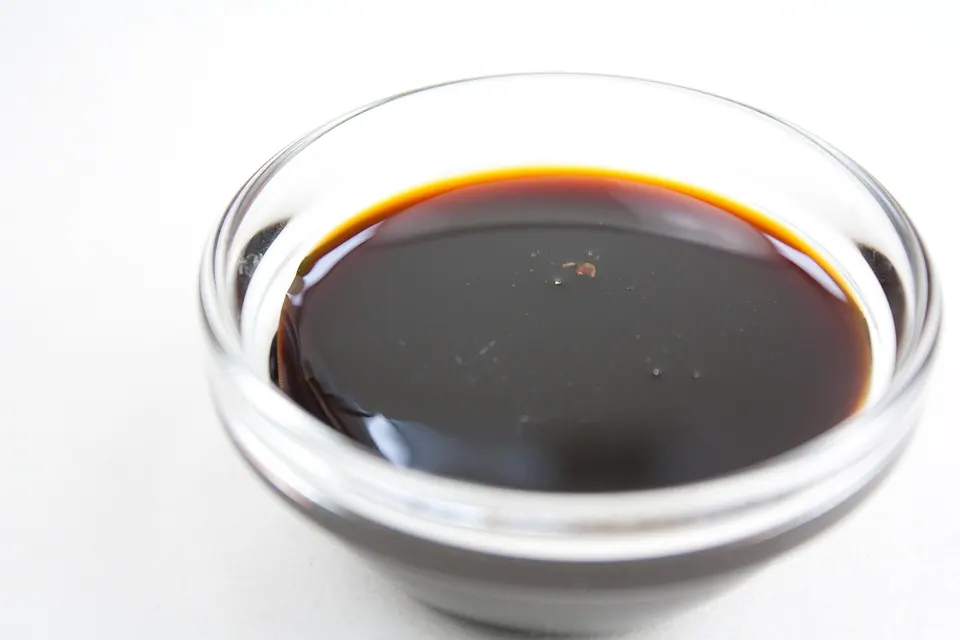
Extract vs all-grain is the first big fork in homebrewing. Both make real beer from malted barley, hops, water and yeast; the difference is who does the mash. With extract, a maltster such as Briess or Muntons mashes the grain, then concentrates the wort into dry malt extract (DME) or a syrup (LME). With all-grain, you buy crushed malt and run the mash in your own kettle or tun.
This page compares the two methods on the numbers you can plan with, the gear each one needs and the trade-offs in time and control, with picks from at least four brands on each side. Browse the ingredients in the ingredients and milling hub, or start with your first brew day if you haven't brewed yet.
Picks from each side
Extract brewing
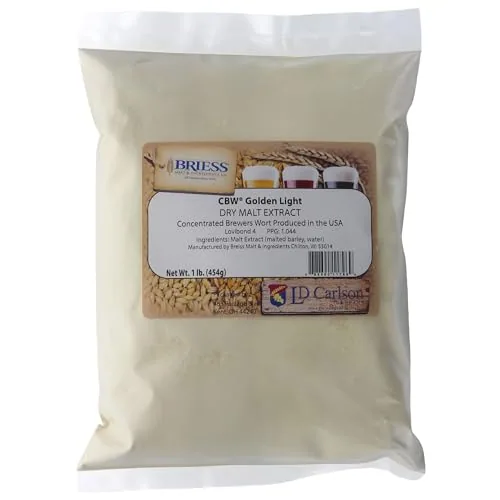
Briess Golden Light Dry Malt Extract, 1 lb
- Type
- Dry malt extract (DME)
- Size
- 1 lb
Best for Extract batches and yeast starters
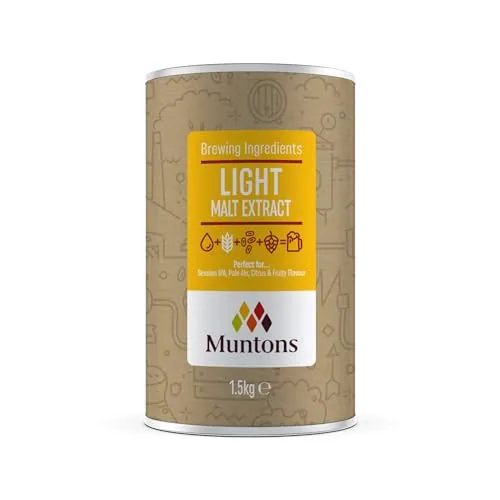
Muntons Light Liquid Malt Extract, 3.3 lb
- Type
- Liquid malt extract (LME)
- Size
- 1.5 kg (3.3 lb)
Best for Pale ales from extract
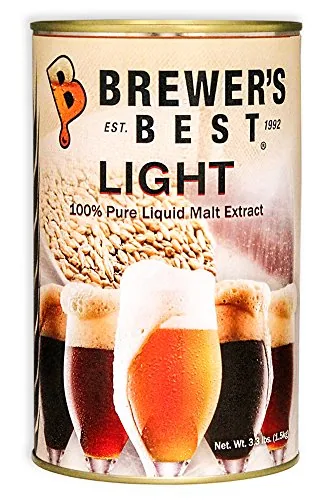
Brewer's Best Light Liquid Malt Extract, 3.3 lb
- Type
- Liquid malt extract (LME)
- Color
- 3–5 °L
- Size
- 3.3 lb
Best for Brewer's Best kit refills
Northern Brewer Mosaic IPA Extract Recipe Kit, 5 Gal
- Batch size
- 5 gal
- Type
- Extract recipe kit
- Still need
- 5 gal brewing and bottling equipment
Best for Second or third extract batch
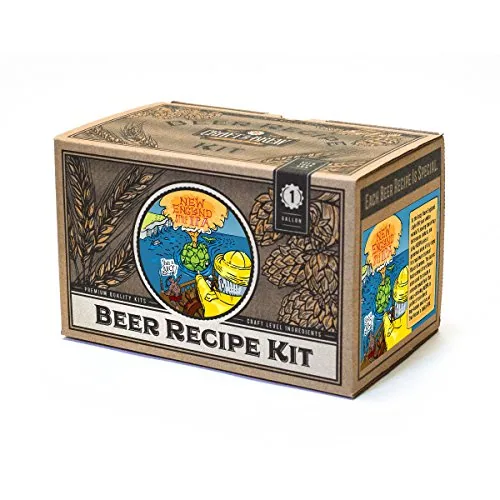
Craft A Brew New England IPA 1 Gal Recipe Refill
- Batch size
- 1 gal
- Type
- Extract recipe kit (ingredients only)
- Still need
- 1 gal brewing equipment
Best for Refilling a 1-gallon kit
All-grain brewing
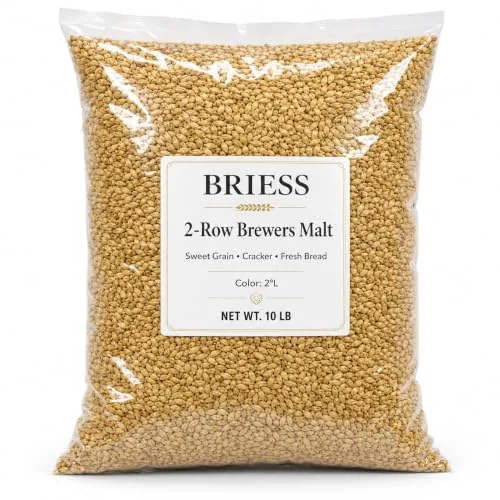
Briess 2-Row Brewers Malt, 10 lb
- Type
- Base malt
- Color
- 1.8 °L
- Size
- 10 lb
Best for The base of most all-grain recipes
Northern Brewer Chinook IPA All-Grain Recipe Kit, 5 Gal
- Batch size
- 5 gal
- Type
- All-grain recipe kit
- Still need
- All-grain brewing equipment
Best for First all-grain recipe
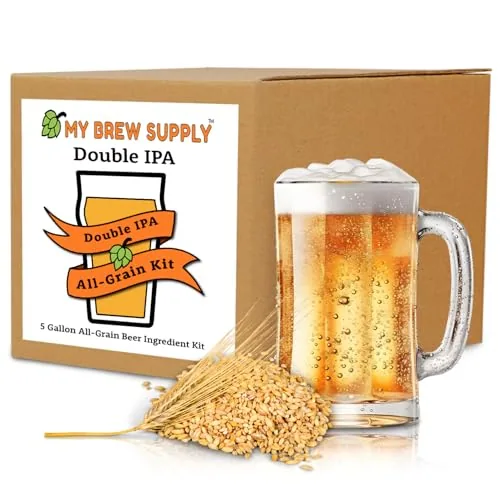
My Brew Supply Double IPA All-Grain Kit, 5 Gal
- Batch size
- 5 gal
- Type
- All-grain ingredient kit
- Still need
- All-grain equipment
Best for All-grain Double IPA
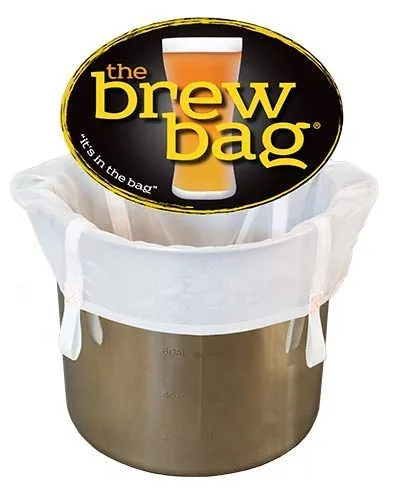
The Brew Bag for 50–60 Qt Kettles
- Volume
- Fits 50 and 60 qt kettles
- Material
- Mesh with 1 in. poly straps
- Type
- BIAB bag
Best for BIAB in a large kettle
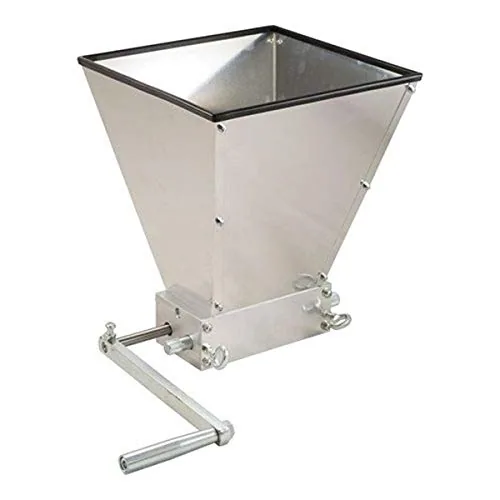
MaltMuncher MILL700 2-Roller Grain Mill
- Type
- 2-roller grain mill
- Hopper
- 6 lb
- Drive
- Crank or drill (200 rpm recommended)
Best for An established homebrew mill design
Extract vs all-grain at a glance
| Extract | All-grain | |
|---|---|---|
| Mash step | ✗ Done by the maltster | ✓ You mash (about 60 min) |
| Typical boil | ~ Partial or full volume | ✓ Full volume, about 6–7 gal for 5 gal |
| Kettle size for 5 gal | 5 gal works for a partial boil | 8–10 gal, or an all-in-one |
| Heat source | Kitchen stove often enough | Electric all-in-one or an outdoor propane burner |
| Malt needed for OG 1.050, 5 gal | About 5.7 lb DME or 6.9 lb LME | About 9.6 lb base malt at 70% efficiency |
| Recipe control | ~ Limited by extract types | ✓ Any malt, any mash temperature |
| Brew-day length | Shorter | Longer (adds mash and lauter) |
| Water chemistry | ~ Mostly built into the extract | ✓ Matters for mash pH |
| Mill needed | ✗ | ~ Only if you buy uncrushed grain |
Source: Palmer, How to Brew (mashing and malt yields chapters)
How much malt does each method need?
Gravity points per pound per gallon (PPG) tell you how much sugar each ingredient gives. Palmer lists typical yields of about 44–45 PPG for dry extract, about 36 PPG for liquid extract (it carries water) and about 37 PPG maximum for 2-row base malt, of which a home mash typically collects 65–75%.
Malt needed for 5 gal at OG 1.050
250 gravity points; pounds of each ingredient
That is why all-grain needs a bigger grain basket or mash tun, and why extract recipes travel in a small box. It also shows where all-grain's flexibility comes from: the 9.6 lb can be any blend of base and specialty malts. Check color and bitterness for either method with the SRM color calculator and the IBU calculator.
What extract brewing looks like
- Steep specialty grains (optional)
Many kits add a pound or two of crushed crystal or roasted malt, steeped in a bag at about 150–170°F (66–77°C) for color and flavor.
- Dissolve the extract
Take the kettle off the heat, stir in DME or LME so it doesn't scorch, then return to a boil.
- Boil with hops
Usually 60 minutes, with hop additions on the recipe's schedule. Late extract additions keep the color lighter in a partial boil.
- Chill, top up and pitch
Chill, top up with clean water to 5 gal in the fermenter, aerate and pitch yeast.
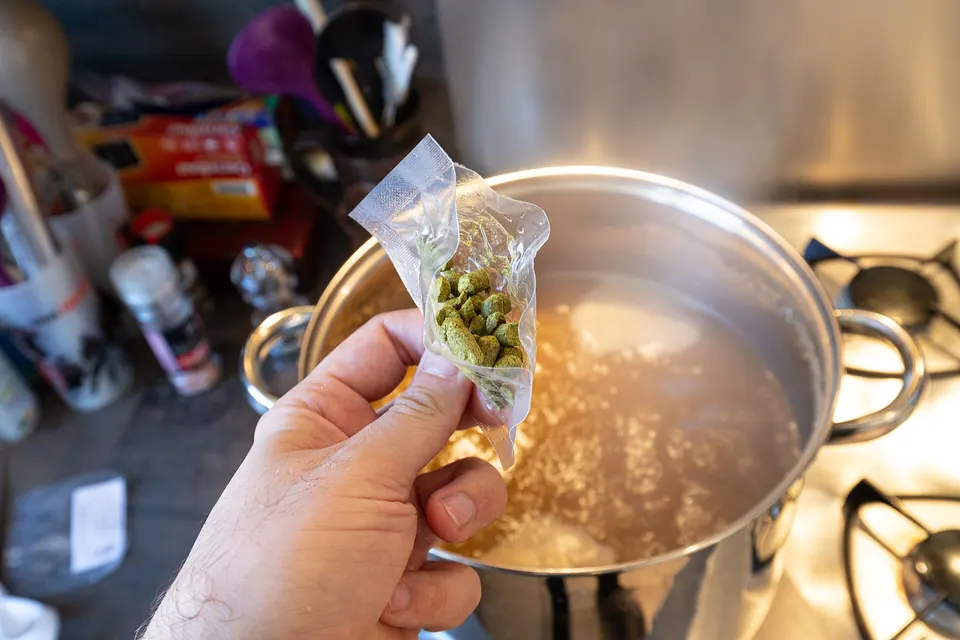
Extract suits a kitchen stove, a 5-gallon pot and a first batch. Its limits are real but modest: you choose from the extract colors on the shelf (light, amber, wheat, Pilsen), very pale beers can darken in a concentrated boil, and you can't change mash fermentability. Brands in the catalogue include Briess, Muntons, Brewer's Best and Maltoferm, and kit makers such as Northern Brewer and Craft A Brew pack recipe kits around them.
What all-grain adds
- Mill or buy crushed malt
Pre-crushed grain is fine if you brew within a few weeks; a 2-roller mill lets you buy uncrushed sacks.
- Mash
Hold the crushed grain in hot water, commonly 148–158°F (64–70°C) for about 60 minutes. Lower temperatures give a drier beer; higher ones a fuller beer. Work out strike water with the strike water calculator.
- Separate the wort
Lift the bag (BIAB), lift the basket (all-in-one) or drain and sparge (three-vessel).
- Full-volume boil, chill and pitch
Boil about 6–7 gal to end with 5 gal in the fermenter, then chill quickly.
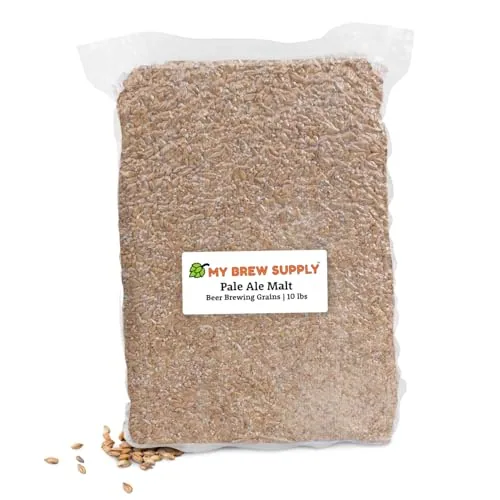
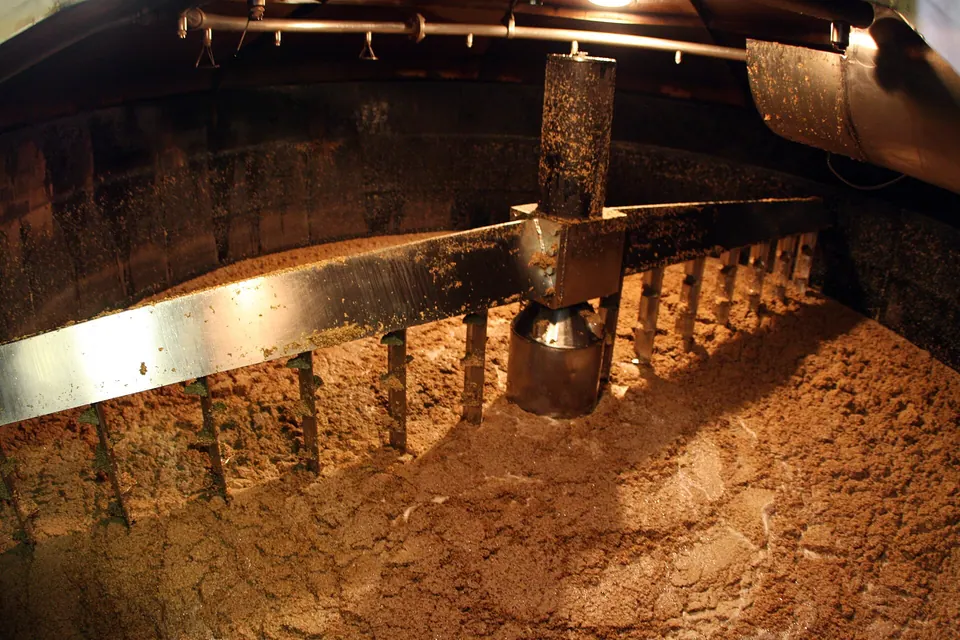
The extra gear is a bigger kettle or an electric all-in-one, a bag or tun, a chiller, and (optional) a mill. Water chemistry starts to matter because it affects mash pH; the water chemistry calculator shows what each salt adds. If you're weighing ways to mash, read BIAB vs three-vessel.
Is all-grain cheaper than extract?
Per batch, grain usually costs less than the extract that makes the same gravity, because the maltster's mashing and drying are part of the extract's cost. Against that, all-grain needs more equipment up front, more water and more time. Whether it saves you money depends on how often you brew. Price your own setup line by line in the startup budget builder, where you type in the prices you see.
A middle path is partial mash or extract with steeping grains: some of the gravity from a small mash, the rest from extract. Kits like the HomeBrewStuff partial mash kit do this at 1-gallon scale.
Who should choose which
- Choose extract if it's your first batch, you brew in an apartment kitchen, you have a 5-gallon pot and a stove, or you want beer with the least time per batch.
- Choose all-grain if you want to design recipes from scratch, brew very pale or highly attenuated styles, care about mash temperature, or already own a kettle of 8 gal or more.
- Go all-grain with BIAB or an all-in-one if you want all-grain without a three-vessel setup. See the going all-grain page.
Mistakes to avoid
- Adding LME on the burner. It sinks and scorches. Kill the heat, stir it in, then return to the boil.
- Assuming all-grain hits recipe gravity on day one. Expect 65–75% efficiency at first; check pre-boil gravity and adjust with the dilution calculator.
- Boiling 7 gallons on a propane burner in the garage. Propane burners belong outdoors only, even with the door open. Use electric indoors.
- Buying crushed grain months ahead. Crushed malt stales faster than whole kernels; buy close to brew day or mill yourself.
- Ignoring water in all-grain. Chlorine and chloramine cause off-flavors in any method; one Campden tablet treats about 20 gal per AHA/BYO guidance, used per the label.
Extract is the right start for a first batch, a small kitchen or a short brew day, and it makes excellent beer. All-grain is the upgrade when you want full recipe and mash control and have room for a bigger kettle or an electric all-in-one. Many brewers move to all-grain through BIAB without buying a three-vessel system.
We compared the two methods using Palmer's How to Brew (mashing and malt yields), listing data for the extracts, malts, kits and gear shown, and the AHA's how-to material. The malt quantities are calculated from published typical yields, not measured.