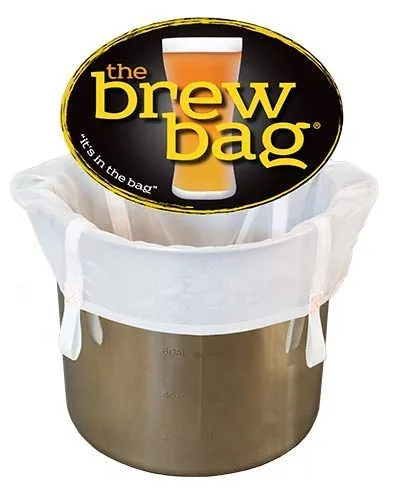
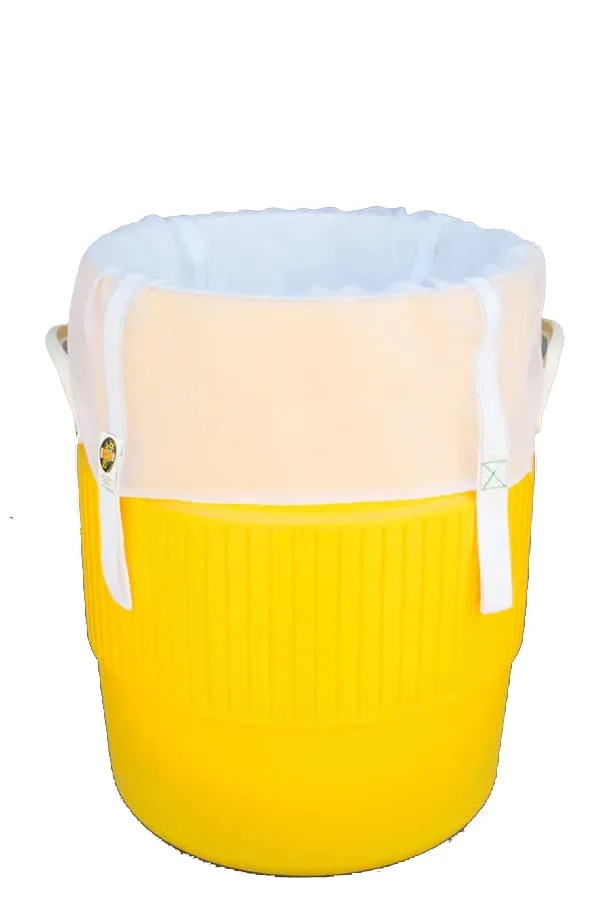
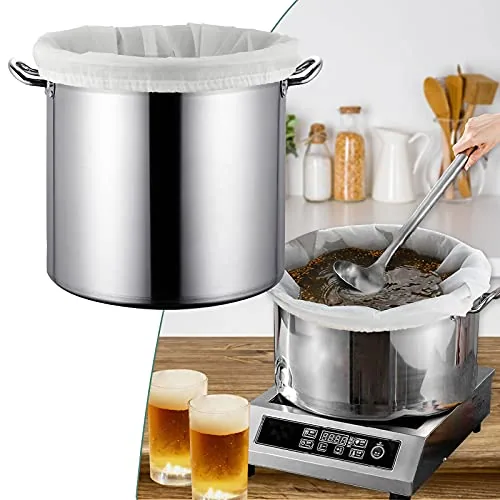
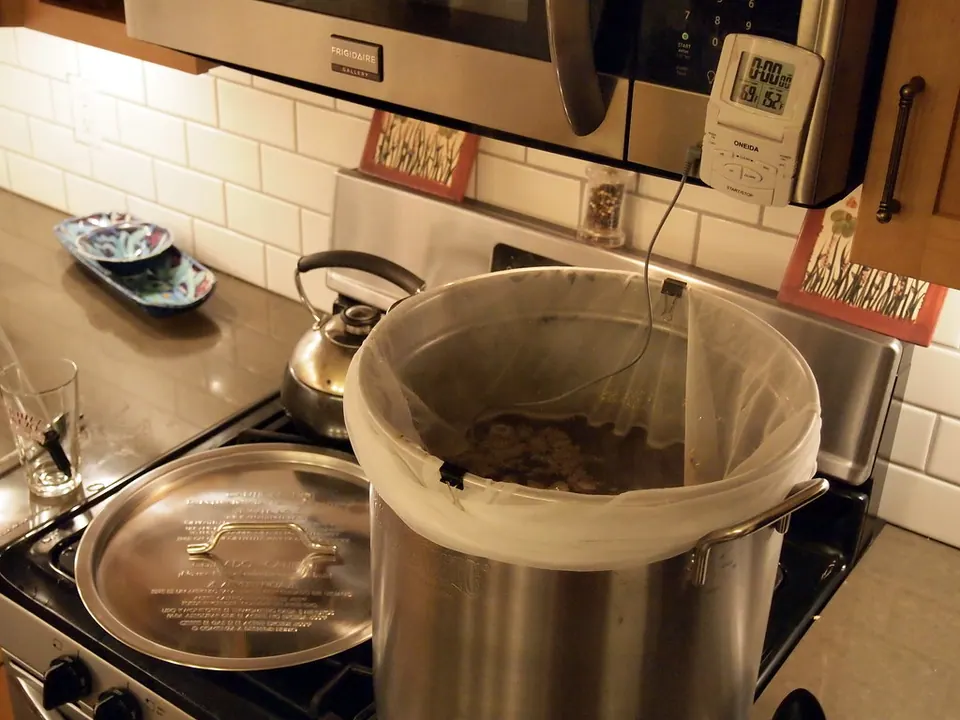
- BIAB mashes all the water and grain in one kettle, then you lift the bag out. For 5 gal (19 L) you want a 10 gal kettle, a bag sized to it and a way to heat about 8 gal.
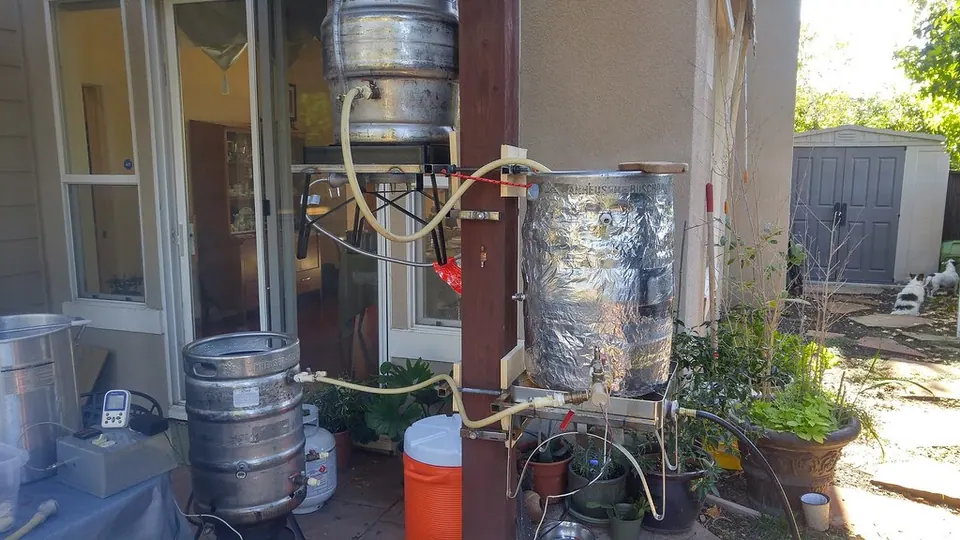
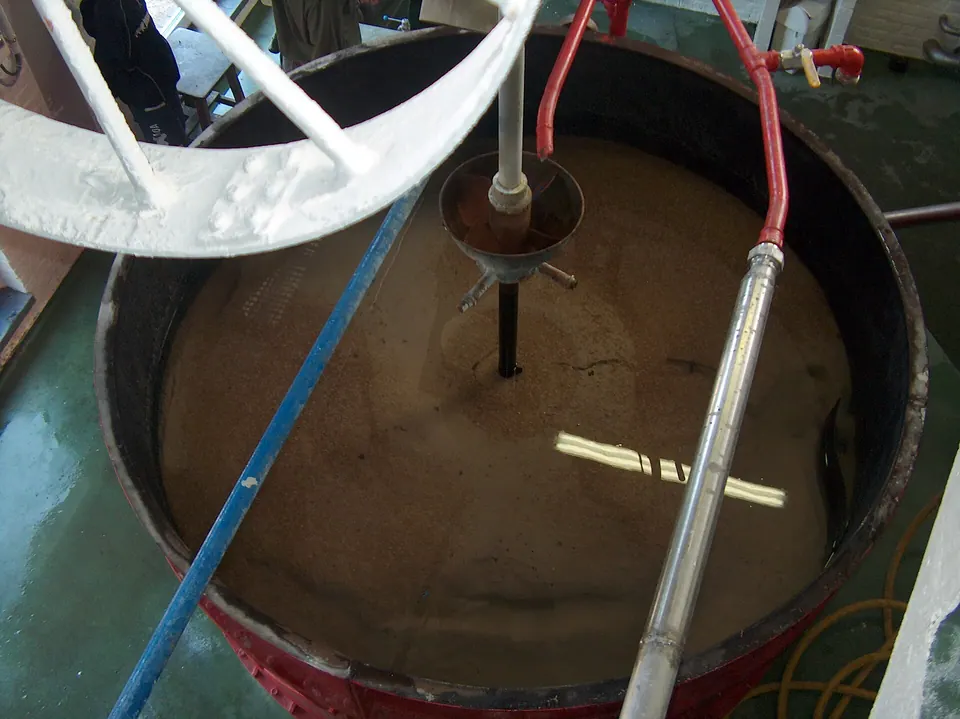
- Three-vessel heats water in a hot liquor tank, mashes in a separate tun (often a 10 gal cooler) and sparges into the boil kettle. More gear and space, easier 10 gal batches.
- Electric all-in-ones (Anvil, BrewZilla, Grainfather) are BIAB with a basket and a built-in heater.
- Propane burners for either method belong outdoors only; electric is the indoor and garage option.
BIAB vs three-vessel is the classic all-grain decision. Brew in a bag (BIAB) puts the crushed grain in a fine mesh bag inside your boil kettle, mashes with the full volume of water, then lifts the bag and boils. A three-vessel system uses a hot liquor tank (HLT) for water, a mash tun to hold the grain bed and a separate boil kettle, with sparge water rinsed through the grain to collect the wort.
Both produce the same kind of all-grain wort. This page compares them on kettle size, water volume, gear, space, time and safety, with picks from the brands in our brewing systems hub. If you are still on extract, read extract vs all-grain first.
Picks from each side
Brew in a bag (BIAB)
The Brew Bag for 50–60 Qt Kettles
- Volume
- Fits 50 and 60 qt kettles
- Material
- Mesh with 1 in. poly straps
- Type
- BIAB bag
Best for BIAB in a large kettle
The Brew Bag Pro-Series for 10 Gal Coolers and Larger Kettles
- Volume
- Fits 10 gal round coolers and larger kettles
- Material
- Mesh with 1 in. poly straps
- Type
- BIAB bag
Best for Brew-in-a-bag in a cooler
CONIE Nylon Straining Brew Bag, 18 x 24 in.
- Volume
- 18 in. diameter × 24 in. high
- Material
- Food-grade nylon, 75 micron
- Type
- BIAB bag
Best for Budget BIAB bag
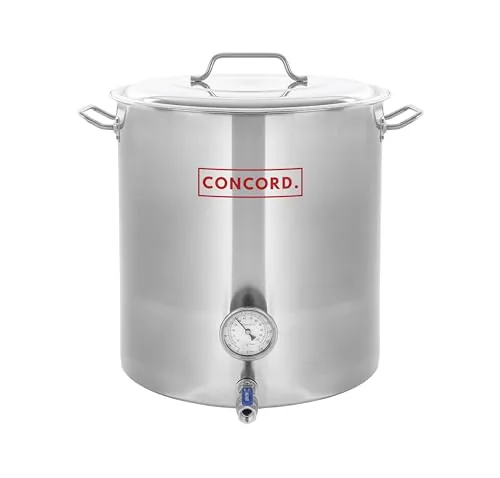
Concord Stainless Brew Kettle, Weldless Fittings, 10 gal
- Volume
- 40 qt (10 gal)
- Power
- Stovetop or outdoor burner
- Material
- Stainless steel, 304 stainless fittings
Best for 10 gal boils on a budget
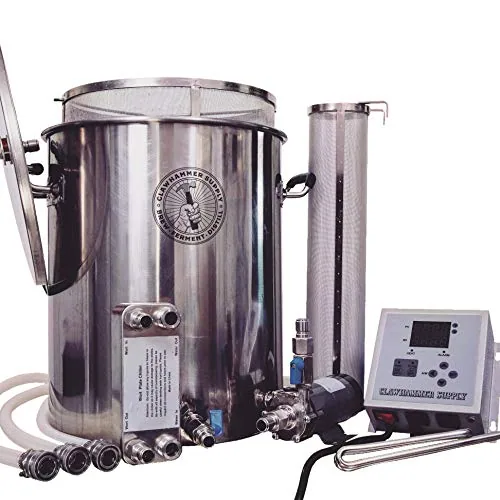
Clawhammer Supply 10.5 Gal Electric BIAB System, 120V
- Volume
- 10.5 gal
- Power
- 120V
- Material
- 304 stainless steel
Best for Electric BIAB on 120V
Three-vessel
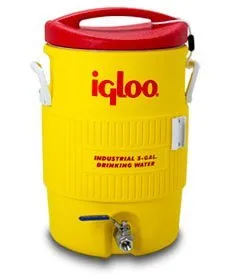
Learn To Brew 10 Gal Igloo Mash Tun with False Bottom
- Volume
- 10 gal
- Batch size
- 5 and 10 gal
- Material
- Igloo cooler, stainless false bottom and valve
Best for Cooler mash tun for all-grain
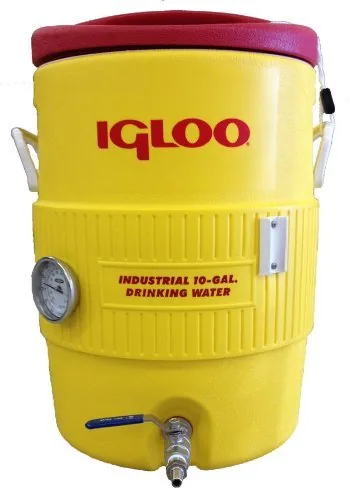
Quick Fit 10 Gal Igloo Mash Tun with Thermometer
- Volume
- 10 gal
- Batch size
- 5 and 10 gal
- Material
- Igloo cooler, 304/316 stainless fittings
Best for Cooler mash tun with temp readout
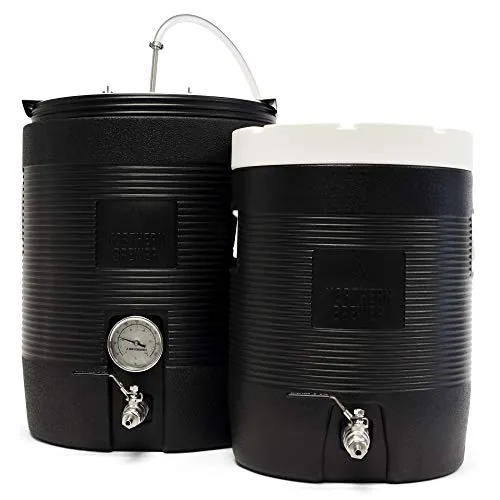
Northern Brewer All-Grain Starter Kit, 12 Gal Mash Tun
- Volume
- 12+ gal mash/lauter tun
- Material
- Insulated cooler, stainless fittings
- Type
- Cooler mash tun
Best for Cooler-style all-grain brewing
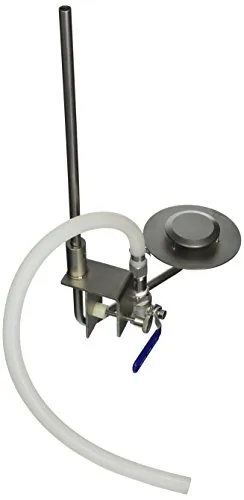
Eagle BE950 Sparge Arm
- Volume
- Adjusts 12–13 in. into the kettle
- Material
- Stainless steel and silicone
- Type
- Sparge arm
Best for Fly sparging
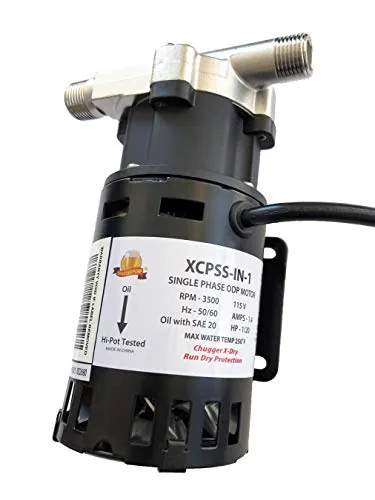
Chugger X-Dry Inline Stainless Pump, 115V, 1/2 in. MPT
- Power
- 115V, 1.9 A (motor and pump)
- Material
- Stainless steel, food-compliant materials
- Type
- Brewing pump
Best for Certified pump for a brew rig
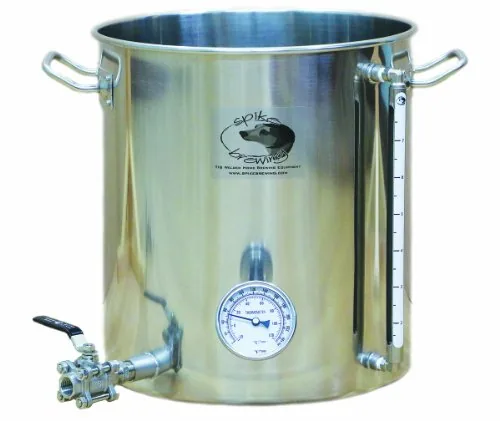
Spike Brewing 15 Gal Stainless Kettle with Sight Glass
- Volume
- 15 gal
- Material
- 304 stainless, 18 gauge (1.2 mm), TIG-welded ports
- Type
- Brew kettle with sight glass
Best for 10-gallon batches
BIAB vs three-vessel side by side
| BIAB | Three-vessel | |
|---|---|---|
| Vessels | 1 kettle + bag | HLT + mash tun + boil kettle |
| Kettle for 5 gal | 10 gal recommended (full volume) | 8–10 gal boil kettle, plus tun and HLT |
| Mash thickness | Thin (all the water) | Thicker, then sparge |
| Sparging | ~ Optional dunk or pour-over | ✓ Fly or batch sparge |
| 10 gal batches | ~ Needs 15–20 gal kettle and a hoist | ✓ Scales well |
| Footprint | ✓ Small | ✗ Large, often a stand |
| Pumps | ✗ Not needed | ~ Optional, common on bigger rigs |
| Cleanup | ✓ One kettle, rinse the bag | ✗ Three vessels and hoses |
| Heat source | Electric all-in-one, electric BIAB kettle, or outdoor burner | Usually outdoor burners or 240V electric |
Source: Palmer, How to Brew (mashing and lautering chapters)
How big a kettle do you need for BIAB?
Because BIAB holds all the brewing water plus the grain at once, kettle size is the limit. A worked example for a 5-gallon batch with 10 lb of grain, using typical figures (pre-boil of about 6.5 gal, grain absorption near 0.12 gal per lb, grain displacement near 0.08 gal per lb):
Volume in each vessel during the mash
5 gal batch, 10 lb grain; gallons (estimates)
So an 8-gallon kettle is tight for a full-volume 5-gallon BIAB, and a 10-gallon kettle such as the Concord 40 qt (B01M6DIKBI) gives headroom. In three-vessel brewing the mash tun only holds the thicker mash, which is why a 10-gallon round cooler handles 5- and 10-gallon batches. Plug your own grain bill into the strike water calculator and the boil-off calculator.
What a BIAB setup needs
- A bag that fits the kettle. The Brew Bag from Wilser is sized per kettle (50–60 qt, or 10 gal coolers and larger kettles) with poly straps; CONIE and Boao sell generic fine-mesh bags. Measure your kettle's diameter and height first.
- A 10 gal kettle or an electric BIAB kettle. The Clawhammer Supply 10.5 gal 120V system is an electric BIAB kettle; all-in-ones replace the bag with a basket.
- A way to lift and drain the bag. A wet 10 lb grain bill weighs much more than dry grain. Use a pulley, a hook or a rack, and wear heat-resistant gloves.
- A chiller. See immersion vs plate chillers.
The Brew Bag for 50–60 Qt Kettles
- Volume
- Fits 50 and 60 qt kettles
- Material
- Mesh with 1 in. poly straps
- Type
- BIAB bag
Best for BIAB in a large kettle
CONIE Nylon Straining Brew Bag, 18 x 24 in.
- Volume
- 18 in. diameter × 24 in. high
- Material
- Food-grade nylon, 75 micron
- Type
- BIAB bag
Best for Budget BIAB bag
Concord Stainless Brew Kettle, Weldless Fittings, 10 gal
- Volume
- 40 qt (10 gal)
- Power
- Stovetop or outdoor burner
- Material
- Stainless steel, 304 stainless fittings
Best for 10 gal boils on a budget
Clawhammer Supply 10.5 Gal Electric BIAB System, 120V
- Volume
- 10.5 gal
- Power
- 120V
- Material
- 304 stainless steel
Best for Electric BIAB on 120V
What a three-vessel setup needs
- A mash tun. A converted cooler with a false bottom and valve is the common home choice: the Learn To Brew and Quick Fit 10 gal Igloo tuns, or Northern Brewer's 12 gal all-grain starter kit.
- A hot liquor tank. Any second kettle that holds your sparge water, ideally with a valve and thermometer.
- A boil kettle of 8–15 gal. The Spike 15 gal kettle and the Concord 15 gal kettle suit 10 gal batches.
- A sparge arm and, often, a pump. The Eagle sparge arm spreads water over the grain bed; a Chugger or MKII-style magnetic drive pump moves hot liquid without lifting full kettles.
- Heat for two vessels. Usually two outdoor propane burners, or 240V electric elements installed by a licensed electrician.
Learn To Brew 10 Gal Igloo Mash Tun with False Bottom
- Volume
- 10 gal
- Batch size
- 5 and 10 gal
- Material
- Igloo cooler, stainless false bottom and valve
Best for Cooler mash tun for all-grain
Northern Brewer All-Grain Starter Kit, 12 Gal Mash Tun
- Volume
- 12+ gal mash/lauter tun
- Material
- Insulated cooler, stainless fittings
- Type
- Cooler mash tun
Best for Cooler-style all-grain brewing
Eagle BE950 Sparge Arm
- Volume
- Adjusts 12–13 in. into the kettle
- Material
- Stainless steel and silicone
- Type
- Sparge arm
Best for Fly sparging
Chugger X-Dry Inline Stainless Pump, 115V, 1/2 in. MPT
- Power
- 115V, 1.9 A (motor and pump)
- Material
- Stainless steel, food-compliant materials
- Type
- Brewing pump
Best for Certified pump for a brew rig
Spike Brewing 15 Gal Stainless Kettle with Sight Glass
- Volume
- 15 gal
- Material
- 304 stainless, 18 gauge (1.2 mm), TIG-welded ports
- Type
- Brew kettle with sight glass
Best for 10-gallon batches
Efficiency, clarity and control
Three-vessel brewers sparge, which rinses more sugar from the grain and usually reaches a higher mash efficiency with a standard crush. BIAB brewers compensate with a finer crush (the bag stops a stuck lauter) or by squeezing or dunk-sparging the bag. Either way, take a pre-boil gravity reading and adjust: a hydrometer or refractometer works here (see hydrometer vs refractometer).
Control over mash temperature is similar. A three-vessel cooler tun holds heat passively; BIAB in a kettle loses heat unless you wrap it or apply gentle heat while stirring. Electric all-in-ones solve this with a controller, which is why many BIAB brewers end up there.
Safety for both setups
Both methods move hot, heavy liquid. A full 10-gallon kettle holds far more weight than you can safely lift, so drain with a valve or a pump rather than pouring. In a garage, choose electric; propane is for open air away from the house.
Who should choose which
Pick by situation
| Situation | BIAB | Three-vessel |
|---|---|---|
| First all-grain batch | ✓ | ~ |
| Small garage or apartment | ✓ Electric BIAB indoors | ✗ |
| Regular 10 gal batches | ~ Heavy bag | ✓ |
| Already own a cooler and two kettles | ~ | ✓ |
| Want the shortest cleanup | ✓ | ✗ |
| Want to learn fly sparging | ✗ | ✓ |
Choose BIAB if you want all-grain with the least gear, a small footprint and 5-gallon batches. Choose three-vessel if you brew 10 gallons often, have outdoor space or a 240V setup, and enjoy the process. The going all-grain page lists the mill, chiller and water gear for both.
Mistakes to avoid
- Undersized BIAB kettle. An 8 gal pot filled with 8.5 gal of mash overflows; size up or brew smaller batches.
- A bag resting on the burner-heated kettle bottom. Mesh can scorch. Use a false bottom, rack or basket when you apply heat.
- Lifting a full kettle or a wet bag without a plan. Use a pulley and a valve; never carry hot wort.
- Running burners in the garage. Outdoors only, with the door open or not.
- Sparging too hot. Keep sparge water near 168°F (76°C) per Palmer to avoid extracting tannins.
- Ignoring water chemistry. Mash pH affects efficiency for both; see the water chemistry calculator.
BIAB is the simplest way into all-grain: one 10-gallon kettle, a well-fitted bag and a chiller make a 5-gallon batch, and it works indoors with electric heat. Three-vessel is worth its space and cost if you brew 10-gallon batches or want to sparge. Electric all-in-ones sit between the two.
We compared the two methods using Palmer's How to Brew mashing and lautering chapters, the listing data for the bags, kettles, tuns and pumps shown, and CPSC propane guidance. The volume chart is a worked estimate from typical figures, not a measurement.