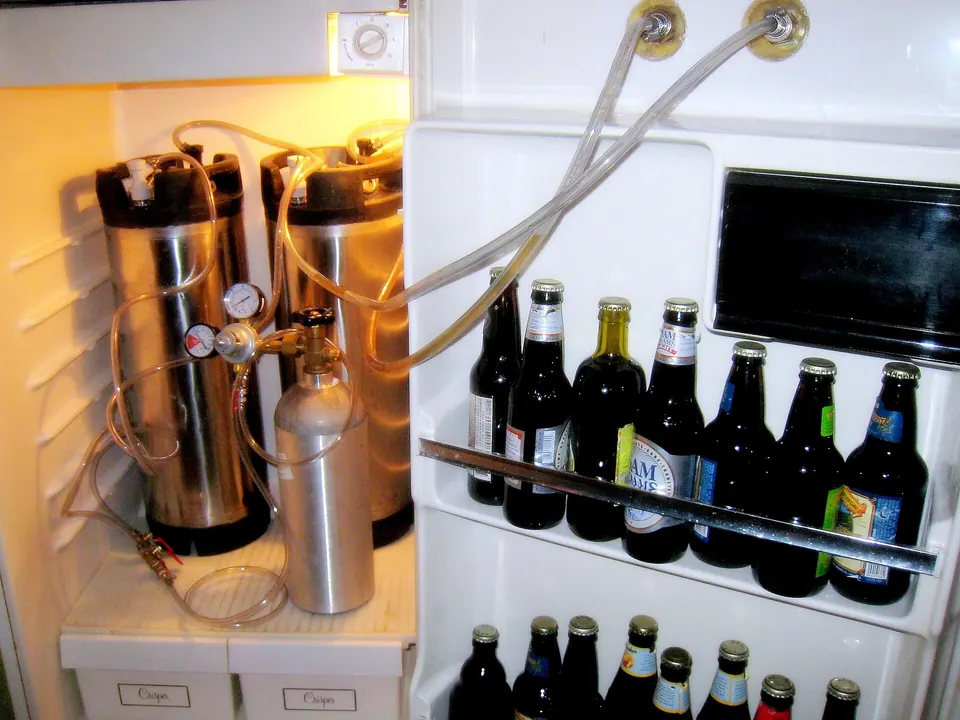
- Bottling 5 gal (19 L) means about 53 × 12 oz bottles, priming sugar and a capper. The beer carbonates in the bottle in about two weeks at room temperature.
- Kegging means one 5 gal corny keg, a CO2 cylinder and a regulator. You set carbonation with pressure: about 11.2 psi at 40°F for 2.4 volumes (BYO chart).
- Bottles are cheaper to start and easy to share; kegs package in minutes but need a fridge and CO2 safety habits.
- Many brewers do both: keg at home and fill a few bottles from the keg with a counter-pressure filler or beer gun.
Bottling vs kegging is the packaging decision every homebrewer meets after the first few batches. Bottling uses a measured dose of priming sugar so the yeast makes CO2 inside each sealed bottle. Kegging moves the whole batch into one stainless keg and carbonates it with CO2 from a cylinder, either slowly at serving pressure or faster at higher pressure.
This comparison covers the time, gear, carbonation control and safety of each, with picks from FastRack, Ferrari, Brewer's Best, LD Carlson, Fermtech, Kegco, KegLand, Taprite and Northern Brewer. Shop the bottling hub or the kegging hub, or read switching to kegs if you are ready to move.
Picks from each side
Bottling
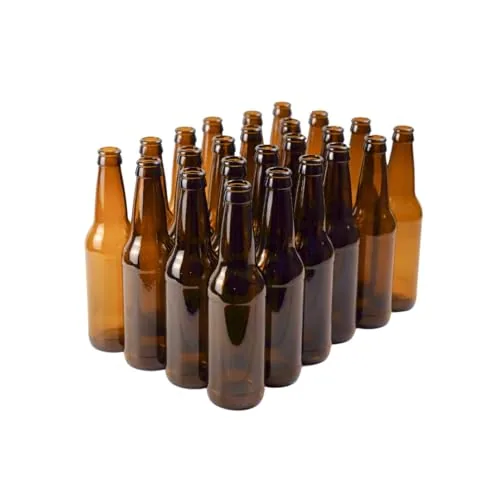
FastRack 12 oz Amber Longneck Beer Bottles, 24-Pack
- Type
- Pry-off amber longneck
- Count
- 24
- Size
- 12 oz
Best for A first bottling day
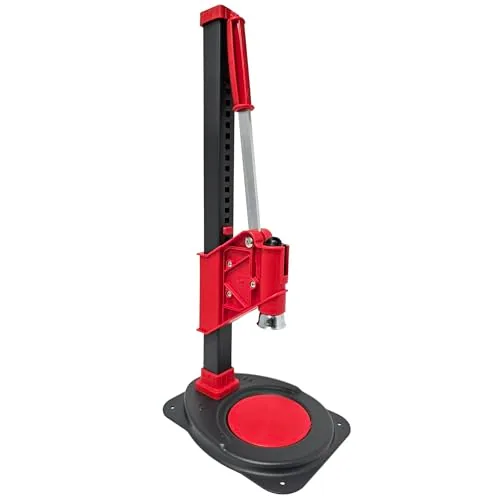
Ferrari Super Agata Bench Capper
- Type
- Adjustable bench capper
- Cap size
- Standard crown
Best for Bottling 5-gallon batches
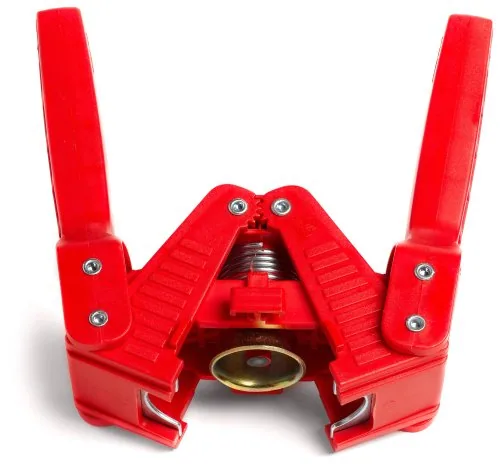
FastRack Red Baron Bottle Capper
- Type
- Handheld capper with magnetic bell
- Cap size
- 26 mm
Best for First bottling day
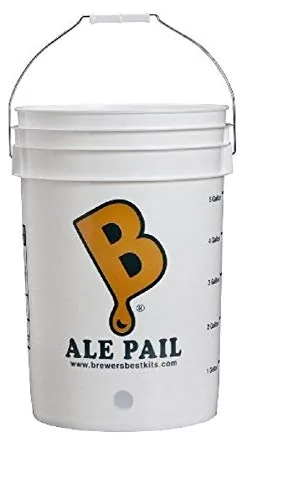
Brewer’s Best 6.5 Gal Bottling Bucket
- Type
- Bottling bucket
- Size
- 6.5 gal
Best for Replacing a bottling bucket
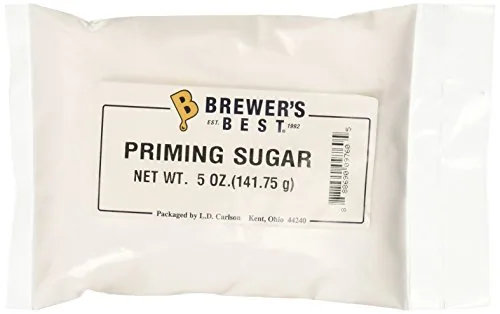
LD Carlson 9760 Priming Sugar, 5 oz
- Type
- Corn sugar for priming
- Size
- 5 oz
Best for One 5-gallon bottling day
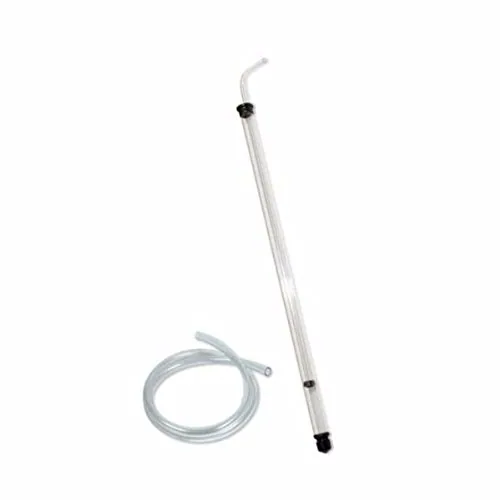
Fermtech Regular 5/16 in. Auto-Siphon, 24 in., with 8 ft Tubing
- Type
- Auto-siphon
- Size
- 5/16 in., 24 in. long, 8 ft tubing
Best for Racking and bottling 5-gallon batches
Kegging
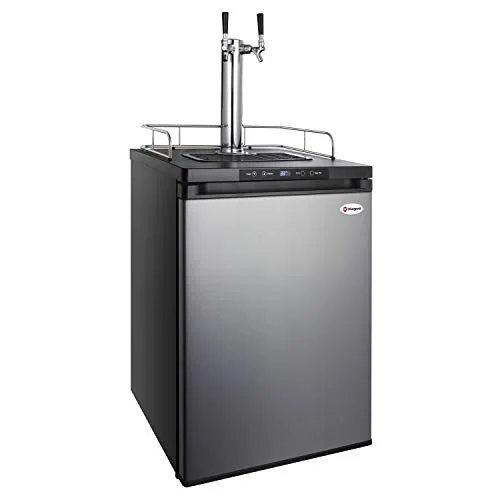
Kegco HBK309S-2 Homebrew Kegerator, 2 Tap, Stainless
- Taps
- 2
- Kegs
- Homebrew (ball lock) kegs
- Temp range
- Digital, 1° steps; dispense or ferment
Best for A dedicated homebrew kegerator
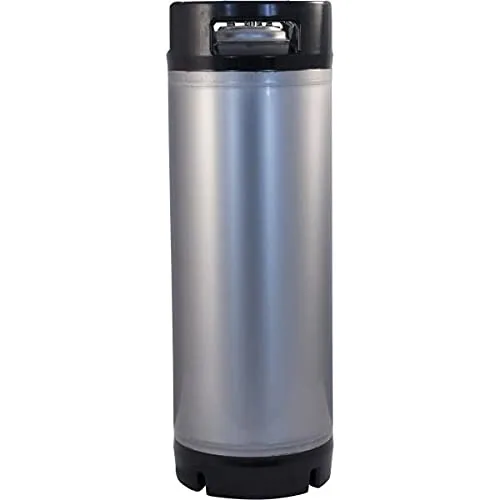
KegLand New Cornelius Keg, 5 Gal, Ball Lock
- Kegs
- 5 gal (19 L), ball lock
- Pressure
- 130 PSI operating
- Material
- 304 stainless
Best for First homebrew keg
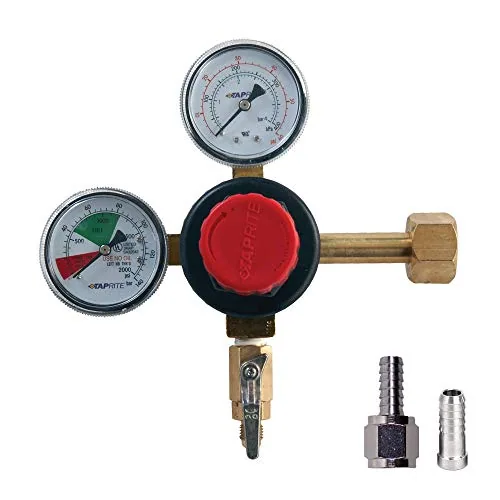
Taprite Dual Gauge CO2 Regulator with MFL Check Valve
- Couplers
- MFL check valve; 1/4 and 5/16 in. barbs
- Gauges
- Dual gauge
- Pressure
- Safety blow-off at 55–60 PSI
Best for First kegging regulator
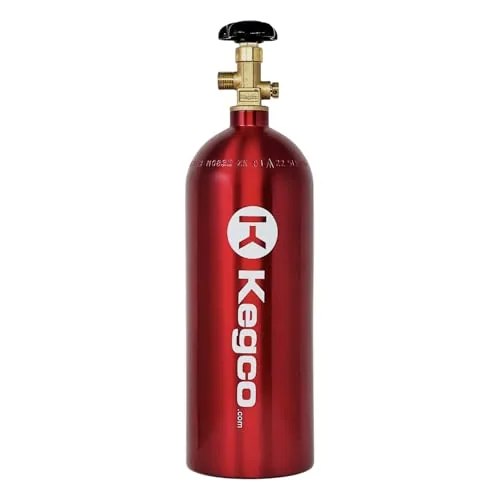
Kegco 3PB5-RED 5 lb Aluminum CO2 Tank
- Gauges
- CGA 320 valve
- Size
- 5 lb
- Material
- 6061-T6 aluminum, 1800 PSI service
Best for Kegerator CO2 supply
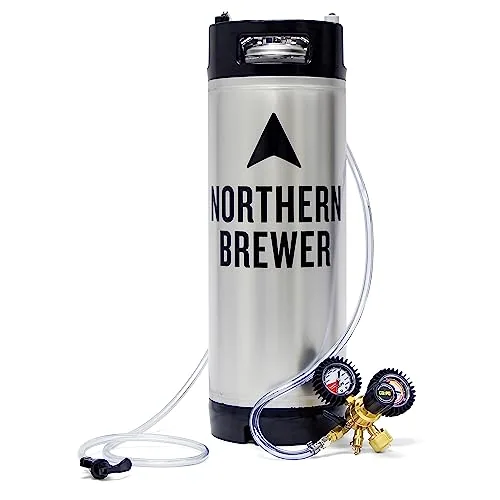
Draft Brewer Single Homebrew Kegging System with New Ball Lock Keg
- Kegs
- 1 new 5 gal ball lock
- Couplers
- Assembled gas and beer lines
- Gauges
- CO2PO dual gauge regulator
Best for First step into kegging
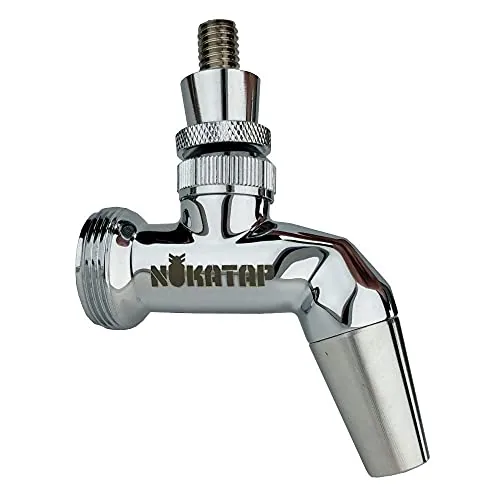
KegLand Nukatap SS Forward Sealing Faucet
- Taps
- 1 forward-sealing faucet
- Couplers
- Fits Intertap accessories and shanks
- Material
- Chrome-plated stainless steel
Best for Budget forward-sealing faucet
Bottling vs kegging side by side
| Bottling | Kegging | |
|---|---|---|
| Containers for 5 gal | About 53 × 12 oz bottles | 1 × 5 gal corny keg |
| How it carbonates | Priming sugar + yeast in the bottle | CO2 from a cylinder through a regulator |
| Time to carbonated beer | About 2 weeks at room temp (Palmer) | Days to about 2 weeks, depending on method |
| Carbonation control | ~ Set by sugar dose and temperature | ✓ Set and adjusted on the regulator |
| Sediment | ~ Thin yeast layer in each bottle | ~ First pour or two carry yeast |
| Cold storage | ✓ Room temp, then fridge as you drink | ✗ Needs a kegerator or fridge |
| Portability | ✓ Hand a bottle to a friend (21+) | ~ Needs a counter-pressure filler or growler |
| Main hazard | Bottle bombs from over-priming | CO2 cylinder handling and pressure |
| Start-up gear | Bottles, caps, capper, bucket, filler | Keg, CO2 tank, regulator, lines, faucet, fridge |
Source: Palmer, How to Brew (priming and bottling); BYO carbonation charts
How many bottles is a 5-gallon batch?
Five gallons is 640 fl oz. Divide by the bottle size and add a couple for losses:
Containers for 5 gal (640 fl oz)
Arithmetic, before trub and transfer losses
Every one of those bottles needs washing, sanitizing, filling and capping. That repetition is the main reason brewers switch to kegs. Swing-top bottles skip the capper but still need sanitizing, and their gaskets wear over time.
Carbonation: sugar dose vs regulator pressure
Carbonation is measured in volumes of CO2. When you bottle, the beer already holds some CO2 based on the warmest temperature it reached after fermentation; the priming sugar adds the rest. Use the priming sugar calculator instead of a fixed "one cup" rule.
CO2 volumes by style family (bottle or keg)
| Style family | Volumes of CO2 | Bottle-safe? |
|---|---|---|
| British ales | 1.5–2.2 | ✓ standard bottles |
| American ales | 2.2–3 | ✓ standard bottles |
| European lagers | 2.4–2.6 | ✓ standard bottles |
| American lagers | 2.5–2.8 | ✓ standard bottles |
| Belgian ales | 2–4.5 | ~ standard bottles only to about 3 vol |
| German weizen | 2.8–5.1 | ~ standard bottles only to about 3 vol |
Style ranges: BYO: Carbonation priming chart. Standard 12 oz pry-off bottles are not meant for more than about 3.0 volumes. Bottle only after the gravity reads the same 2–3 days in a row.
When you keg, the regulator pressure and the beer temperature together set the carbonation. The chart below is the keg pressure for each temperature and target, checked against BYO's grid; the keg carbonation chart adds an altitude correction.
Keg pressure (psi, sea level) by beer temperature and target CO2 volumes
| Beer temp | 1.8 vol | 2.0 vol | 2.2 vol | 2.4 vol | 2.6 vol | 2.8 vol | 3.0 vol | 3.2 vol |
|---|---|---|---|---|---|---|---|---|
| 32°F 0°C | 1.6 | 3.5 | 5.4 | 7.3 | 9.2 | 11.0 | 12.9 | 14.8 |
| 34°F 1.1°C | 2.3 | 4.3 | 6.3 | 8.2 | 10.2 | 12.1 | 14.1 | 16.0 |
| 36°F 2.2°C | 3.1 | 5.1 | 7.2 | 9.2 | 11.2 | 13.3 | 15.3 | 17.3 |
| 38°F 3.3°C | 3.9 | 6.0 | 8.1 | 10.2 | 12.3 | 14.4 | 16.5 | 18.6 |
| 40°F 4.4°C | 4.7 | 6.8 | 9.0 | 11.2 | 13.4 | 15.5 | 17.7 | 19.8 |
| 42°F 5.6°C | 5.5 | 7.7 | 10.0 | 12.2 | 14.4 | 16.7 | 18.9 | 21.1 |
| 44°F 6.7°C | 6.3 | 8.6 | 10.9 | 13.2 | 15.5 | 17.8 | 20.1 | 22.4 |
| 46°F 7.8°C | 7.1 | 9.5 | 11.8 | 14.2 | 16.6 | 19.0 | 21.3 | 23.7 |
| 48°F 8.9°C | 7.9 | 10.4 | 12.8 | 15.3 | 17.7 | 20.1 | 22.6 | 25.0 |
| 50°F 10°C | 8.7 | 11.3 | 13.8 | 16.3 | 18.8 | 21.3 | 23.8 | 26.3 |
| 52°F 11.1°C | 9.6 | 12.2 | 14.8 | 17.3 | 19.9 | 22.5 | 25.1 | 27.6 |
| 54°F 12.2°C | 10.4 | 13.1 | 15.7 | 18.4 | 21.1 | 23.7 | 26.3 | 29.0 |
| 56°F 13.3°C | 11.3 | 14.0 | 16.7 | 19.5 | 22.2 | 24.9 | 27.6 | 30.3 |
Formula: PSI = −16.6999 − 0.0101059·T + 0.00116512·T² + 0.173354·T·V + 4.24267·V − 0.0684226·V². Checked against the BYO grid (40°F and 2.4 vol: 11.19 psi by formula, 11.2 psi on the chart). Regulator gauges read relative to local air pressure. BYO notes that Denver needs about 3 psi over the sea-level chart; add roughly 0.5 psi per 1,000 ft. Sources: BYO: Carbonation priming chart; Brewer's Friend: Force carbonation chart; Brewers Association: Draught Beer Quality Manual.
What you need to start bottling
- Bottles: pry-off 12 oz amber bottles (not twist-off) such as FastRack's 24-packs, or 16 oz swing-tops.
- A capper and caps: a bench capper (Ferrari Super Agata) is steadier than a two-handled wing capper (FastRack Red Baron), but both seat standard 26 mm crowns.
- A bottling bucket with spigot (Brewer's Best 6.5 gal), an auto-siphon (Fermtech) and a spring-tip bottle filler.
- Priming sugar (LD Carlson corn sugar) or carbonation drops (Coopers), dosed per bottle size.
- Sanitizer used at label dilution.
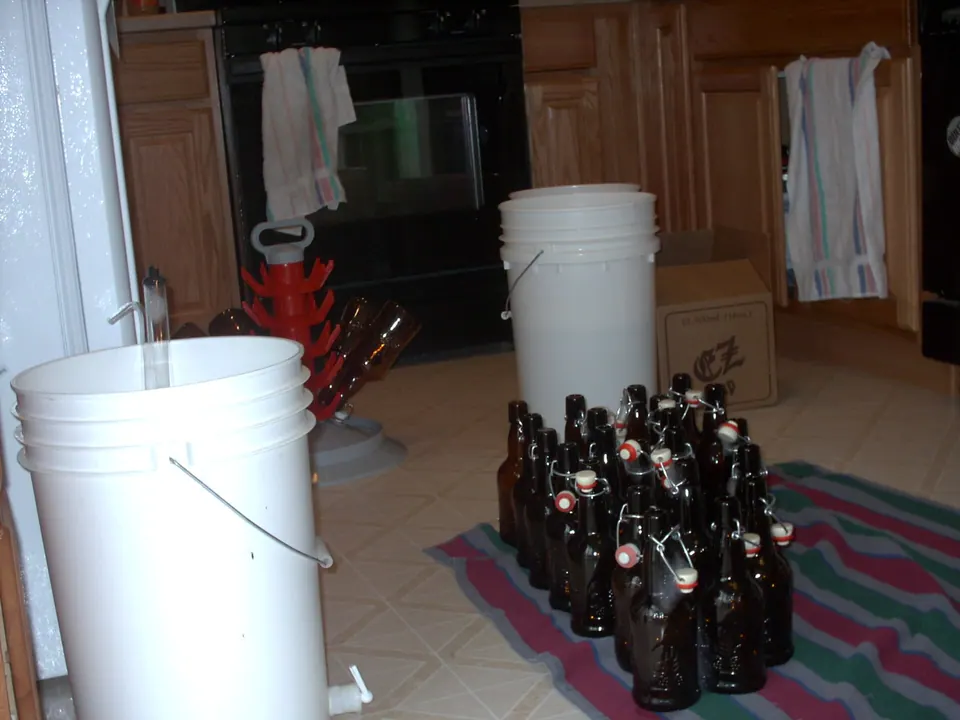
FastRack 12 oz Amber Longneck Beer Bottles, 24-Pack
- Type
- Pry-off amber longneck
- Count
- 24
- Size
- 12 oz
Best for A first bottling day
Ferrari Super Agata Bench Capper
- Type
- Adjustable bench capper
- Cap size
- Standard crown
Best for Bottling 5-gallon batches
Brewer’s Best 6.5 Gal Bottling Bucket
- Type
- Bottling bucket
- Size
- 6.5 gal
Best for Replacing a bottling bucket
LD Carlson 9760 Priming Sugar, 5 oz
- Type
- Corn sugar for priming
- Size
- 5 oz
Best for One 5-gallon bottling day
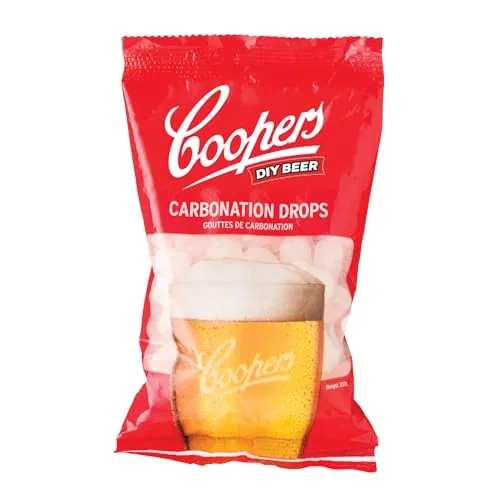
Coopers Carbonation Drops
- Type
- Carbonation drops
- Count
- 60
- Size
- Enough for 6 gal per maker
Best for Priming without measuring
What you need to start kegging
- A ball lock corny keg: KegLand's new 5 gal keg lists a 130 PSI operating pressure.
- A CO2 cylinder: Kegco's 5 lb aluminum tank has a CGA 320 valve and 1800 PSI service pressure; most tanks ship empty, so plan a local fill or exchange.
- A dual-gauge regulator: Taprite's lists a check valve and a safety blow-off at 55–60 PSI. Never connect a cylinder to a keg without one.
- Gas and beer lines, ball lock disconnects and a faucet (KegLand Nukatap), or a starter set like Northern Brewer's Draft Brewer kit (keg, regulator and lines; no tank listed).
- Cold space: a homebrew kegerator such as the Kegco HBK309S-2 (set from 32°F up to 75°F per the listing, so it can double as a fermentation chamber) or a converted fridge or chest freezer.
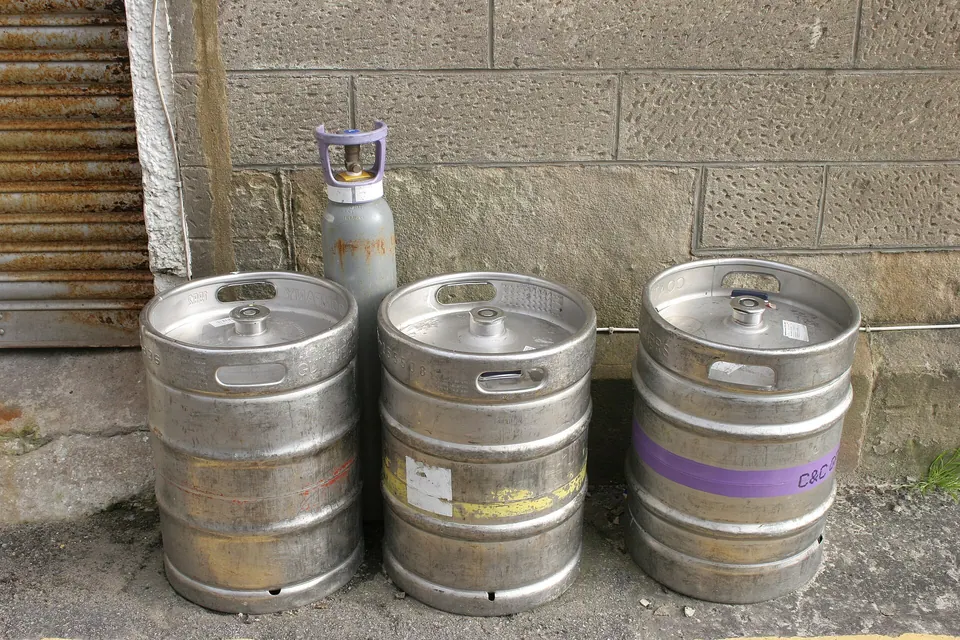
KegLand New Cornelius Keg, 5 Gal, Ball Lock
- Kegs
- 5 gal (19 L), ball lock
- Pressure
- 130 PSI operating
- Material
- 304 stainless
Best for First homebrew keg
Kegco 3PB5-RED 5 lb Aluminum CO2 Tank
- Gauges
- CGA 320 valve
- Size
- 5 lb
- Material
- 6061-T6 aluminum, 1800 PSI service
Best for Kegerator CO2 supply
Taprite Dual Gauge CO2 Regulator with MFL Check Valve
- Couplers
- MFL check valve; 1/4 and 5/16 in. barbs
- Gauges
- Dual gauge
- Pressure
- Safety blow-off at 55–60 PSI
Best for First kegging regulator
Kegco HBK309S-2 Homebrew Kegerator, 2 Tap, Stainless
- Taps
- 2
- Kegs
- Homebrew (ball lock) kegs
- Temp range
- Digital, 1° steps; dispense or ferment
Best for A dedicated homebrew kegerator
Draft Brewer Single Homebrew Kegging System with New Ball Lock Keg
- Kegs
- 1 new 5 gal ball lock
- Couplers
- Assembled gas and beer lines
- Gauges
- CO2PO dual gauge regulator
Best for First step into kegging
If your kegerator lives in a small room or basement, a CO2 monitor such as the Aranet4 or Temtop adds an alarm for leaks. More on building a cold box in our kegging gear for switchers.
Who should choose which
Bottling or kegging by situation
| Situation | Bottling | Kegging |
|---|---|---|
| First few batches | ✓ | ~ |
| No spare fridge space | ✓ | ✗ |
| Sharing beer at club meetings or competitions | ✓ | ~ Bottle from the keg |
| Hoppy beers you want fresh and cold fast | ~ | ✓ |
| High-carbonation styles above 3.0 vol | ~ Heavy bottles only | ✓ |
| Hate repetitive cleaning | ✗ | ✓ |
| Small apartment, no CO2 storage | ✓ | ~ |
Choose bottling if you're starting out, have no spare fridge, or want to share and age beer easily. Choose kegging if you brew often, drink most of it at home, want carbonation on a dial and can store a CO2 cylinder safely. Price both paths with the startup budget builder.
Mistakes to avoid
- Bottling before fermentation is finished. Take 2–3 equal gravity readings over 2–3 days first.
- Priming by volume guesswork. Weigh the sugar from the calculator, and stir it gently into the bottling bucket so every bottle gets the same dose.
- Using twist-off or thin bottles. They don't seal reliably with a capper and break more easily.
- Laying a CO2 cylinder down or leaving it unsecured. Keep it upright and chained or strapped, away from heat.
- Skipping the leak check. Spray connections with sanitizer solution or soapy water; bubbles mean a leak that can empty a tank overnight.
- Serving too warm. At higher temperatures the same pressure gives less carbonation and more foam; follow the chart.
Bottling is the low-cost, portable way to package homebrew and the right start for most brewers, as long as you bottle at stable gravity and prime with a calculator. Kegging saves hours per batch and gives exact carbonation control, at the price of a fridge, a CO2 cylinder and the habits that go with them. Doing both is common.
We compared the two methods using Palmer's How to Brew bottling chapter, BYO's priming and force-carbonation charts, and the listing data for the bottles, cappers, kegs, regulators, tanks and kegerators shown. We did not package beer with these products.