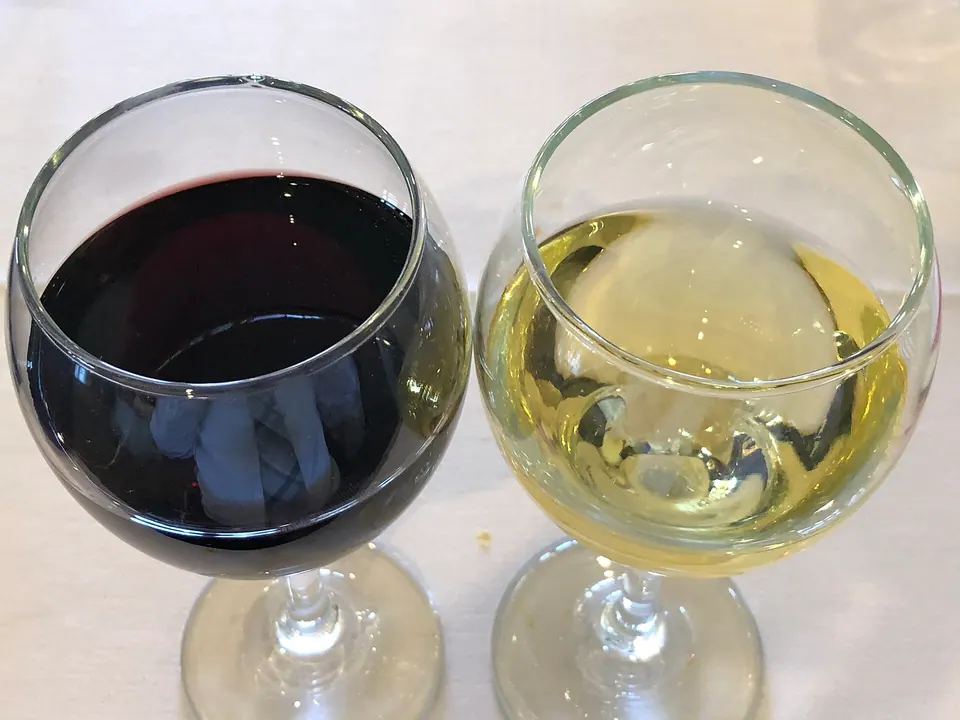
- A "wine kit" means one of two things: an ingredient kit (juice concentrate, yeast, additives) or an equipment kit (fermenter, carboy, siphon, corker). A first batch needs both, unless you buy a combined kit.
- 6-gallon ingredient kits make about 30 bottles (Fontana lists 6 gal = 30 bottles; Winexpert's Pinot Grigio lists 28–30).
- The Winemakers Depot and Wild Grapes equipment kits include a corker and 30 corks; you still need bottles.
- Most kits include sulfite. Home wine isn't labelled, so tell sulfite-sensitive guests.
The best wine making kit for you depends on whether you already own the gear. Ingredient kits bring the juice and additives; equipment kits bring the bucket, carboy, siphon and corker; a few kits bundle both. Picking the wrong half is the most common first-time surprise, so every pick below says what it includes and what you still need.
We compare ten kits from eight brands by the makers' listed batch size, contents and timeline: four 6-gallon ingredient kits, three equipment sets, one combined starter kit and two small-batch options for apartments. Wine is for adults 21 and over, and a 6-gallon batch counts toward the federal household limit, which we cover below.
Our picks
Master Vintner Weekday Wine Cabernet Starter Kit
Master Vintner
- Batch size
- Not listed (gallon-scale kit)
- Type
- Equipment + recipe kit
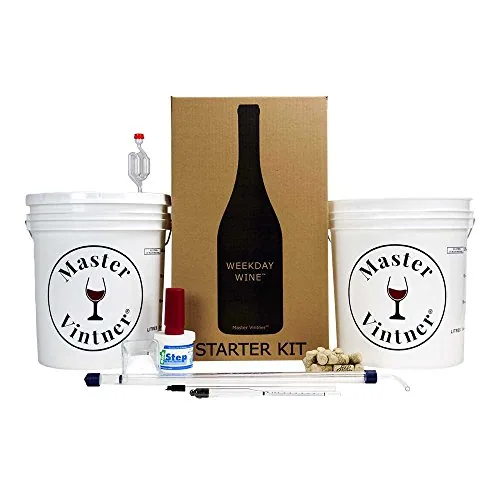
Master Vintner's Weekday Wine starter pairs a Cabernet recipe kit with the equipment: two 7.9-gallon fermenting buckets, a drilled lid, a Rack Magic siphon, a bottle filler with tubing, a triple-scale hydrometer, a mini corker and corks, 8 oz of One Step cleanser and 50 g of sodium metabisulfite. It's the only pick here with both halves in one box.
Best for: A first wine batch without buying gear separately
Skip if: You already own buckets, a siphon and a corker
- Recipe kit plus equipment
- Corker, corks and hydrometer included
- Cleanser and sulfite included
- You still need bottles
- Batch size unclear: the catalogue spec says not listed, the listing's size field says 6 gallons
Winemakers Depot Premium Wine Equipment Kit with Auto-Siphon
Winemakers Depot
- Batch size
- 6 gal
- Type
- Equipment kit
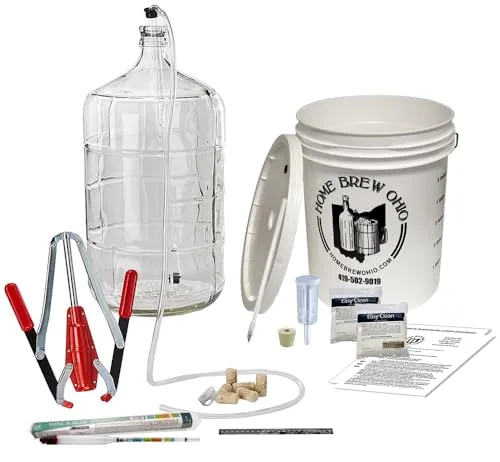
Winemakers Depot's premium equipment kit lists a 6-gallon glass carboy, an 8-gallon fermenting bucket, a twin-lever corker, a hydrometer, 5 ft of transfer hose, a bottle filler, an auto-siphon, 30 synthetic corks, an airlock, a stopper, a fermometer and four sanitizer packets.
Best for: Anyone buying an ingredient kit separately
Skip if: You don't want glass in the house
- Glass carboy and 8 gal bucket
- Twin-lever corker and 30 corks
- Auto-siphon and hydrometer
- You still need an ingredient kit and bottles
- Glass carboy needs careful handling
Wild Grapes Wine Equipment Starter Kit, 6 gal
Wild Grapes
- Batch size
- 6 gal (23 L)
- Type
- Equipment kit
- Still need
- Wine ingredient kit
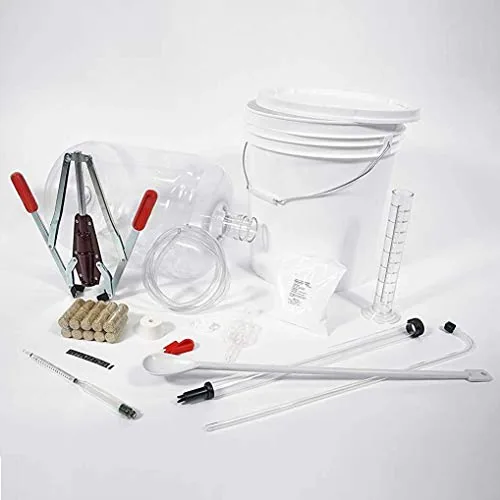
Wild Grapes' starter kit is built for 6-gallon (23 L) kits: fermenter pail with lid (no airlock needed in primary per maker), plastic carboy, S-type airlock, #10 drilled bung, racking tube, siphon tubing, triple-scale hydrometer, test jar, stick-on thermometer, wine thief, hand corker, 30 agglomerated corks and sodium metabisulphite.
Best for: A no-glass 6-gallon setup
Skip if: You want an auto-siphon (racking tube only)
- Plastic carboy, no glass
- Hand corker and 30 corks
- No drilling needed per maker
- You still need a wine kit, bottles and shrink caps
- Hand corker is slower than a floor corker
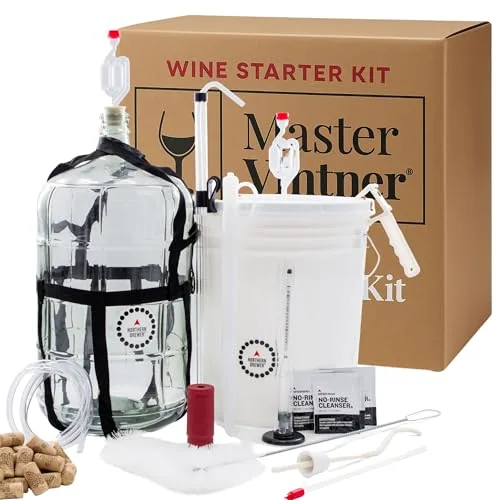
Master Vintner Wine Making Starter Kit, 6 gal
Master Vintner
- Batch size
- 6 gal
- Type
- Equipment kit
- Still need
- Wine ingredient kit, bottles
Master Vintner's 6-gallon starter kit is the equipment set designed for its own recipe kits, with tools for fermenting, transferring, bottling and cleaning and step-by-step instructions. The listing doesn't itemize every part, so check the box contents if you need a corker.
Best for: Pairing with a Master Vintner recipe kit
Skip if: You want a full parts list before you buy
- Made to match Master Vintner kits
- 6-gallon equipment
- Instructions included
- You still need a wine ingredient kit and bottles
- Parts not itemized on this listing
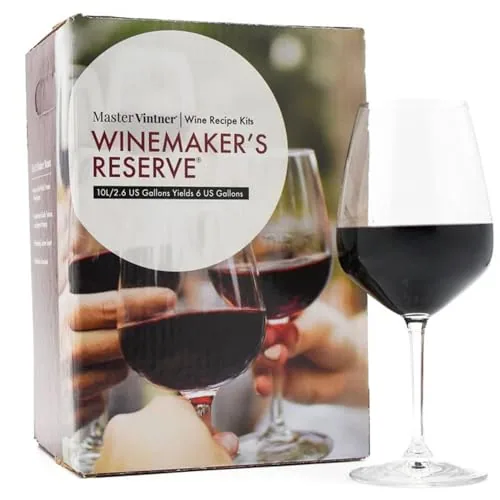
Master Vintner Winemaker's Reserve Cabernet Sauvignon Kit, 6 gal
Master Vintner
- Batch size
- 6 gal
- Type
- Wine ingredient kit (red)
- Still need
- Winemaking equipment
The Winemaker's Reserve Cabernet Sauvignon makes 6 gallons from 10 L of grape juice, with fining agents, yeast and, depending on style, oak or other flavorings. Master Vintner describes it as medium-bodied with moderate tannins, dark dried fruit, plum and vanilla.
Best for: A first red from a kit, with your own equipment
Skip if: You have no equipment yet
- Makes 6 gal
- 10 L juice base
- Yeast and finings included
- You still need winemaking equipment and bottles
- Timeline not listed
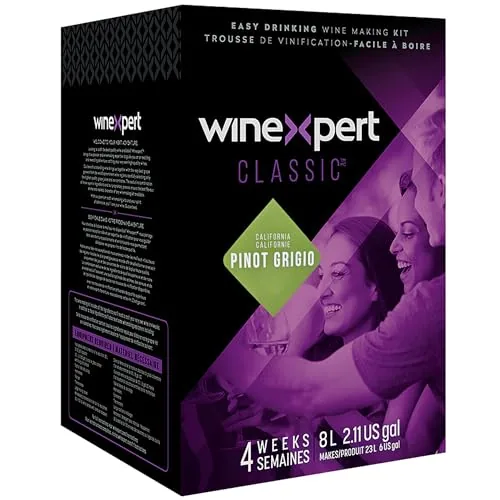
Winexpert Classic Pinot Grigio Wine Kit
Winexpert
- Batch size
- 28–30 bottles
- Type
- Wine ingredient kit (white)
- Includes
- Ready in 4 weeks (maker)
Winexpert's Classic Pinot Grigio is a dry Italian-style white: sweetness 0 of 10, oak 0 of 3, ready in 4 weeks and 28–30 bottles, per the maker.
Best for: A crisp, unoaked white that's ready fast
Skip if: You want a sweet or oaked wine
- Ready in 4 weeks per maker
- 28–30 bottles
- Dry and unoaked
- You still need equipment and bottles
- Contents not itemized on this listing
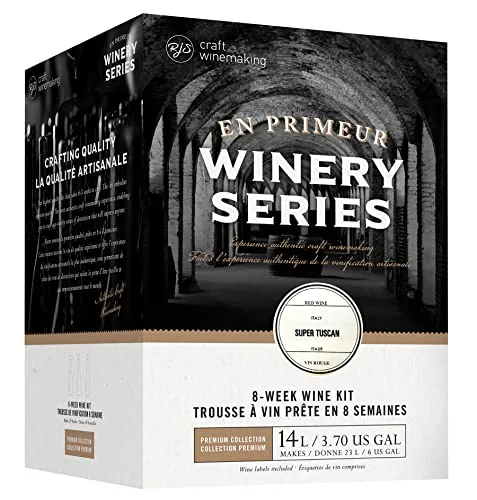
RJ Spagnols En Primeur Super Tuscan with Skins, 6 gal
RJ Spagnols
- Batch size
- 6 gal
- Type
- Premium wine kit with grape skins
- Includes
- All ingredients; 6-week fermentation
RJ Spagnols' En Primeur Super Tuscan includes grape skins and is listed as heavy oak, full body and dry, with a 6-week fermentation and all the ingredients for 6 gallons.
Best for: Experienced kit makers, or a gift for a winemaker 21+
Skip if: You want wine within a month
- Grape skins included
- Full body, heavy oak per maker
- Makes 6 gal
- 6-week fermentation
- You still need equipment and bottles
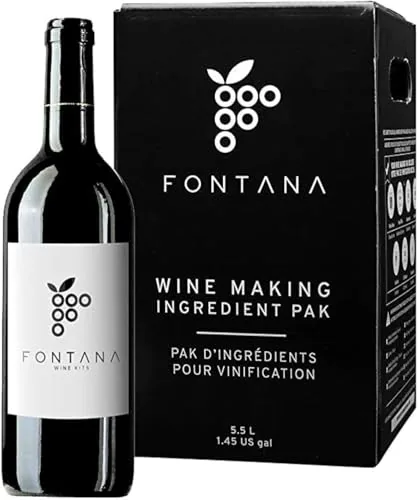
Fontana Merlot Wine Kit, 6 gal
Fontana
- Batch size
- 6 gal (30 bottles)
- Type
- Wine ingredient kit (red)
Fontana's Merlot makes 6 gallons (30 bottles) and lists every packet: wine base, yeast, bentonite, sulphite, sorbate, chitosan and kieselsol. Chitosan is a shellfish derivative, which matters for allergic guests; equipment and bottles aren't included.
Best for: Brewers who want to know exactly what goes in
Skip if: Shellfish allergy is a concern at your table
- 30 bottles
- Full additive list
- Sorbate and sulfite included
- Contains chitosan (shellfish-derived)
- You still need equipment and bottles
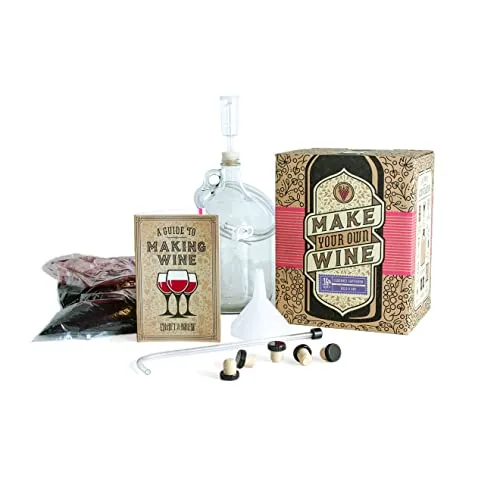
Craft A Brew Cabernet Sauvignon Wine Kit, 1 gal
Craft A Brew
- Batch size
- 1 gal
- Type
- Equipment + ingredient kit
- Includes
- Ingredients and reusable equipment
Craft A Brew's Cabernet Sauvignon kit makes 1 gallon with reusable equipment and ingredients, ready in about 4 weeks per the maker, which describes vineyard-pressed Napa Valley juice.
Best for: Apartments and a first small batch
Skip if: You want 30 bottles at a time
- 1 gallon, small footprint
- Equipment plus ingredients
- About 4 weeks per maker
- About five bottles' worth
- Corker and bottles not listed as included
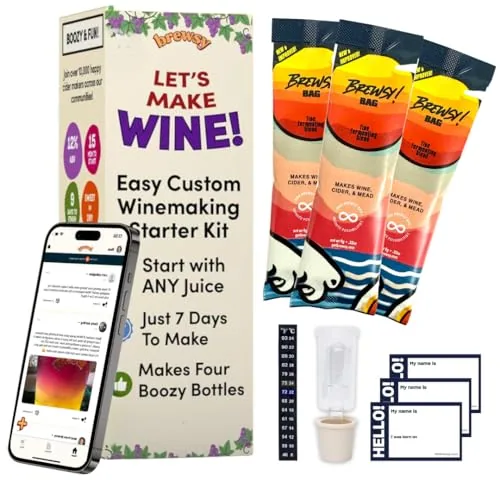
Brewsy Wine Starter Kit (4 bottles)
Brewsy
- Batch size
- 4 bottles
- Type
- Juice-fermenting kit
- Still need
- Juice
Brewsy's starter kit ferments store-bought juice into four bottles' worth of wine; the maker says fermentation takes about 9 days, and you control sweetness. You bring the juice.
Best for: Trying wine fermentation at the smallest scale
Skip if: You want a traditional grape-kit wine
- Any juice
- About 9 days per maker
- Tiny footprint
- You still need juice
- Not a traditional wine kit
Wine making kits compared: what's in the box
Wine making kits: contents and what you still need
| Kit | Type | Batch size | Includes | You still need |
|---|---|---|---|---|
| Master Vintner Weekday Cabernet | Recipe + equipment | Not clearly listed | Buckets, siphon, filler, hydrometer, corker, corks, One Step, sulfite | Bottles |
| Winemakers Depot Premium | Equipment | 6 gal | Glass carboy, 8 gal bucket, corker, 30 corks, hydrometer, auto-siphon | Ingredient kit, bottles |
| Wild Grapes Starter | Equipment | 6 gal (23 L) | Pail, plastic carboy, hand corker, 30 corks, hydrometer, sulfite | Ingredient kit, bottles, shrink caps |
| Master Vintner Starter Kit | Equipment | 6 gal | Fermenting, transfer, bottling and cleaning tools | Ingredient kit, bottles |
| MV Winemaker's Reserve Cabernet | Ingredients | 6 gal | 10 L juice, finings, yeast | Equipment, bottles |
| Winexpert Classic Pinot Grigio | Ingredients | 28–30 bottles | Not itemized | Equipment, bottles |
| RJ Spagnols Super Tuscan | Ingredients + skins | 6 gal | All ingredients, grape skins | Equipment, bottles |
| Fontana Merlot | Ingredients | 6 gal (30 bottles) | Base, yeast, bentonite, sulphite, sorbate, chitosan, kieselsol | Equipment, bottles |
| Craft A Brew Cabernet | Recipe + equipment | 1 gal | Ingredients and reusable equipment | Bottles |
| Brewsy Wine Starter | Juice kit | 4 bottles | Yeast and supplies | Juice |
Source: Maker listings, November 2026
Maker-stated time to finished wine
Weeks, as each listing states it; most wines improve with extra bottle time
How to make wine from a kit step by step
Your kit's instructions win over any general guide; the order below is the usual shape of a 6-gallon kit.
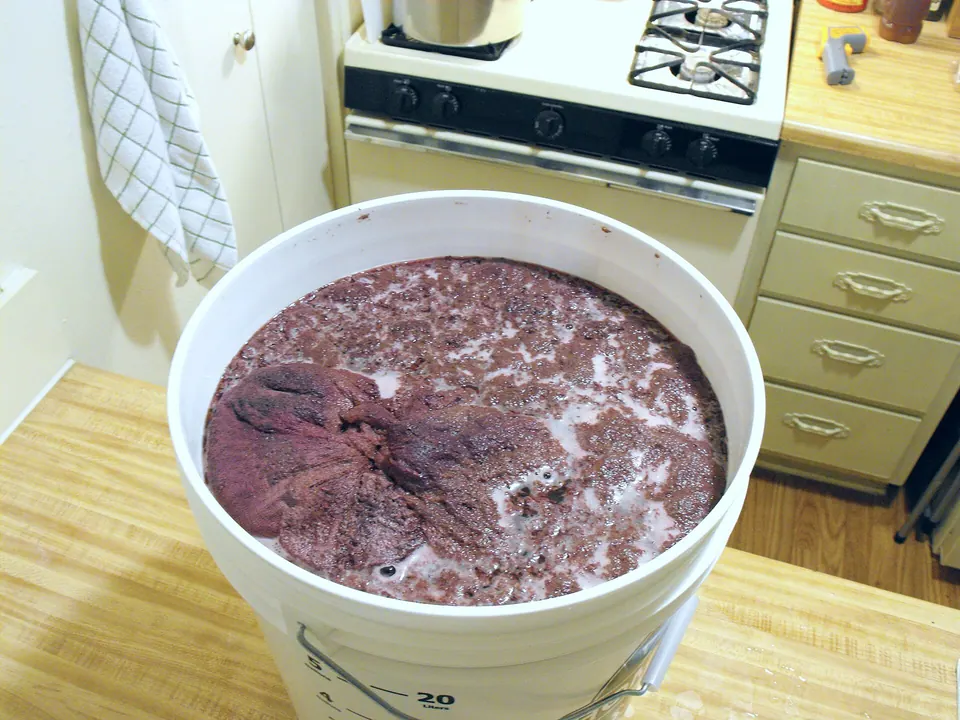
- Clean and sanitize everything
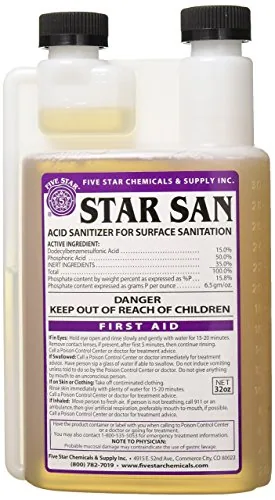
Clean the bucket, carboy, spoon and siphon, then sanitize at label dilution. See the sanitizer and cleaner picks.
- Mix the juice to volume
Add the kit's first additive (often bentonite) if instructed, pour in the juice, and top up with water to the kit's volume mark.
- Take an original gravity reading
Use the hydrometer in your kit and write it down; you'll need it for the ABV calculator.
- Pitch the yeast
Sprinkle or rehydrate the kit's yeast as instructed and keep the bucket at the temperature the kit gives.
- Rack to the carboy
When the kit's gravity target is reached, siphon to the carboy, leaving sediment behind. Carry glass by the base.
- Stabilize, degas and clear
Add the stabilizers (sulfite, sorbate) and finings (kieselsol, chitosan) in the kit's order, and stir out the CO2.
- Bottle and cork
Siphon into clean, sanitized bottles with the filler, cork them and store them the way your kit instructions say.
Federal limits, sulfites and safety
Home winemaking is legal federally for personal and family use, with a household limit and no sales. A 6-gallon kit every month adds up to 72 gallons a year, inside the one-adult limit of 100 gallons.
Federal homebrew rules at a glance
Quoted from the U.S. Code, the CFR and TTB. Not legal advice: state and local law can be stricter.
- Beer for personal or family use
- 200 gal per calendar year with 2+ adults in the household; 100 gal with one adult 26 U.S.C. 5053(e) (Cornell LII)
- Wine (incl. cider and mead)
- Same 200 / 100 gal per household; may not under any circumstances be sold or offered for sale 27 CFR 24.75 (Cornell LII)
- Who counts as an adult
- 18+ under the rule, but where local law sets a higher purchase age that age applies: in practice 21 everywhere in the US 27 CFR 25.205 (Cornell LII)
- Selling homebrew
- Not allowed: "Adults may not produce beer for sale or offer their beer for sale" TTB: Beer FAQs
- Competitions and club events
- Removal is allowed for personal or family use, including organized affairs, exhibitions or competitions (check your state) TTB: Beer FAQs
- Distilling spirits at home
- Illegal without a federal permit, even for personal use; unregistered stills can be seized TTB: Penalties for illegal distilling
- State law
- Homebrewing is legal in all 50 states (Alabama and Mississippi were last, in 2013), but limits on transport and sharing vary AHA: Homebrewing statutes by state
Most kits use sodium or potassium metabisulfite, so your wine contains sulfites. Commercial wine at 10 ppm or more must say "Contains sulfites"; yours won't, so tell guests. Kits with chitosan (Fontana lists it) involve a shellfish derivative.
Mistakes to avoid
- Buying only half a kit. Ingredient kits need equipment; equipment kits need ingredients. Read the "you still need" column.
- Forgetting bottles. No pick here includes empty bottles; a 6-gallon kit needs about 30.
- Skipping the hydrometer. The kit's gravity targets tell you when to rack and when it's finished.
- Rushing stabilizing and degassing. Leftover CO2 and active yeast cause cloudy or fizzy wine.
- Ignoring additives' order. Finings and stabilizers work in sequence; follow the kit.
- Carrying a full glass carboy by the neck. Carry it by the base in a crate.
Who should choose which wine kit?
Pick by situation
| You… | Choose | Why |
|---|---|---|
| Own nothing and want one box | Master Vintner Weekday Cabernet | Recipe kit and equipment together |
| Want a complete 6 gal setup | Winemakers Depot + an ingredient kit | Corker, corks, auto-siphon, glass carboy |
| Prefer plastic over glass | Wild Grapes Starter + an ingredient kit | Plastic carboy, hand corker |
| Want a white fast | Winexpert Pinot Grigio | Ready in 4 weeks per maker |
| Want a big red | RJ Spagnols Super Tuscan | Skins, heavy oak, full body |
| Live in an apartment | Craft A Brew 1 gal or Brewsy | 1 gallon or four bottles |
| Are buying a gift for someone 21+ | RJ Spagnols or the Weekday starter | Premium kit or complete starter |
Browse every kit in wine, cider, mead and kombucha, or start from beyond beer; gift ideas for adults are in gifts for brewers (21+). Choose a different strain with the best wine yeast, check acidity with a pH meter, and price the whole setup in the startup budget builder.
If you're starting from nothing, the Master Vintner Weekday Cabernet starter is the only pick that puts a recipe kit and the equipment, including a corker, hydrometer, cleanser and sulfite, in one box; add bottles. If you'd rather choose your own wine, pair the Winemakers Depot (glass) or Wild Grapes (plastic) equipment kit with an ingredient kit: Winexpert Pinot Grigio for a fast dry white, Master Vintner Winemaker's Reserve Cabernet for an easy red, or RJ Spagnols Super Tuscan for a premium one. Small spaces: Craft A Brew 1 gallon.
Before you buy, read how to make wine from a kit and how to stabilize and backsweeten wine and cider. For a closer look, see Campden tablets vs potassium sorbate.
We compared maker listings for batch size, contents, timeline and what each kit leaves you to buy, and flagged additives that matter to guests (sulfites, shellfish-derived chitosan). Where a listing doesn't give a batch size or parts list, we say so; one listing contradicts the catalogue spec on batch size, and we note it. Legal limits come from 27 CFR 24.75. We did not make wine with these kits. No scores or prices.