- Learning how to stabilize and backsweeten comes down to one rule: stabilize first, sweeten second, bottle last.
- Potassium sorbate stops yeast from multiplying but does not stop an active fermentation, so it only works on clear, finished wine (Lum Eisenman).
- Sorbate is used together with sulfite (potassium metabisulfite or Campden tablets); Eisenman raises molecular SO2 to 0.8 mg/L before sweetening.
- No sorbate? Bottle dry and sweeten in the glass, or keep the sweetened batch cold in a keg.
- Sweetening an unstabilized wine or cider and bottling it is how bottle bombs happen.
How to stabilize and backsweeten is the question every cider and fruit-wine maker asks after the first taste of a bone-dry batch. Yeast will happily eat any sugar you add, so sweetening a finished wine without stopping the yeast restarts fermentation: in a carboy that means a dry wine again, and in a sealed bottle it means rising pressure.
This guide follows Lum Eisenman’s “Stabilizing Sweet Wines” and Virginia Tech Extension’s home winemaking guide, with product labels for doses. Use the dose on the package you buy; we summarize published methods and labels, not our own trials.
What stabilizing actually does
Potassium sorbate interferes with yeast reproduction. Eisenman is explicit: it “does not stop fermentation, so sorbate is only effective when added to clear wines” that contain few yeast cells. Added to a cloudy, still-fermenting batch, it does little.
Sulfite (potassium metabisulfite powder or Campden tablets) is an antioxidant and antimicrobial. It protects color and flavor and helps sorbate do its job; winemaking references pair the two rather than using either alone. Virginia Tech’s method adds a Campden tablet per gallon at the start and at every other racking, then stabilizes with sorbate before sweetening.
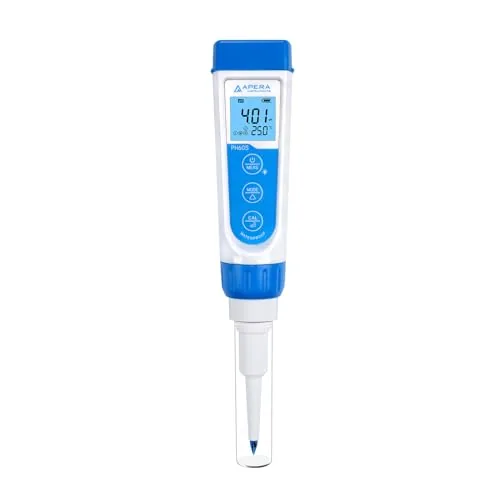
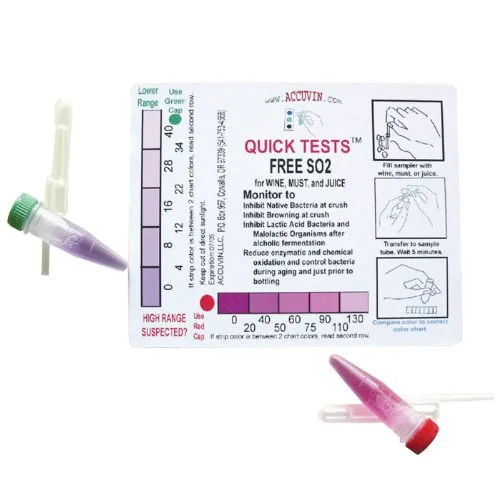
Molecular SO2 depends on pH: the lower the pH, the more of your free sulfite is in the active form. That is why serious winemakers measure pH and free SO2 rather than guessing. For a first batch, the label dose of sorbate and sulfite on a finished, clear wine is the common starting point.
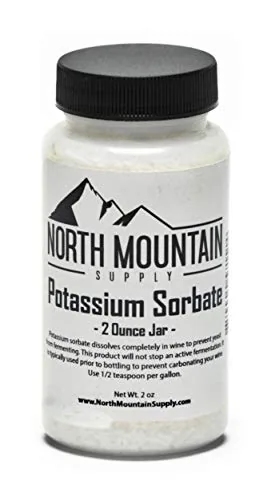
North Mountain Supply Potassium Sorbate, 2 oz
- Use
- Stabilizer before back-sweetening
- Type
- Potassium sorbate, food grade
- Size
- 2 oz
Best for Sweet wines and ciders
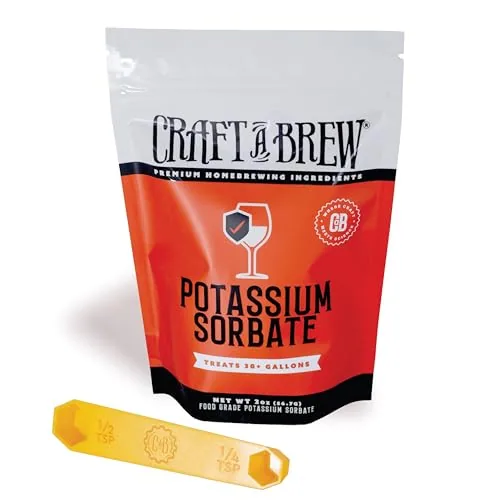
Craft A Brew Potassium Sorbate, 2 oz
- Use
- Stabilizer for back-sweetening wine, cider, mead
- Type
- Potassium sorbate, food grade
- Size
- 2 oz (treats 20+ gal per maker)
Best for Back-sweetening a semi-dry mead
CellarScience Sorbistat K (Potassium Sorbate), 1 lb
- Use
- Wine stabilizer
- Type
- Potassium sorbate
- Size
- 1 lb
Best for Frequent winemakers
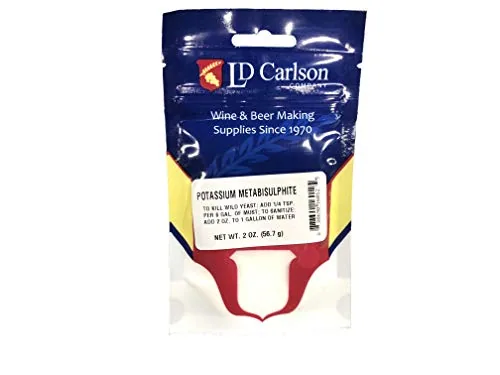
LD Carlson Potassium Metabisulfite, 2 oz
- Use
- Wine and cider sulfite addition
- Type
- Potassium metabisulfite
- Size
- 2 oz
Best for Stabilizing wine and cider
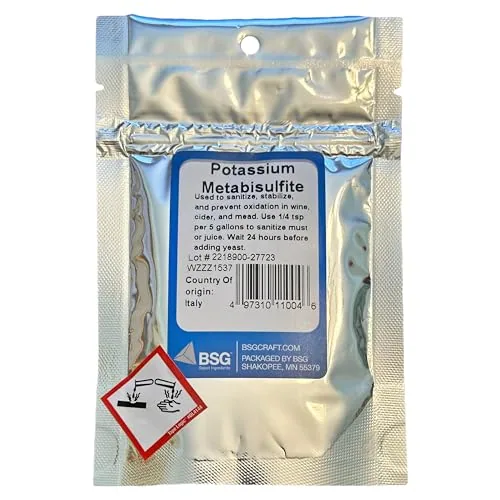
BSG HandCraft Potassium Metabisulfite, 2 oz
- Use
- Sulfite addition
- Type
- Potassium metabisulfite
- Size
- 2 oz
Best for Wine and cider stabilizing
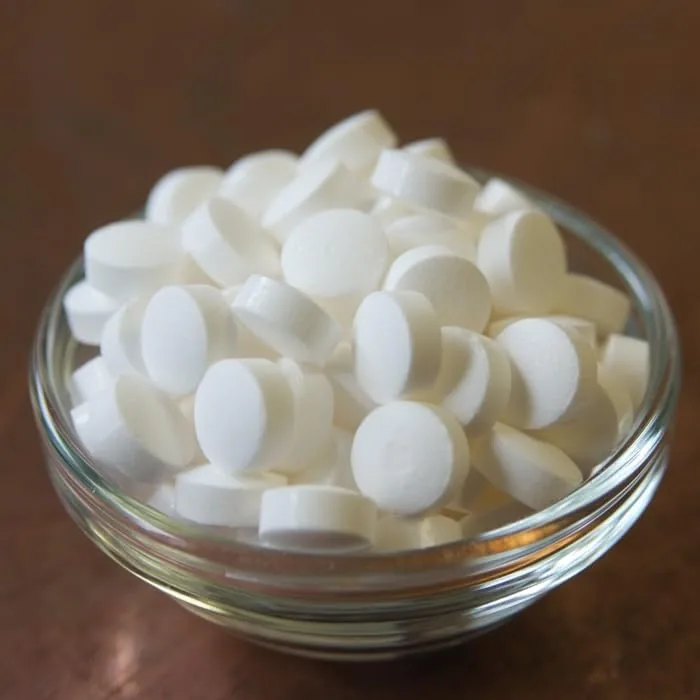
LD Carlson Potassium Campden Tablets, 1 lb
- Use
- Sulfite addition for wine and cider
- Type
- Potassium metabisulfite tablets
- Size
- 1 lb
Best for Winemakers and chloramine treatment
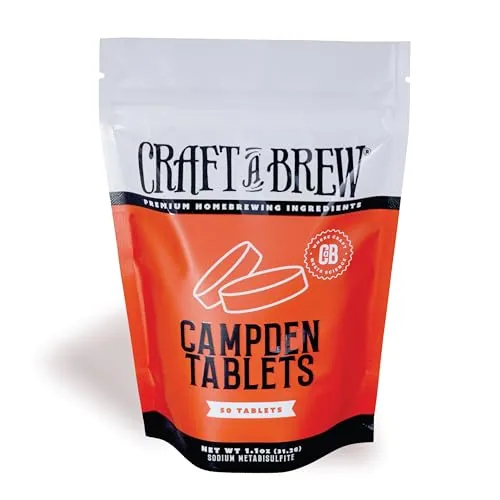
Craft A Brew Campden Tablets (Sodium Metabisulfite), 50 ct
- Use
- Sulfite addition for wine, fruit wine and cider
- Type
- Sodium metabisulfite tablets
- Size
- 50 tablets
Best for 1-gallon wine and cider batches
How to stabilize and backsweeten, step by step
- Let it finish and clear
Wait until the gravity is stable over two or three readings and the wine or cider is clear. Rack it off the sediment so few yeast cells remain.
- Measure (optional but useful)
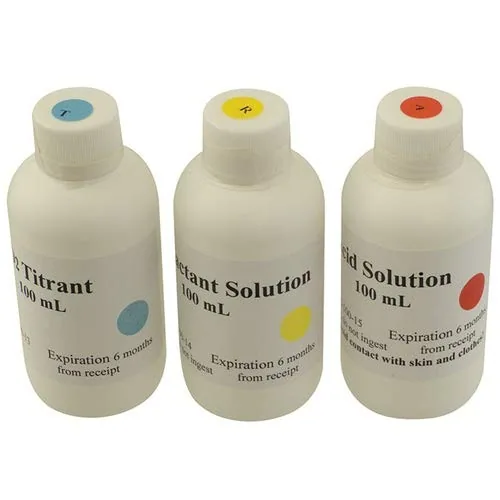
Check pH with a meter or strips, and free SO2 with a test kit if you have one; both shape how much sulfite you need.
- Add sulfite, then sorbate
Dissolve each in a little water and stir in at the label dose for your volume. Many kit sheets add them together on stabilizing day.
- Wait a day or two
Give the additions time to mix and act before adding sugar.
- Bench-trial the sweetness
Measure a 100 mL sample, add sugar syrup or juice a little at a time and note the amount you like. Scale it to the batch.
- Sweeten the batch
Stir in syrup, juice or honey gently. Record the new gravity in the brew-day log.
- Watch it before bottling
Leave it under an airlock for a week or two and recheck the gravity. If it drops or bubbles, fermentation is back: do not bottle.
- Bottle still, or keg for bubbles
Stabilized wine cannot carbonate in the bottle. For sparkling sweet cider, keg and force carbonate with the keg carbonation chart.
Options compared
Ways to get a sweet finished wine, cider or mead
| Method | Sweet? | Sparkling? | Trade-offs |
|---|---|---|---|
| Sorbate + sulfite, then sweeten, bottle still | ✓ | ✗ | Standard method; needs clear, finished wine |
| Sorbate + sulfite, sweeten, keg and force carbonate | ✓ | ✓ | ~ Needs a keg and CO2; keep cold |
| Bottle dry, sweeten at serving | ✓ | ✓ (if primed dry) | Eisenman calls this the easiest method; no sorbate needed |
| Non-fermentable sweetener (e.g. lactose) | ✓ | ✓ | ~ Lactose is milk sugar: an allergen and intolerance flag |
| Sweeten unstabilized, bottle | ✗ | ✗ | ✗ Refermentation and bottle-bomb risk |
Source: Eisenman: Stabilizing sweet wines; Virginia Tech HORT-213
Many winemaking references caution against sorbate in wines that went through malolactic fermentation, because lactic bacteria can convert sorbate into a geranium-like off-aroma. If you used a malolactic culture, choose the serve-time or keg method instead.
Both chemicals, plus test kits for pH and free SO2, are in the brewing chemicals and water category. Keep them sealed, dry and away from children and food prep, and wear eye protection when handling the powders.
What to sweeten with
- Sugar syrup: neutral, easy to dose. Virginia Tech’s fruit wine method sweetens with simple syrup after sorbate.
- Juice or juice concentrate: adds sweetness and fruit aroma; ideal for cider.
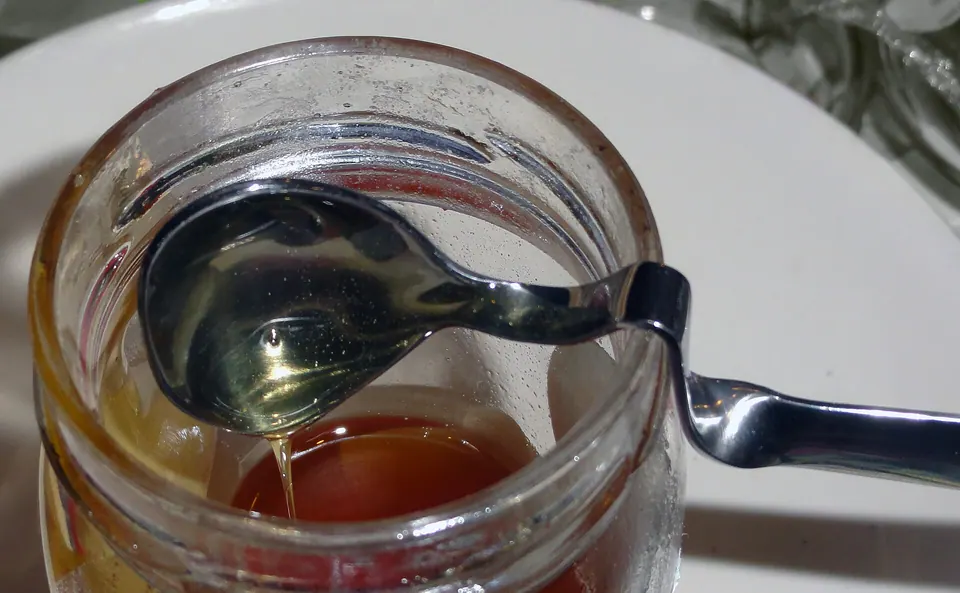
- Honey: the classic for mead; dissolve it in a little warm must first.
- Lactose: not fermented by wine or beer yeast, so it works without stabilizing, but flag it for anyone with a milk allergy or lactose intolerance.
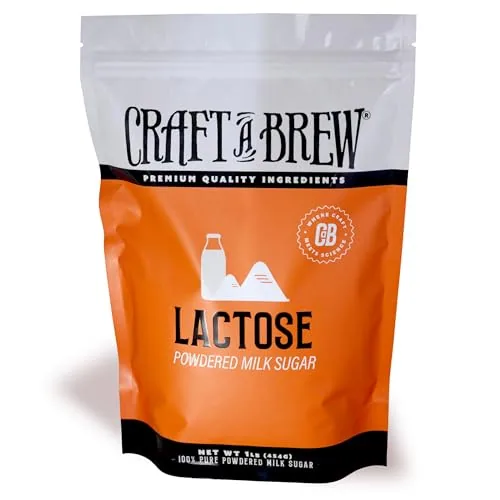
Craft A Brew Lactose (Milk Sugar), 1 lb
- Type
- Lactose, not fermented by beer yeast
- Size
- 1 lb
Best for Sweet stouts and milkshake IPAs
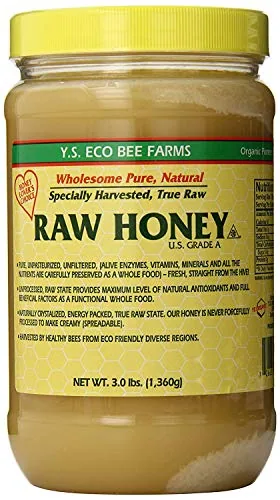
YS Eco Bee Farms Raw Honey, 3 lb
- Type
- Raw, unfiltered honey
- Size
- 3 lb (48 oz)
Best for A 1-gallon mead
Sweetness also changes the gravity reading, so take your final ABV reading before sweetening and use the ABV calculator on those numbers.
Cider, wine and mead: what changes
Cider is usually the first thing people want sweeter, because apple juice ferments almost completely dry and tart. Apple juice is the natural sweetener: it brings back fruit aroma along with sugar. Because many home cider makers want bubbles too, cider is where the keg route earns its keep: stabilize, sweeten with juice, then force carbonate cold.
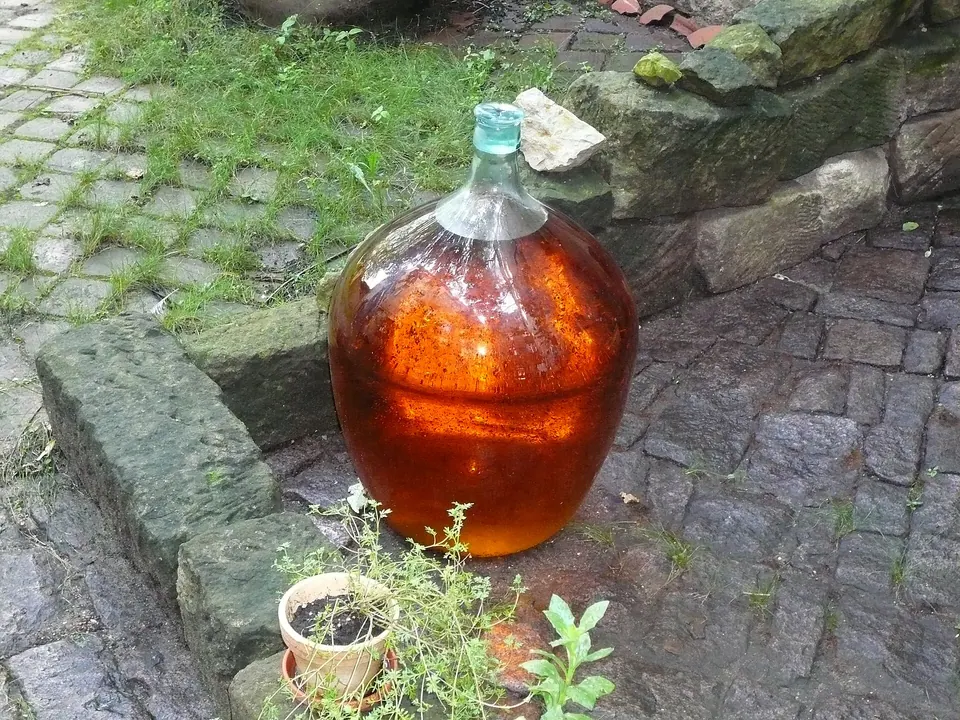
Fruit and kit wines follow the classic path. Kit sheets often supply the sorbate and sulfite packets and some include a sweetening pack (an “F-pack” or sweet reserve) that goes in after stabilizing. Add them in the order printed, and degas before fining so the wine clears.
Mead can be sweet two ways. With enough honey, the yeast reaches its alcohol limit and stops with sugar left over; that is a naturally sweet mead, but the margin is narrow and a warmer room can wake the yeast again. Many mead makers ferment dry and then stabilize and add honey to taste, which gives a predictable result.
Reading gravity after sweetening
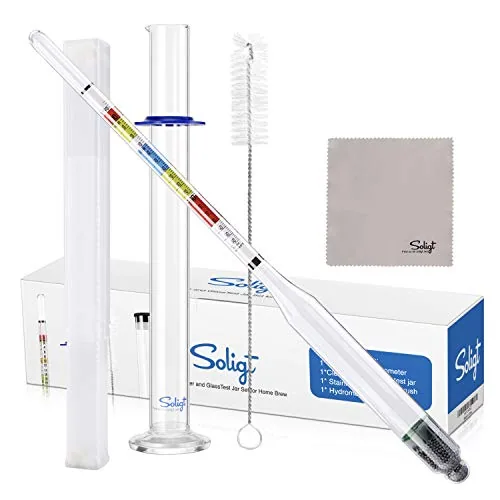
Once you add sugar, a hydrometer can no longer tell you how much alcohol is present, because the sugar raises the reading. Record the dry final gravity before you sweeten and use that for the ABV. After sweetening, the reading is still useful as a fermentation check: if it drifts down over the next week or two, yeast is active and the batch is not stable. A sweet cider that read 1.010 on day one and 1.004 a week later is fermenting, whatever the airlock looks like.
Storage after bottling
Even a well-stabilized wine keeps best cool and dark. Warm storage speeds up any yeast that survived and ages the wine faster. Keep a sample bottle you can open after a few weeks; a sweet wine that has turned fizzy is telling you to chill the rest and drink them soon.
Common mistakes
- Stabilizing a cloudy or active batch. Sorbate needs clear, finished wine to work.
- Using sorbate without sulfite. The pair is the standard; sorbate alone is less reliable.
- Skipping the waiting period. Watch for a week before bottling.
- Trying to bottle-condition stabilized wine. The yeast cannot grow, so it will not carbonate.
- Adding sorbate to a dry wine you will not sweeten. Sorbate is for wines that will carry sugar; a wine that stays dry only needs its sulfite.
- Off-label doses. Use the dose printed on the package.
Which method should you use?
Pick sorbate plus sulfite if you want sweet still wine, cider or mead in bottles. Pick the keg route if you want sweet and sparkling. Pick serve-time sweetening if you want to avoid sorbate or already used a malolactic culture. Related guides: hard cider, mead and fruit wine.
Wine, cider and mead made at home fall under 27 CFR 24.75: up to 100 gal a year for a one-adult household or 200 gal with two or more adults, for personal or family use, and never for sale. Details in is homebrewing legal.
Gear picks for this guide: best wine making kits and best hard cider kits.
ABV calculatorWork out ABV from OG and FG with the standard and high-gravity formulas, hydrometer temperature correction,…Keg carbonation chart and PSI calculatorKeg carbonation chart and calculator: regulator PSI by beer temperature and CO2 volumes, with an altitude…Printable brew-day log and recipe sheetFree brew-day log: record recipe, water and salts, mash, gravities, yeast, fermentation temperatures,…