- How to make hard cider at home: preservative-free apple juice, a cider or wine yeast, a sanitized fermenter with an airlock and a few weeks.
- Skip juice that lists potassium sorbate or sodium benzoate; those preservatives are there to stop yeast.
- The AHA’s tutorial: pitch at about 65–75°F (18–24°C), primary 2–4 weeks, package only after stable hydrometer readings.
- Cider ferments dry. For sweet cider, stabilize before backsweetening or keep it cold in a keg; sweet bottle-conditioned cider is how bottle bombs happen.
- Fresh-pressed, unpasteurized juice usually gets a Campden tablet per gallon and a 24-hour wait before the yeast.
How to make hard cider at home is mostly a matter of choosing the right juice. Apples bring the sugar, the acid and much of the flavor; yeast turns the sugar into alcohol in a few weeks. You can start from store-bought juice in a 1 gal jug, a 6 gal kit, or apples from an orchard and a press.
This guide follows the American Homebrewers Association’s cider tutorial and Penn State Extension’s cider resources, with maker data for cider yeasts. Penn State notes that hard cider needs the same equipment as beer, though the process is closer to winemaking. We summarize published methods and listings; we did not make these batches.
Choosing juice: store-bought, kit or fresh-pressed
Three ways to start a cider
| Start from | Pros | Watch out for |
|---|---|---|
| Store-bought juice | ✓ Easy, consistent, already pasteurized | ✗ Avoid labels with potassium sorbate or sodium benzoate; vitamin C (ascorbic acid) is fine |
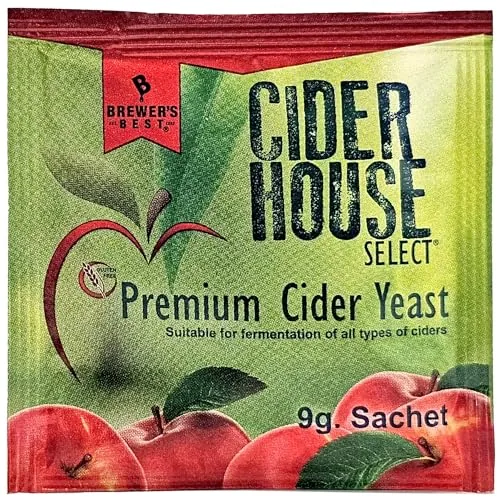
| Cider kit | ✓ Concentrate, yeast and instructions in one box | ~ Some kits need added sugar (Cider House Select lists 2 lb dextrose) |
| Fresh-pressed apples | ✓ Most flavor control; blend sweet, sharp and bitter apples | ~ Unpasteurized: usually sulfite and wait 24 hours |
| Unfiltered orchard cider | ✓ Fresh flavor | ~ Ask if it is preserved or UV-treated; check the label |
Source: AHA cider tutorial; Penn State Extension; kit listings
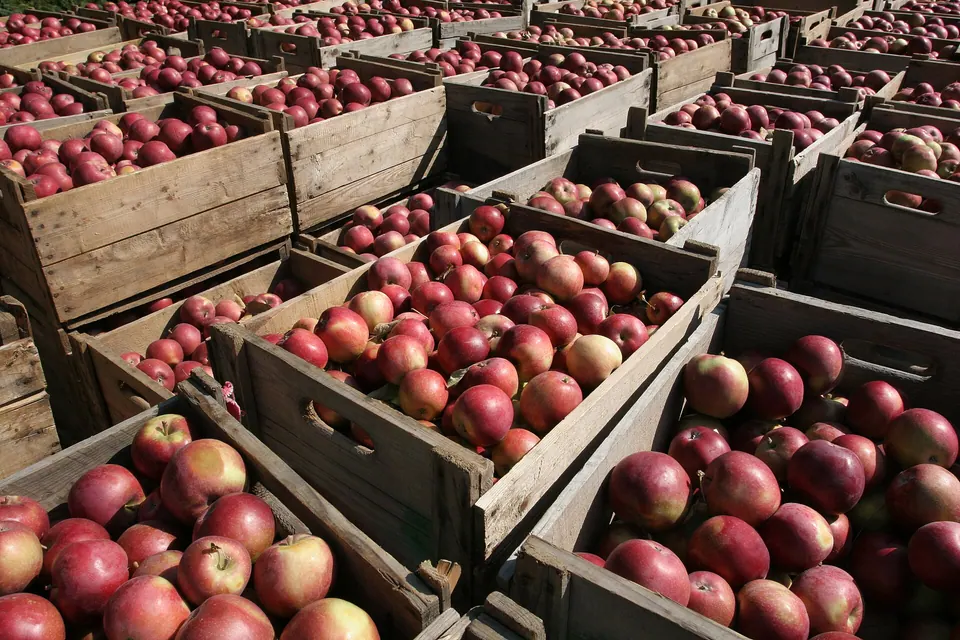
Juice labeled with potassium sorbate or sodium benzoate has been preserved against yeast and mold. Sorbate works by stopping yeast from multiplying, which is exactly why winemakers add it before sweetening, so a fresh yeast pitch usually struggles in it. Choose juice that lists only apple juice, with or without ascorbic acid.
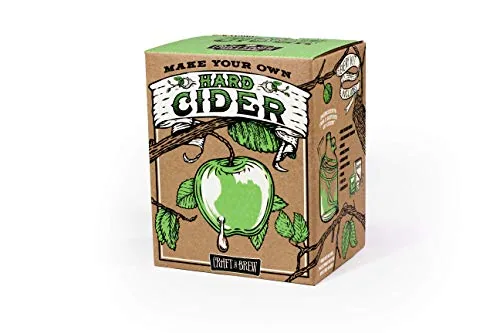
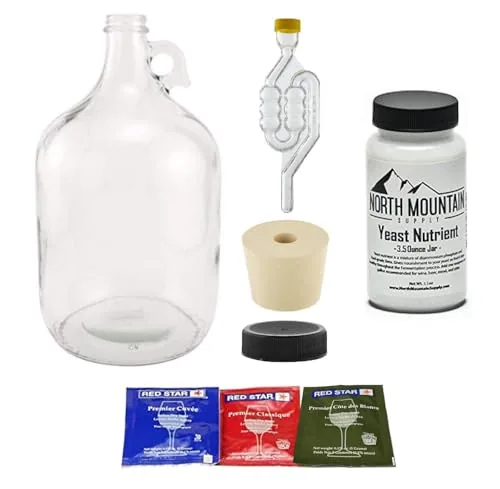
Craft A Brew Hard Cider Kit, 1 gal
- Batch size
- 1 gal
- Type
- Equipment + ingredient kit
- Includes
- Equipment and supplies
Best for A first hard cider
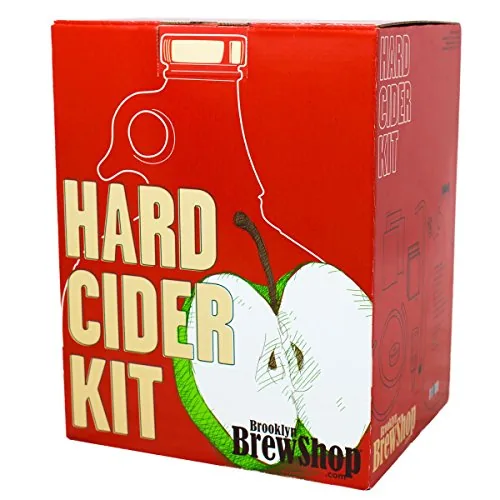
Brooklyn Brew Shop Hard Cider Making Kit
- Batch size
- 3 batches (per maker)
- Type
- Equipment + ingredient kit
- Includes
- Reusable glass fermenter
Best for Gift for a beginner 21+
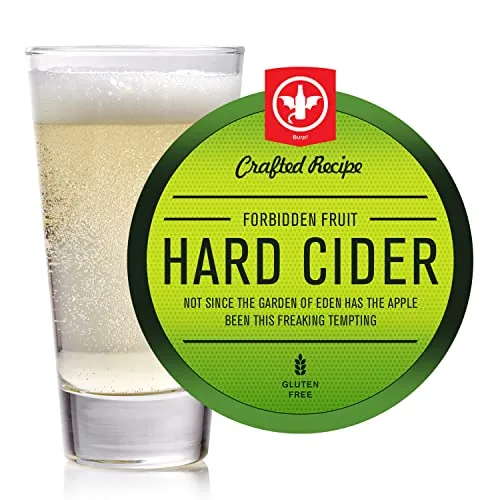
BrewDemon Forbidden Fruit Hard Cider Recipe Kit, 2 gal
- Batch size
- 2 gal
- Type
- Cider recipe kit
- Still need
- BrewDemon or similar fermenter
Best for BrewDemon fermenter owners
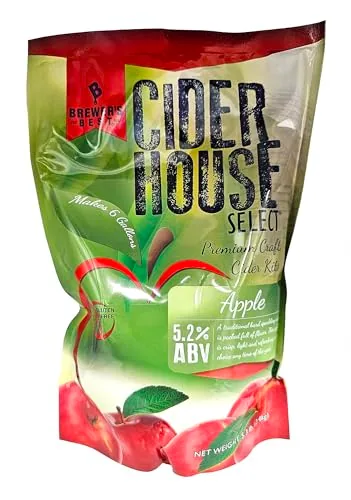
Cider House Select Apple Cider Kit, 6 gal
- Batch size
- 6 gal
- Type
- Cider ingredient kit
- Still need
- 2 lb dextrose and equipment
Best for Hard cider with beer gear
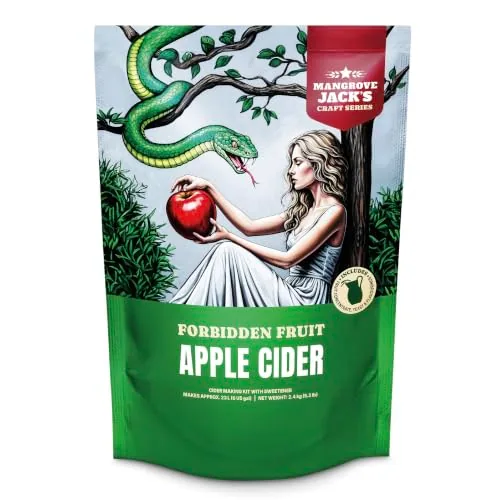
Mangrove Jack's Craft Series Sweet Apple Cider Kit, 6 gal
- Batch size
- 6 gal
- Type
- Cider concentrate kit
- Includes
- Juice concentrate, yeast, instructions
Best for Easy sweet cider
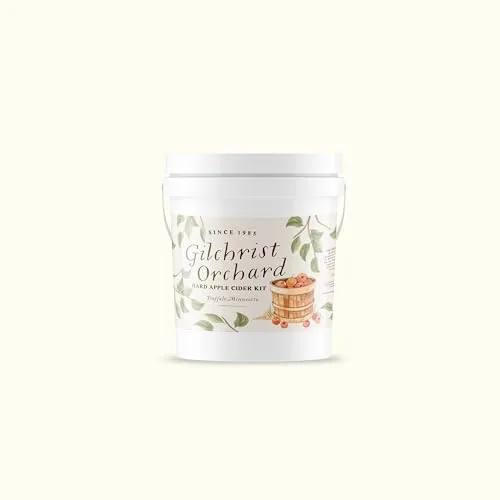
Gilchrist Orchard Hard Cider Kit, 2 gal
- Batch size
- 2 gal
- Type
- Equipment + ingredient kit
- Includes
- 2 gal bucket, lid, airlock, spigot, yeast
Best for Small cider batches
Pressing your own
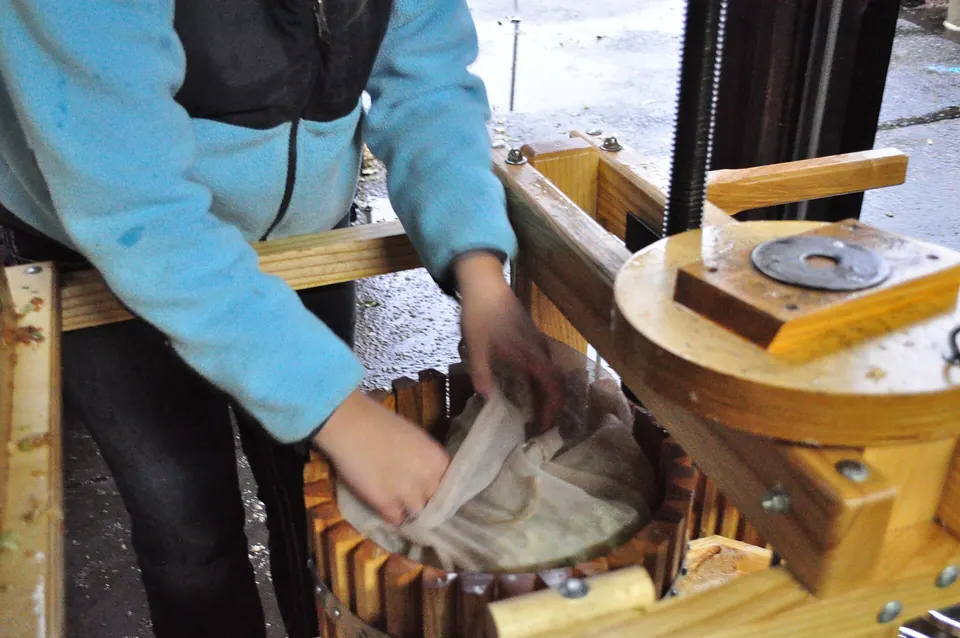
Penn State’s cider pages cover fruit choice: acidity, sugar and tannin all shape the finished cider, which is why cider makers blend varieties. A small screw press handles a few gallons; a grinder and double-tub press is the step up for orchard-scale weekends.
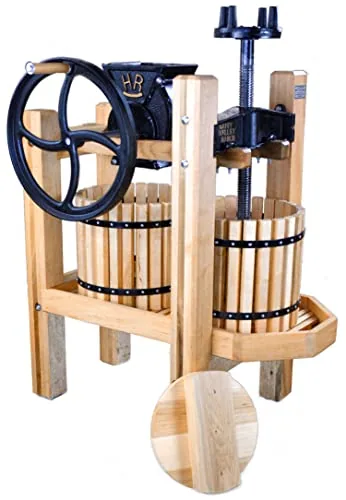
American Harvester Double-Tub Cider & Fruit Press with Grinder
- Type
- Ratchet fruit press with apple grinder
- Material
- Hard maple and cast iron
Best for Pressing your own apples for cider
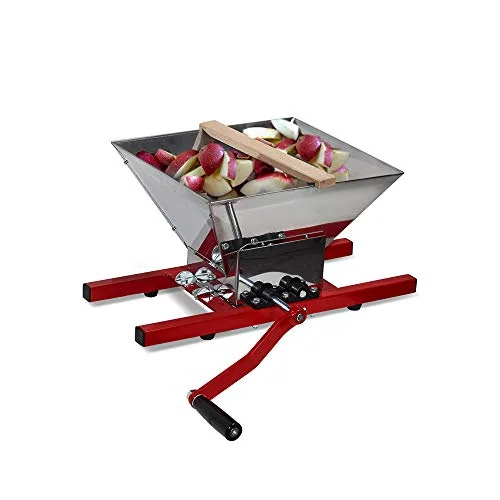
SQUEEZE master Stainless Apple Crusher, 1.8 gal
- Type
- Manual fruit crusher
- Volume
- 7 L (1.8 gal) usable
- Material
- Stainless steel
Best for Pairing with a small press
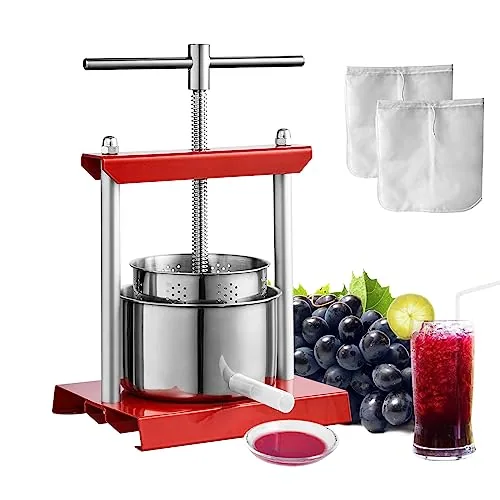
VEVOR 0.88 gal Stainless Fruit Press
- Type
- Manual screw press
- Volume
- 0.88 gal
- Material
- Stainless steel
Best for 1-gallon cider batches
How to make hard cider step by step
- Clean and sanitize
Wash with an unscented cleaner, then sanitize anything that touches the juice. AHA lists this as step one.
- Fill the fermenter
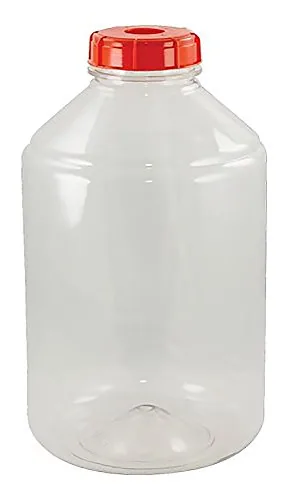
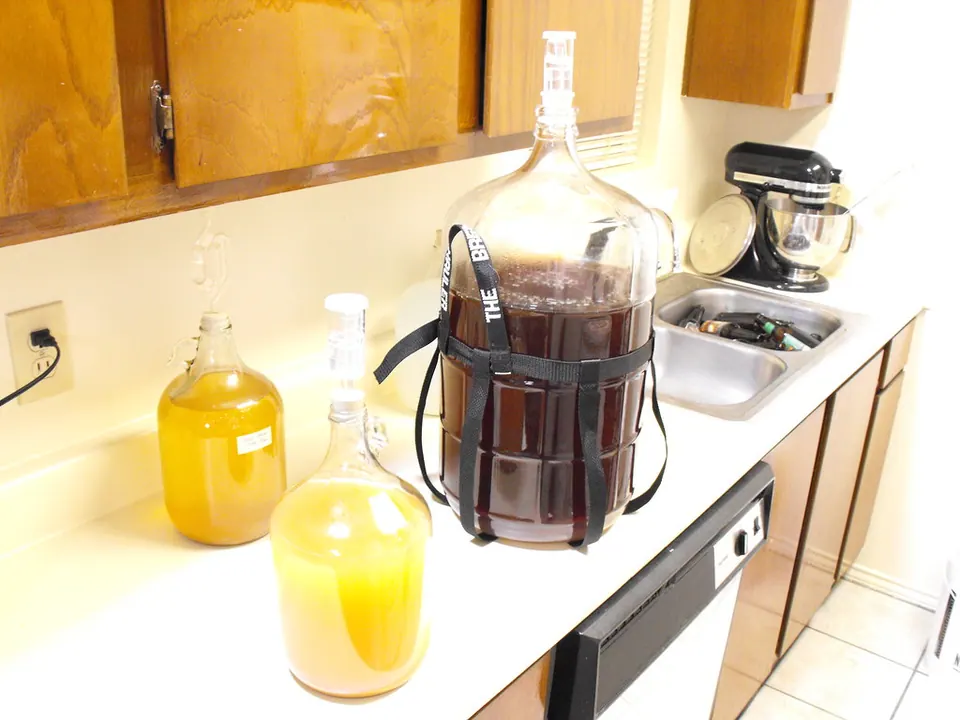
Add the juice your recipe calls for, leaving headspace for foam. A 1 gal glass jug or a PET carboy works for small batches.
- Treat fresh juice
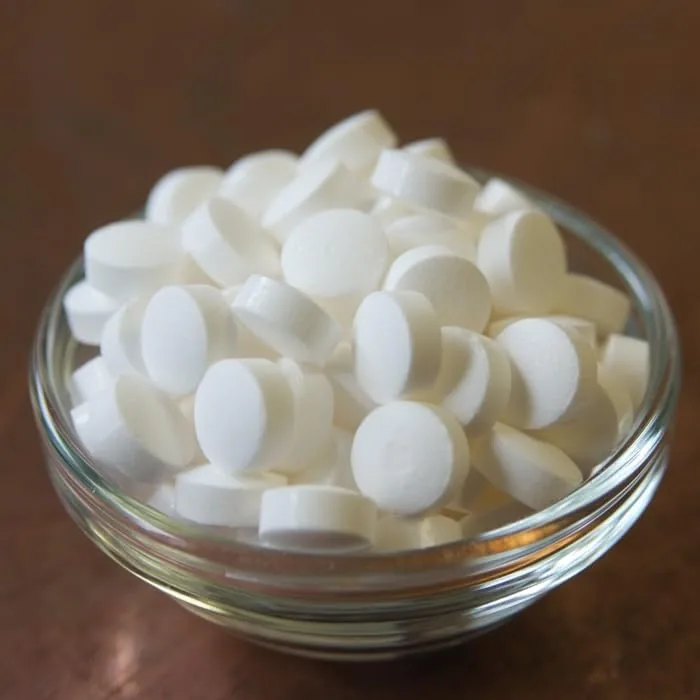
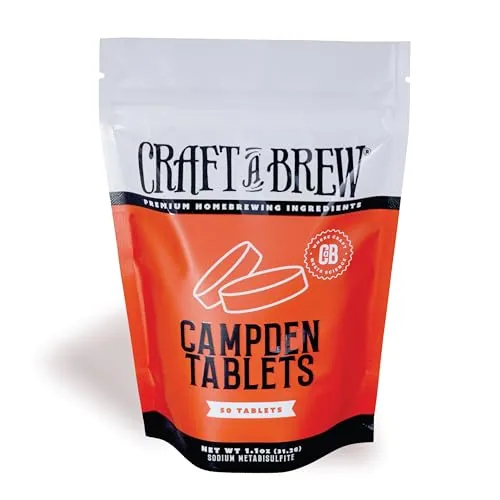
For unpasteurized juice, many cider makers add one crushed Campden tablet per gallon and wait 24 hours before pitching, the same timing extension wine guides use. Pasteurized store juice can skip this.
- Take a gravity reading
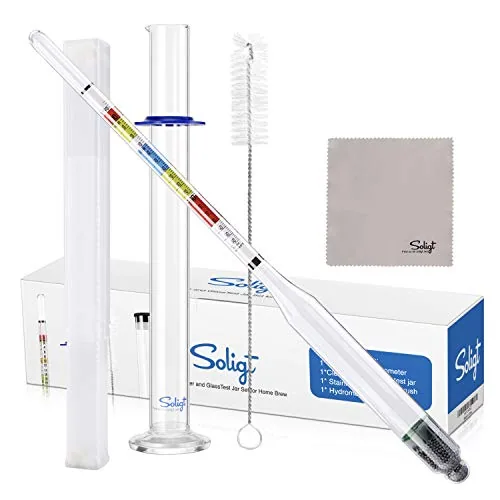
Measure a sample with a hydrometer and do not pour it back. You need the starting gravity for the ABV calculator.
- Pitch the yeast at 65–75°F
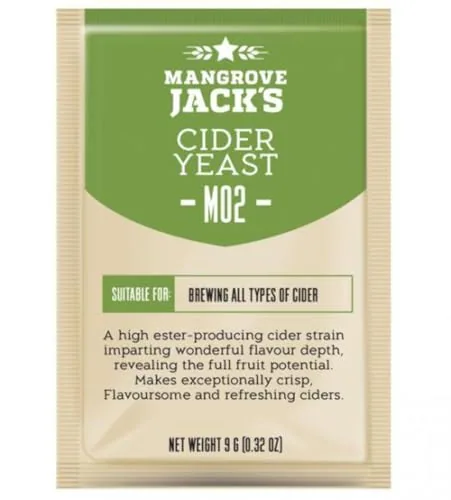
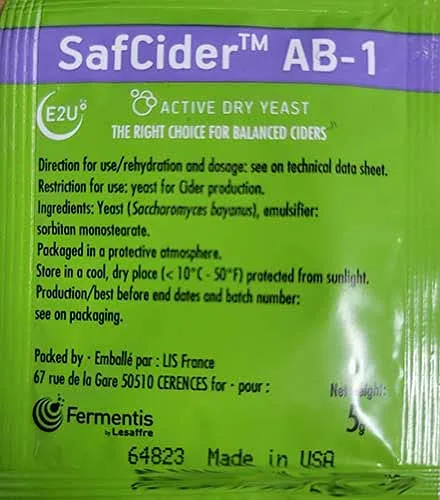
AHA: make sure the juice is in your yeast’s range, typically about 65–75°F (18–24°C). Mangrove Jack’s M02, for example, lists 9 g per 23 L (5 gal) and 54–82°F (12–28°C). Add nutrient if your recipe calls for it.
- Seal, airlock and aerate once
Fit the airlock, shake for a few minutes at the start, then avoid splashing to prevent oxidation.
- Primary fermentation, 2–4 weeks
Hold a steady temperature away from big swings. When airlock activity slows, AHA suggests racking to a secondary with little headspace, or skip straight to packaging.
- Age until clear
A few weeks to several months, per AHA. Cider clears and softens with time.
- Confirm it is finished
Package only after the hydrometer reads the same on two or three days, usually near or below 1.000 for a dry cider.
- Package
Bottle with priming sugar for a dry sparkling cider, or keg and force carbonate. AHA: bottled cider needs a few weeks, kegged cider a few days.
How strong will my cider be?
Cider strength depends on the juice’s starting gravity. Apple juice varies by variety and season, so measure yours. The chart shows what the standard formula, ABV = (OG − FG) × 131.25, gives for a few starting gravities fermented down to 1.000.
Approximate ABV by starting gravity (FG 1.000)
Standard formula used by the ABV calculator
Kits state their own target; Cider House Select lists about 5.2% ABV and BrewDemon’s Forbidden Fruit about 4.5%, per the makers. Homemade cider is often stronger than a commercial pint, so count it in standard drinks: one US standard drink is 14 g of alcohol (NIAAA).
Dry, sweet, still or sparkling?
Yeast eats nearly all the apple sugar, so cider finishes dry and tart. You have four honest options:
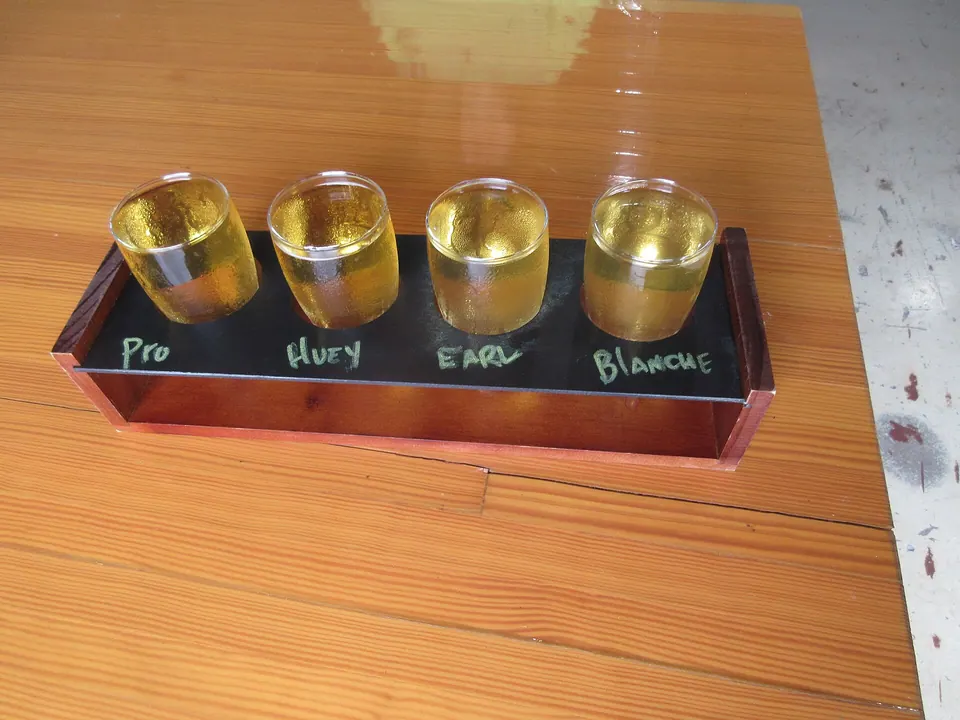
- Dry and sparkling: bottle with priming sugar once the gravity is stable. Use the priming sugar calculator and stay within standard bottle limits.
- Sweet and still: stabilize with potassium sorbate and sulfite, then add juice or sugar. Method in stabilize and backsweeten.
- Sweet and sparkling: stabilize, sweeten, then keg and force carbonate (keg chart). Sorbate stops new yeast growth, so it cannot be bottle conditioned.
- Sweetened at serving: keep it dry and add a splash of juice in the glass.
Adding juice or sugar to unstabilized cider and then bottling it gives live yeast fresh sugar in a sealed bottle. Pressure keeps rising until the glass fails. Never bottle sweetened cider unless it has been stabilized, or keep it in a keg in the fridge.
Cider styles in the BJCP guidelines
If you want to enter competitions or just name what you made, the BJCP 2025 Cider Style Guidelines group ciders into Traditional (C1: Common, Heirloom, English, French and Spanish), Strong (C2: New England, Applewine, Ice Cider and Fire Cider), Specialty (C3: Fruit, Spiced and Experimental) and Perry (C4). A first batch from store juice usually lands in Common Cider. See homebrew clubs and competitions.
Beyond apples: perry, cyser and fruit cider
The same method works for pears (perry, BJCP C4), which can taste softer and sometimes keep a little natural sweetness. Fruit ciders (C3A) add berries, cherries or other fruit to apple juice, usually after the main fermentation so the fruit aroma survives. Spiced ciders (C3B) add cinnamon, ginger or other spices late in aging; start with less than you think. Apple juice fermented with honey is a cyser, which the BJCP files under mead (M2A); see how to make mead.
Whatever you add, remember that fruit brings fresh sugar. Let it ferment out and confirm stable gravity before bottling, or stabilize first if you want the fruit sweetness to stay.
Common hard cider mistakes
- Preserved juice. Sorbate or benzoate on the label usually means a stuck start.
- Bottling on a schedule. Bottle on stable gravity, not on a date.
- Backsweetening without stabilizing. The most common cause of cider bottle bombs.
- Too much headspace in secondary. Cider oxidizes easily; use a vessel close to the volume.
- Fermenting hot. Warm, fast fermentation can smell of sulfur and taste harsh; hold your yeast’s range.
- Not sharing the sulfite note. If you used Campden, tell sulfite-sensitive guests.
Who should make which cider?
If you have a kitchen and a grocery store, start with a 1 gal jug of preservative-free juice or a 1 gal kit. If you have a kegerator, a 5 gal batch gives sweet sparkling cider on tap. If you have an orchard nearby in September and October, a press opens up blending. More in the wine, cider, mead and kombucha hub.
Federal rules let a household make up to 100 gal of wine (including cider and mead) a year with one adult, or 200 gal with two or more, for personal or family use only and never for sale (27 CFR 24.75). See is homebrewing legal for the details.
Gear picks for this guide: best hard cider kits and best wine yeast.
ABV calculatorWork out ABV from OG and FG with the standard and high-gravity formulas, hydrometer temperature correction,…Priming sugar calculatorHow much corn sugar, table sugar or DME to prime homebrew: CO2 volumes by style, residual CO2 from the…Keg carbonation chart and PSI calculatorKeg carbonation chart and calculator: regulator PSI by beer temperature and CO2 volumes, with an altitude…