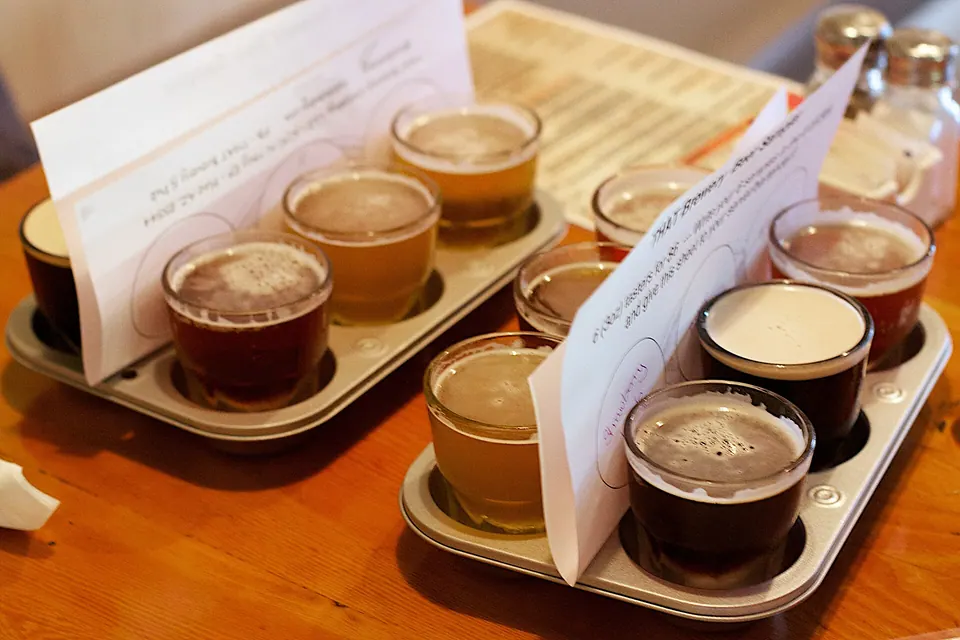
- Homebrew clubs and competitions are the fastest way to get honest feedback on your beer, cider and mead.
- Find a local club in the AHA club directory; most meet monthly to share beer and talk process.
- Competitions use BJCP style guidelines and scoresheets; judges score each entry against its declared style.
- The AHA’s National Homebrew Competition is, per the AHA, the largest homebrew competition in the world; Homebrew Con 2027 runs July 16–17 in Milwaukee.
- Federal rules allow homebrew to be removed for organized affairs, exhibitions and competitions (TTB; 27 CFR 24.75 for wine). State transport rules still apply.
Homebrew clubs and competitions turn a solo hobby into a community. A club gives you people who have already made your mistakes, and a competition gives you written feedback from trained judges who taste your beer blind against a style description. Neither requires an expert: clubs welcome first-batch brewers, and many competitions get entries from people sending their very first bottles.
This guide covers how clubs work, what AHA and BJCP each do, how a competition is judged and how to enter, using the AHA’s and BJCP’s own pages and the federal rules on removing homebrew from the home. Everything here is for adults 21 and over.
Finding and joining a homebrew club
The AHA’s homebrew club resources include a club directory to find one near you, a forum for club leaders, a code of conduct template, a club insurance program and “Club Meeting in a Box” presentations on topics like how to judge homebrew. Most clubs meet monthly, often at a homebrew shop, brewery or member’s home, and share beers, run group brews or host talks.
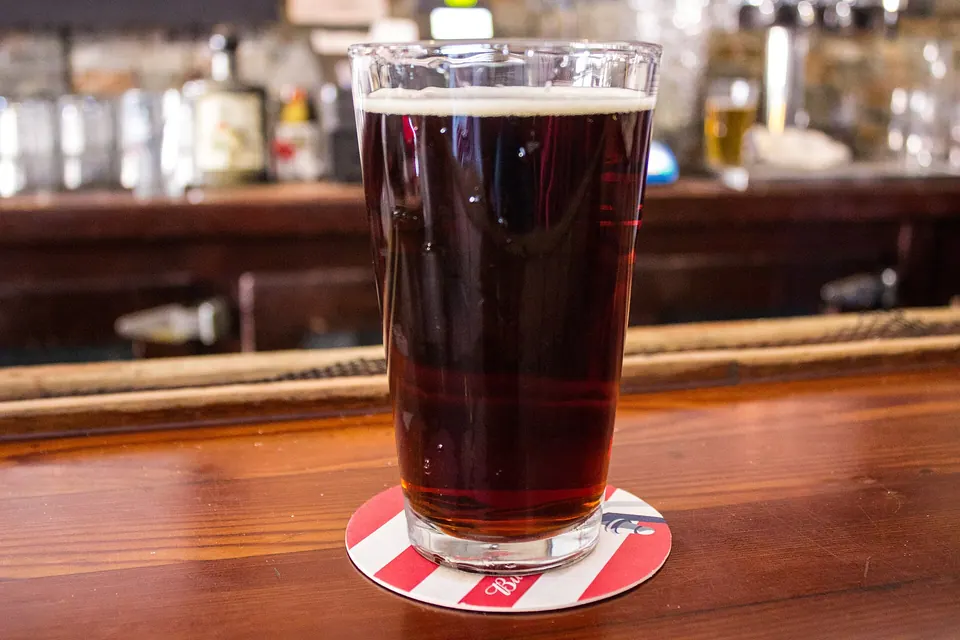
- Bring something. A few bottles of your latest batch, even if you think it has a flaw; that is what the feedback is for.
- Ask about club competitions. Many clubs run internal style competitions that are a low-pressure first step.
- Join a group brew. Big Brew in May and Learn to Homebrew Day on the first Saturday of November (November 7 in 2026, established in 1999, per the AHA) are classic club brew days; see the seasonal calendar.
- Respect venue rules. Pouring homebrew at a shop or brewery depends on the venue and state; the club usually knows.
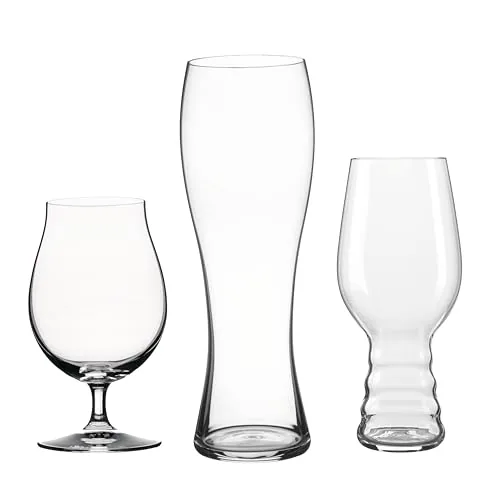
Spiegelau Craft Beer Tasting Kit, 3 Glasses
- Type
- Glassware set
- Count
- 3 (IPA, tulip, wheat)
Best for Gifts for brewers 21+
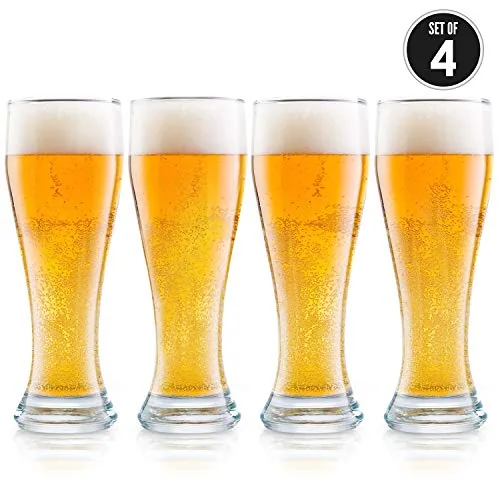
DU VINO Nucleated Pilsner Glasses, 16 oz, 4-pack
- Type
- Pilsner glasses, laser-etched
- Count
- 4
- Size
- 16 oz
Best for Lager brewers 21+
AHA, BJCP and Homebrew Con: who does what
The main homebrew organizations
| Organization | What it does | Why it matters to you |
|---|---|---|
| American Homebrewers Association (AHA) | Club directory, events (Big Brew, Learn to Homebrew Day, Home Fermentation Day), the National Homebrew Competition, Homebrew Con, state law research | Where to find clubs, events and the biggest competition |
| Beer Judge Certification Program (BJCP) | Style guidelines (2021 beer, 2025 cider, 2026 mead), judge exams for beer, mead and cider, competition registration | Defines the styles and trains the judges |
| Homebrew Con | AHA’s annual conference: Club Night, seminars, NHC awards | 2027: July 16–17, Milwaukee, WI |
| Local and regional competitions | Run by clubs, often BJCP-registered | Closer, cheaper to enter, quick feedback |
Source: AHA; BJCP
The National Homebrew Competition has a first round at regional sites and a final round where medal winners are judged again; in 2026 the final round was judged in Asheville, NC, with the awards at Homebrew Con. Check the AHA’s NHC page for the current year’s rules, membership requirements and dates.
How homebrew competitions are judged
You enter each beer in a style category from the BJCP guidelines (for example 18B American Pale Ale). Judges taste entries blind and score them against that style’s description for aroma, appearance, flavor and mouthfeel, then write comments on what worked and what to change. The BJCP recommends its judging forms but does not make them mandatory, so formats vary slightly between events.
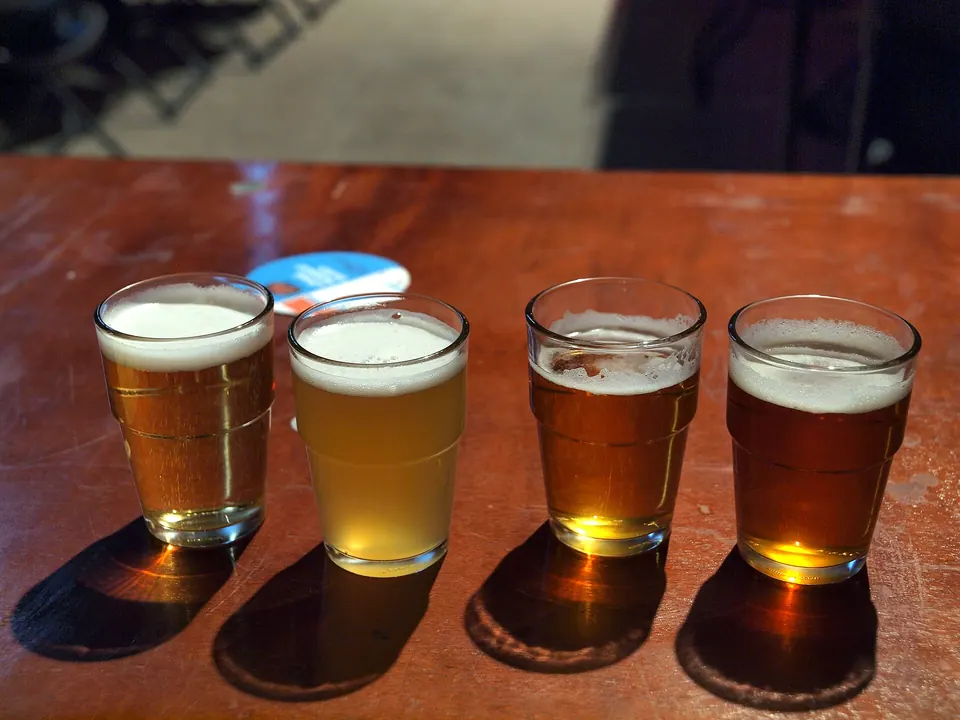
Beer styles by the numbers (BJCP 2021 vital statistics)
| Style | OG | FG | IBU | Color (SRM) | ABV |
|---|---|---|---|---|---|
| 18A Blonde Ale | 1.038–1.054 | 1.008–1.013 | 15–28 | 3–6 | 3.8–5.5% |
| 18B American Pale Ale | 1.045–1.060 | 1.010–1.015 | 30–50 | 5–10 | 4.5–6.2% |
| 15B Irish Stout | 1.036–1.044 | 1.007–1.011 | 25–45 | 25–40 | 3.8–5.0% |
Source: BJCP 2021 Beer Style Guidelines. Ranges are for judging; your recipe can sit anywhere inside them. Color swatches are an on-screen approximation.
A strong score needs a clean beer that also fits its category. A great hazy beer entered as an American Pale Ale will lose points for being out of style, so read the guideline before choosing where to enter. The beginner beer styles guide shows the numbers for common first styles, and beer off-flavors decodes the terms judges use.
How to enter your first competition
- Find a competition
Look at the BJCP competition calendar or ask your club. A local event is a good first entry.
- Read the rules
Entry limits, bottle count and size, labels, deadlines and drop-off or shipping points all vary. Some events require a membership.
- Choose the right category
Match your beer to a BJCP style and enter it there. Note any special ingredients the entry form asks for.
- Package cleanly
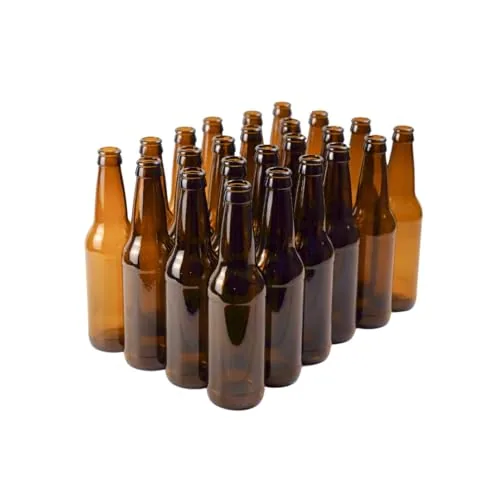
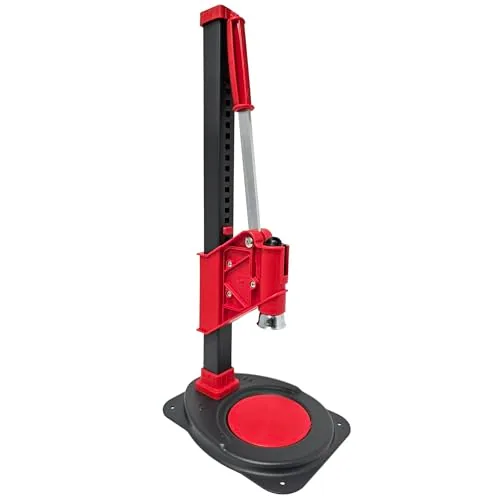
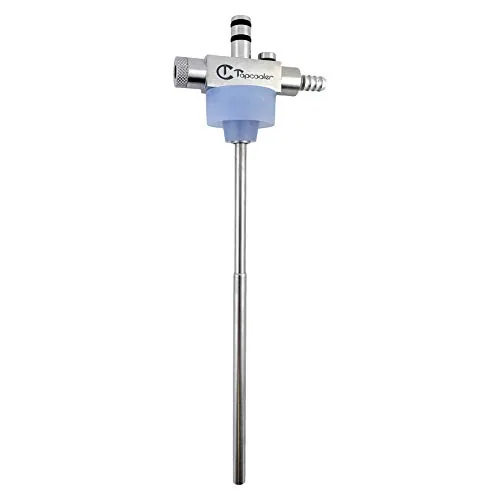
Plain bottles without raised logos, no labels unless the rules allow them. Kegged beer can be bottled with a counter-pressure filler; see bottling from a keg.
- Deliver or ship as instructed
Drop-off at a participating homebrew shop is common. If shipping, follow the competition’s instructions and the carrier’s alcohol policy.
- Read the scoresheets
Compare judges’ notes with your brew log. Repeated comments are the ones to act on.
- Log what you change
Record the feedback and your next adjustments in the brew-day log.
Is it legal to take homebrew to a competition?
Federally, yes. TTB’s beer FAQ says homebrew may be removed for personal or family use “including use in organized affairs, exhibitions, or competitions”, and 27 CFR 24.75 allows home wine (including cider and mead) to go to home winemaker contests, tastings or judgings. You still cannot sell it, and state law on transporting alcohol applies; the AHA notes some states allow transport to competitions and club meetings while others are stricter. Details in is homebrewing legal.
Federal homebrew rules at a glance
Quoted from the U.S. Code, the CFR and TTB. Not legal advice: state and local law can be stricter.
- Beer for personal or family use
- 200 gal per calendar year with 2+ adults in the household; 100 gal with one adult 26 U.S.C. 5053(e) (Cornell LII)
- Wine (incl. cider and mead)
- Same 200 / 100 gal per household; may not under any circumstances be sold or offered for sale 27 CFR 24.75 (Cornell LII)
- Who counts as an adult
- 18+ under the rule, but where local law sets a higher purchase age that age applies: in practice 21 everywhere in the US 27 CFR 25.205 (Cornell LII)
- Selling homebrew
- Not allowed: "Adults may not produce beer for sale or offer their beer for sale" TTB: Beer FAQs
- Competitions and club events
- Removal is allowed for personal or family use, including organized affairs, exhibitions or competitions (check your state) TTB: Beer FAQs
- Distilling spirits at home
- Illegal without a federal permit, even for personal use; unregistered stills can be seized TTB: Penalties for illegal distilling
- State law
- Homebrewing is legal in all 50 states (Alabama and Mississippi were last, in 2013), but limits on transport and sharing vary AHA: Homebrewing statutes by state
Beyond competitions: judging, events and AHA days
Steward, then judge. Competitions always need volunteers. Stewards carry bottles and paperwork for judging tables, which is the best free education in off-flavors you will find. When you are ready, the BJCP runs judge exams for beer, mead and cider, and its judge ranks recognize experience.
AHA days. The AHA’s calendar gives clubs three natural events a year: Big Brew for National Homebrew Day on the first Saturday of May, Home Fermentation Day in August (the old Mead Day, now covering kombucha and other ferments), and Learn to Homebrew Day on the first Saturday of November. Each is a good excuse to brew with a club or introduce an adult friend to the hobby.
Homebrew Con. The AHA’s annual conference mixes seminars, a Club Night where clubs pour their best beers, and the National Homebrew Competition awards. The 2027 event is in Milwaukee on July 16–17, after a sold-out year in Asheville, per the AHA.
Pro-am and club-only competitions. Some clubs partner with breweries so a winning recipe gets brewed commercially, and club-only events focus on a single style. These change year to year; ask your club.
Competition and club tastings involve many small pours. Count them, eat, drink water, arrange a ride, and keep tasting portions small. One US standard drink is 14 g of alcohol (NIAAA), and homebrew is often stronger than commercial beer.
Source: NIAAAMistakes first-time entrants make
- Entering the wrong style. Judges score against the category you choose.
- Sending old or oxidized bottles. Enter beer at its best; hoppy beers fade fast.
- Overcarbonated bottles. Gushers lose points and can burst in transit; see bottle safety below.
- Missing the bottle rules. Wrong bottles or labels can disqualify an entry.
- Taking one scoresheet as the verdict. Look for patterns across judges and events.
Club or competition first?
Join a club first if you want to learn faster and taste a lot of different beer. Enter a competition first if you want structured, written feedback on one specific beer. Most brewers end up doing both. Bottling supplies for entries are in the bottling category; if you are starting out, see your first brew day.
Gear picks for this guide: best beer guns and counter-pressure fillers and best hydrometers for homebrewing.
ABV calculatorWork out ABV from OG and FG with the standard and high-gravity formulas, hydrometer temperature correction,…Printable brew-day log and recipe sheetFree brew-day log: record recipe, water and salts, mash, gravities, yeast, fermentation temperatures,…Questions
How do I find a homebrew club near me?
What is the BJCP?
How do I enter a homebrew competition?
Is it legal to send homebrew to a competition?
What is the National Homebrew Competition?
When is Homebrew Con 2027?
Sources
- AHA: Homebrew club resources and club directory
- AHA: National Homebrew Competition
- AHA: Homebrew Con 2027 (Milwaukee, July 16–17)
- AHA: Learn to Homebrew Day
- Beer Judge Certification Program (BJCP)
- BJCP: Competition program
- TTB: Beer FAQs
- 27 CFR 24.75: Wine for personal or family use (Cornell LII)
- AHA: Homebrewing statutes by state
- NIAAA: What is a standard drink?