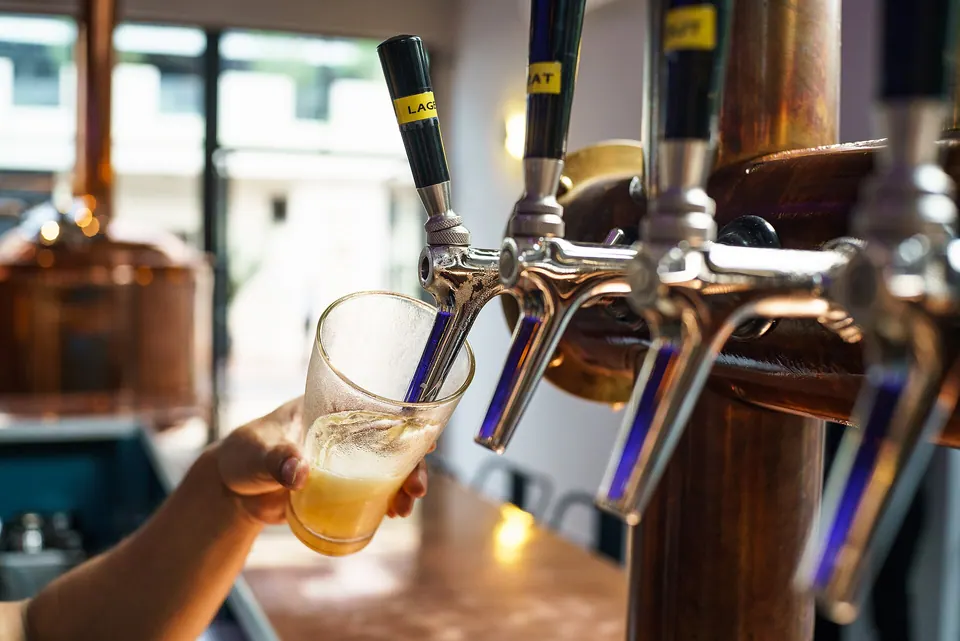
- Bottling from a keg lets you take carbonated, clear beer to a club meeting or competition without priming or yeast sediment.
- Counter-pressure fillers purge the bottle with CO2 and fill it under pressure; beer guns are simpler and fill at low pressure into a CO2-purged bottle.
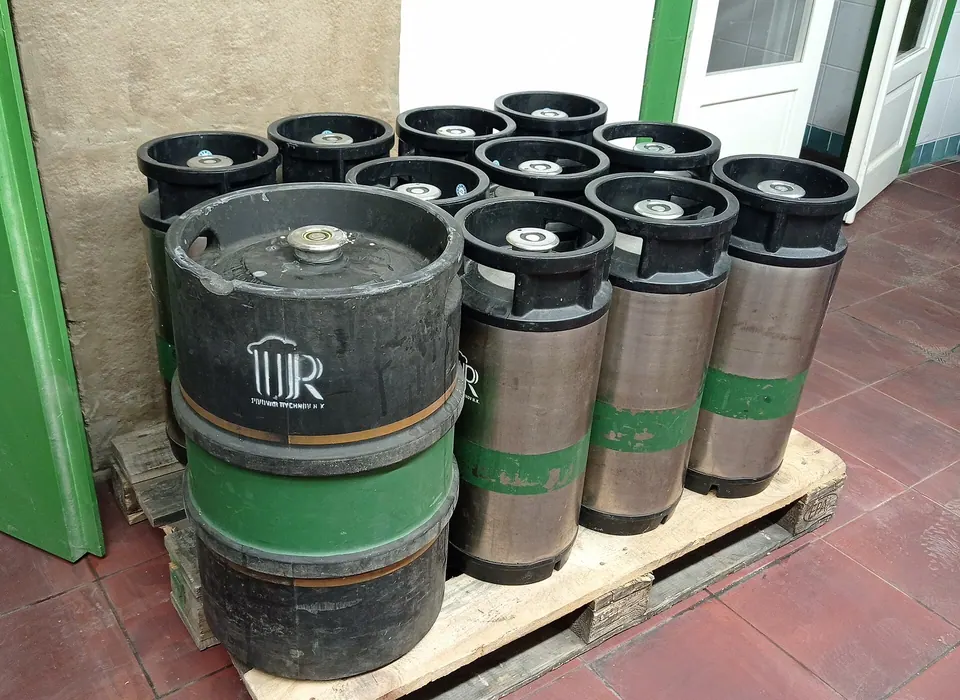
- Cold beer foams less: chill the keg as cold as practical, and BYO suggests raising pressure 2–3 psi overnight to offset carbonation loss.
- BYO’s method fills at roughly the keg’s conditioning pressure (often 8–12 psi) in about 5–10 seconds per bottle, then caps on foam.
- Keg-filled bottles are ready to serve, but they are not primed, so they stay at the keg’s carbonation level.
Bottling from a keg solves a problem every kegger runs into: how to share beer that lives in a corny keg. Competitions want bottles, friends want a six-pack, and a growler goes flat within days. Filling bottles from the keg keeps the carbonation and clarity you already have, with no priming sugar and no yeast layer.
This guide compares the main tools (beer guns, counter-pressure fillers, multi-head fillers and automated fillers) from maker listings and BYO’s counter-pressure technique articles, then walks through the steps. Nitro beer gets a short section at the end. We did not fill bottles with these products; follow each maker’s instructions.
Beer gun vs counter-pressure filler
A counter-pressure filler seals onto the bottle, fills it with CO2 to the same pressure as the keg, then lets beer flow in as you slowly bleed off the gas. Because the pressures balance, the beer barely foams and keeps its carbonation. A beer gun purges the bottle with CO2 and fills from the bottom at low pressure without sealing the bottle; it is simpler and faster to clean, and BYO-cited sources note it does not control headspace pressure the same way.
Ways to bottle from a keg
| Method | How it works | Best for | Trade-offs |
|---|---|---|---|
| Counter-pressure filler | Seals the bottle, purges and pressurizes it, beer flows in as gas bleeds off | Competition bottles, highly carbonated styles | ~ More valves to learn and clean |
| Beer gun | CO2 purge, then bottom fill at low pressure, unsealed | Batches of a dozen or more, quick sessions | ~ Some carbonation loss; needs very cold beer |
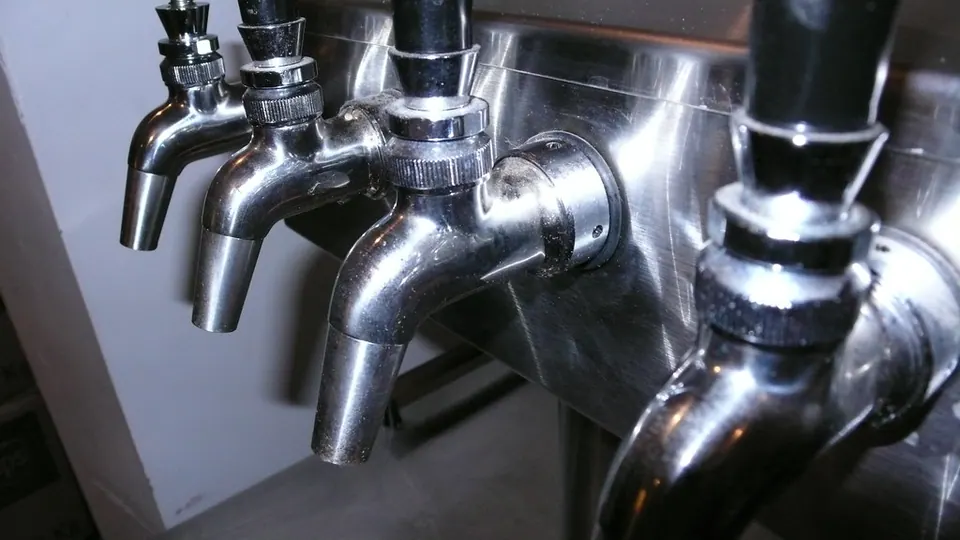
| Faucet-mounted filler | Slides into a forward-sealing faucet | Kegerators with forward-sealing faucets | ~ Faucet must be compatible |
| Multi-head or automated filler | Several heads or a programmed pinch valve | Large runs, cans | ~ More parts, more setup, may need 110–120V power |
| Tube from a picnic tap | Bottom fill with no purge | Same-day drinking only | ✗ Oxygen pickup and foam |
Source: BYO: Counter-pressure bottling techniques; maker listings
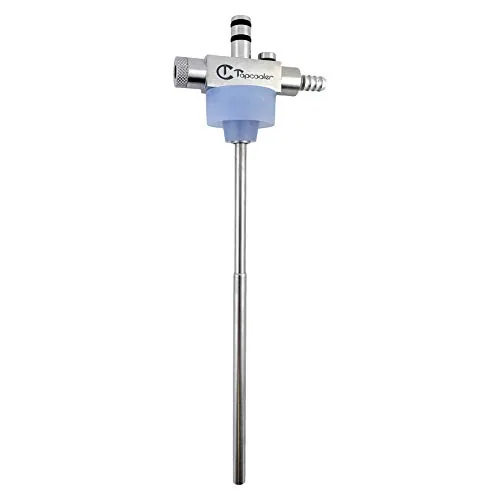
Tapcooler Counter Pressure Bottle Filler
- Taps
- Attaches to forward-sealing faucets
- Gauges
- Pressure relief valve; CO2 purge
- Type
- Counter-pressure bottle filler
Best for Bottling from kegs for competitions
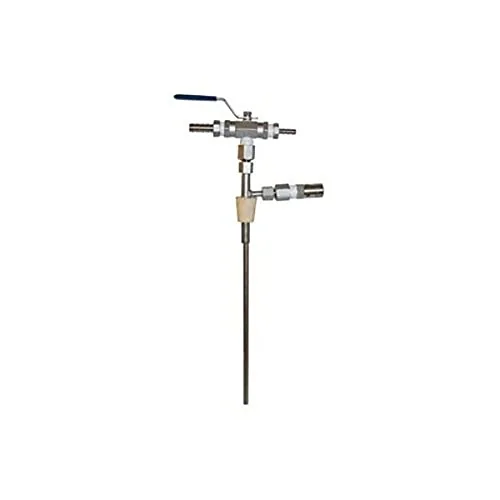
Eagle KEG801 Counter Pressure Bottle Filler
- Taps
- Three-position valve (off, beer, CO2)
- Couplers
- 3/16 in. beer barb, 5/16 in. gas barb
- Type
- Counter-pressure bottle filler
Best for Bottling carbonated beer
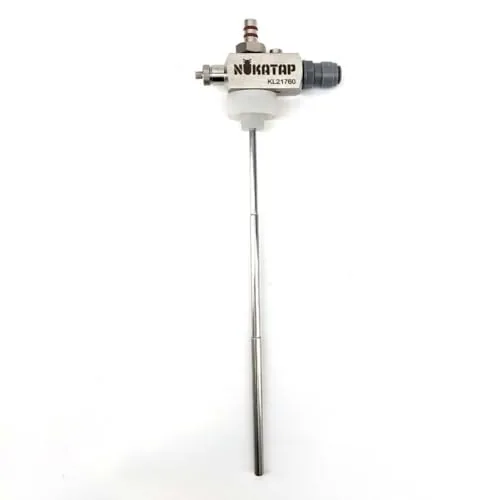
KegLand Nukatap Counter Pressure Bottle Filler
- Taps
- Slides into forward-sealing faucets
- Couplers
- 2 × 8 mm Duotight, 2 ball lock post adapters
- Gauges
- Oxygen purge button
Best for Bottling from a Nukatap
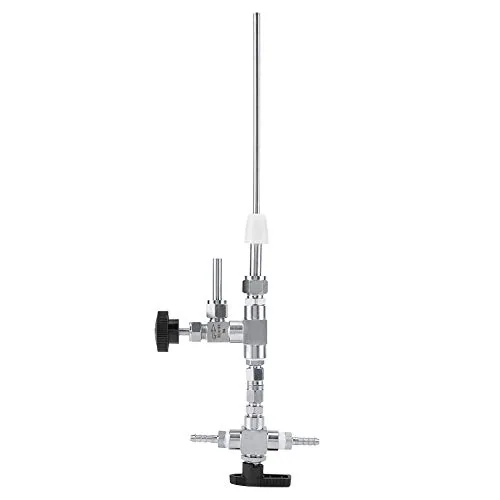
Brickman Counter Pressure Bottling Wand
- Taps
- Beer gun-style filler
- Type
- Counter-pressure bottle filler
- Material
- 304 stainless steel
Best for Budget beer gun
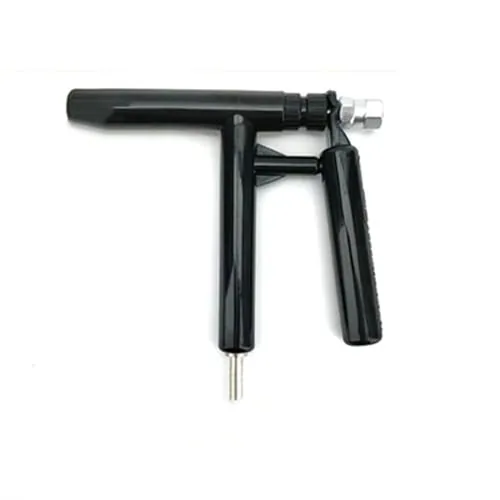
LXYLYX TPK08 Beer Gun, Stainless and Nylon
- Couplers
- 1/4 in. OD connection
- Type
- Beer gun
- Material
- Nylon and stainless
Best for Budget beer gun
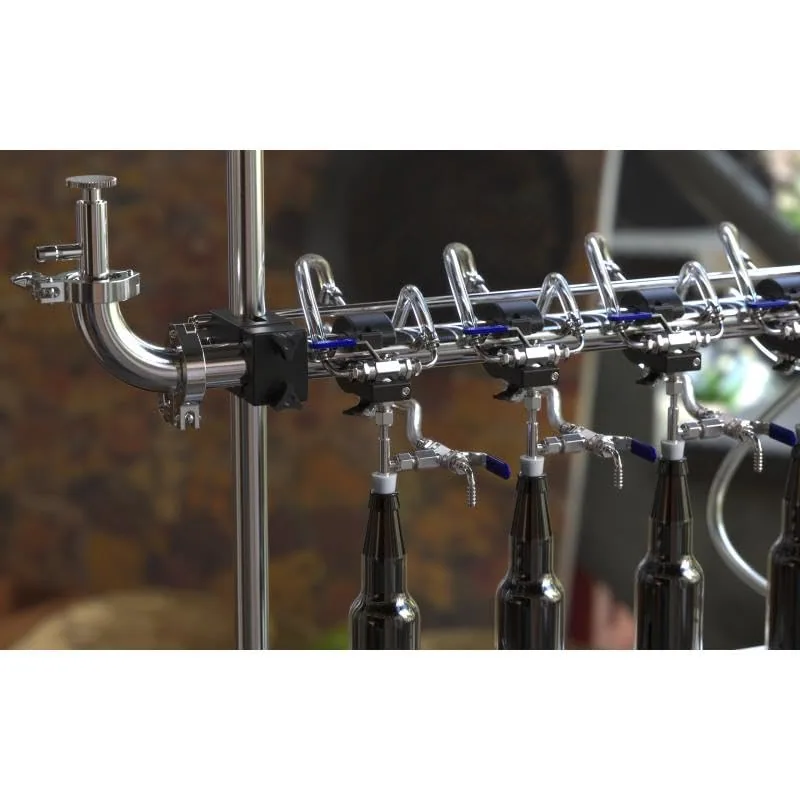
Medusa MultiHead Counter Pressure Bottle Filler, Gen 2
- Taps
- Multiple fill heads
- Couplers
- Dual TC fill reservoir
- Material
- Stainless frame and reservoir
Best for Bottling many beers at once
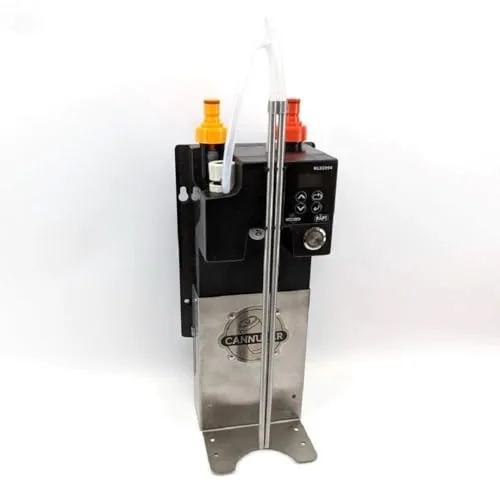
KegLand Cannular Can and Bottle Filler, RAPT, 110–120V
- Type
- Automated can/bottle filler
- Power
- 110–120V
- Connectivity
- Wi-Fi, RAPT portal
Best for Filling cans or bottles from a keg
Bottling from a keg, step by step
- Carbonate fully and chill hard
The keg should be fully carbonated and as cold as practical; cold beer holds CO2 and foams less. BYO notes some brewers raise CO2 pressure 2–3 psi overnight to offset the loss during transfer.
- Chill and sanitize the bottles
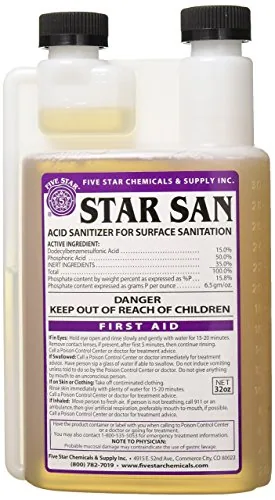
Cold, sanitized bottles reduce foaming. Use a no-rinse sanitizer at label dilution and let it drain.
- Set up with valves closed
Close every valve on the filler and turn off the gas before connecting. Gravity-type fillers need the keg higher than the bottles.
- Purge with CO2
Fill each bottle with CO2 first to push out air. Oxygen is what makes bottled beer taste stale weeks later.
- Fill under pressure
BYO’s guidance is roughly the keg’s conditioning pressure, often 8–12 psi, filling from the bottom under the CO2 blanket in about 5–10 seconds with only a little foam.
- Cap on foam
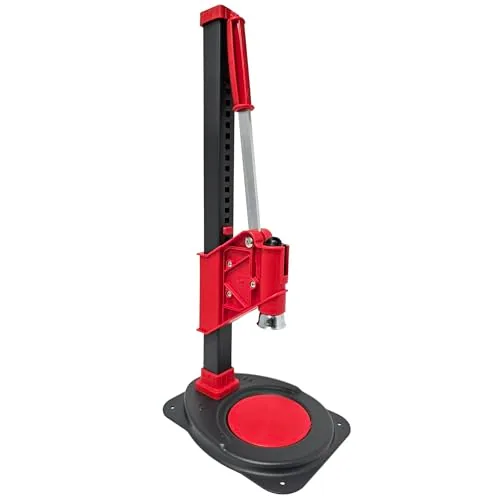
Cap right away. Capping over a little foam pushes out the last air; a light tap on the bottle can raise foam. Oxygen-absorbing caps add margin.
- Clean the filler
BYO suggests soaking the filler in a cleaner such as PBW after each use, then rinsing with hot water, so beer does not dry inside the valves.
Pressure and carbonation numbers
Your bottles end up at the keg’s carbonation, less a little lost in filling. Use the keg carbonation chart to set it and the carbonation guide to choose a style target. Standard bottles are not meant for very high carbonation; weizens and some Belgian styles above about 3 volumes need heavier bottles.
CO2 volumes by style family (bottle or keg)
| Style family | Volumes of CO2 | Bottle-safe? |
|---|---|---|
| British ales | 1.5–2.2 | ✓ standard bottles |
| American ales | 2.2–3 | ✓ standard bottles |
| European lagers | 2.4–2.6 | ✓ standard bottles |
| American lagers | 2.5–2.8 | ✓ standard bottles |
| Belgian ales | 2–4.5 | ~ standard bottles only to about 3 vol |
| German weizen | 2.8–5.1 | ~ standard bottles only to about 3 vol |
Style ranges: BYO: Carbonation priming chart. Standard 12 oz pry-off bottles are not meant for more than about 3.0 volumes. Bottle only after the gravity reads the same 2–3 days in a row.
Bottles for competitions, growlers and cans
Most homebrew competitions ask for plain brown or green bottles without raised logos or labels, often 10–16 oz, with blank or blacked-out caps; the entry rules list exactly what they accept and how many bottles per entry. Keg-filled bottles suit this well because they arrive clear and fully carbonated with no yeast cake to stir up in shipping. Fill an extra bottle and open it a few days later: if it is already flat or foamy, adjust your technique before the real entries go out.
Taking homebrew to a competition or club event is allowed under federal rules, which permit removal for organized affairs, exhibitions and competitions; state transport rules vary. See is homebrewing legal for the citations.
Growlers
A growler filled from a picnic tap is fine for the same evening. If you want it to keep for a few days, purge it with CO2 first and fill from the bottom with a counter-pressure filler or a beer gun; once opened, drink it that day. Carbonated growlers with their own CO2 cap are another route for parties.
Cans
Canning homebrew needs a seamer and the right can ends; automated fillers like the KegLand Cannular handle the fill step on 110–120V power with a pinch valve and regulator, per the listing. The same rules apply: cold beer, CO2 purge, quick close.
Why oxygen matters more than carbonation
Bottle-conditioned beer has live yeast that soaks up some of the oxygen picked up at bottling. A keg-filled bottle has very little yeast, so whatever oxygen goes in stays in and slowly turns hop aroma dull and malt papery. That is why every method above starts with a CO2 purge, and why capping on foam and oxygen-absorbing caps are worth the extra step for beers you want to keep more than a couple of weeks.
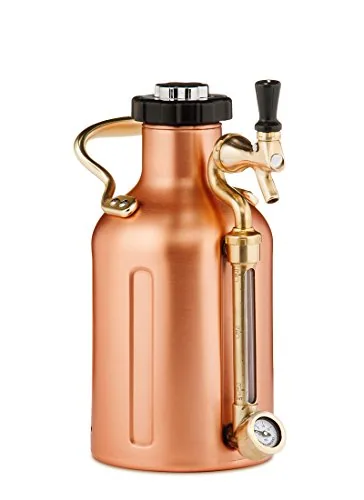
GrowlerWerks uKeg 64 Carbonated Growler, Copper
- Kegs
- 64 oz vacuum-insulated stainless
- Gauges
- Pressure gauge and sight glass
- Pressure
- Regulator cap, 0–15 psi
Best for Gift for a brewer 21+
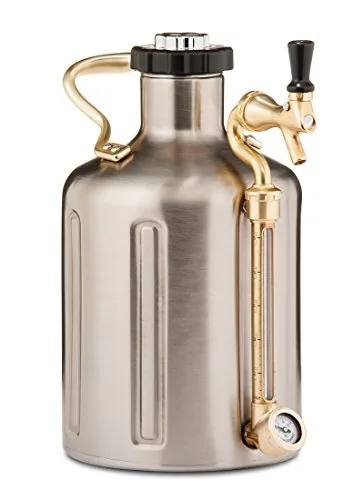
GrowlerWerks uKeg 128 Carbonated Growler, Stainless
- Kegs
- 128 oz vacuum-insulated stainless
- Gauges
- Pressure gauge and sight glass
- Pressure
- Regulator cap, 0–15 psi
Best for Taking a gallon to a party
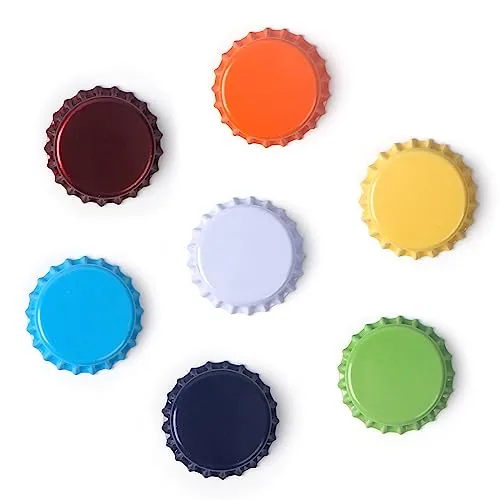
Newflager Oxygen Absorbing Bottle Caps, 7 Colors, 315 Ct
- Type
- Oxygen-absorbing crown caps
- Count
- 315 (45 each of 7 colors)
Best for Color-coding batches
Nitro beer basics
Nitro stouts are served with beer gas, a nitrogen and CO2 blend (often 75/25), through a stout faucet with a restrictor plate. Beer gas cylinders use a different valve than CO2 cylinders, so they need a nitrogen regulator; the regulators in the catalogue are listed with a CGA-580 inlet. Do not use a CO2 regulator on a nitrogen or beer gas cylinder.
Bottling a nitro beer from the keg does not reproduce the cascade you get from a stout faucet, so most brewers serve nitro on draft only.
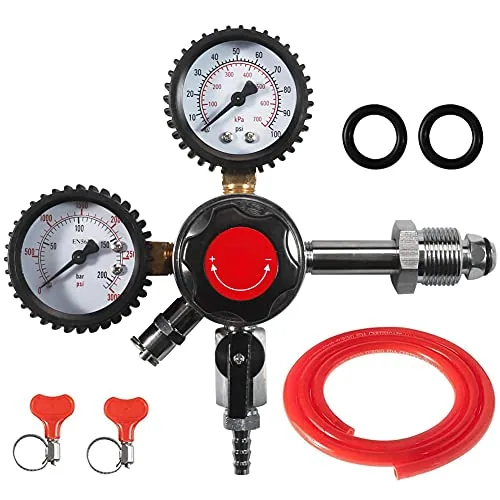
LUCKEG CGA580 Dual Gauge Nitrogen Regulator, 0–100 PSI
- Couplers
- CGA580 inlet, 5 ft 5/16 in. gas line
- Gauges
- 0–100 PSI and 0–3000 PSI
- Pressure
- Manual release at 45 PSI
Best for Budget nitro regulator
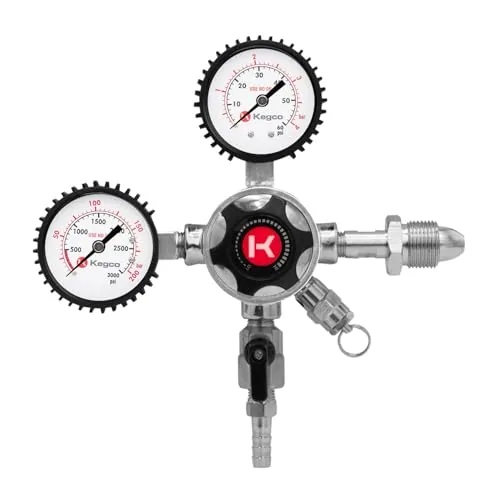
Kegco Elite Series Dual Gauge Nitrogen Regulator
- Gauges
- Dual gauge (output + cylinder)
- Pressure
- Adjustable 0–60 PSI
- Material
- Chrome-plated brass
Best for Nitro stouts on draft
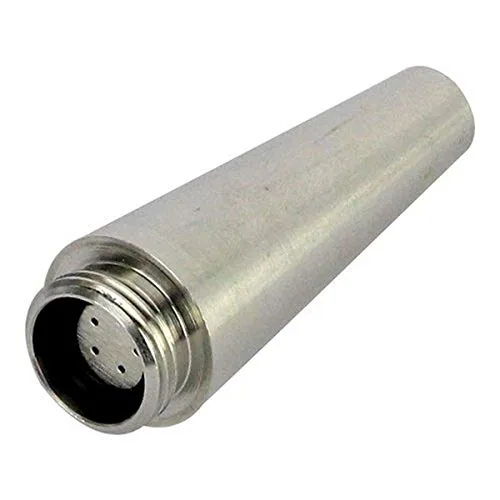
Intertap D1213 Stout Spout
- Taps
- Stout spout with restrictor plate
- Type
- Stout faucet
- Material
- Stainless steel
Best for Nitro stouts
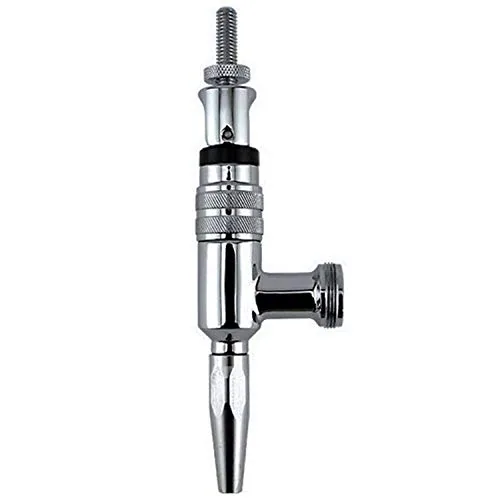
Bev Rite CFP67 Stout/Nitro Faucet
- Taps
- 1 stout faucet
- Type
- Stout faucet
- Material
- Chrome-plated brass
Best for Nitro stout pours
Mistakes to avoid
- Bottling warm beer. Everything foams; chill keg and bottles.
- Skipping the CO2 purge. The beer looks fine for a week, then tastes papery.
- Leaving headspace huge. BYO notes that a smaller headspace reduces carbonation loss.
- Cranking pressure to speed up the fill. Higher pressure without balance just makes foam; never exceed the keg’s or filler’s rating.
- Storing filled bottles warm for months. Keg-filled beer is best kept cold and drunk fresh.
- Forgetting the gas side. Turning off the gas between bottles or running the cylinder low mid-session changes fill pressure and causes foam; check the tank gauge before you start.
- Not labeling. Mark each cap or bottle with the beer and fill date; keg-filled bottles all look alike in the fridge.
Which filler should you pick?
If you bottle a few competition entries a year, a basic counter-pressure filler is enough. If you regularly fill a case for friends, a beer gun or a faucet-mounted filler is quicker. If you have forward-sealing faucets, a faucet-mounted filler saves a gas line. For bottling a whole batch you never kegged, use priming sugar instead: see how to bottle homebrew. Entering competitions? See homebrew clubs and competitions and the bottling category.
Gear picks for this guide: best beer guns and counter-pressure fillers and best bottle cappers.
Priming sugar calculatorHow much corn sugar, table sugar or DME to prime homebrew: CO2 volumes by style, residual CO2 from the…Keg carbonation chart and PSI calculatorKeg carbonation chart and calculator: regulator PSI by beer temperature and CO2 volumes, with an altitude…