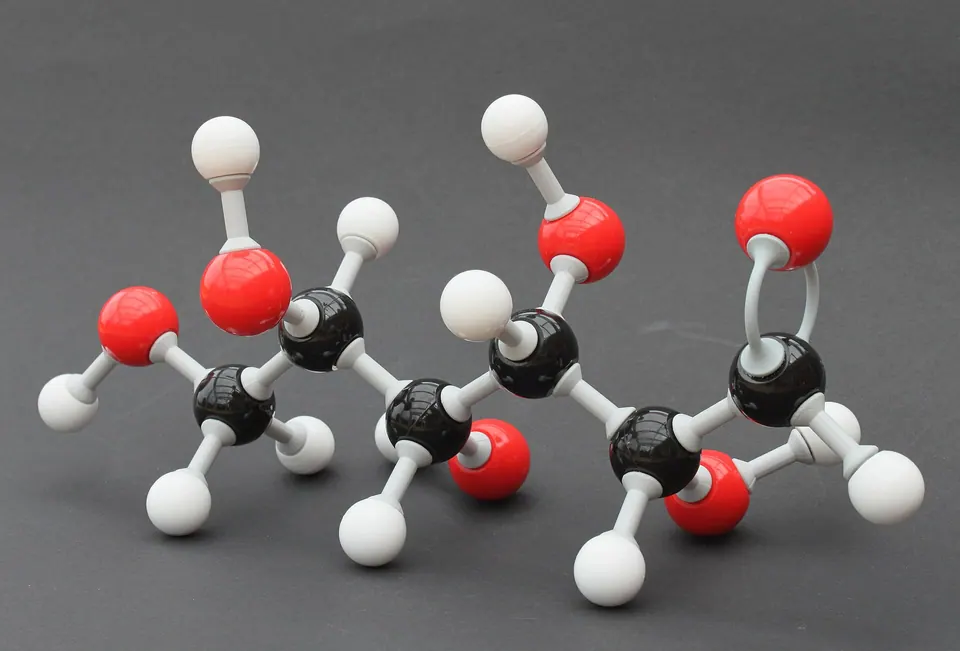
- How to make hard seltzer: ferment plain sugar in soft water with plenty of yeast nutrient, clear it, carbonate it hard and flavor it after fermentation.
- BYO’s 5.25 gal (20 L) recipe: RO water, 4.5 g gypsum, 1.65 kg (3.6 lb) cane sugar to OG about 1.031, FG about 1.000, roughly 5% ABV.
- Sugar has almost no yeast nutrition, so nutrients are not optional: BYO doses at pitch and again 36–48 hours later; Omega uses its Propper Seltzer blend.
- Carbonate to 2.8–3.0 volumes (BYO), which suits a keg better than standard bottles.
- A sugar wash is also the starting point for illegal distilling. We never cover that, and federal law prohibits it without a permit.
How to make hard seltzer at home surprises most beer brewers: there is no grain, no hops and barely any boil. A hard seltzer is a clean, dry base of fermented sugar, carbonated high and flavored with fruit or extracts. The challenge is getting yeast to ferment cleanly in a liquid with no nutrition, then keeping the base clear and neutral.
This guide follows BYO’s hard seltzer recipe and Omega Yeast’s guide to hard seltzers, scaled for a 5 gal batch, with product labels for nutrients. We summarize their published methods and the kit listings; we did not brew these batches.
What you need for 5 gallons
BYO hard seltzer base, 5.25 gal (20 L), about 5% ABV
| Ingredient or step | Amount or setting | Why |
|---|---|---|
| Water | 21 L reverse osmosis or distilled | Neutral base, no chlorine flavors |
| Gypsum | 4.5 g (about 50 ppm calcium) | Yeast health and a little minerality |
| Cane sugar | 1.65 kg (3.6 lb) | Fermentable base |
| Boil | 20 minutes | Dissolve and sanitize |
| Yeast | One 11.5 g SafAle US-05 or another neutral strain | Clean, fast fermentation |
| Nutrients | 2.5 g yeast extract nutrient + 2.5 g DAP at pitch, again at 36–48 h | Sugar has almost no nitrogen |
| Pitch temperature | 64°F (18°C) | Clean flavor |
| Ferment | 5–7 days, then chill to 32°F (0°C) | Dry and clear |
| Gravity | OG about 1.031, FG about 1.000 | About 5% ABV |
| Carbonation | 2.8–3.0 volumes | Seltzer-style fizz |
Source: BYO: Hard seltzer recipe
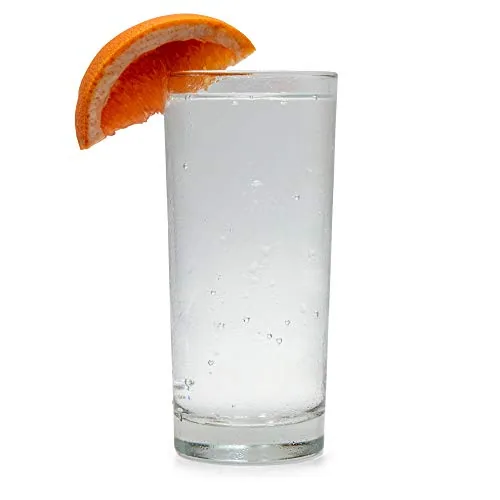
Northern Brewer Ruby Grapefruit Hard Seltzer Kit, 5 gal
- Batch size
- 5 gal
- Type
- Hard seltzer ingredient kit
- Still need
- Brewing equipment
Best for Summer seltzer batches
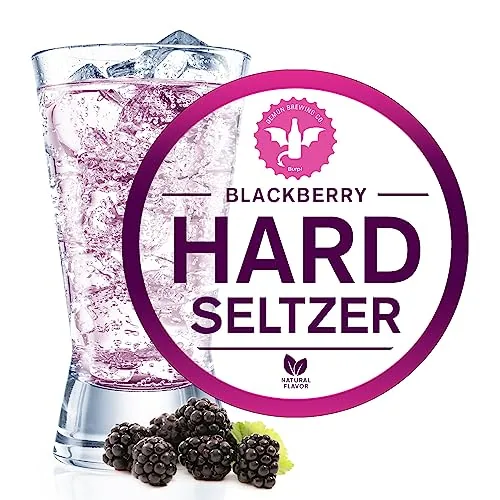
BrewDemon Blackberry Hard Seltzer Kit, 1 gal
- Batch size
- 1 gal
- Type
- Hard seltzer recipe kit
- Still need
- Fermenter
Best for Small seltzer batches
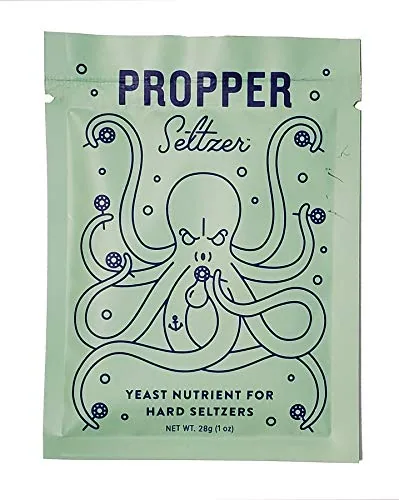
Omega Propper Seltzer Nutrient, 28 g
- Type
- Seltzer yeast nutrient
- Size
- 28 g (1 oz)
Best for Clean hard seltzer
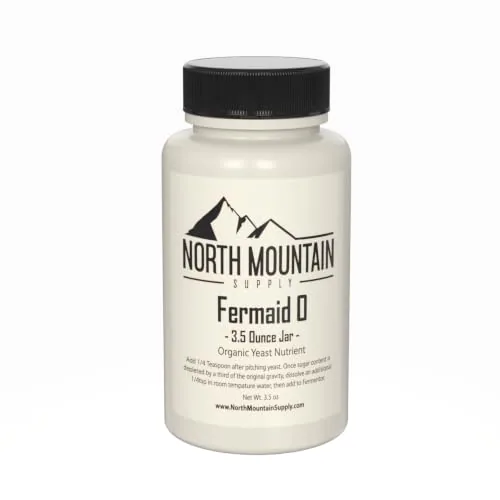
Lallemand Fermaid O Yeast Nutrient, 3.5 oz
- Type
- Organic nitrogen nutrient (no DAP)
- Size
- 3.5 oz
Best for Staggered nutrient additions for mead
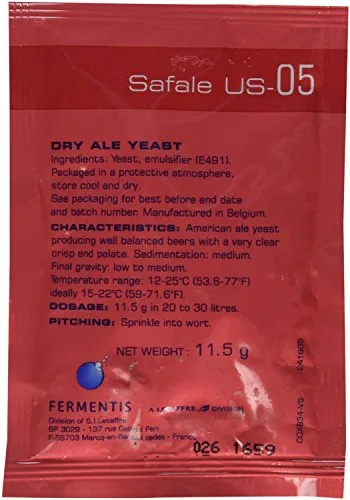
Fermentis SafAle US-05 Dry Ale Yeast, 11.5 g
- Type
- Dry ale yeast, American
- Dose
- 50–80 g/hL (11.5 g ≈ 3.8–6 gal)
- Temp
- 59–75°F (15–24°C)
Best for American pale ales and IPAs
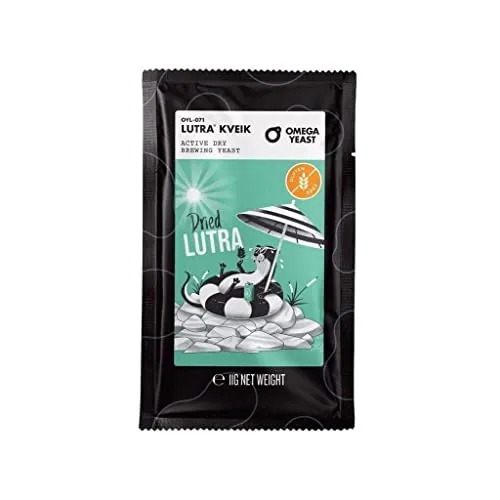
Omega Yeast Lutra Kveik Dry Yeast, 11 g
- Type
- Dry kveik yeast
- Temp
- 68–95°F (20–35°C)
- Attenuation
- 75–82%
Best for Pseudo-lagers in summer
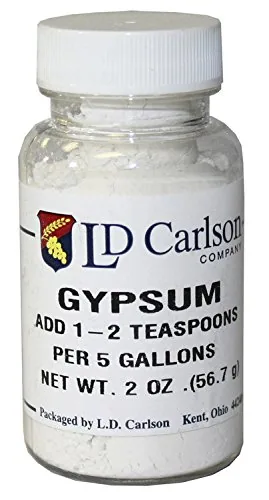
LD Carlson Gypsum (Calcium Sulfate), 2 oz
- Use
- Brewing water adjustment
- Type
- Calcium sulfate
- Size
- 2 oz
Best for Hoppy pale ales and IPAs
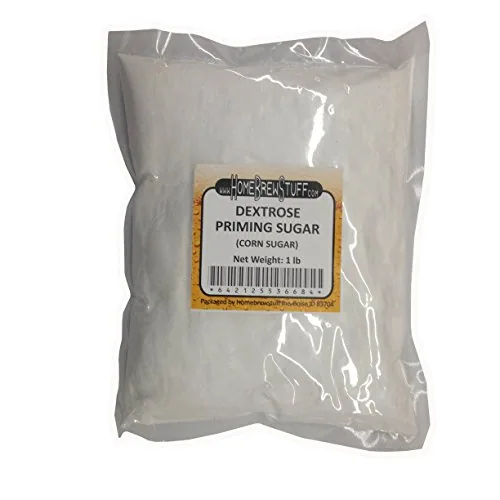
Craft Brew Union Corn Sugar (Dextrose), 1 lb
- Type
- Priming sugar (dextrose)
- Size
- 1 lb
Best for Bottle-conditioning a 5-gallon batch
How to make hard seltzer step by step
- Start with neutral water
RO or distilled water with a small gypsum addition, per BYO. Tap water with chlorine or chloramine shows through in a base this clean; see water chemistry.
- Dissolve the sugar and boil briefly
BYO boils 20 minutes to a pre-boil gravity around 1.031. Omega’s commercial method dissolves dextrose hot and boils 10 minutes. Use the dilution calculator to hit your target.
- Add nutrient
Add the first nutrient dose at pitch (BYO) or the full Propper Seltzer dose at flameout (Omega). Follow the label for your volume.
- Chill and pitch a neutral yeast
BYO cools to 64°F (18°C) and pitches US-05. Omega uses Lutra kveik warm (78–86°F) and reports finishing in about 2–4 days. Avoid distiller’s or turbo yeasts; they are sold for spirits production, which we don’t cover.
- Second nutrient dose
BYO repeats the nutrient 36–48 hours after pitching. Stir gently to release gas first so it does not foam over.
- Ferment dry
BYO: 5–7 days to about 1.000. Confirm with two equal readings and check strength with the ABV calculator.
- Chill and clear
Cold-crash near 32°F (0°C). BYO mentions optional cartridge filtration; finings such as silica sol are another route (finings guide).
- Keg and carbonate high
Carbonate to 2.8–3.0 volumes using the keg carbonation chart.
- Flavor after carbonation
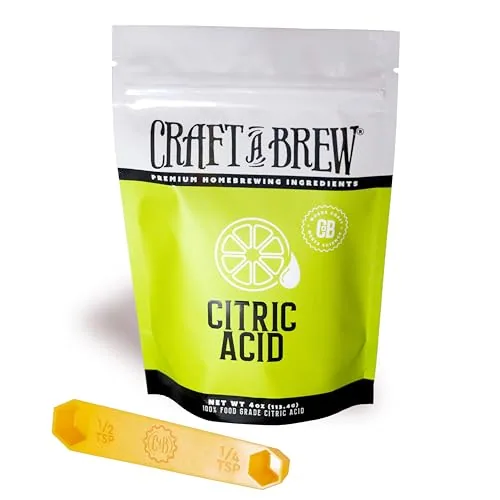
BYO adds fruit extracts, a little juice and citric acid after carbonation. Juice adds fermentable sugar, so keep the keg cold and drink it fresh, or stabilize first.
How strong is a homemade seltzer, in standard drinks?
Seltzers taste light, which makes their strength easy to underestimate. One US standard drink is 0.6 fl oz (14 g) of pure alcohol (NIAAA). Here is what common can sizes hold at two strengths:
US standard drinks per serving
Ounces × ABV ÷ 0.6 fl oz alcohol per standard drink (NIAAA)
Adding more sugar raises strength fast. Each extra 0.008 of gravity is roughly another percent of alcohol by the standard formula. Keep homemade seltzer in the same range as commercial ones and label kegs clearly.
Flavoring, clarity and carbonation
Seltzer flavor is all post-fermentation: natural extracts, a small amount of juice, and acid for brightness. BYO’s example uses lemon and lime extracts, single-strength orange juice and citric acid dissolved in the juice. Add a little, taste, then scale. Omega suggests adding fruit late while the yeast is still finishing if you want it fermented dry, and preservatives if you want to keep residual sweetness.
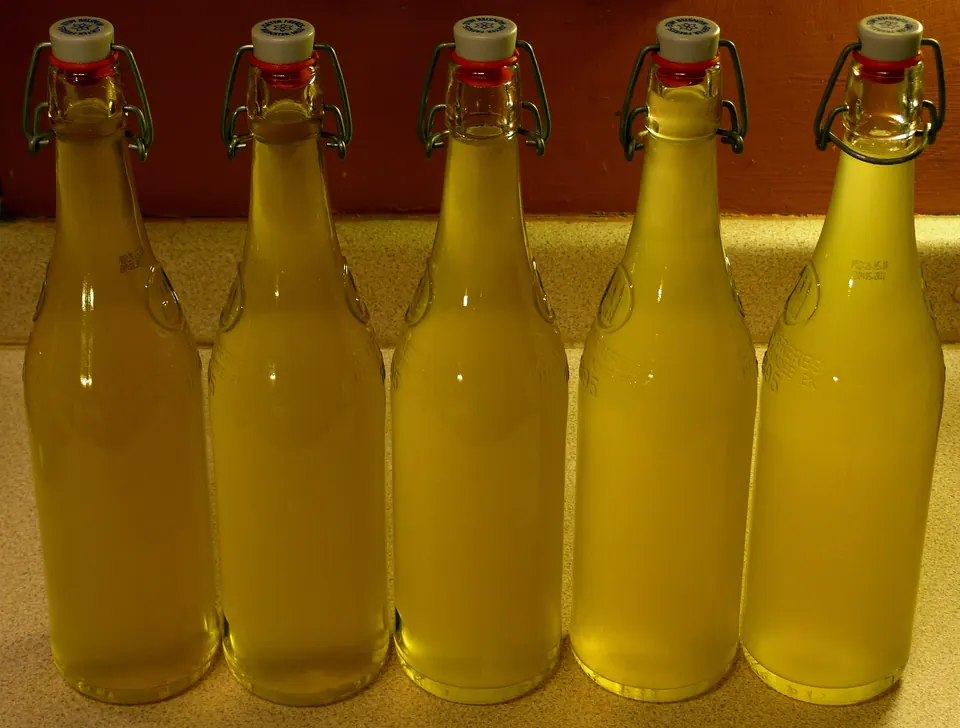
Clarity matters because the drink is colorless. A cold crash for a few days, careful racking and a fining agent or filter give a water-clear base. High carbonation (2.8–3.0 volumes) is above what many brewers put in standard bottles, so kegging is the practical route; if you bottle, use heavier bottles and see bottling from a keg.
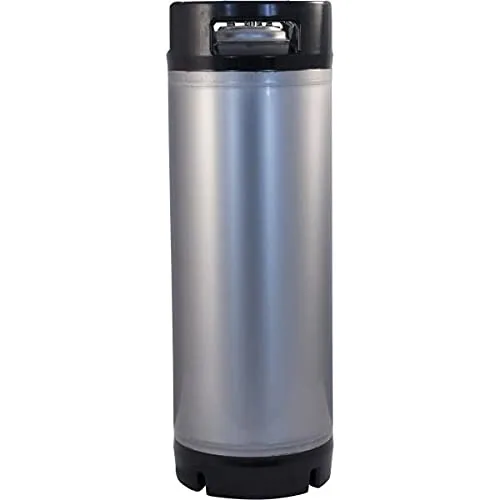
KegLand New Cornelius Keg, 5 Gal, Ball Lock
- Kegs
- 5 gal (19 L), ball lock
- Pressure
- 130 PSI operating
- Material
- 304 stainless
Best for First homebrew keg
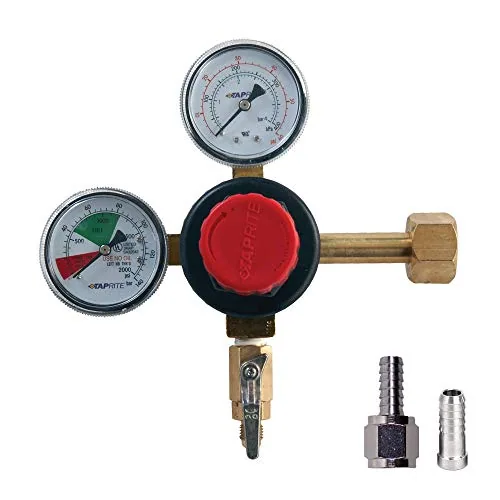
Taprite Dual Gauge CO2 Regulator with MFL Check Valve
- Couplers
- MFL check valve; 1/4 and 5/16 in. barbs
- Gauges
- Dual gauge
- Pressure
- Safety blow-off at 55–60 PSI
Best for First kegging regulator
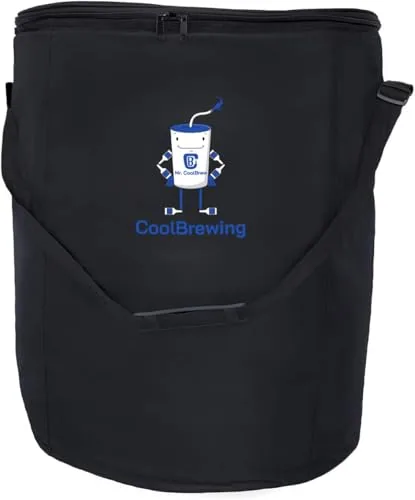
Cool Brewing Fermentation Cooler Bag
- Volume
- Fits a 5 gal fermenter
- Outputs
- Insulated bag for ice bottles or packs
- Type
- Insulated fermentation bag
Best for Summer ales without a fridge
Sugar, water and pH: why seltzer is fussier than beer
Malt wort is full of amino acids, minerals and buffering compounds. A sugar solution has almost none of these, which creates three problems the recipe has to solve.
- Nitrogen. Yeast build cells from nitrogen. Without it they stall and produce sulfur. That is why both BYO and Omega treat nutrient additions as essential, split over the first days of fermentation.
- Minerals. Calcium and other minerals support yeast health and flocculation. BYO adds gypsum to RO water for about 50 ppm calcium.
- pH. With no buffering, pH can fall quickly once fermentation starts, which slows yeast. Seltzer kits and nutrient blends often include salts for this reason; follow the kit or blend label rather than adding acid or base by guesswork.
Sugar choice matters less: cane sugar and dextrose (corn sugar) both ferment cleanly. Dextrose is what Omega’s commercial guide uses and what most home brewers already have for priming.
Scaling and strength
To change batch size, scale sugar, gypsum and nutrient together, then check the starting gravity. To change strength, adjust the sugar and recheck; do not go far past a typical commercial seltzer strength. Higher gravity also means more yeast stress and more nutrient, and a stronger drink that still tastes light.
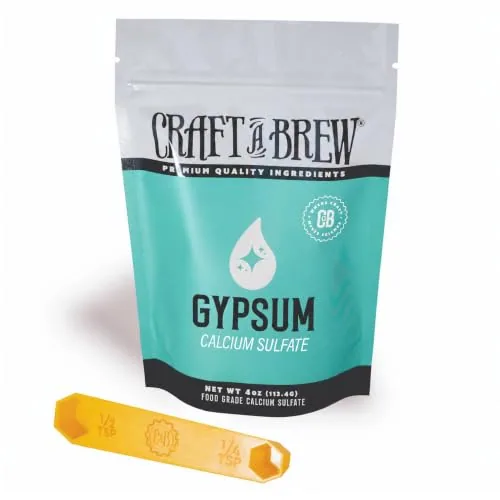
Craft A Brew Gypsum (Calcium Sulfate), 4 oz
- Use
- Brewing water adjustment
- Type
- Calcium sulfate
- Size
- 4 oz
Best for Building hoppy water profiles
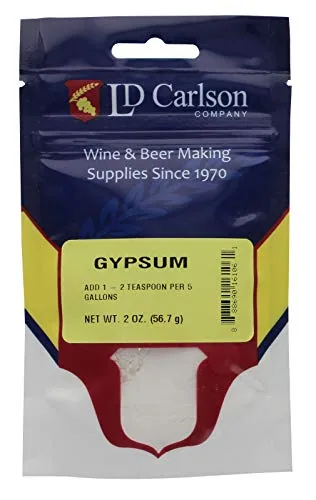
Learn To Brew Gypsum (Calcium Sulfate), 2 oz
- Use
- Brewing water adjustment
- Type
- Calcium sulfate
- Size
- 2 oz
Best for Hoppy beers
Equipment
Any beer fermenter works, and a kegging setup makes the high carbonation easy. A clean, neutral fermenter matters more than usual, because a seltzer base has nothing to hide old hop or fruit aromas absorbed into plastic. Many brewers keep a dedicated bucket or PET fermenter for seltzer and cider.
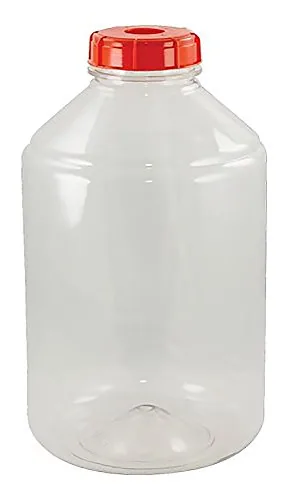
FerMonster 6 Gal Wide Mouth PET Fermenter
- Volume
- 6 gal
- Material
- PET plastic
- Outputs
- Drilled lid
Best for Unbreakable carboy alternative
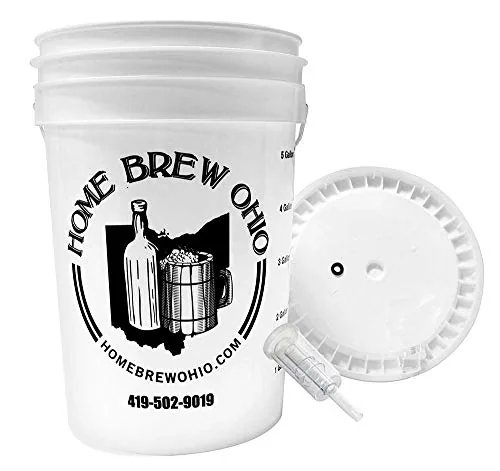
Home Brew Ohio 6.5 Gal Fermenting Bucket with Lid and Airlock
- Volume
- 6.5 gal
- Material
- Plastic bucket
- Outputs
- Grommeted lid, 3-piece airlock
Best for 5-gallon primary fermentation
Seltzer, sugar washes and the law
Treat a homemade seltzer like any other homebrew: personal or family use within the household limits, and never for sale (see is homebrewing legal). The same fermented sugar water is also what illegal distillers start from. TTB states that federal law prohibits producing distilled spirits at home without a permit, even for personal use. That is why this site never covers distilling, stills or “turbo” spirit yeasts.
Common hard seltzer mistakes
- No nutrient. Sugar alone stalls and smells of sulfur; sources agree nutrients are essential.
- Chlorinated tap water. It shows in a neutral base; use RO or treat the water.
- Flavoring before fermentation. Yeast strips delicate fruit aroma; flavor at the end.
- Juice in an unstabilized bottled seltzer. Fresh sugar plus live yeast in a sealed bottle risks bottle bombs.
- Overshooting strength. More sugar means more alcohol, not more flavor.
Kit or from scratch?
A seltzer kit (such as Northern Brewer’s 5 gal Ruby Grapefruit or BrewDemon’s 1 gal Blackberry) gives you a tested base and flavoring; check the listing for the equipment it still needs. From scratch costs less per batch and lets you set strength and flavor. Either way, seltzer is a natural summer project because a kveik strain is happy in a warm garage; see the summer brewing hub and the kveik guide.
Gear picks for this guide: best yeast nutrients for mead, wine and beer and best homebrew keg systems.
ABV calculatorWork out ABV from OG and FG with the standard and high-gravity formulas, hydrometer temperature correction,…Keg carbonation chart and PSI calculatorKeg carbonation chart and calculator: regulator PSI by beer temperature and CO2 volumes, with an altitude…Dilution and boil-off calculatorDilute wort to a target gravity, and work out pre-boil volume from your boil-off rate, boil time and losses,…