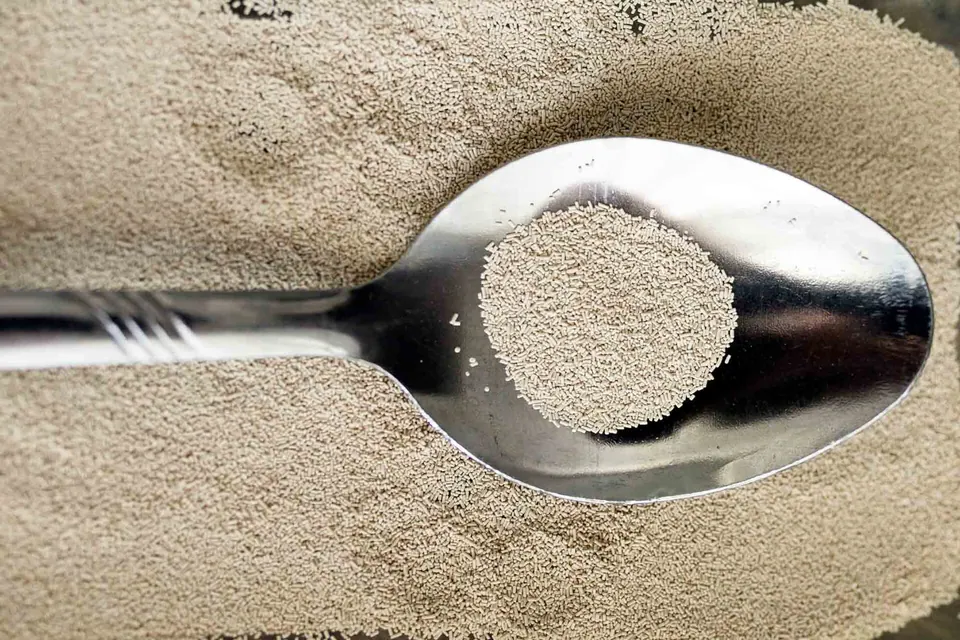
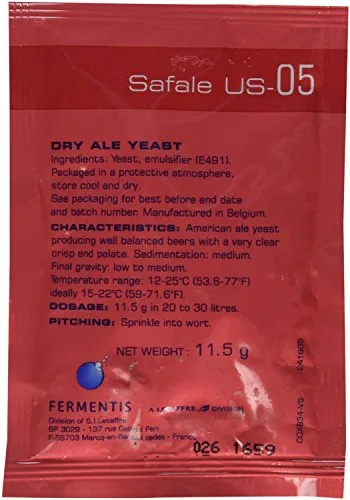
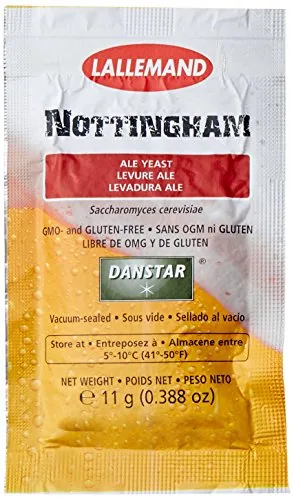
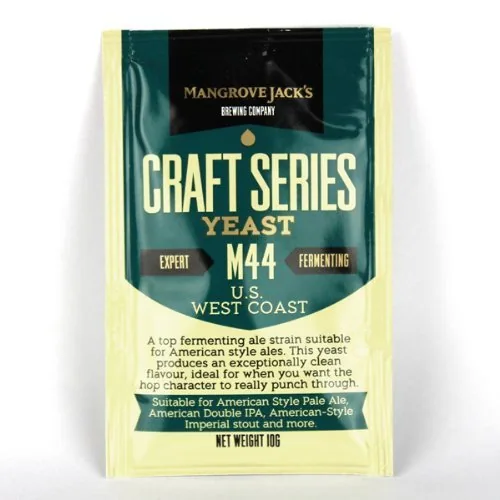
- Dry yeast (Fermentis, Lallemand, Mangrove Jack's and dry lines from White Labs and Omega) is dosed by weight: Fermentis lists 50–80 g/hL for US-05, so one 11.5 g sachet covers about 3.8–6 gal. Fermentis lists a 36-month shelf life.
- Liquid yeast (White Labs, Wyeast, Imperial, Omega) offers many more strains, but viability drops as it ages, roughly 0.7% a day by a commonly used estimate, so older packs often need a starter.
- Both Fermentis and Lallemand say you can pitch their beer yeast directly or rehydrate it; Lallemand now prefers dry pitching for Nottingham.
- Liquid yeast ships cold and can suffer in summer heat; we don't list it, so the liquid side here shows the starter gear it calls for.
Dry vs liquid yeast is less about which makes better beer and more about logistics: how long the yeast keeps, how you get enough healthy cells into the wort, and whether the strain you want exists in dry form. Dry yeast is grown, dried and vacuum-packed in sachets; liquid yeast is shipped as a live slurry in a pouch or vial.
Below we compare them on maker doses, storage, viability, starters and strain range, using the Fermentis and Lallemand data sheets and the pitch-rate figures in our yeast pitch rate calculator. Dry picks come from Fermentis, Lallemand, Mangrove Jack's, White Labs and Omega; the liquid side shows starter gear from Northern Brewer, Omega, Stir Starter, Corning and Wyeast. Browse it all in the yeast and nutrients hub.
Picks from each side
Dry yeast
Fermentis SafAle US-05 Dry Ale Yeast, 11.5 g
- Type
- Dry ale yeast, American
- Dose
- 50–80 g/hL (11.5 g ≈ 3.8–6 gal)
- Temp
- 59–75°F (15–24°C)
Best for American pale ales and IPAs
Lallemand LalBrew Nottingham Ale Yeast, 11 g
- Type
- Dry ale yeast, English
- Dose
- 50–100 g/hL
- Temp
- 59–68°F (listing); 10–25°C on TDS
Best for Clean ales and a reliable backup yeast
Mangrove Jack's M44 US West Coast Dry Yeast
- Type
- Dry ale yeast, American
Best for IPAs and pale ales
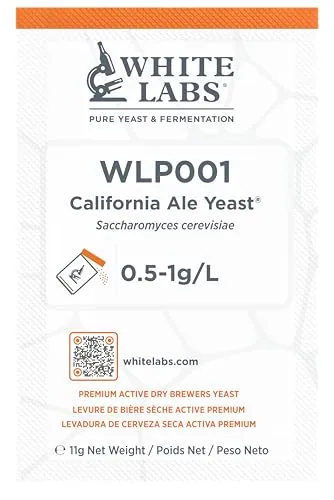
White Labs WLP001 California Ale Yeast (Dry)
- Type
- Dry ale yeast, American
- Temp
- 64–73°F (18–23°C)
- Attenuation
- 73–85%
Best for Clean American ales
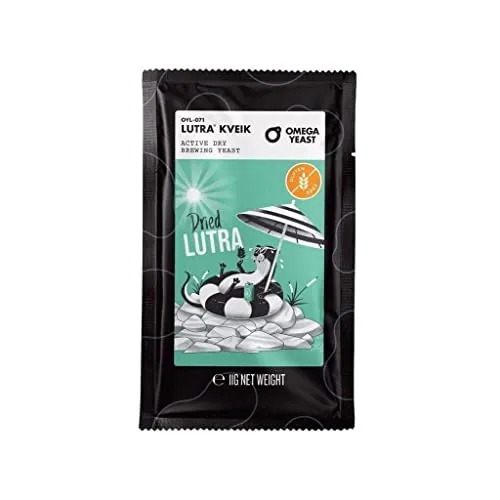
Omega Yeast Lutra Kveik Dry Yeast, 11 g
- Type
- Dry kveik yeast
- Temp
- 68–95°F (20–35°C)
- Attenuation
- 75–82%
Best for Pseudo-lagers in summer
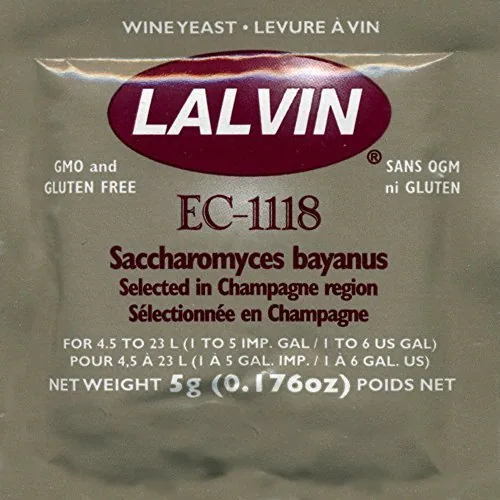
Lalvin EC-1118 Wine Yeast, 5 g
- Type
- Dry wine yeast (S. cerevisiae var. bayanus)
- Dose
- 25 g/hL (about 1 g/gal)
- Temp
- 50–86°F (10–30°C)
Best for Dry wines, ciders and meads
Liquid yeast
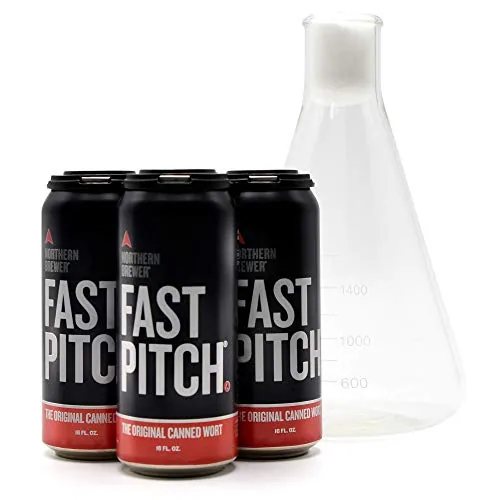
Northern Brewer Fast Pitch Yeast Starter Kit, 2000 mL
- Type
- Starter kit with canned wort
- Size
- 2000 mL flask
Best for First yeast starter
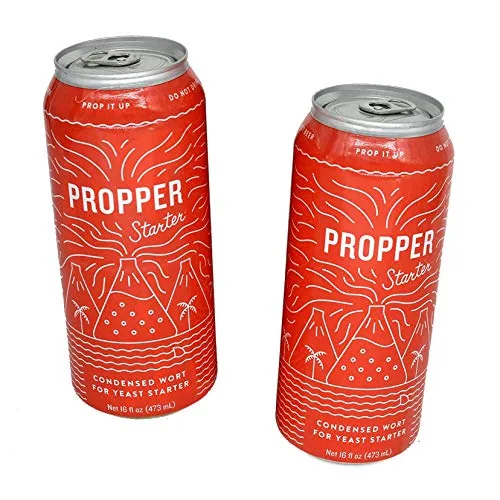
Omega Propper Starter Canned Wort, 16 oz (2-pack)
- Type
- Condensed sterile wort for starters
- Size
- 2 x 16 oz
Best for Quick yeast starters
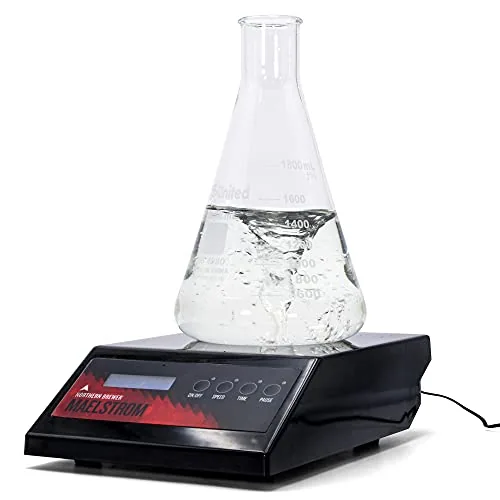
Northern Brewer Maelstrom Stir Plate
- Type
- Programmable stir plate
- Speed
- 480–1440 RPM, 5 speeds
- Capacity
- Starters up to 5 gal (per maker)
Best for Regular liquid-yeast starters
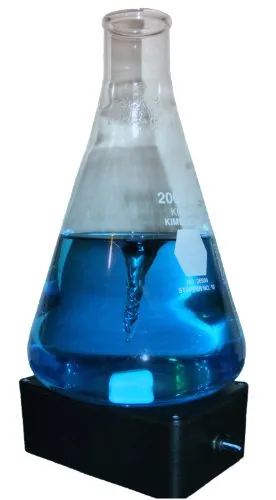
Stir Starter Magnetic Yeast Starter Plate
- Type
- Stir plate
- Includes
- Stir bar, keeper magnet, power cord
Best for Budget starter setups
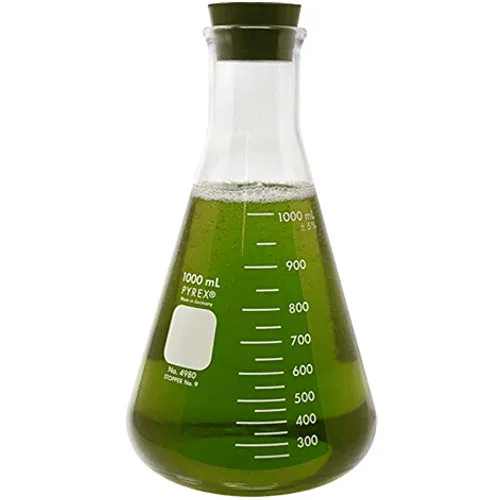
Corning Pyrex 4980 1000 mL Erlenmeyer Flask with Stopper
- Type
- Borosilicate Erlenmeyer flask
- Capacity
- 1000 mL
Best for Small yeast starters
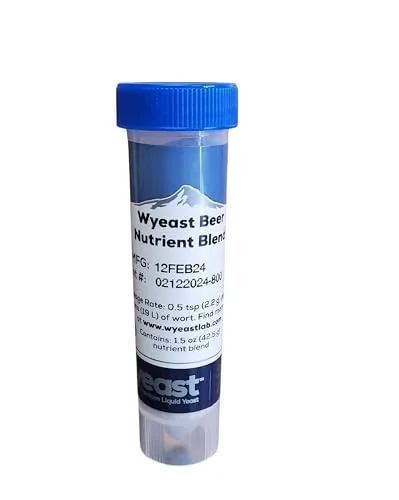
Wyeast Beer Yeast Nutrient, 1.5 oz
- Type
- Beer yeast nutrient
- Size
- 1.5 oz
Best for High-gravity beers and starters
Dry vs liquid yeast at a glance
| Dry yeast | Liquid yeast | |
|---|---|---|
| Form | Dried, vacuum-packed sachet (10–11.5 g for 5 gal) | Live slurry in a pouch or vial |
| Dosing | By weight, per maker g/hL | By cell count and viability |
| Shelf life | ✓ 36 months for US-05 (Fermentis) | ~ Months; viability falls with age |
| Storage | Cool; Fermentis: below 75°F under 6 months, below 59°F beyond | Refrigerated |
| Starter needed | ✗ Makers dose by weight | ~ Often, for older packs, lagers and big beers |
| Strain range | ~ Good and growing | ✓ Widest |
| Shipping in summer | ✓ Tolerant | ✗ Needs ice packs, fast shipping |
| Repitching | ✓ Possible (aerate the wort, per Lallemand) | ✓ Common |
| In our catalogue | ✓ | ✗ Heat-shipping risk |
Source: Fermentis SafAle US-05 product page; Lallemand Nottingham TDS; AHA pitch-rate article
How much dry yeast for 5 gallons?
Makers give dry yeast doses in grams per hectoliter (1 hL = 26.4 gal). For a 5-gallon (19 L) batch that works out to:
Maker dose for 5 gal (19 L)
Grams of dry yeast, low to high end of the maker range
So one 11.5 g sachet suits a normal-strength 5-gallon ale, and a second sachet makes sense for high gravity or lagers. Lallemand warns that liquid-yeast calculators can over-pitch dry yeast, which is why our pitch-rate tool shows the maker's gram dose for dry yeast rather than a cell count.
Dry yeast by the maker’s numbers
| Yeast | Use | Fermentation temp | Dose | Attenuation / tolerance | Rehydration |
|---|---|---|---|---|---|
| SafAle US-05 Fermentis | Ale (American) | 18–26°C (64.4–78.8°F) | 50–80 g/hL | 78–82%; not listed on the product page | Optional: ≥10× its weight of sterile water or boiled, hopped wort at 25–29°C (77–84°F), 15–30 min; or direct pitch at or above fermentation temperature |
| SafAle S-04 Fermentis | Ale (English) | 18–26°C (64.4–78.8°F) | 50–80 g/hL | 74–82%; 9–11% ABV | Optional: ≥10× its weight of sterile water or boiled, hopped wort at 25–29°C (77–84°F), 15–30 min; or direct pitch at or above fermentation temperature |
| SafLager W-34/70 Fermentis | Lager | 12–18°C (53.6–64.4°F) | 80–120 g/hL | 80–84%; 9–11% ABV | Optional: ≥10× its weight of sterile water or boiled, hopped wort at 15–25°C (59–77°F), 15–30 min; or direct pitch at or above fermentation temperature |
| LalBrew Nottingham Lallemand | Ale (English) | 10–25°C (50–77°F) | 50–100 g/hL | 78–84%; 14% ABV | Dry pitching is the maker's preferred method (no significant difference vs rehydration, per Lallemand) |
| LalBrew Voss (kveik) Lallemand | Ale (kveik) | 25–40°C (77–104°F) Optimum 35–40°C (95–104°F) per Lallemand | 50–100 g/hL | 76–82%; 12% ABV | Per the sachet |
| Lalvin EC-1118 Lallemand | Wine, cider, mead | 10–30°C (50–86°F) | 25 g/hL | Ferments dry; 18% v/v (subject to conditions) | 35–40°C (95–104°F) water for 20 min with Go-Ferm Protect Evolution (30 g/hL), then temper to within 5–10°C of the must |
Sources: Fermentis: SafAle US-05 product page; Fermentis: SafAle S-04 product page; Fermentis: SafLager W-34/70 product page; Lallemand: LalBrew Nottingham technical data sheet; Lallemand Brewing: LalBrew Voss Kveik Ale Yeast product page; Lallemand: Lalvin EC-1118 technical data sheet. 1 hL = 26.4 US gal, so 50 g/hL ≈ 1.9 g per gallon. Follow the sachet you buy; makers update their sheets.
Liquid yeast viability and starters
Liquid yeast is alive and slowly dying in the fridge. A commonly used estimate is a loss of about 0.7% of viable cells per day from the manufacture date; it's an approximation, not a maker figure, and real packs vary.
Estimated liquid yeast viability by age
Percent viable, at about 0.7% loss per day (estimate)
To make up the difference, brewers grow a starter: a small batch of wort (often 1–2 L) fermented a day or two before brew day, ideally on a stir plate. Pitch-rate targets of about 0.75 million cells per mL per °Plato for ales and 1.5 for lagers (White & Zainasheff; the AHA uses 1.0 for ales) tell you how big it needs to be; the pitch rate calculator does the math.
Northern Brewer Fast Pitch Yeast Starter Kit, 2000 mL
- Type
- Starter kit with canned wort
- Size
- 2000 mL flask
Best for First yeast starter
Omega Propper Starter Canned Wort, 16 oz (2-pack)
- Type
- Condensed sterile wort for starters
- Size
- 2 x 16 oz
Best for Quick yeast starters
Northern Brewer Maelstrom Stir Plate
- Type
- Programmable stir plate
- Speed
- 480–1440 RPM, 5 speeds
- Capacity
- Starters up to 5 gal (per maker)
Best for Regular liquid-yeast starters
Corning Pyrex 4980 1000 mL Erlenmeyer Flask with Stopper
- Type
- Borosilicate Erlenmeyer flask
- Capacity
- 1000 mL
Best for Small yeast starters
Canned starter wort (Omega Propper Starter, Northern Brewer Fast Pitch) saves boiling DME for a starter. Borosilicate flasks like the Corning Pyrex 4980 can go from stove to cold water, but handle hot glass with care.
Rehydrate or pitch dry yeast directly?
Both major dry-yeast makers now allow direct pitching. Fermentis says US-05 can be rehydrated in at least 10 times its weight of sterile water or boiled, hopped wort at 77–84°F (25–29°C) for 15–30 minutes, or sprinkled straight onto wort at or above fermentation temperature, and a Fermentis study found no significant difference. Lallemand calls dry pitching the preferred method for Nottingham.
Wine yeast is different. Lalvin EC-1118's data sheet calls for rehydration in water at 95–104°F (35–40°C) for 20 minutes, ideally with Go-Ferm Protect Evolution, then tempering to within 5–10°C of the must. See the rehydrate or direct pitch guide for the steps.
Fermentis vs Lallemand vs Mangrove Jack's: the dry yeast brands
| Brand | Beer lines in our catalogue | Listed or maker data | Notes |
|---|---|---|---|
| Fermentis (SafAle, SafLager) | US-05, S-04, W-34/70, S-23, WB-06, T-58, K-97, BE-134 | US-05: 50–80 g/hL, ideally 64–79°F (18–26°C), 78–82% attenuation | Detailed storage and rehydration data on the product page |
| Lallemand (LalBrew, Lalvin) | Nottingham, Windsor, BRY-97, Verdant, Voss, Belle Saison, Diamond, NovaLager | Nottingham: 50–100 g/hL, 78–84% attenuation, 14% ABV | Kveik Voss for hot garages; Lalvin wine yeasts |
| Mangrove Jack's | M44, M84, M20, M29, M12 kveik | 10 g treats 23 L (5 gal) on M84 and M29 | 10 g sachets |
| White Labs (dry) | WLP001 California Ale dry | 64–73°F, 73–85% attenuation | Dry version of a classic liquid strain |
| Omega (dry) | Lutra kveik | 68–95°F, 75–82% attenuation | Clean kveik for warm fermentation |
Source: Listings and maker pages for each yeast
For hoppy American ales, our best dry yeast for IPA list goes strain by strain. For summer brewing without a fridge, kveik strains like Voss and Lutra ferment warm; see the summer brewing page.
Who should choose which
| You… | Dry | Liquid |
|---|---|---|
| Are brewing your first batches | ✓ | ~ |
| Want yeast on the shelf for months | ✓ | ✗ |
| Order in summer heat | ✓ | ✗ Unless shipped cold, fast |
| Need a specific Belgian, English or lager strain | ~ Check dry options first | ✓ |
| Don't want to make starters | ✓ | ~ Fresh packs only |
| Brew high-gravity beers or lagers | ✓ Two sachets | ✓ With a starter |
| Make wine, cider or mead | ✓ Lalvin, Red Star and others | ~ |
Choose dry yeast for reliability, shelf life, easy dosing and summer shipping; it covers most ales and many lagers. Choose liquid yeast when a recipe depends on a strain that only exists in liquid form, buy it fresh from a shop that ships cold, and plan a starter for anything but a fresh pack in a normal-strength ale.
Mistakes to avoid
- Using a liquid-yeast cell calculator for dry yeast. Dose dry yeast by the maker's g/hL instead.
- Pitching an old liquid pack without a starter. Check the manufacture date and estimate viability first.
- Rehydrating in water that's too hot or too cold. Follow the maker's range (77–84°F for US-05; 95–104°F for EC-1118).
- Storing dry yeast in a hot garage. Fermentis lists below 75°F for under 6 months; keep it in the fridge for longer.
- Leaving an opened sachet out. Fermentis: reseal, keep at 39°F (4°C) and use within 7 days.
- Forgetting aeration for repitched or liquid yeast. Yeast needs oxygen to grow; Lallemand notes repitched dry yeast needs aerated wort.
Dry yeast is the practical default for most homebrewers: a 36-month shelf life (US-05), dosing by weight and no starter needed. Liquid yeast earns its extra care when you need a strain that isn't available dry; buy it fresh, ship it cold and make a starter when it has aged. Both make excellent beer when pitched at the right rate and temperature.
We compared the Fermentis US-05 product page, the Lallemand Nottingham and EC-1118 data sheets, the AHA pitch-rate article and listing data for the yeasts and starter gear shown. The liquid viability chart uses a linear estimate, not maker data. We did not ferment with these yeasts.